
So I was doing some research recently on doughnut-style treats from around the world, and I found out about Gulab Jamun – Indian deep-fried balls that are made from a sweet, milky dough and then, while hot, soaked in syrup. They can be left to float about in there from anything from a few hours to overnight so that they end up really sweet and sticky. I’d read that they are traditionally served at weddings, although they can be eaten all through the year (obviously, it would be rude not to).
So I went on a mission to try them for myself. I asked around on Twitter and it turns out there is an Asian sweet shop on Oxford Road, in Reading called Ambala.
They sell all sorts of sugary pastries, such as halvas and baklava as well as Gulab Jamun. The assistant was happy to talk me through the different flavours and varieties of what they sold, as he stood in front of giant, old-fashioned wooden trays full of perfectly moulded little pastries and confections all lined up neatly.
He explained that he had two different types of Gulab Jamun, one – the lighter-coloured one – was softer and more crumbly than the darker coloured variety, so we took a few of each to try. The shop assistant looked a bit bemused at my excitement as he waved us off, but with a little luxurious-looking box of something new, we headed off home to try it.
The gulab jamun was very sweet – a bit too sweet for me I think, but my husband loved it. So did the children. We preferred the ‘harder’ style – the darker ones – they felt less moist and had more texture, which we liked.
I’ll be paying another, equally enthusiastic visit to Ambala soon – if you’re ever in Reading look them up, they’re on the Oxford Road near to Domino’s Pizza. They also have an online shop, if Reading’s too far to travel but expect to pay postage fees, of course.
Wednesday, 30 November 2011
Gulab Jamun – Sweet Indian Treats
Posted by
Jo Romero
at
07:00
Email ThisBlogThis!Share to TwitterShare to FacebookShare to Pinterest
Links to this post
Labels:
asian,
indian,
sweet cravings,
tea break
| Reactions: |
Monday, 28 November 2011
Roast Shoulder of Lamb with Potatoes
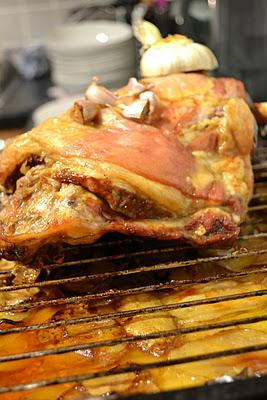
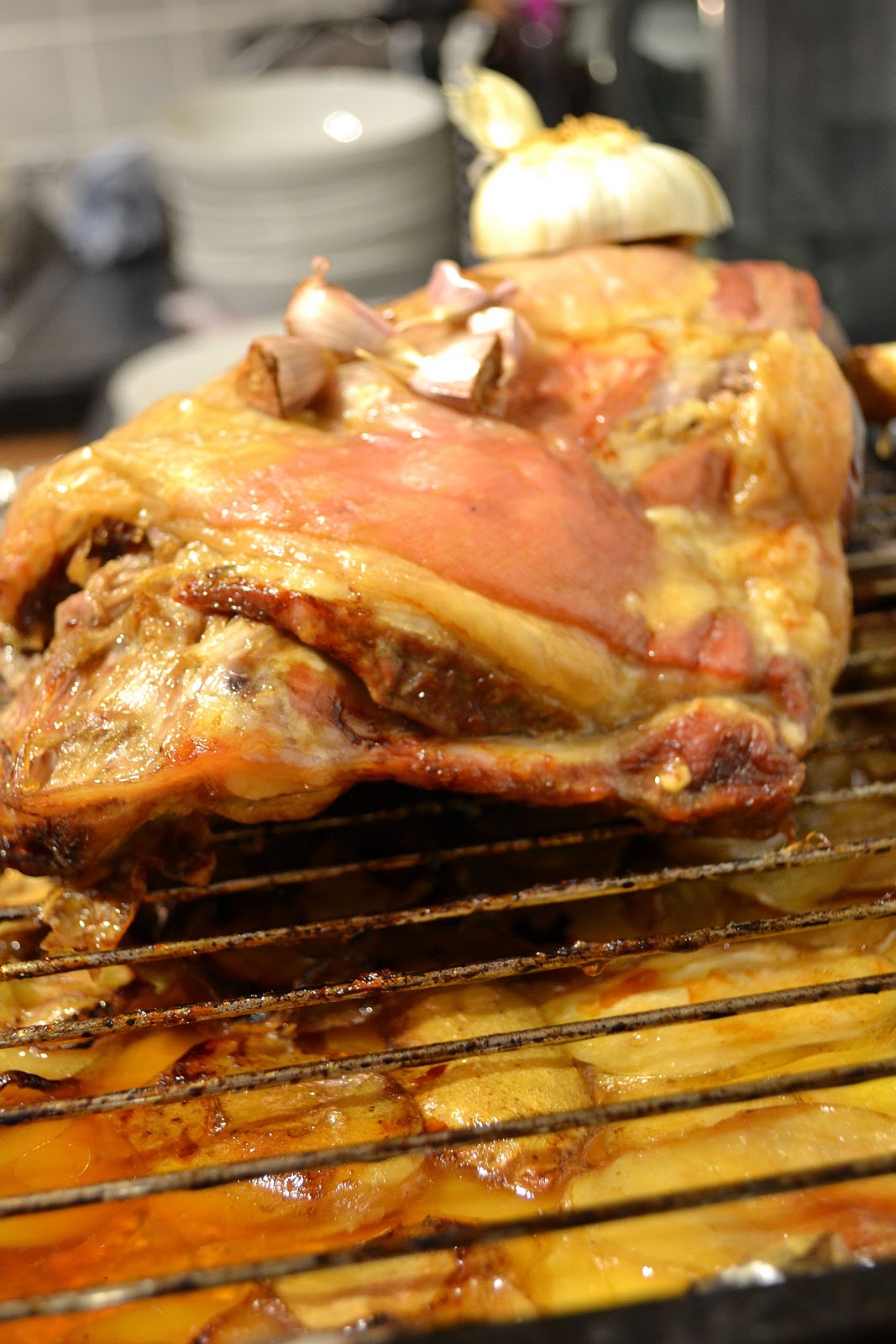
When I was at the Welsh Lamb lunch at Odette’s I was busy chatting away, when I heard a little sizzle behind me. I turned around, and Bryn Williams was standing there holding a huge roasting tray with two lamb shoulders on the rack, and sliced potatoes underneath it. “If anyone says they can’t cook,” he said “I’d challenge them on this one.”
The lamb was slow roasted and as it cooked, the fat melted and dripped onto the potatoes below, giving them a really sweet, lamby flavour. He told us, briefly, how to make this dish, and then we all headed home. A couple of hours later, I’m sitting on the train thinking of nothing else but this lamb dish. And so I decided that I would make it at home as soon as I got the chance.
I’m not trying to pass this off as my recipe in any way – I just followed the instructions Bryn had given us. And it was so amazingly good, even when I made it at home, that I wanted you to know how it’s done, so that you can make it too.
Obviously Welsh lamb is at its most flavoursome at the moment and it would make a great choice for this. I talked about the reasons Bryn and many other people prefer Welsh lamb in my previous post, so I won’t repeat it here, but do go and have a look if you haven’t already.
Lining the bottom of the roasting tray with foil before you layer in the sliced potato will save you quite a bit of hardcore scrubbing while you’re washing up, so there’s a good tip. Also, I bought a whole shoulder of lamb for just under £8 – and despite all four of us going up for seconds, we had LOADS left over, so it’s quite economical. The shoulder needs long, slow cooking because it’s one of the muscles that does all the work (especially clambering up those Welsh hills!) but when it’s cooked, you’ll be able to scrape the meat off the bone with a fork and spoon, it’ll be so tender.
Bryn served his with a minted little gem salad but we had ours with some lightly cooked carrots tossed in butter and some mint sauce on the side. If you have any thyme sprigs you could scatter those on top too, but I didn’t, so I made it without! Here’s how you do it:
Slow Roasted Whole Shoulder of Lamb with Potatoes
Ingredients
Method
The lamb was slow roasted and as it cooked, the fat melted and dripped onto the potatoes below, giving them a really sweet, lamby flavour. He told us, briefly, how to make this dish, and then we all headed home. A couple of hours later, I’m sitting on the train thinking of nothing else but this lamb dish. And so I decided that I would make it at home as soon as I got the chance.
I’m not trying to pass this off as my recipe in any way – I just followed the instructions Bryn had given us. And it was so amazingly good, even when I made it at home, that I wanted you to know how it’s done, so that you can make it too.
Obviously Welsh lamb is at its most flavoursome at the moment and it would make a great choice for this. I talked about the reasons Bryn and many other people prefer Welsh lamb in my previous post, so I won’t repeat it here, but do go and have a look if you haven’t already.
Lining the bottom of the roasting tray with foil before you layer in the sliced potato will save you quite a bit of hardcore scrubbing while you’re washing up, so there’s a good tip. Also, I bought a whole shoulder of lamb for just under £8 – and despite all four of us going up for seconds, we had LOADS left over, so it’s quite economical. The shoulder needs long, slow cooking because it’s one of the muscles that does all the work (especially clambering up those Welsh hills!) but when it’s cooked, you’ll be able to scrape the meat off the bone with a fork and spoon, it’ll be so tender.
Bryn served his with a minted little gem salad but we had ours with some lightly cooked carrots tossed in butter and some mint sauce on the side. If you have any thyme sprigs you could scatter those on top too, but I didn’t, so I made it without! Here’s how you do it:
Slow Roasted Whole Shoulder of Lamb with Potatoes
Ingredients
- 1 x whole shoulder of lamb – preferably Welsh lamb
- Approx. 500g waxy potatoes – I used Charlotte potatoes
- A head of garlic
- Chicken stock, approx 1-2 pints
Method
- Preheat your oven to 120C.
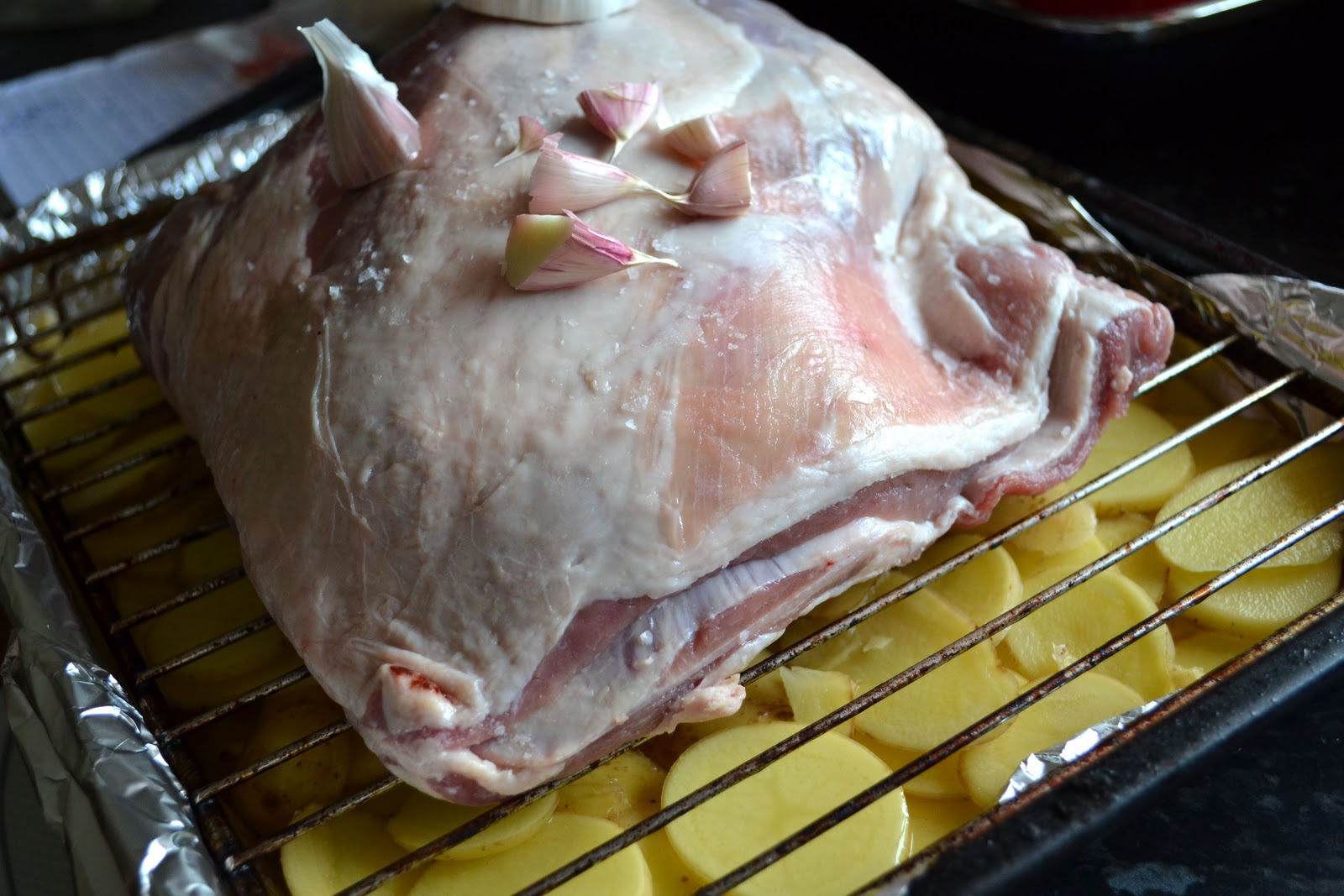
- Line a roasting tray with foil, just so it makes it easier to clean up afterwards. Slice the potatoes (I didn’t bother to peel them) quite thinly with a processor or mandolin so that they are all a uniform thickness, and layer them in the bottom of the roasting tray. Keep going until you have about 4 or 5 layers.
- Pour over the chicken stock until it just covers the potatoes – but only just.
- Place the rack on top and then sit the lamb on top of that.
- Halve your bulb of garlic and put that on top of the lamb. Sprinkle with a little salt and pepper and slide it carefully (it will be heavy!) into the preheated oven.
- Leave for about 4-5 hours.
- When the dish is ready, the lamb will be tender and the potatoes underneath soft and full of flavour. A perfect, cold-weather dish. Bet you’ll go and get seconds!
Posted by
Jo Romero
at
20:08
Email ThisBlogThis!Share to TwitterShare to FacebookShare to Pinterest
Links to this post
Labels:
meat,
slow-roast
| Reactions: |
Saturday, 26 November 2011
Onions and Crying
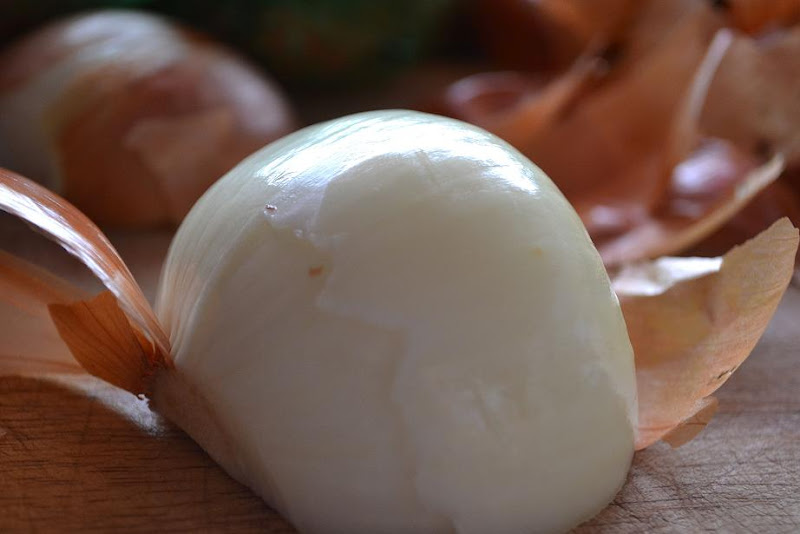
Onions. They’re in just about every savoury recipe I have and so you’d think I’d be used to them, but as soon as I’ve pierced through that rusty, papery skin my eyes start to water and I end up rocking an Alice Cooper/melted mascara look.
I’ve tried everything. Cutting them in water, holding my breath, squinting (not advisable with a sharp knife in your hand) and standing as far away as I can from the chopping board while I cut. I’ve even tried Jamie Oliver’s way of trying to keep the root intact until the last minute and positioning the cut halves white-side down on the board, which they reckon reduces tear-jerking. Except it doesn’t, at least with me. I’ve even started chopping them in a processor, but as soon as I lift the lid and the kitchen’s full of that pungent smell, I’m off again.
Which is why I am reaching out to you lovely readers… how on earth do you cut onions without crying? Let me know on the Facebook page, Twitter or in the comments below!
I’ve tried everything. Cutting them in water, holding my breath, squinting (not advisable with a sharp knife in your hand) and standing as far away as I can from the chopping board while I cut. I’ve even tried Jamie Oliver’s way of trying to keep the root intact until the last minute and positioning the cut halves white-side down on the board, which they reckon reduces tear-jerking. Except it doesn’t, at least with me. I’ve even started chopping them in a processor, but as soon as I lift the lid and the kitchen’s full of that pungent smell, I’m off again.
Posted by
Jo Romero
at
07:30
Email ThisBlogThis!Share to TwitterShare to FacebookShare to Pinterest
Links to this post
Labels:
comfort food science
| Reactions: |
Thursday, 24 November 2011
Jamie Oliver’s Brisket from Jamie’s Great Britain
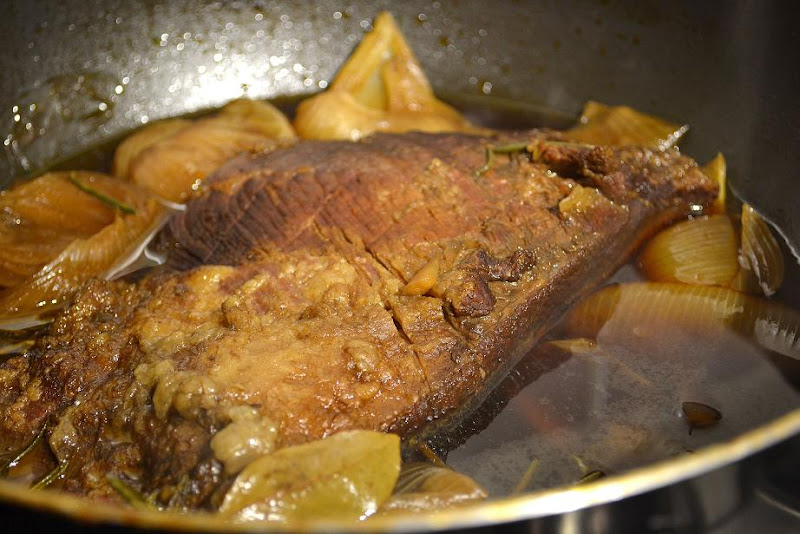
There were a few moments from the TV series of Jamie’s Great Britain that had me open-mouthed and almost dribbling, mesmerised by the screen. One was the Will and Kate pie, another was the smoked trout pate. I haven’t actually seen Jamie cook this recipe, but I had another of those moments when I opened the book on that page. It’s called Worcestershire Beef Sarnie, on page 280 of the book, and it consists of an unrolled joint of brisket that’s simmered for around three hours in an entire bottle of Worcestershire sauce, a splash of water and some veg and herbs.
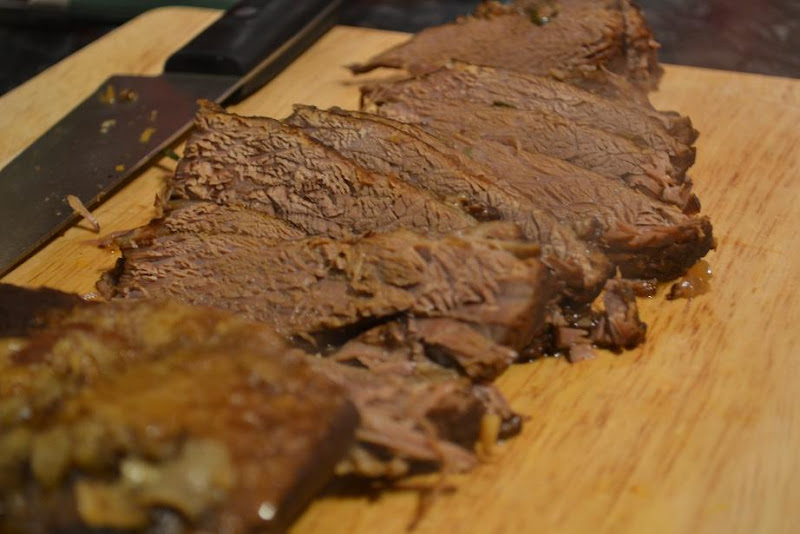
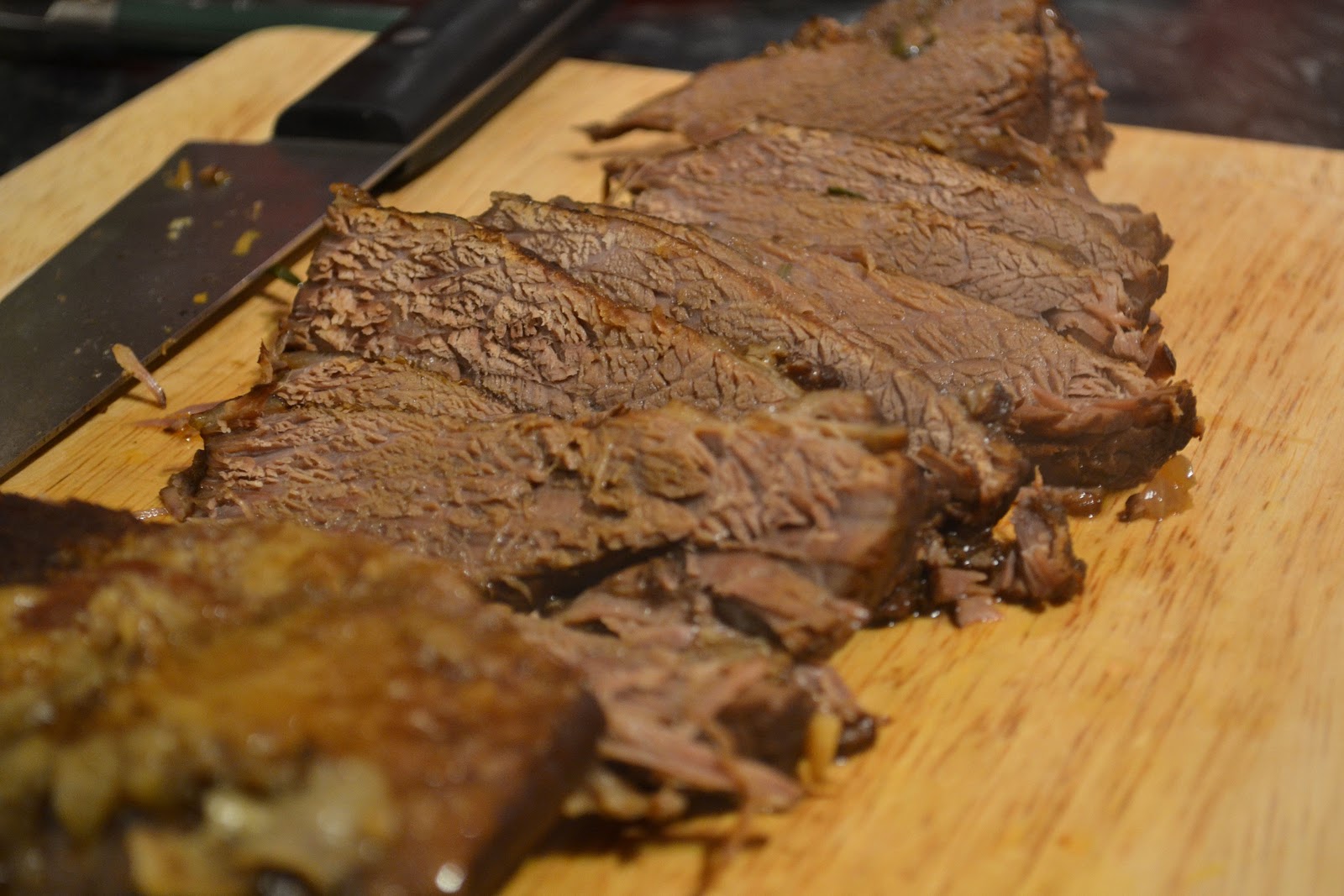
It was easy, taking only about five minutes (or less) to put together, and I left it simmering on the hob for two and a half hours, to come back to meltingly tender beef, soft, sweet onions and a robust dark gravy. It wasn’t quite falling apart – I wanted to slice it – but if you like beef to melt then cook it for 4-5 hours instead.
The cooking liquid gave the outside of the meat a really dark colour and a flavour that wasn’t as spicy as I had thought it was going to be. Jamie says to serve this in a sandwich, which is really low effort, but we had ours with chips and vegetables along with the gravy. I decided, while I was tucking in, that if I had a lot of people to feed and I was doing a Sunday lunch, I would make this and have it with roast potatoes, Yorkshire puds and gravy. The brisket was cheap – I picked up an 800g joint of it for just over £5. And it fed four of us, and made three generously-filled sandwiches for packed lunches the next day. You really do get your money’s worth with a cut of meat like this.
As for the broth that’s made while your beef is cooking, don’t waste it. I managed to drain off a mugful and it’s in the fridge waiting for me to cook a beef stew with dumplings later in the week. I’ve had mixed success with recipes from the new Jamie Oliver book (more on that here), but this one ticks all the boxes. For economy, flavour and ease – I’d choose this for Sunday lunch in a flash.
It was easy, taking only about five minutes (or less) to put together, and I left it simmering on the hob for two and a half hours, to come back to meltingly tender beef, soft, sweet onions and a robust dark gravy. It wasn’t quite falling apart – I wanted to slice it – but if you like beef to melt then cook it for 4-5 hours instead.
The cooking liquid gave the outside of the meat a really dark colour and a flavour that wasn’t as spicy as I had thought it was going to be. Jamie says to serve this in a sandwich, which is really low effort, but we had ours with chips and vegetables along with the gravy. I decided, while I was tucking in, that if I had a lot of people to feed and I was doing a Sunday lunch, I would make this and have it with roast potatoes, Yorkshire puds and gravy. The brisket was cheap – I picked up an 800g joint of it for just over £5. And it fed four of us, and made three generously-filled sandwiches for packed lunches the next day. You really do get your money’s worth with a cut of meat like this.
As for the broth that’s made while your beef is cooking, don’t waste it. I managed to drain off a mugful and it’s in the fridge waiting for me to cook a beef stew with dumplings later in the week. I’ve had mixed success with recipes from the new Jamie Oliver book (more on that here), but this one ticks all the boxes. For economy, flavour and ease – I’d choose this for Sunday lunch in a flash.
Posted by
Jo Romero
at
07:30
Email ThisBlogThis!Share to TwitterShare to FacebookShare to Pinterest
Links to this post
Labels:
jamie oliver,
meat,
slow-roast
| Reactions: |
Tuesday, 22 November 2011
The Free From Food Festival 25th-27th November 2011
![]() |
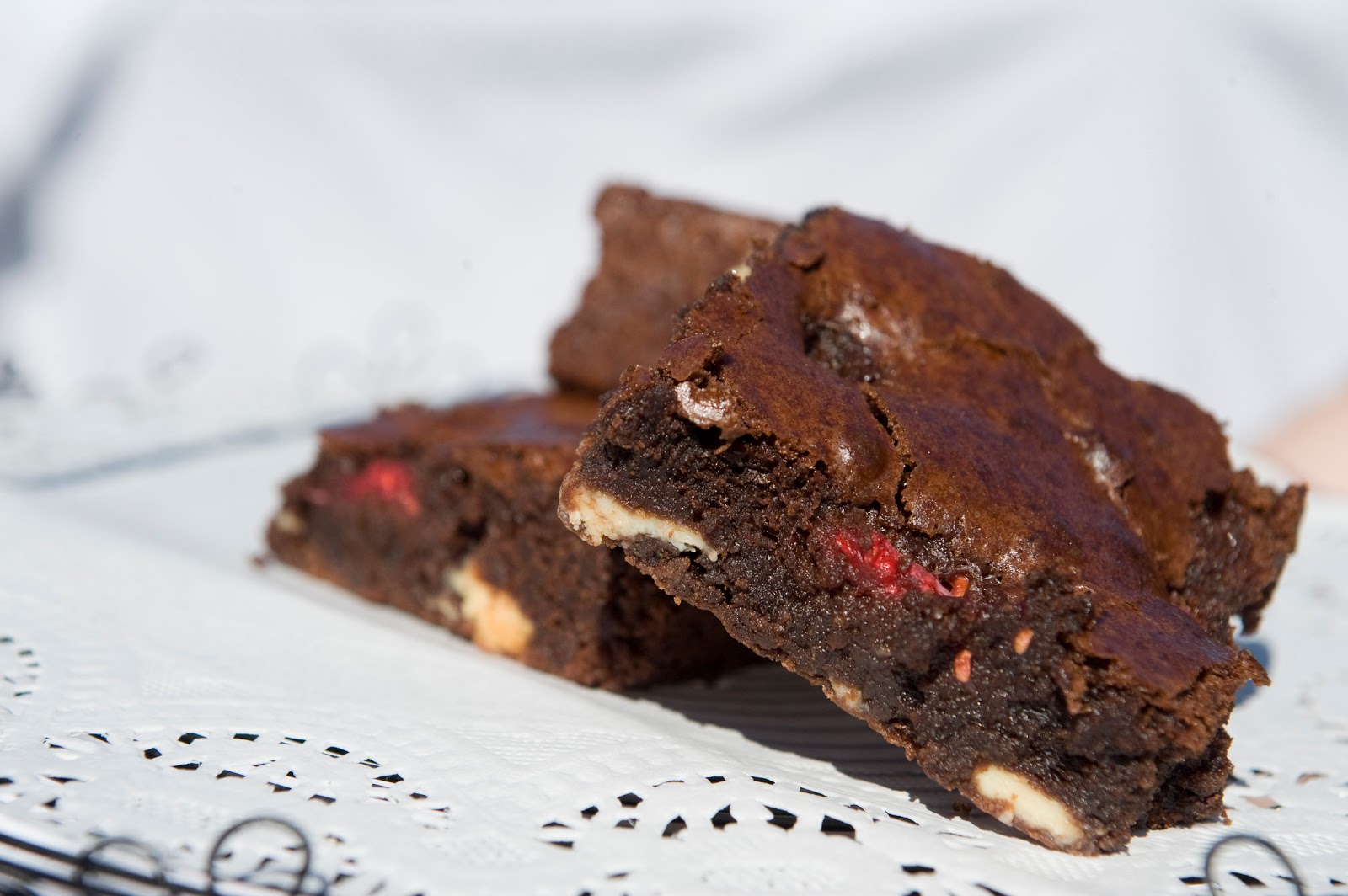
| White Chocolate and Raspberry Brownies |
Just wanted to let you know (if you hadn’t already) about the Free From Food Festival taking place between 25th-27th November 2011 at the Southbank Centre in London. Admission is free, and the festival is dedicated to ‘Free From products’.
The ‘free from’ range is targeted at those who choose to eat foods that don’t contain gluten, wheat, dairy, sugar and eggs. Obviously anyone can enjoy these foods, and a number of demonstrations and tastings will be going on at the festival too.
More information can be found on the Southbank Centre website. Whether you’re going for Christmas present shopping, general stocking up, or just out of pure curiosity, I hope you have fun!
Posted by
Jo Romero
at
09:18
Email ThisBlogThis!Share to TwitterShare to FacebookShare to Pinterest
Links to this post
Labels:
food festivals
| Reactions: |
Sunday, 20 November 2011
Christmas Rolls
So I was flicking through January’s Good Food magazine and came across a Paul Hollywood section on excellent things to bake for Christmas time. There was a lovely marzipan twist, and some little Christmas buns. The thing is, I love marzipan and quite fancied baking it into some swirling buns, full of the flavours of this time of year: cinnamon, rum, dried fruits. What I really wanted was a cross between the two breads. So, boosted by the success of the recent Cinnamon and Apple Rolls, I pottered about a bit in the kitchen and made it! Make them now, to start the festivities early or make them up later, and give away as presents. I love them warm, straight from the oven.
Christmas Rolls
Makes about 15-16
Ingredients
For the dough:
Christmas Rolls
Makes about 15-16
Ingredients
For the dough:
- 500g strong white bread flour, plus more for rolling out and kneading
- 1 tsp salt
- 7g sachet fast-action yeast
- 300ml milk
- 25g butter, unsalted
- couple handfuls dried apricots (about 16)
- 20ml dark rum
- 2 tablespoons butter, melted
- 2 tablespoons soft brown sugar
- 8 tablespoons mincemeat, from a jar
- 100g marzipan
- icing sugar, to dust
- The night before you make this, put the dried apricots into a bowl and tip over the rum. Cover with clingfilm and leave overnight.
- When you’re ready to make the rolls, tip the flour into a large bowl with the salt. Mix gently. Heat the milk gently with the butter until the butter has just melted and the milky mixture is lukewarm. If it’s too hot, give it a few minutes to cool.
- Make a well in the centre of the flour and pour in the yeast. Add the milk and butter mixture and stir to make a soft dough. Once it comes together, tip out onto a floured surface and knead for 5-6 minutes, until elastic and no longer sticky.
- Place in a bowl, cover with clong film and leave to rise in a warm place (I tuck mine between towels in the airing cupboard) for about an hour.
- When the hour’s up, punch the dough a few times – it will shrink. Tip out onto a floured work surface and roll out to a rectangle about 1cm thick. Brush over the melted butter, and then scatter over the brown sugar.
- Roll out the marzipan and place patches of it all over the buttery sugary bread. Spoon over the mincemeat and spread it out right to the edges of the dough. Chop the rum-soaked apricots and scatter these over too.
- Starting with the longest edge, roll up the dough tightly to make a swiss roll shape. With a sharp knife, cut the dough into approx 2cm wide rounds, and place in a lined and buttered cake tin, baking dish or whatever you have handy. I managed to get 16 rounds with my dough – you might need two tins!
- Cover with a tea towel and leave to rise for 30 minutes more. Preheat your oven to 200C.
- Slide the buns very carefully into the oven, taking care not to slam your oven door and bake for 20 minutes, or until the buns are risen and golden.
- Leave to cool slightly and dust with some snowy icing sugar. Eat while still slightly warm.
Posted by
Jo Romero
at
08:00
Email ThisBlogThis!Share to TwitterShare to FacebookShare to Pinterest
Links to this post
Labels:
baking,
Christmas,
sweet cravings
| Reactions: |
Friday, 18 November 2011
Poor Knights of Windsor or Posh Eggy Bread
This is the English version of French Toast (‘pain perdu’), that’s supposed to have its origins in using up leftover stale bread, although I often go out and buy thick, sliced white bread specially so I can make this. I’m not sure what it has to do with Windsor, or knights in shining armour come to think of it, but one taste of this and I was hooked.
I’ve made eggy bread plain or with jam in the middle, and also sometimes filled with cheese, but I was drawn to the recipe on the Good Food website, where eggy sandwich is filled with sweetened soft cheese and blackberry compote. I adapted it to make the soft cheese less sweet; a certain sharpness is important here I think, to counter all that sweet jam and vanilla. And as many of us don’t normally have a jar of blackberry compote loitering in the cupboards, you can use whatever jam you do have.
There are recipes involving toast that go back to the seventeenth century at least, and the Poor Knights of Windsor was actually a movement created by King Edward III in the 1300s. While it’s romantic to think of ageing knights in their gleaming armour eating this, if we’re really honest no one knows where the name came from. One thing’s for sure though, there’s nothing poor or inadequate about this pudding. I love how the jam ripples with the soft cheese as you eat. And this is the eggy bread version of one of those raspberry splits with synthetic cream. It tastes just like it.
Poor Knights of Windsor
Serves one
Ingredients
Method
I’ve made eggy bread plain or with jam in the middle, and also sometimes filled with cheese, but I was drawn to the recipe on the Good Food website, where eggy sandwich is filled with sweetened soft cheese and blackberry compote. I adapted it to make the soft cheese less sweet; a certain sharpness is important here I think, to counter all that sweet jam and vanilla. And as many of us don’t normally have a jar of blackberry compote loitering in the cupboards, you can use whatever jam you do have.
There are recipes involving toast that go back to the seventeenth century at least, and the Poor Knights of Windsor was actually a movement created by King Edward III in the 1300s. While it’s romantic to think of ageing knights in their gleaming armour eating this, if we’re really honest no one knows where the name came from. One thing’s for sure though, there’s nothing poor or inadequate about this pudding. I love how the jam ripples with the soft cheese as you eat. And this is the eggy bread version of one of those raspberry splits with synthetic cream. It tastes just like it.
Poor Knights of Windsor
Serves one
Ingredients
- 1 egg
- 1 tablespoon caster sugar
- half a teaspoon vanilla extract
- about a tablespoon of milk
- 2 heaped tablespoons soft cheese
- 1 tablespoon of icing sugar
- 1 tablespoon of your favourite jam
- 2 slices thickly sliced white bread
- generous knob of butter
Method
- Beat the egg in a wide, shallow bowl and tip in the vanilla extract, caster sugar and the milk. Stir to mix everything together.
- Beat the soft cheese and icing sugar in a bowl until blended and spread this mixture over one of the slices of bread. You’ll end up with quite a thick layer, but this is desirable.
- Spread the jam (I used raspberry jam) over the other slice.
- Sandwich the two slices together and dip into the egg mixture. Leave for just a few seconds and turn it over so the other side is equally dunked.
- Melt the butter in a frying pan until foaming. Fry the sandwich, turning gently, until browned on both sides and hot.
- Eat immediately. For breakfast, lunch or for pudding.
Posted by
Jo Romero
at
09:30
Email ThisBlogThis!Share to TwitterShare to FacebookShare to Pinterest
Links to this post
Labels:
sweet cravings,
tea break
| Reactions: |
Wednesday, 16 November 2011
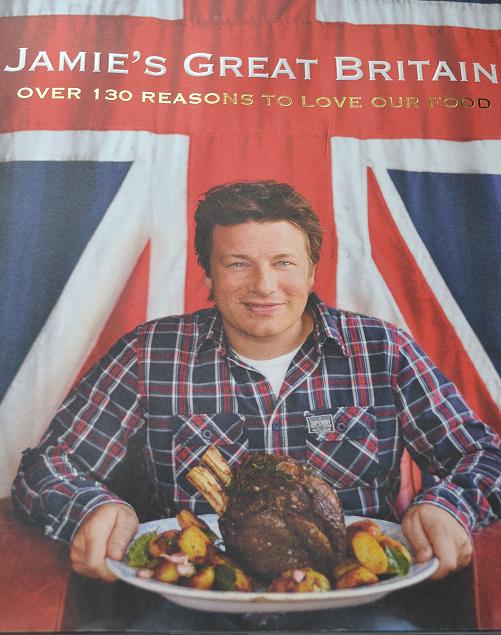
Review of Jamie’s Great Britain
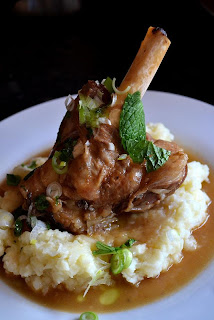
Everyone gets excited about cookery programmes – but I’m sure that some TV cookery series are just an advert for the book that inevitably comes out with it. And I’m a sucker for it. I saw Jamie wolfing down smoked trout paté smeared onto mini Yorkshire puddings, knocking up meltingly tender lamb shanks with a thick, rich gravy and barbecueing fish on the seafront. Jamie eats. He winks. He sneaks in a double-meaning or two. It’s funny, clever, indulgent, cheeky and, at times, saucy.
So, fuelled by all this – and with the knowledge that Jamie was conceived at the end of Southend pier (he kept on about that a bit, didn’t he?) I went out and bought the book. To save on a carrier bag, I tucked my new cookbook under my arm and went about my business in town. Everyone that passed me made conversation about it – the lady in the clothes shop, the bloke on his lunch break – even the cheeky bus driver (“what are you cookin’ tonight, then love?”). This is the effect that Jamie has on people. He’s loved by the British public and hailed by some a hero – for transforming school dinners, teaching many of us how to cook and for his raw, down to earth approach to food.
Jamie’s written books on Spain, Italy and America – and at first it seems a shame that it’s taken him so long to write a book about his native Britain, a fact that he confronts in the introduction to the book. He says that it “has been a long time coming”. But in a way, that’s good. Jamie says that he sees Britain differently as he used to: “I’m not a teenager any more. I’m a father with four kids and a different perspective on my own country, and it’s definitely one that I’m proud to share with you here.”
![]() |
| Lamb shank cooked in Guinness on Celeriac mash |
When I first heard about it, I expected the book to be a collection of stodgy suet puddings, stewed meats and different takes on fish and chips. But it’s nothing like that. It praises the influences this country has had over the thousands of years of immigration that has happened within it. Jamie takes the food cooked all over Britain by the Jewish, Indian and Chinese communities for example, and creates recipes of his own in homage to them. There are recipes from Scotland, Wales, Ireland and England as you’d expect – and it is great to see this as a celebration of what British food means today.
![]() |
| Jamie’e smoked trout and horseradish paté |
The book has photographs of every recipe, which I always love because it helps you decide what to cook and shows you what the finished dish should at least resemble in the end. The overall feeling of the book is fun – yes, there are images of the royal family and the Union Jack peppered about inside it – but there’s nothing stuffy or superior about it.
I’ve had a go at some of the recipes in Jamie’s Great Britain, and have had mixed success with them, although I’m not sure if that’s me or the recipe itself. I made the Guinness Lamb Shanks (p264) but my gravy came out thin and a bit watery – nothing like the thick, rich sauce it should have been. I made the Velvety Chocolate Pots (p370) – the texture was perfect but they were just too sweet. Again, maybe it was the type of chocolate I’d used (the recipe uses milk chocolate and added sugar) or just personal taste. But then each time this happens you know the changes you would make next time, to suit yourself.
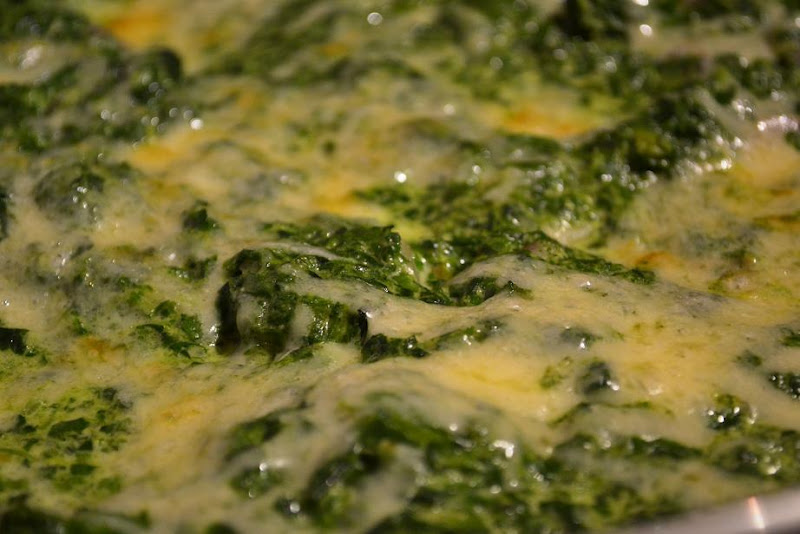
| Jamie’s baked creamed spinach |
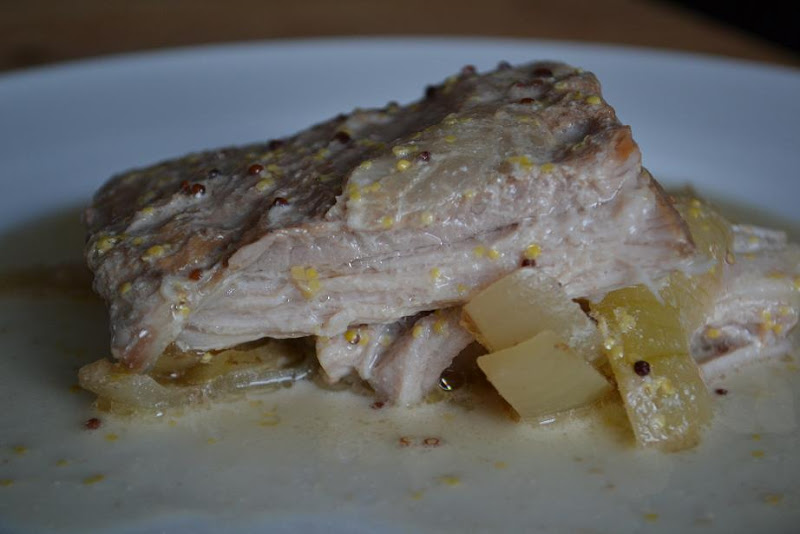
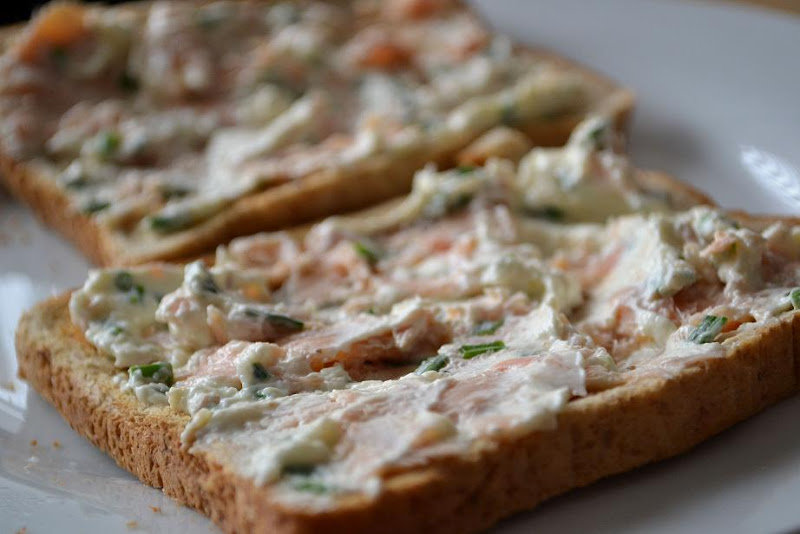
In addition, I’ve made the Crackled Pork Belly (p274), Worcestershire Beef Sarnie (p280), Baked Creamed Spinach (p336), Creamy Smoked Trout and Horseradish Paté (p108) and the Happy Fish Pie (p130). And they’ve all been completely lush.
Jamie’s Great Britain is a modern and up to date look at the foods that are being produced and enjoyed in Britain and it makes you realise we have so much to be proud of. The book is full of hearty meals that you’d cook any day of the week, by making the most of what British Food means to us now. And for that reason it’s bound to be another Christmas best-seller for Jamie.
(All the photos on this page are my own, that I took after following the recipes.)
Have you cooked from the book? And what did you think of the TV series?
Posted by
Jo Romero
at
13:36
Email ThisBlogThis!Share to TwitterShare to FacebookShare to Pinterest
Links to this post
Labels:
book reviews,
jamie oliver
| Reactions: |
Tuesday, 15 November 2011
Patak’s Biryani Sauces: Mild and Fruity and Medium
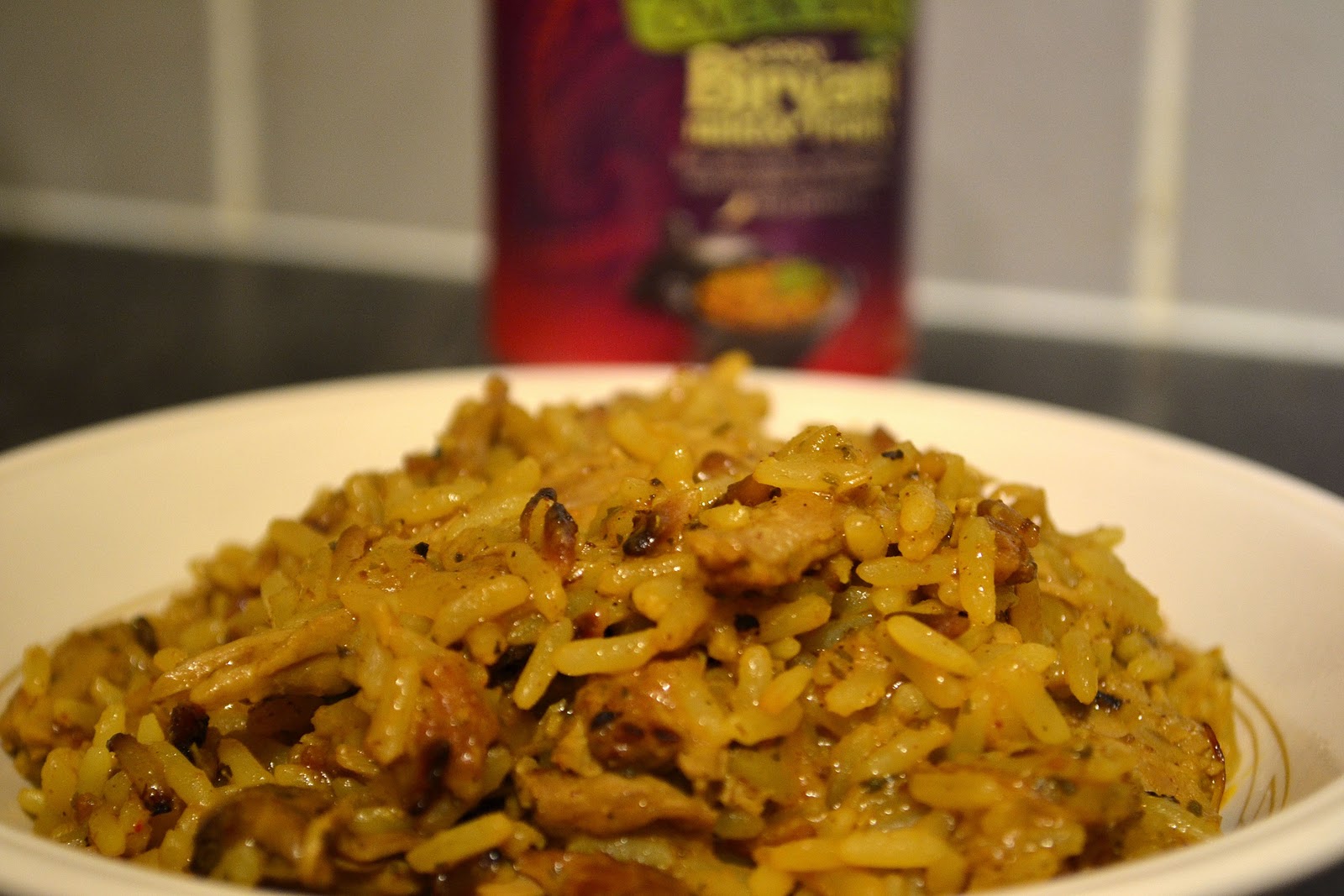
OK. So as someone who makes most of my curries now from scratch, I was orginally quite sceptical when asked if I wanted to review a jar of Patak’s Biryani sauce. And it sat, on the kitchen worktop for a few days, teasing me, before I ended up using it in a mad panic one night. I’d been waiting around at parents’ evening at school, got home late and everyone needed feeding – and fast. The label on the jar promised dinner in 30 minutes. So I tipped it in and wished for the best.
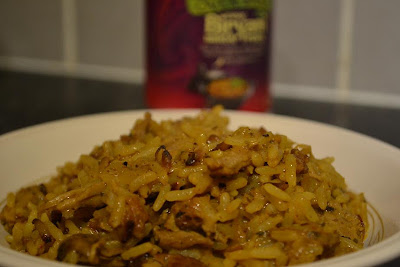
I had loads of shredded leftover lamb from the slow-roasted lamb shoulder we’d had two nights before, so I chucked that in along with the rice and water, gave it a stir, put on the lid and left it alone for 30 minutes. The smell while this was cooking was amazing. Really aromatic and sweet – and this was the ‘mild and fruity’ sauce. I took it out of the oven for a quick stir about half way through, and as was expected, it had caramelised a little on the bottom. So I scraped up the rice, stirred it through and left it again. But all the caramelisation had given it extra flavour.
As you know, I’m all for using quick-fix sauces if they’re up to the job and taste really authentic. And as I make all my curries from scratch now, that’s why I was uncertain about it. But to have dinner on the table in just a little less than 30 minutes, and also as it looked after itself while it was in the oven, we decided we would definitely have this again. The only thing I noticed was that there were sultanas in it and everyone here normally complains about fruit in savoury foods. But I said nothing and no one uttered a word. I think they just blend in really well and create an extra sweetness. And we loved the flavour of this sauce, especially with the lamb.
A few days later I bought the next spice-level up: the ‘Medium’ biryani sauce. The flavours were great – really aromatic – but we found it a bit too spicy to be honest, considering it was labelled ‘medium’. I’d expected a little hum, but we feel it went way past that, which is good if you like spice, but not so good if you have hungry little mouths to feed, too. I also threw in some frozen peas for colour and that worked really well, too.
We ate our biryanis with lamb and then chicken, but you could use vegetables or other meats. We loved them – especially the Mild and Fruity variety – and we’ll be eating it again.
I had loads of shredded leftover lamb from the slow-roasted lamb shoulder we’d had two nights before, so I chucked that in along with the rice and water, gave it a stir, put on the lid and left it alone for 30 minutes. The smell while this was cooking was amazing. Really aromatic and sweet – and this was the ‘mild and fruity’ sauce. I took it out of the oven for a quick stir about half way through, and as was expected, it had caramelised a little on the bottom. So I scraped up the rice, stirred it through and left it again. But all the caramelisation had given it extra flavour.
As you know, I’m all for using quick-fix sauces if they’re up to the job and taste really authentic. And as I make all my curries from scratch now, that’s why I was uncertain about it. But to have dinner on the table in just a little less than 30 minutes, and also as it looked after itself while it was in the oven, we decided we would definitely have this again. The only thing I noticed was that there were sultanas in it and everyone here normally complains about fruit in savoury foods. But I said nothing and no one uttered a word. I think they just blend in really well and create an extra sweetness. And we loved the flavour of this sauce, especially with the lamb.
A few days later I bought the next spice-level up: the ‘Medium’ biryani sauce. The flavours were great – really aromatic – but we found it a bit too spicy to be honest, considering it was labelled ‘medium’. I’d expected a little hum, but we feel it went way past that, which is good if you like spice, but not so good if you have hungry little mouths to feed, too. I also threw in some frozen peas for colour and that worked really well, too.
We ate our biryanis with lamb and then chicken, but you could use vegetables or other meats. We loved them – especially the Mild and Fruity variety – and we’ll be eating it again.
Posted by
Jo Romero
at
15:00
Email ThisBlogThis!Share to TwitterShare to FacebookShare to Pinterest
Links to this post
Labels:
asian,
curry,
indian,
product reviews
| Reactions: |
Sunday, 13 November 2011
Nigella’s Chocolate and Espresso Cake
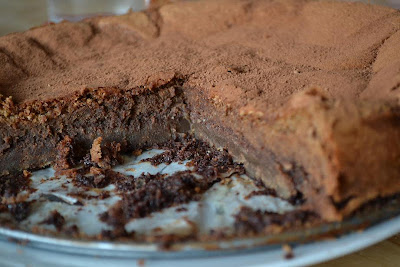
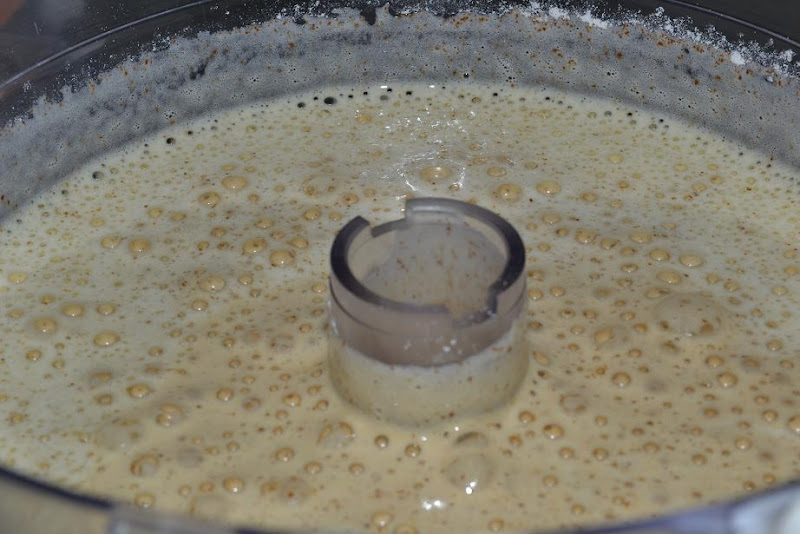
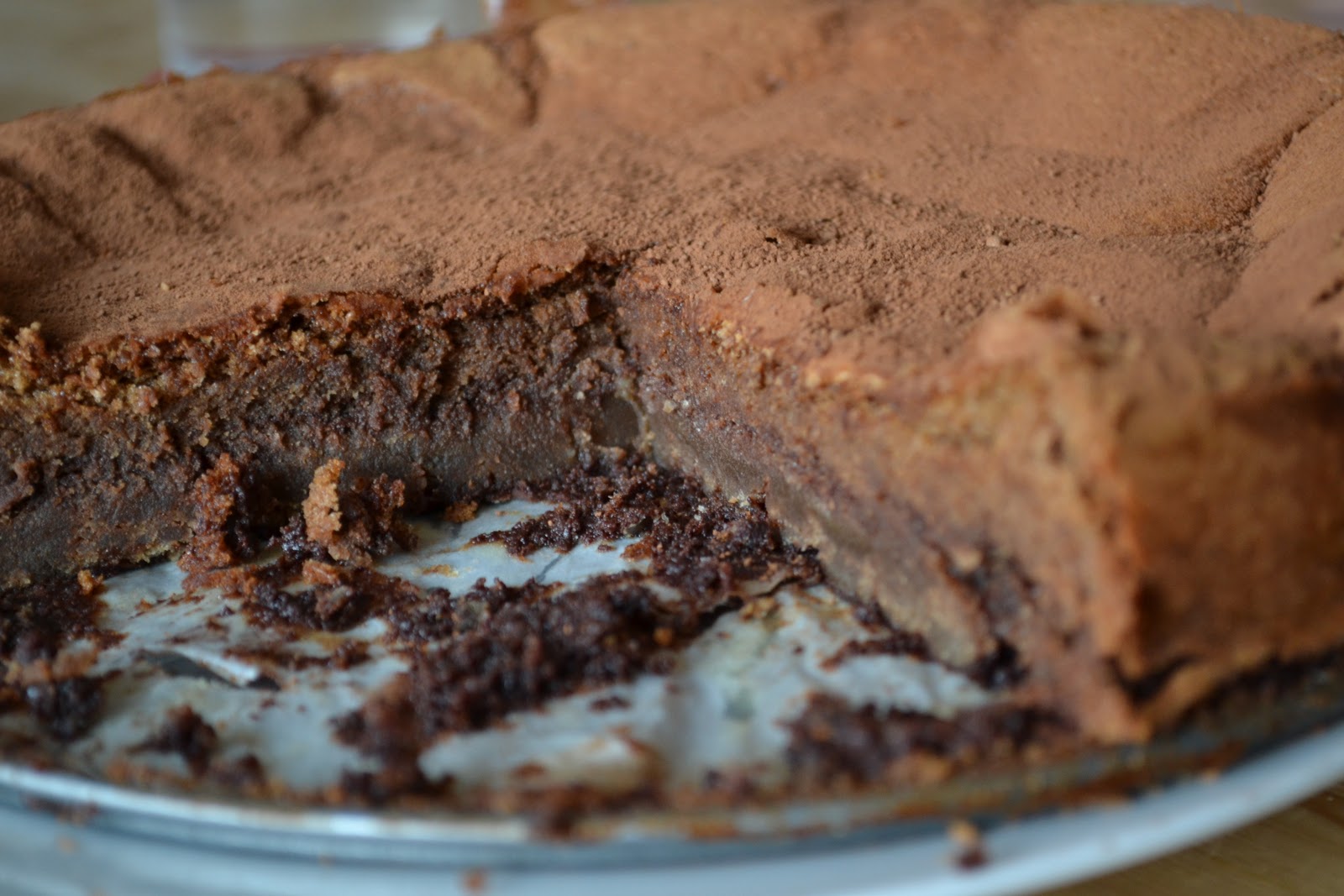
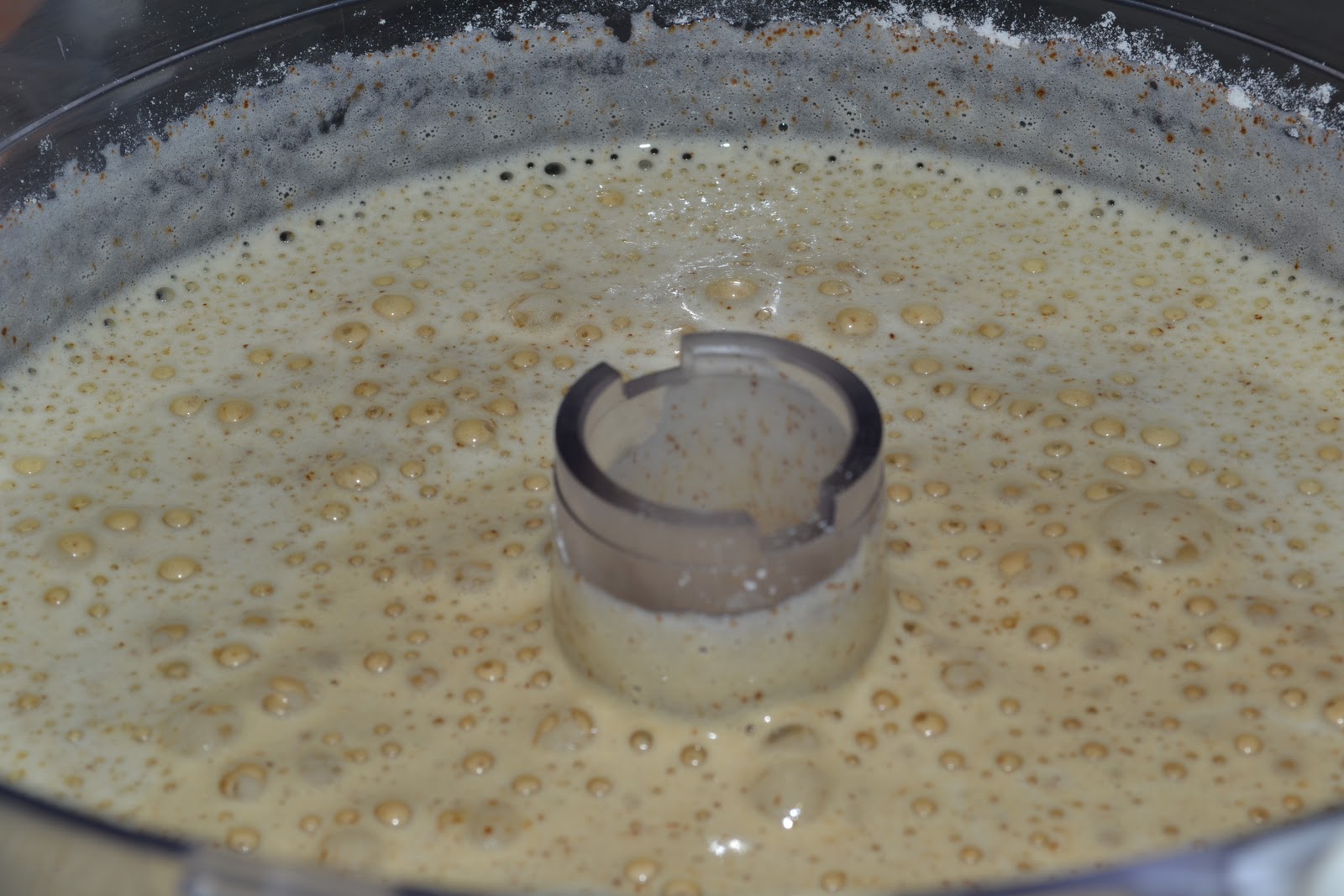
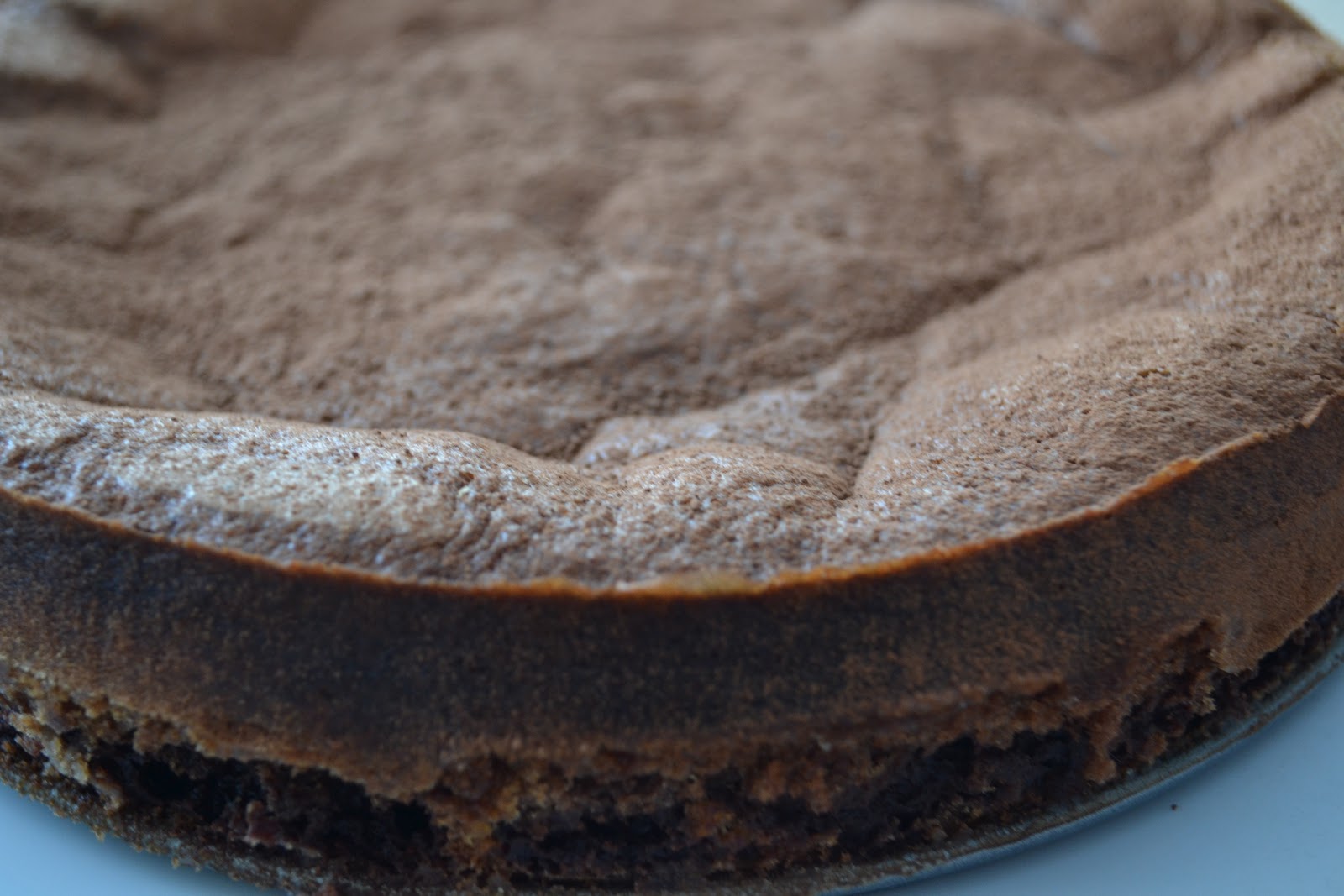
OK, OK… I was supposed to be giving up coffee. That is, until I saw this recipe in Nigella Lawson’s book Feast. It’s a chocolate and espresso rococoa cake that’s drizzled while hot with Tia Maria. I had to make it. It’s easy to put together – you just whizz all the ingredients in a processor until ‘moussey’, bake and then dribble with Tia Maria.
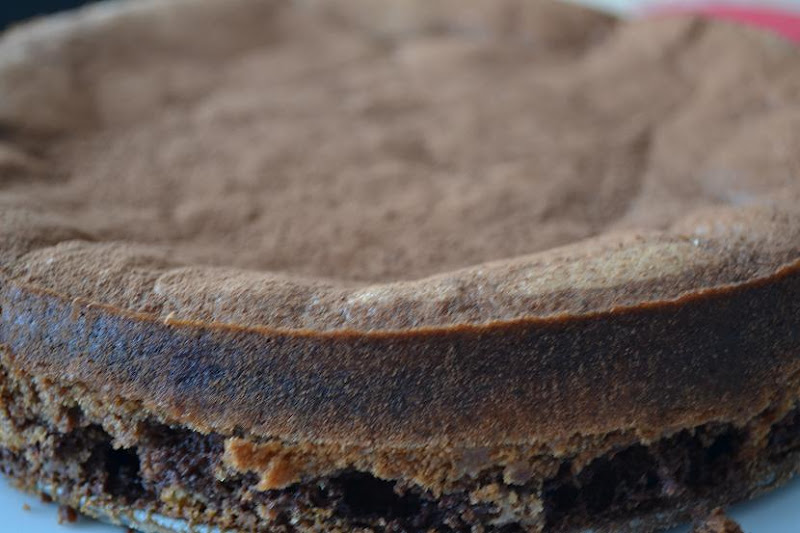
The cake contains a very tiny amount of flour, giving it the texture almost of a flourless cake. It’s rich, velvety and fudgy in the middle, crisp and meringue-like on the outside and because of this, it is really easy to eat. Each bite seems to dissolve in the mouth, with a rush of alcohol and powdery cocoa that’s dusted over at the end.
We loved it. A proper, grown-up chocolate cake. There’s also a ‘caffe latte’ cream that you can make up, with cream, white chocolate and espresso powder but we ate the cake as it was, without this. And seeing as I now have a whole bottle of Tia Maria sitting on my worktop, there’s no excuse really not to make it again. Did someone say Christmas Day? 😉
This recipe can be found on page 292 of Feast by Nigella Lawson, published by Chatto and Windus, 2006.
What do you think of cakes with little or no flour? Do you like them?
The cake contains a very tiny amount of flour, giving it the texture almost of a flourless cake. It’s rich, velvety and fudgy in the middle, crisp and meringue-like on the outside and because of this, it is really easy to eat. Each bite seems to dissolve in the mouth, with a rush of alcohol and powdery cocoa that’s dusted over at the end.
We loved it. A proper, grown-up chocolate cake. There’s also a ‘caffe latte’ cream that you can make up, with cream, white chocolate and espresso powder but we ate the cake as it was, without this. And seeing as I now have a whole bottle of Tia Maria sitting on my worktop, there’s no excuse really not to make it again. Did someone say Christmas Day? 😉
This recipe can be found on page 292 of Feast by Nigella Lawson, published by Chatto and Windus, 2006.
What do you think of cakes with little or no flour? Do you like them?
Friday, 11 November 2011
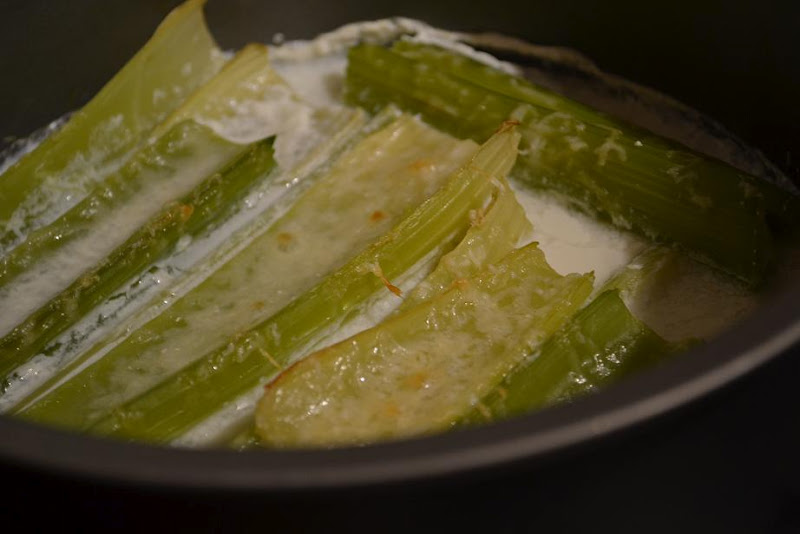
Baked Fenland Celery
We all
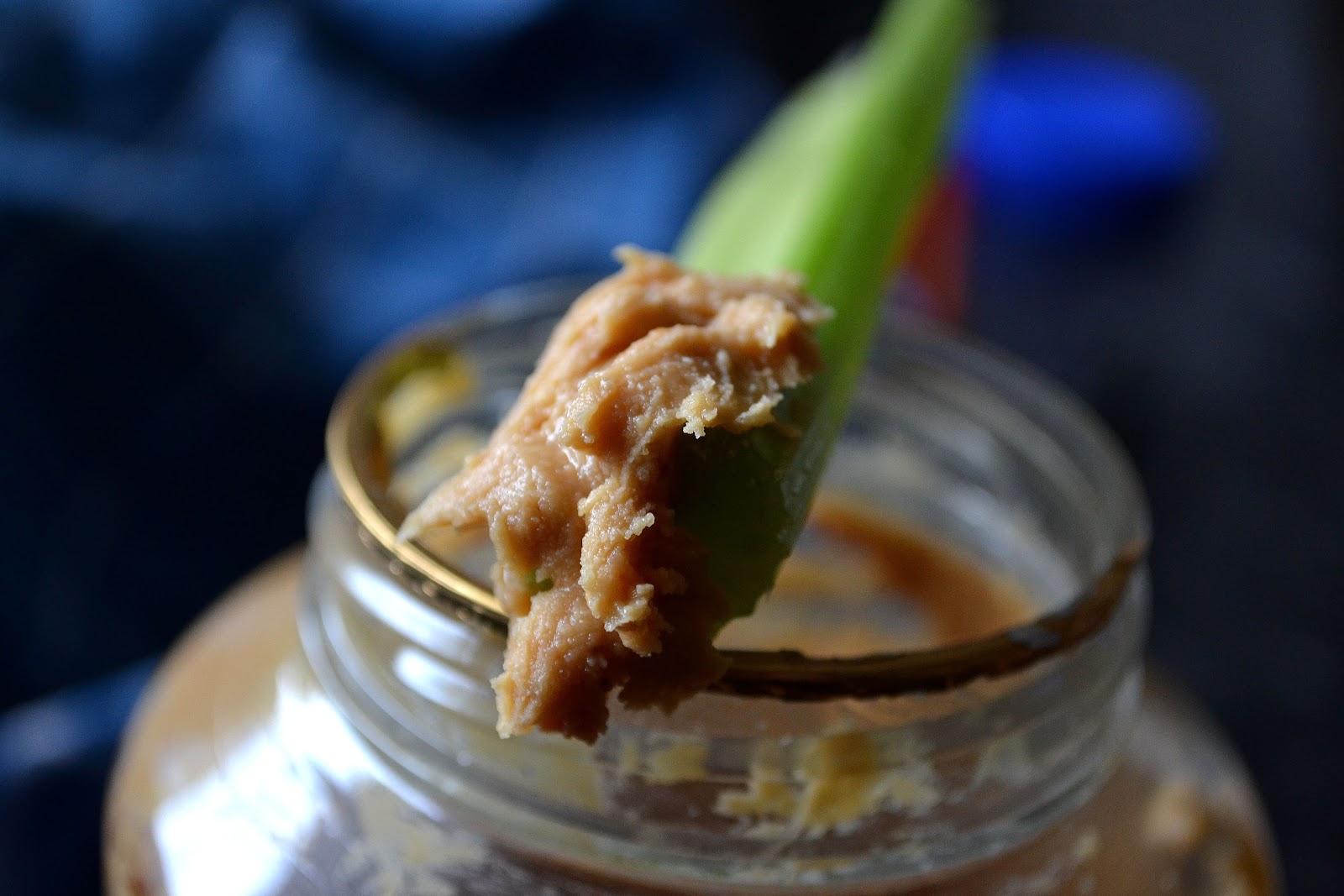
know celery as a snack, salad ingredient and slimming aid (the story goes that
you burn more calories eating a stick of celery than you take in, but I suspect
that doesn’t include the peanut butter dabbed on the end). 😉
But this
week has opened my eyes to the potential of this much-maligned vegetable. I
didn’t know, for example, that Fenland white celery was sweeter and less bitter
than its green counterpart, and is in season between October and December. I
also didn’t really know that you could cook it. Not just to enhance the flavour of stocks and Bolognese sauces, but as a dish in its own right.
Fenland
celery have even applied for PGI status.
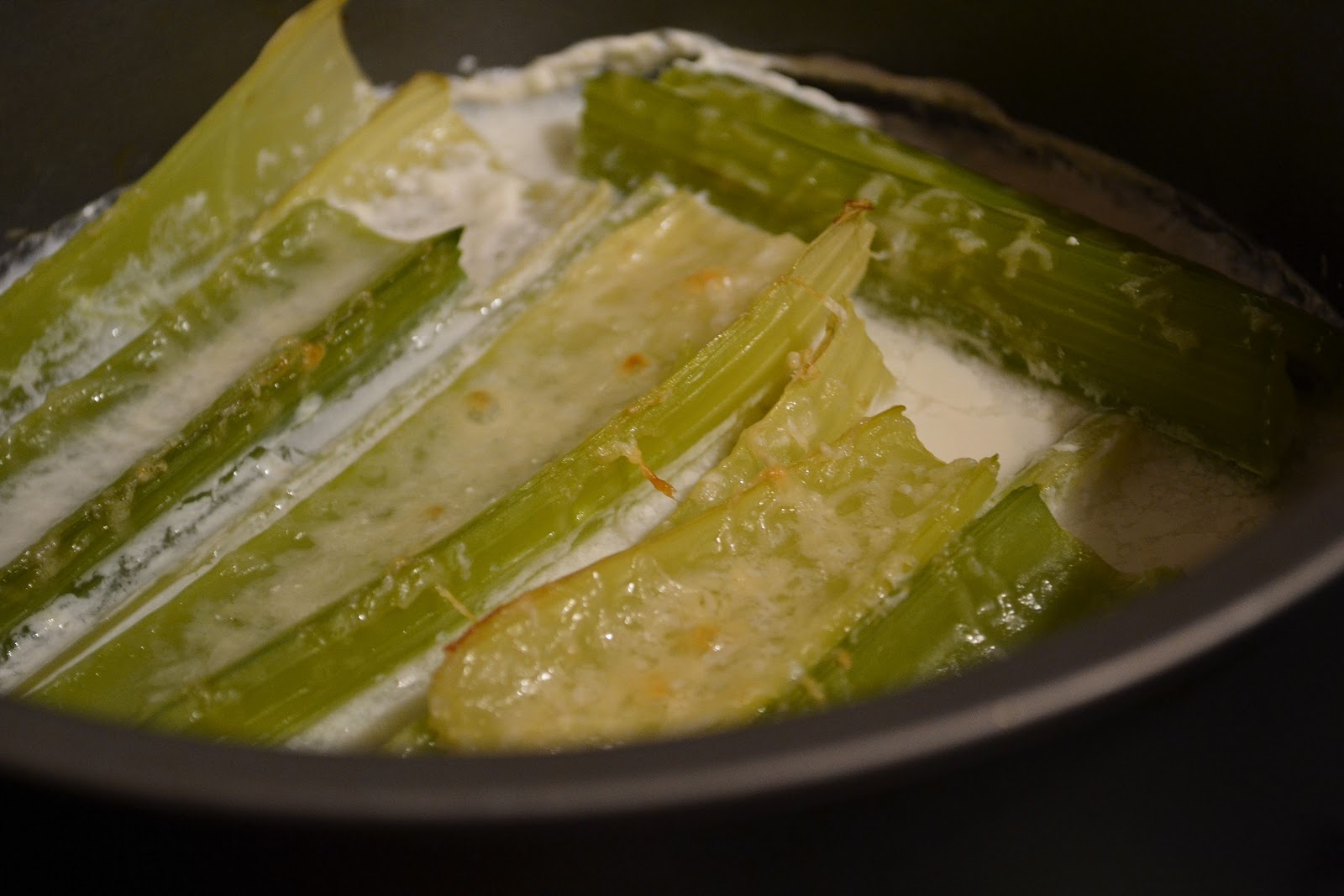
So I decided to bake the celery in a creamy sauce. It tasted sweet and kind of nutty.
Cooking the celery seems to take all the bitterness out of it, so you’re left
with a tasty cheesy side dish that would be great I think with some cooked ham
or roast chicken. Here’s how I did it:
Creamy
Baked Fenland Celery
Ingredients
- one celery root, washed and trimmed
- 5 black peppercorns
- 2 bay leaves
- one onion, peeled and sliced into 1cm thick rounds
- 50ml single cream
- handful Parmesan cheese, grated
Method
Preheat
your oven to 180C. Take your celery stalks and cut them in half, arranging them
in a medium-sized saucepan with the onion, bay leaves and peppercorns. Fill
with water to just cover the celery and simmer for about 15 minutes, or until
the celery is tender.
Once the
celery is cooked, drain it, reserving the cooking water but discarding the
peppercorns, bay leaves and onion slices.
Layer
the cooked celery into the bottom of an ovenproof dish.
Return
about 2 espresso cups worth of the cooking water to the pan and bring to the
boil. Pour in a swirl of cream and a pinch of salt. Pour this over the celery.
Scatter
over the Parmesan and bake in the oven for 15-20 minutes until the cheese has
melted and the top of the celery has started to turn slightly golden.
Posted by
Jo Romero
at
13:48
Email ThisBlogThis!Share to TwitterShare to FacebookShare to Pinterest
Links to this post
Labels:
veggies
| Reactions: |
Wednesday, 9 November 2011
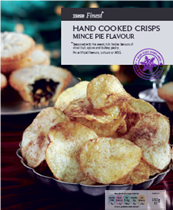
Tesco: Mince Pie Flavoured Crisps
This month sees the launch of the Mince Pie Flavoured Crisp, by Tesco. They boast that it’s the UK’s first sweet crisp, and it will be launched this winter as part of their Finest range.
The idea was inspired by Michelin-starred Dutch chef Hans Van Wolde, who developed Vanilla Salt flavoured crisps for sale in Holland.
But what do they taste like? Tesco say that, “once cooked, the crisps are seasoned with the rich and sweet flavours of warm mulled spices, dried fruit and all-butter pastry and gently tumbled together to ensure every crisp is packed with as much taste as possible. The result? A wonderfully crunchy crisp, packed with naturally festive flavours.”
They add that the crisps are made from potatoes grown in Hampshire and Cornwall, and the crisps contain no artificial flavours, colours or MSG.
The crisps will be on sale at Tesco stores around mid-November.
What do you think? Do you fancy a mince pie flavoured crisp as a party nibble? Or do you think they’ve gone mad?
The idea was inspired by Michelin-starred Dutch chef Hans Van Wolde, who developed Vanilla Salt flavoured crisps for sale in Holland.
But what do they taste like? Tesco say that, “once cooked, the crisps are seasoned with the rich and sweet flavours of warm mulled spices, dried fruit and all-butter pastry and gently tumbled together to ensure every crisp is packed with as much taste as possible. The result? A wonderfully crunchy crisp, packed with naturally festive flavours.”
They add that the crisps are made from potatoes grown in Hampshire and Cornwall, and the crisps contain no artificial flavours, colours or MSG.
The crisps will be on sale at Tesco stores around mid-November.
What do you think? Do you fancy a mince pie flavoured crisp as a party nibble? Or do you think they’ve gone mad?
Posted by
Jo Romero
at
17:08
Email ThisBlogThis!Share to TwitterShare to FacebookShare to Pinterest
Links to this post
| Reactions: |
Tuesday, 8 November 2011
Why People Buy Fast Food…
Confused about this, and as I have a weakness for pie charts and all things stats – I decided to carry out a survey of my own. I asked my followers on Twitter and Facebook friends to take part in a short, 60-second survey just revealing the reasons why they buy fast food when they’re out and about. The results kind of shocked me.
As it turns out, people don’t buy fast food because it’s cheap – they buy it because it’s quick. A whopping 75% of people responded that it was because fast food really was fast. No one admitted that it was because of inability or lack of confidence in the kitchen at home – and only 18.8% said that price was a consideration. Interestingly only 50% said that they bought it because they liked the taste.
Here are the full results below:
- 18.8% said that they bought fast food because it was cheap. Much less than I expected.
- 75% said they bought it because it was fast. Instant gratification, I suppose.
- 68.8% of people said that they bought it because it was convenient. Makes sense, as there’s a well-known burger chain at the end of every street in our town,
- 0% said they bought fast food on the go because they couldn’t cook at home. (phew!)
- 50% liked the taste – much lower than I expected. That means there are some out there buying fast food but don’t enjoy the taste.
- 18.8% said they went to fast food restaurants because their kids like it.
So there are all sorts of reasons people nip out for a quick burger – it’s convenient, quick and pleases the children. But it seems from this (admittedly fairly unscientific) survey that some people are buying it even though it’s expensive and even if they don’t much like the taste.
So what do you think? Why do you buy fast food?
Posted by
Jo Romero
at
14:55
Email ThisBlogThis!Share to TwitterShare to FacebookShare to Pinterest
Links to this post
Labels:
fast food,
trashy comfort food
| Reactions: |
Sunday, 6 November 2011
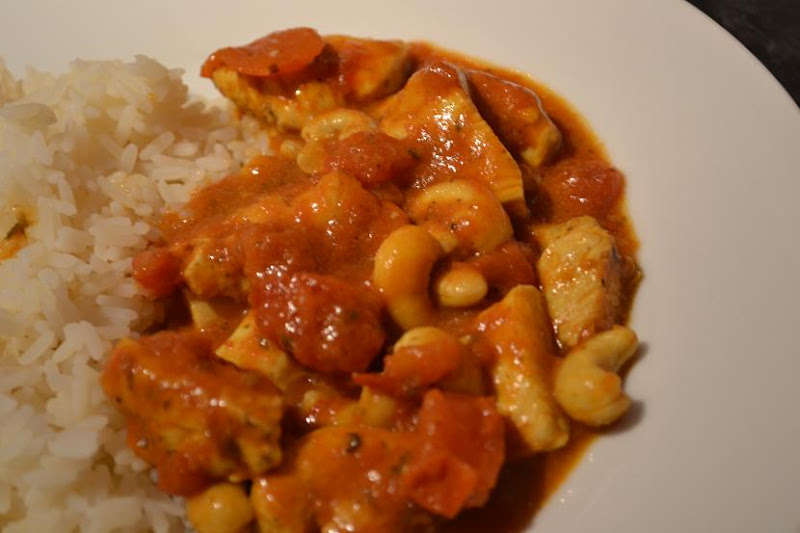
Patak’s Chicken and Cashew Nut Curry
We love a good curry in the Comfort Bites house. As the evenings draw in and become darker, and the rain lashes at the windows a good, aromatic curry can really make you feel all at one with the world again. I’m not talking about heat; I’ve had curries in the past that are so spicy you’re fanning your mouth after every forkful and you don’t really taste very much.
This, on the other hand is sweet, aromatic and full of different textures. I cooked a Lamb Do Piaza the other weekend for friends and now I wish I’d discovered this sooner because it would have gone down a treat.
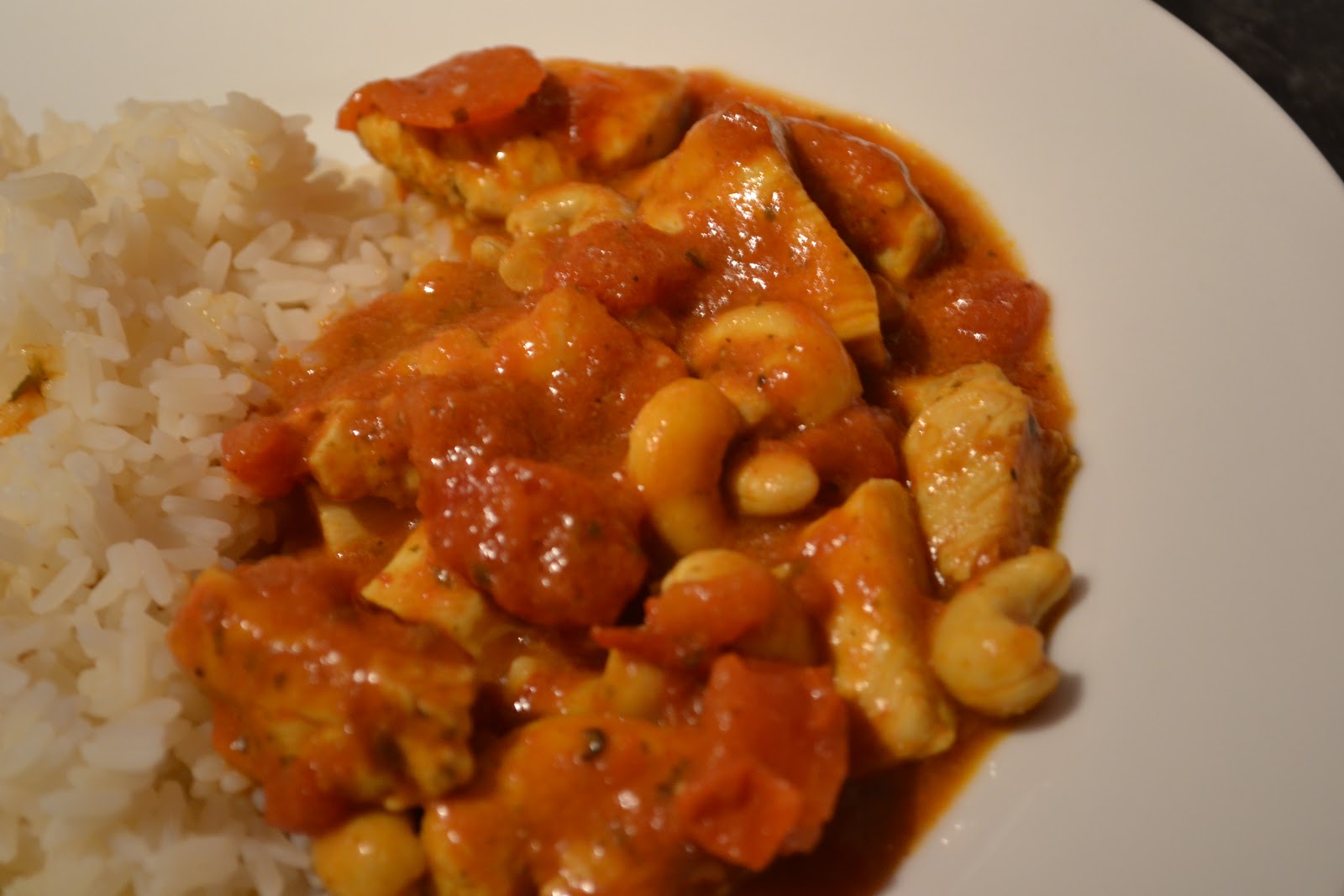
You can see the recipe over at the Patak’s website – I followed it word for word so I won’t republish it here. What I will say is that you get the tenderness of the diced chicken breast, the soft crunch of the cashew nuts and the coconut milk gives the whole thing a creamy sweetness – the coconut flavour is really subtle. It’s a shame I didn’t have any fresh coriander to hand or I would have added a handful to the pan for colour and flavour.
The curry is easy and quick to make, you just use a balti cooking paste, stir in the chicken, half a can of tomatoes and some coconut milk. Finish with a little swirl of cream. Dinner in 20 minutes! The children loved it (minus the cashews, for them) so we’re adding this to our regular dinner list. Give it a try, you won’t be disappointed.
What’s your favourite curry?
Friday, 4 November 2011
Cinnamon and Apple Rolls
When I
worked in an office, I had one morning ritual. I used to pick up a coffee from
Starbucks and stop in at Tesco to buy a couple of cinnamon buns. I’d make my
way to my desk and sit, at 8·30 every morning, catching up with emails while
nibbling on my cinnamon bun and slurping coffee. I grew to love these spiced,
warm little pastries and when I left work I stopped eating them. But I never
stopped craving them. Which is why, when reading the Do Not Feed The Animals
blog on a sleepless early morning it took all my willpower to not raid my
cupboards and start some 5am baking when I saw these.
The
recipe can be found on the Things We Make blog, and it’s really easy to follow.
I’d always assumed making buns would be tricky or time consuming but it wasn’t
at all. You just find jobs to do in between the provings and baking. When I
rolled out my dough and spread with the butter (an alarming amount it seems when you’re doing it, but just go with it) I
also scattered over some grated Bramley apple. If I was doing this again I
would grate two, to make it a bit more appley. And I left out the dried fruit,
because no one much likes it here.
Once
you’ve rolled it up into a swiss roll shape and tucked the individual little
swirls (my mixture made 13) into a tin, you leave it to prove again. You can actually see the
fizzing and popping of the yeast getting to work on the little beauties.
After
baking I drizzled over the cinnamon icing, which was absolutely gorgeous. While
they were still warm, we tucked in and there was only one question that interrupted the silence: “Can we have another one?”
Posted by
Jo Romero
at
09:09
Email ThisBlogThis!Share to TwitterShare to FacebookShare to Pinterest
Links to this post
Labels:
baking,
sweet cravings,
tea break
| Reactions: |
Wednesday, 2 November 2011
Worldfoods Fish Satay – Trout Marinated in Lemongrass and Turmeric
I
mentioned that, in this round of Worldfoods challenges I wanted to try and do
something different from last time. And, when I used the lemongrass and
turmeric marinade to make satay before, I made chicken, beef and prawn kebabs,
which didn’t leave a lot of room to try something different this time around. Except fish.
I’ve
been cooking trout quite a bit lately, and using it as a cheaper alternative to
salmon. And I’d read recently that fish satay is popular in Malaysia, so I
decided to use this marinade on some trout fillets.
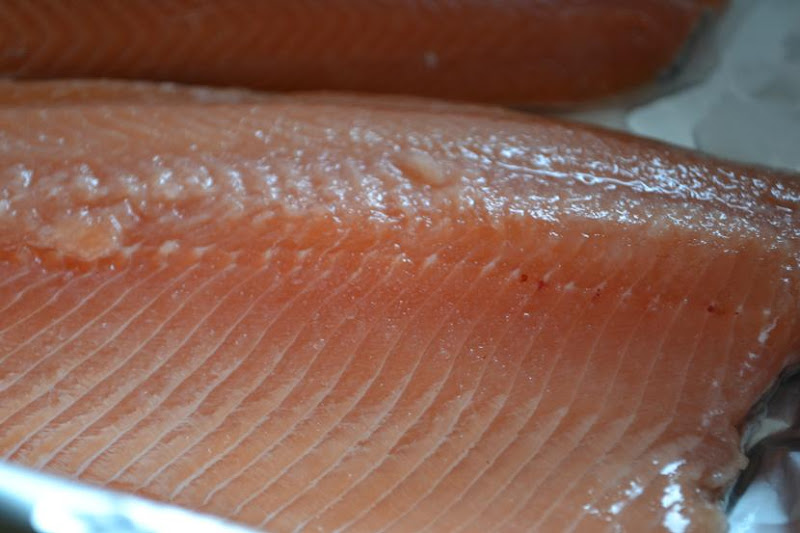
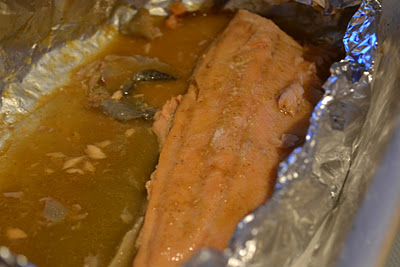
I
pin-boned the fillets, laid them out in an oven dish lined with foil and doused
them in the marinade, leaving it for about 30 minutes. I then gathered the foil
over the top to make a parcel and pinched the ends to seal it. After 15 minutes
at 190C it was ready.
The
marinade had given the fish a sweet, lemony flavour and you could definitely
taste the muskiness of the turmeric in there too. I kept the juices that were
left behind in the foil and spooned this over the fish before serving. Just
goes to show that you can perk up a trout or salmon fillet easily with
marinades such as this one. You could try it with a white fish fillet such as
pollack or whiting too. I’d definitely serve this with some soft, fluffy rice and maybe some stir-fried vegetables, with the juices in the foil spooned over. Lovely.
Check
out the Worldfoods Facebook Page to keep up with what they’re doing and to see
what other delights the rest of the Fusion Taste Team have been cooking up.
Posted by
Jo Romero
at
20:44
Email ThisBlogThis!Share to TwitterShare to FacebookShare to Pinterest
Links to this post
Labels:
asian,
fish,
World Foods Fusion of Flavours
| Reactions: |
Subscribe to:
Posts (Atom)