Wednesday, 30 April 2014

My Argentina Recipe Book – On Amazon Now

As many of you know, my husband is from Argentina. And if you follow me on Twitter or on the blog’s Facebook page, you will have seen me sharing pictures of mate, alfajores and cakes sandwiched together with dulce de leche. Argentina – and its food – has become ingrained in our family’s way of life.


Arroz con Leche con Dulce de Leche

We don’t eat roast lamb without a spoonful of chimichurri on the side. My reviving afternoon cup of coffee has been replaced by mate, a punchy Argentine green tea. And jam has been pushed to the back of the fridge to make way for a 900g pot of dulce de leche – spoonfuls or which are stirred into rice pudding, porridge and spread onto pancakes.

 
Calamares a la Provenzal
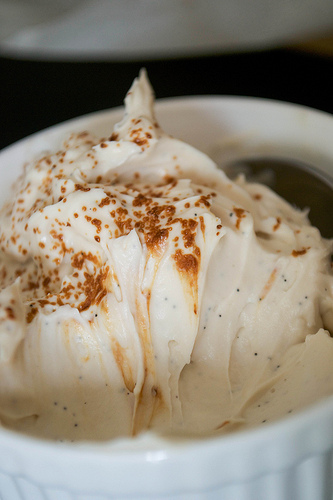
And I’ve put all my favourite Argentina-inspired recipes in an ebook. There are 16 recipes, all with photographs and clear, simple instructions. All of them are inspired by Argentine cuisine and culture – the Coffee and Cinnamon ice cream was created to remind me of a trip to a café in Buenos Aires. I included the empanadas that my sister in law taught me to make. And I’ve developed a recipe for ‘cheat’s facturas’ – little pastries filled with membrillo (quince paste) and eaten for breakfast, as a treat.

There’s also Arroz con Leche con Dulce de Leche – I just can’t resist stirring a few spoonfuls into a creamy, vanilla-scented rice pudding – and a chocolate cake thickly sandwiched with dulce de leche repostero with a glossy chocolate ganache billowing out over the top. 

I loved creating these recipes. And if you’ve been interested in my posts and following my trip to Argentina and the food I’ve been developing since, then I hope you enjoy this ebook. It’s out on Amazon for downloading on the Kindle or your Kindle apps now. 

I hope you enjoy it. Click on the image below to see it in the Amazon Kindle store. It’s available worldwide.

Monday, 28 April 2014

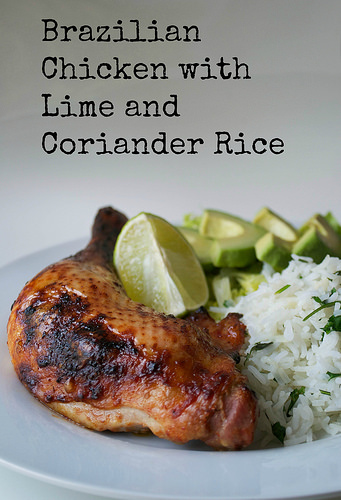
Brazilian Chicken Legs with Lime and Coriander Rice


Did you know that Encona have a special limited edition Brazilian sauce out? I didn’t, until they sent me a bottle to try. 

It’s medium-heat, so it leaves a tingle but doesn’t set your mouth on fire. And it works as a dipping sauce or a marinade (it’s spicier as a dipping sauce I think though, just to warn you)… 


brazilian chicken with lime and coriander rice

I love this chicken. The crisp, spicy skin; the soft, pale, juicy meat – perfect with some cooling avocado and zesty lime and coriander rice on the side. 

But don’t take my word for it. 

Brazilian Chicken with Lime and Coriander Rice
Serves 4
Ingredients
4 free-range, bone-in, skin-on chicken legs or thighs 
4 tablespoons of your favourite Brazilian marinade (I used Encona)
1 tsp coconut oil
1 small onion, peeled and chopped
150g Basmati rice
half a lime
handful fresh coriander leaves, roughly chopped

Method
First, cook the Basmati rice until tender, drain and then rinse under cold running water. Put to one side to dry out slightly.

Next, heat the oven to 200ºC/gas mark 6. Line a shallow roasting tray with foil and arrange the chicken on top of it, slathering over the marinade. Slide the tray into the oven and roast for 25 minutes, or until the chicken is fully cooked (pierce it with a sharp knife to make sure no pinkness remains and that juices run clear). 

While the chicken is cooking, get on with the rice. Heat the coconut oil in a frying pan and gently fry the onion, with a pinch of salt, until softened. Stir in the cooked and drained Basmati rice until fully reheated – about 5-7 minutes. Turn off the heat and sprinkle in the coriander and squeeze in the juice from the lime. Season with more salt if needed.

Serve the cooked chicken with the rice, some lettuce and slices of avocado alongside. 


Thursday, 24 April 2014

Finding the Right Balance on a Paleo Diet…

Despite some popular beliefs, a paleo diet isn’t just about eating all the meat that you can. For best results you need a careful balance of protein, veggies and starch…

When I first heard about the Paleo diet, I thought it was a diet with a green light to eat as much meat as you could – the stereotypical image of the caveman gnawing on a mammoth leg, or whatever. Paleo websites and forums also went on and on about bacon. It looked like they were all eating bacon for every meal – and for snacks inbetween. They ate saturated fat, nibbling the crispy fat from a crisp, grilled pork chop instead of cutting it off and leaving it on the side. It seemed to me, to be the best ‘diet’ in the world. 

But a Paleo diet is so much more than a ‘high-meat’ diet. In fact you don’t need much meat in your diet at all. It’s really important to find the right balance so you take in all the nutrients you need for health – after all – the Paleo diet is about returning to our natural – unprocessed – diet to optimise health. Have a look at this…


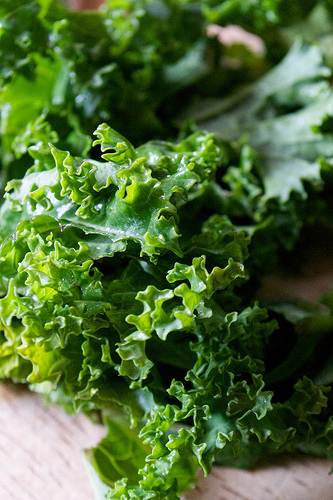
kale_
Veggies are important on Paleo, too


You don’t need that much meat
I just finished an online Food and Nutrition course run by Open2Study (check them out, it’s a great course) and found out that Mediterranean diets are currently considered the healthiest diets around, because there’s an emphasis on vegetables, fruit and seafood. Meat – particularly red meat – is eaten just a little bit. And it’s thought that studies show lower rates of heart disease and other illnesses – as well as lower incidences of obesity – for those eating the Mediterranean way. 

In fact, you just need around 50g protein each day. That’s about the size of a small salmon fillet. Per day. Fill your plate with veggies and have a portion of meat, seafood or fish alongside. Remember too that coconut milk and some fruits like avocado contain protein, so you’re already a little of the way there. You can always rotate your meals – fish for breakfast, meat for lunch, some vegetable and coconut milk soup for dinner. Don’t get me wrong – I still think on the Paleo diet that meat is important – but I don’t think you need as much as you think. 

The meat you do eat must be good quality
Sausages, bacon, black pudding – yes it’s all protein-rich – but as we all know, there are dangers to eating too much in the way of processed meats. Take bacon, for example. It can contain a lot of salt – just a few smoked streaky bacon rashers can get you close to your recommended limit for the day. Paleo peeps also talk a lot about ‘grass-fed’ meats. This is because the meat is considered purer and contains more of the natural – and inflammation-reducing – omega 3 oils our ancestors would have eaten. There’s also concern about the fats in lower quality meats – in that the toxins the animal absorbed through its lifetime are stored in the fats and so the more natural you get your meat the better. Plus, did Paleolithic Man ever pop out for a link of his butcher’s best pork and leek sausages? I think it’s unlikely.  

Nutritious Offal 
Yep. You can’t be squeamish on Paleo. Don’t tell me that after a kill Paleo Man would have cut off the leaner cuts of meat and thrown all the offal on the fire. Of course he didn’t. And it’s likely that he would also have eaten anything he could have got his hands on – bugs, worms, crickets – which is why protein-rich cricket flour seems to be doing the rounds on Paleo blogs at the moment. I’m not asking you to go foraging for bugs in your local woodland – far from it. But consider including organ meats and offal such as heart, kidneys and marrow in your diet. Liver is good too, and high in iron and vitamin A – but don’t eat it too often – the human body needs only a small amount of vitamin A – any more and it’s toxic. Best to limit yourself to a portion of liver – or liver containing foods like pâté – once a week. 

Fill your plate with veggies
Without veggies, you won’t be getting decent amounts of micronutrients like vitamin C, beta carotene and folate.  And they give you fibre, too. These are all essential for good health. And don’t forget that Paleolithic Man had to hunt for his meat. It’s likely that when meat wasn’t around he foraged and picked leaves, berries and root veggies too. And leafy greens can be rich in calcium – which you need, when you’re not eating any dairy products. If the Paleo diet is the diet ‘we evolved to eat’ then veggies surely must play a large part in that, as without these nutrients we don’t have good health. Simple as that. 

Starches are ok
The Paleo diet is often mistaken for a ‘low-carb’ diet. But this isn’t exactly the case. When you go from a diet that’s high in grains (pasta, bread, rice) to the Paleo diet where you don’t eat any of these things, you’re bound to start losing weight. Paleo has been compared in the press to the Atkins diet but Paleo eaters don’t intentionally omit carboyhdrates. In fact, you need them for energy, and for helping to keep your blood sugars stable – remember you’re not eating refined sugars, either. Root vegetables like turnips, swede, carrots, squash and sweet potato are all starchy veggies that are fine on Paleo. 

So there you have it. Paleo diets aren’t just about tucking in to slow-cooked ribs, steaks and bacon. Vegetables and some natural starches are important for good health. And if you’re nibbling on nothing but lamb chops and bacon – and excluding nutritious fruits, veggies and natural starches – then you might be missing the whole point of going on Paleo in the first place… 

Are you eating on Paleo? Do you find it difficult to maintain a healthy balance? 

Tuesday, 22 April 2014

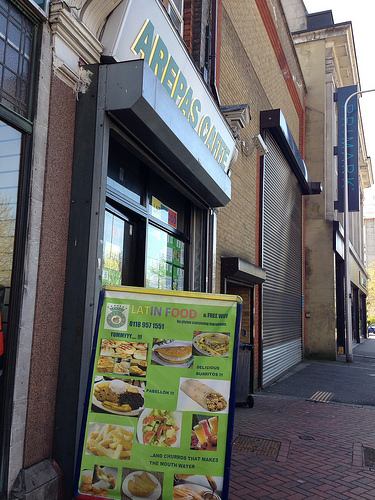
Arepas Caffe, Friar Street, Reading

Authentic Venezuelan food, tucked away in Reading’s town centre… 

We have a bus driver friend. And the other day he stopped me in the street. ‘Have you seen the Venezuelan cafe in Reading? You’ve got to go, they have churros.’ And if there’s one way to get me to a restaurant, it’s with the promise of churros.  

arepas caffe Reading

Arepas Caffe is at the end of Friar Street in Reading, round the corner from Primark and practically opposite Greyfriars church, across the traffic lights. They have a few tables and chairs – it’s a small café – and the atmosphere is friendly and relaxed. On the wall are kids’ drawings (that mine had to add to of course) and signs like ‘Mi Casa es Tu Casa’ (my house is your house) hung up on the walls.

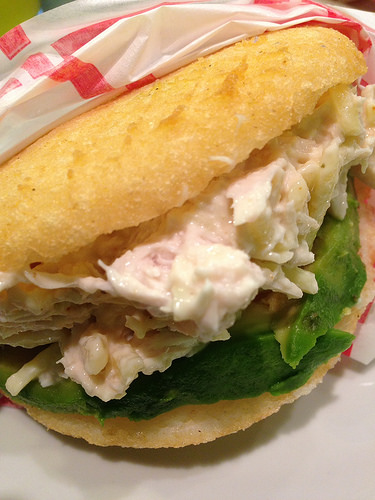
reina arepa

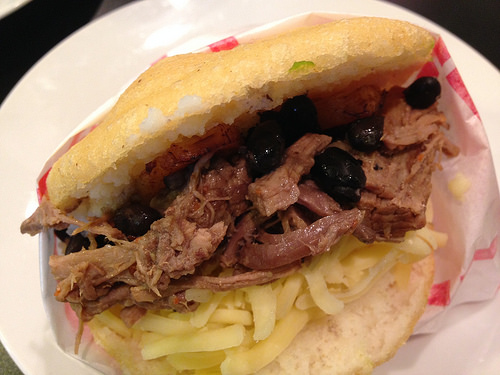
You can have a glance at the menu on the wall behind the counter, but it’s easier just to ask what they have that day. We chose a couple of arepas (where the name of the café comes from) – and chose to have them fried and stuffed with our choice of fillings. Arepas are made from cornflour and are light and crisp – served hot and filled with chicken, cheese, avocado, mayonnaise and garlic sauce. It was our favourite. We also asked for one filled with meat, cheese, beans and slices of fried plantain. It was good too – but we’re suckers for a garlicky treat and the ‘Reina’ arepa just took the prize. 

arepa with beans, cheese and meat with fried plantains Venezuelan food

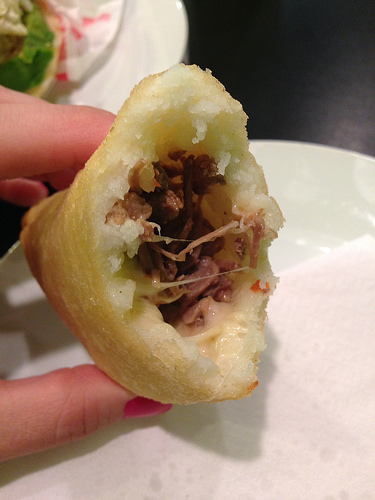
We also ate an empanada – filled with meat and cheese. I ordered this mostly out of curiosity to see how they differed from the empanadas I’d eaten in Argentina. And they differed quite a lot. Argentine empanadas are crisp and flaky, and made from pastry – whereas the Venezuelan ones are light and crisp – fluffy, even – and made from a similar corn-based dough to the arepas. 

Venezuelan empanadas carne y queso

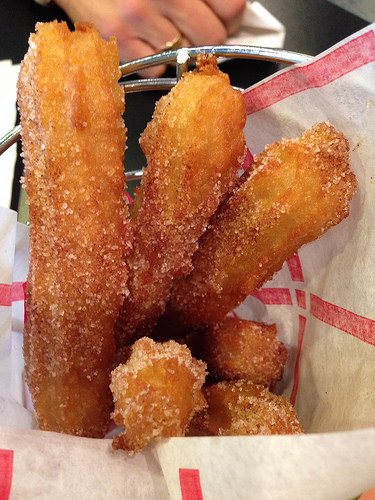
But we couldn’t leave without eating churros. After all, that was what had lured us there in the beginning. They were light and long – not as dense as the churros we ate in Argentina – but crisp, hot and delicious. You can choose to have them dusted with cinnamon sugar or served with a pot of melted chocolate. We asked for both. Naturally.

churros

Prices are reasonable too – at £5 for each arrepa – but we didn’t need to eat dinner that night, we were still full. That’s value for money in my book.

It’s so good to have proper, authentic Latin food in Reading’s town centre, especially when at first glance the town looks like it’s chocka with chain restaurants. People say that to me quite a lot when I say I live in Reading, as if the only choice is between Miller and Carter or Krispy Kreme. But the independent guys are all there if you look hard enough for them. And I promise, it’s well worth it. Go on in and say hola.

Have you eaten at Arepas? What did you think? 

Monday, 21 April 2014

Garlic and Parsley Oven Fries

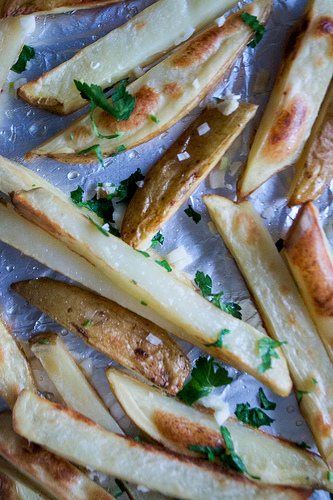
Posh oven chips. They’re baked in the oven, with a drizzle of olive oil (or whatever type of fat you like) and then sprinkled with garlic, parsley and sea salt straight out of the oven. Lush. 


garlic and parsley chips


I’ve tried quite a few different types of potato for this and found Maris Piper and red, Rooster potatoes to be the best. And although you can use olive oil if you like, I’ve found that beef dripping results in beautiful, crisp fries. Or you could use coconut oil, or vegetable oil. 

This recipe can be made vegetarian and vegan (just use olive/vegetable oil), and also paleo (use beef dripping, coconut oil or duck fat). 

Garlic and Parsley Oven Fries
Serves 4
Ingredients
2 large Maris Piper potatoes, scrubbed and washed well, with the skin left on
1-2 tsp oil or fat (I use either olive oil or beef dripping)
1-2 large cloves garlic, peeled and chopped
a handful fresh parsley, roughly chopped
sea salt

Method
Heat the oven to gas mark 6/200ºC. Cut the potatoes into fries, leaving the skin on. Make sure they’re all about the same width so they cook evenly. 

Slide a shallow baking or roasting tray in the oven to heat up, with 2 tsp of your chosen fat. Once warmed – a couple of minutes will do – throw in the fries in one even layer and sprinkle with a little salt, coating them in the oil. 

Cook in the oven for 25 minutes, or until crisp and sizzling. 

When ready, take them out and scatter the garlic and parsley over the fries, shaking the tray and allowing it to warm through in the residual heat. Sprinkle with a little more sea salt if needed and serve straight away. 


Friday, 18 April 2014

The Perfect Ploughman’s Sandwich

The last time I ate a Ploughman’s in a pub was after an energetic bike ride (mostly uphill) near The White Horse at Uffington, in Wiltshire. I was never so grateful to see a plate full of food (I don’t do well on bikes). 

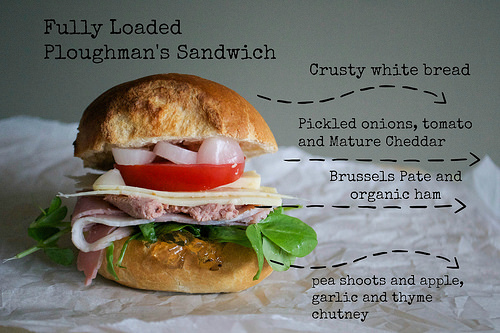
There was paté, lettuce, cheese and ham. And pickled onions, a tomato and some crusty bread to help it all along. And as I cast my mind back to that balmy May afternoon, I thought to myself: why not stuff it all into one sandwich? 

It would save on washing up. And it’s easier to eat. And portable. A winner, surely. 

And so here it is. 

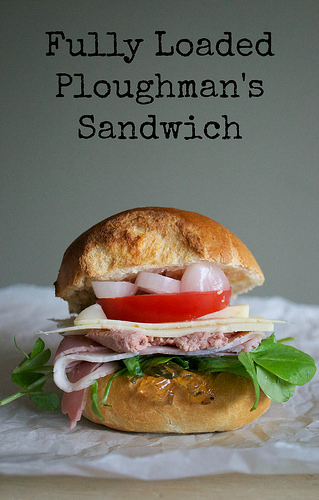
fully loaded ploughmans sandwich

There’s paté and ham – the peppery, creamy paté contrasting with the Organic, thick-cut unsmoked ham. And then add your favourite Cheddar – I opted here for a rich, mature Davidstow Cheddar, hacked into crumbly slices. I’ve also used Apple, Roasted Garlic and Thyme jelly – to give a sweetness and replace the apple that’s so often served alongside a good Ploughman’s. 

The crusty bread roll is a must – somehow a soft, floury bun just wasn’t chewy and sturdy enough. And you get a different, more intense and toasty flavour with a crusty roll, anyway. 


fully loaded ploughmans sandwich recipe

The pea shoots are there as a nod to our gorgeous British summers – and then of course there’s a tomato slice for moisture and a sliced pickled onion. Because it just wouldn’t be a Ploughman’s without it. 

What do you think? Fancy one? 

Tuesday, 15 April 2014

A Spanish Hamper from The Foodies Larder

A hamper packed with Spanish produce, delivered to your door? Er, yes please… 

It seems that you can get a hamper for almost anything these days. A champagne breakfast hamper for a special anniversary? You got it. Christmas hampers? Yep. But what about a hamper that’s packed full of Spanish produce, things that you can’t readily get over here in the UK. Cue: The Foodies Larder. 


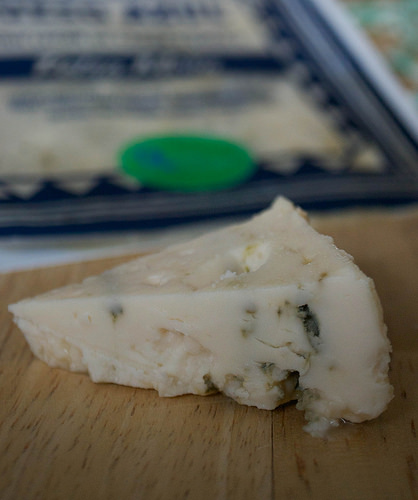
foodie larder spanish cheese
Valdeón Cheese, from The Foodies Larder 
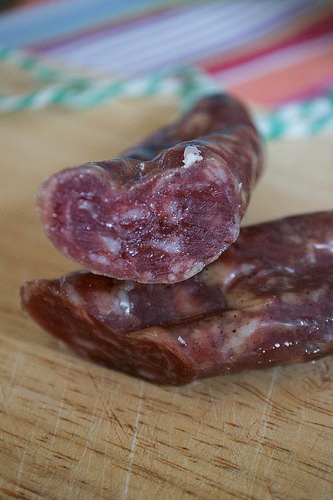
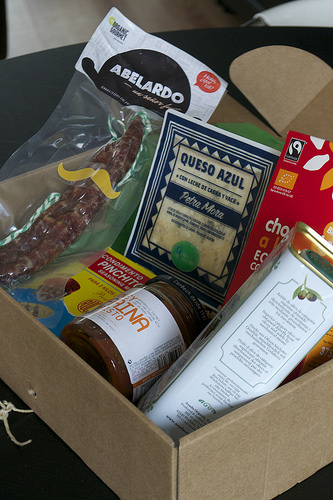
The Foodies Larder is a business that’s based out in Andalusia, Spain – and they’ll send you over a box packed with Spanish goodies. The foods in the hamper differ from month to month, depending on what’s seasonal and available at the time. They sent me one to try out last month and the box contained Extra Virgin Olive Oil (from Catalonia’s coast), Fuet – a coarse salami-type sausage, also from Catalonia – and Valdeón cheese – made from a mixture of cow and goat’s milk in the Valdeón Valley. There was also some Organic Hot Chocolate and A ‘Pinchitos‘ spice mix – great for making pork burgers or meatballs I found – and some Xamfaina chutney – a cool ratatouille-style mixture of peppers, tomatoes and aubergines. The label suggests that it’s good with roast lamb – and I can testify to that – but we also loved it alongside some deli meats and cheese. 


foodie larder_
Fuet from The Foodies Larder
 One of the things I found with this hamper was that although it could be considered a bit pricey – the price ranges from £30 per month (on a pay as you go basis) to £165 for a 6-month period – it does make you think differently about Spanish food. 

Sure, pimentón and chorizo are available in most supermarkets now, and it’s easy to think that you could add a pinch of one and a chopped up piece of another and you’ve pretty much nailed Spanish cuisine. That’s not true. Previous hampers have included gems like Fig Bread with Walnuts, Turrón and Rosemary-infused Olive Oil. Also Rose Petal Jelly and Porcini Mushroom Paté. It really opens up your eyes – and taste buds – to the real flavours of Spain, beyond the mass-produced chorizo and the thick potato omelettes. 


Hamper from The Foodies Larder
March 2014 hamper from The Foodies Larder

Visit The Foodie Larder’s website for more details and to see what they’ve put in previous months’ hampers, too. 

Sunday, 13 April 2014

News: I'm a Moderator for The Paleo Mom Community

You may have heard me talking a bit about paleo diets and the autoimmune protocol recently. And that’s because of two things. The first is that I have been trying to fix my autoimmune problem through diet – something doctors said was impossible to do. It turns out it is possible, but it’s blimmin’ hard work and you have to avoid a lot of modern and processed foods to do it. But I’m nearly there. 

And the second reason is that I really believe that comfort food can be enjoyed on any diet – it doesn’t matter how restrictive. 

Well. I’m thrilled to announce that I’ve been asked to be a moderator for the Paleo Mom Community – a forum dedicated to learning about, discussing and providing support on the paleo and AIP diets. 


TPM Community LogoLarge

I’ll be on hand (along with the other moderators) to help give advice about the diet and provide support. It’s a real honour to take part – and if you’re following the AIP or paleo diets then why not head along and start up a conversation. 

Are you following the autoimmune protocol or paleo diet? 


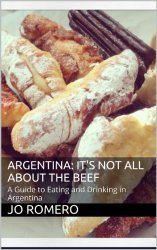
My New Book – Argentina: It’s Not All About The Beef

When I told friends I was going to Argentina last year, they got very excited for me. And they only ever talked about two things: the beef and red wine. And while it’s true that Argentine beef is among the best – my husband will argue that it is the best – in the world, and the wines are known and popular the world over – there really is so much more to Argentine cuisine than just beef and red wine.  

And on the plane back home, gliding through the air somewhere above Rio de Janeiro, I started to write a blog post entitled: Argentina – It’s Not All About the Beef. I wrote about Argentina’s love of seafood – of calamares and fish like hake and corvina. I shared all the experiences I’d had visiting people’s homes and eating asado – the Argentine equivalent of a barbecue. I talked about empanadas and flans and pancakes thickly spread with dulce de leche. And chimichurri and salsas and choripan. And then I realised that this was going to be too long for a blog post. 

So I put it all in a book. 


Argentina: It’s Not All About the Beef is a collection of the foods I ate in Argentina – with descriptions of the foods, and when and where they’re eaten. There’s also a description of some of the traditional customs associated with food and drink – including the right way to drink mate, Argentina’s national tea. So when someone hands you an ornamental cup filled with green tea leaves with a metal straw popped in it, you’ll know exactly what – and what not – to do. I also explain how to pronounce the trickier words, which is handy if you’re not fluent in Spanish (like me). 

I hope that it will give you a deeper understanding of Argentine food and drink – and demonstrate that there’s so much more to it than beef and red wine. It’ll be good too as a travel companion – fancy some garrapiñadas and don’t know where to get them? I’ll tell you. Don’t know your facturas from your pasta frola? I’ll tell you that, too. 

It’s out now and available worldwide – to download on the Kindle at Amazon. Click on the image to go to the book in the Kindle bookstore. 


Wednesday, 9 April 2014

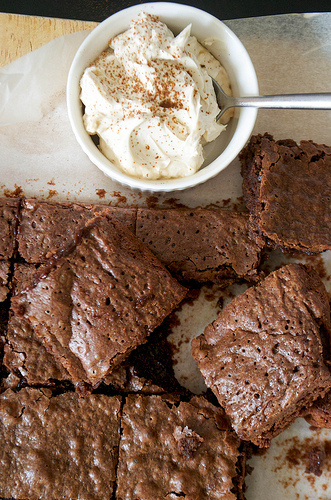
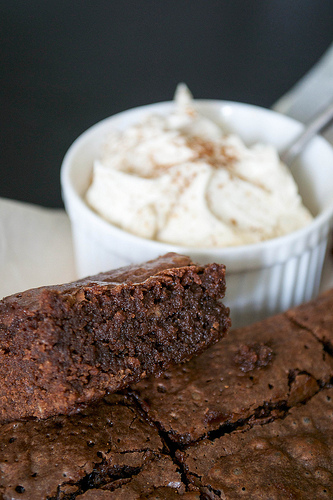
Espresso Chocolate Brownies with Boozy Coffee Mascarpone Cream

This grown-up twist on the classic chocolate brownie combines the flavours of coffee, chocolate and vanilla. Best served warm, with a spoonful of the boozy coffee and vanilla mascarpone cream alongside…


coffee brownie with mascarpone tia maria cream

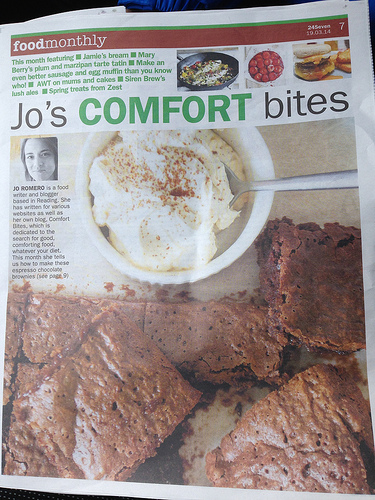
Exciting news! One of my recipes was featured in my local paper, The Reading Post in their Food Monthly supplement last month. Here’s what it looked like:

Jo Romero in Reading Post March 2014

I’m so chuffed. And I’m even more chuffed to be sharing the recipe with you here, for those that didn’t see it in the paper or for those who live further away.


coffee brownie with mascarpone tia maria cream alongside
Espresso Chocolate Brownies… you would, wouldn’t you?
 

The brownies are based on a standard, fudgy brownie recipe, but I’ve added some espresso powder to give it a richer, coffee flavour and served them – still warm – with a mascarpone cream which has vanilla bean paste and Tia Maria stirred into it, with a dusting of espresso powder on the top. Think of the cream taking the place of the ice cream in classic ‘brownies and vanilla ice cream’. Except it’s a bit more boozy and grown up. This has to be my favourite brownie recipe EVER. I really hope you like it. 

Espresso Chocolate Brownies with Coffee Mascarpone Cream
Cuts into 16 squares. 
 
Ingredients
For the Espresso Brownies:
150g butter
150g plain chocolate (I used Bourneville)
3 eggs
200g golden caster sugar
120g plain flour
1 tsp vanilla extract
half tsp baking powder
2 tsp instant espresso powder
 
For the Mascarpone Cream:
250g tub mascarpone
1 heaped tsp vanilla bean paste
Tia Maria liqueur, to taste (I used about half a teaspoon)
 
Method
To make the brownie, first preheat the oven to gas mark 4/180ºC/350ºF and line a 23cm x 23cm baking tin with greaseproof paper. 
 
Next, gently melt the butter and chocolate together in a saucepan, stirring all the time. Turn off the heat and allow to cool slightly. Meanwhile, crack the eggs into a mixing bowl and add the sugar. Whisk well. Pour the chocolate mixture into the eggs, stirring all the time, and then sift in the flour, baking powder and espresso powder and add the vanilla extract. Give everything a good stir.
 
Scrape the brownie mixture into the tin and bake for 25-30 minutes. The brownies should be firm to the touch, but still moist in the centre. Allow to cool. 

To make the Coffee Mascarpone Cream, tip the mascarpone out into a bowl and add the vanilla bean paste and a few drops of Tia Maria liqueur. Stir to combine. When cooled – but so the brownies are still just warm – serve, with the coffee mascarpone cream alongside. 


mascarpone coffee cream
Mascarpone Coffee Cream

Monday, 7 April 2014

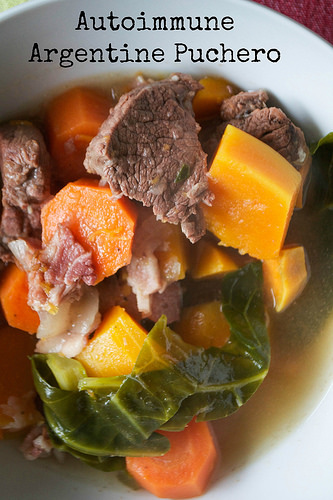
Paleo and Autoimmune Argentine Puchero

In Argentina, there’s this dish called Puchero

It’s basically meat and veggies placed in a pot with water and simmered until tender. The traditional version uses tomato, white potatoes and sweetcorn – and sometimes beans and lentils – all foods that aren’t allowed on the autoimmune protocol. So I came up with an autoimmune-friendly version that switches the white potatoes for sweet potatoes and the other veggies for carrots, butternut squash and cabbage. 

There are, I am reliably informed, no real rules to a Puchero. It’s a ‘poor’ dish – where whatever was handy was just simmered together on the stove. Sometimes, the broth is eaten as a soup and the meat and veggies as a main course. We just eat it all together – the veggies at the bottom of the dish with a ladleful of the cooking liquid poured over the top. And the cooking liquid is so full of flavour on its own. This recipe makes quite a good batch, so I serve it for that night’s dinner and then keep leftovers in a big bowl in the fridge. I then scoop some into a bowl and warm it up as needed – it also makes a cracking breakfast. I can’t think of a better start to the day than this…


autoimmune argentine aip puchero


Autoimmune Paleo Argentine Puchero
Serves 4-6
Ingredients
half teaspoon beef dripping or your preferred choice of oil or cooking fat
900g beef shin, chopped into chunks just slightly larger than bite-sized
1 onion, peeled and roughly chopped
2 cloves of garlic, peeled and chopped
4 rashers streaky smoked bacon, chopped 
1 large sweet potato, peeled and chopped into large chunks
quarter of a medium-sized butternut squash, peeled, deseeded and chopped into chunks
1 large carrot, peeled ad chopped into chunks
2-3 large leaves from a green cabbage or head of spring greens
water

Method
In a largeish saucepan, heat the fat or oil and then fry the beef until browned. Do this in batches so you don’t overcrowd the pan. Put the browned chunks of beef onto a plate. 

In the now empty pan, gently fry the onion and garlic for a few minutes until just softened. Add in the bacon and continue to cook for about 2-3 minutes. 

Add the beef back in to the pan, and pour in enough waer to just cover the beef. Cook for one and a half hours, on a low heat, with the lid positioned over the top (but not clamped on). 

Once the beef has had its hour and a half and has started to become tender, add the mixed vegetables, a little more water if you think it needs it and simmer for another half an hour, or until the meat is very tender and the vegetables are just softened. 

Season with salt to taste and serve, with the juices from the pot ladled over the top. 

I’m linking this up to the AIP Recipe Roundtable over at Phoenix Helix – check it out for more AIP and Paleo inspiration…

Friday, 4 April 2014

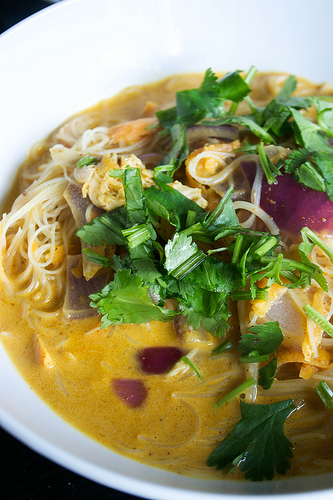
Indian Chicken, Coconut and Sweet Potato Rice Noodle Soup

A soothing, fragrantly-spiced soup that’s gluten free, too… It’s also easily adapted for vegetarians – just use vegetable stock and leave out the chicken, adding more veg instead…


This soup was created from a cobbling together of lots of leftovers and a rummage in the cupboards. Sometimes these dinners are the best ones, don’t you think? 

A can of coconut milk, a spoonful of curry paste, a handful of leftover roast chicken, a sheet of rice noodles and some veggies are about all you need to make this, and it’s warm, soothing and fragrant too. 

It’s also nutritious – you get the protein from the chicken and the coconut milk, as well as good fats. The sweet potato gives you beta carotene – and fibre – along with the onions – and the rice noodles give you just that bit of carbohydrate and energy. 


indian rice noodle gluten free chicken sweet potato soup

Indian Chicken, Coconut and Sweet Potato Rice Noodle Soup
Serves 2-3
Ingredients
1 tsp coconut oil
1 tbsp mild curry paste
1 red onion, peeled and roughly chopped 
1 small sweet potato, peeled and coarsely grated 
1 x 400ml can coconut milk
200ml chicken stock
handful of leftover cooked, roast chicken
pinch of salt
1 x sheet of dried rice noodles
Fresh coriander leaves, to garnish

Method
Start by melting the coconut oil in a medium-sized saucepan and then stir in the curry paste. Let it sizzle, before adding the red onion and grated sweet potato. Pour in the coconut milk and the stock and bring to a gentle simmer. 

Once the soup is simmering and bubbling away, throw in the chicken, a pinch of salt and the rice noodles. Cook gently for another 5 minutes or until the chicken is fully heated through and the rice noodles are soft and tender. 

Spoon into waiting bowls and garnish with fresh coriander leaves. 


LinkWithin

Related Posts Plugin for WordPress, Blogger...