Monday, 31 October 2011

Hotel Chocolat’s Rather Large Cracker for Christmas


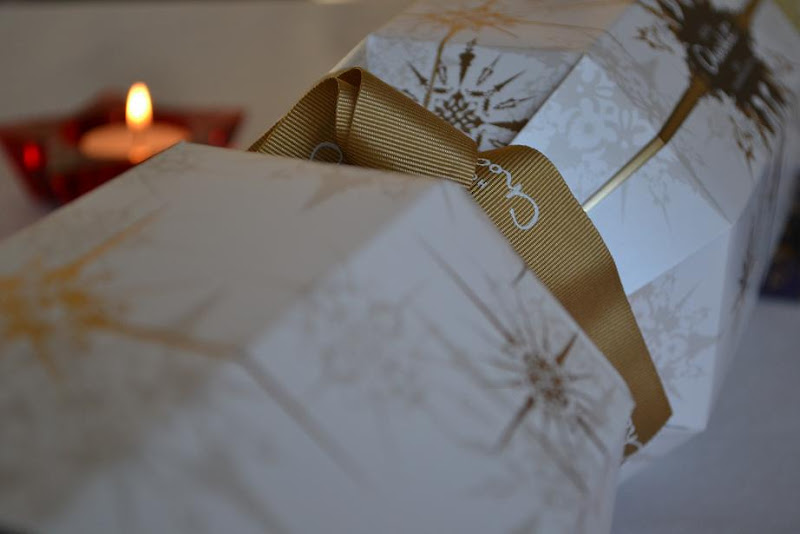
So this week I have mostly been eating chocolate… from this cracker. When I saw that Hotel Chocolat had brought out a ‘Rather Large Cracker’ packed full of chocolates for their Christmas range, I imagined it would be on the large side. But I didn’t expect it to be this big. I even took a photo of my three-year old holding it (bless her, she can’t believe her luck!) to show you the actual size of it:



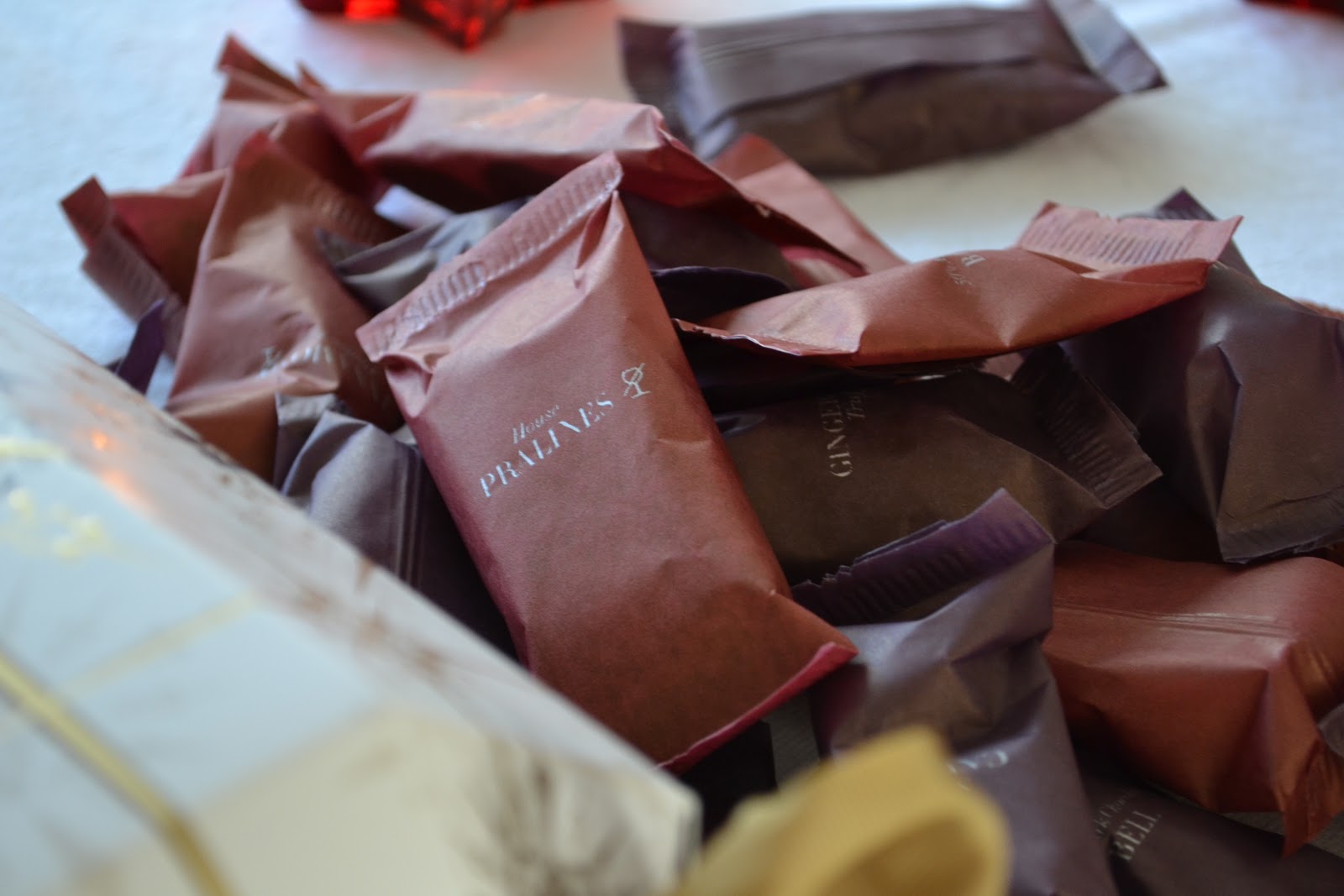
Everything about this cracker exudes quality, from the finishing of the cracker itself with gold branded ribbon, to the chocolates inside, which are wrapped in pairs and labelled according to the type of chocolate and whether they’re alcoholic or not, which is really handy when you’ve got lots of family round.
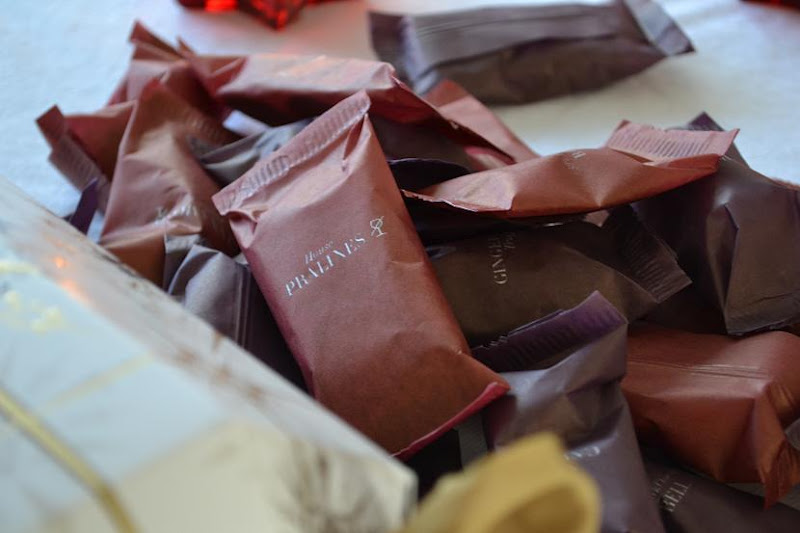


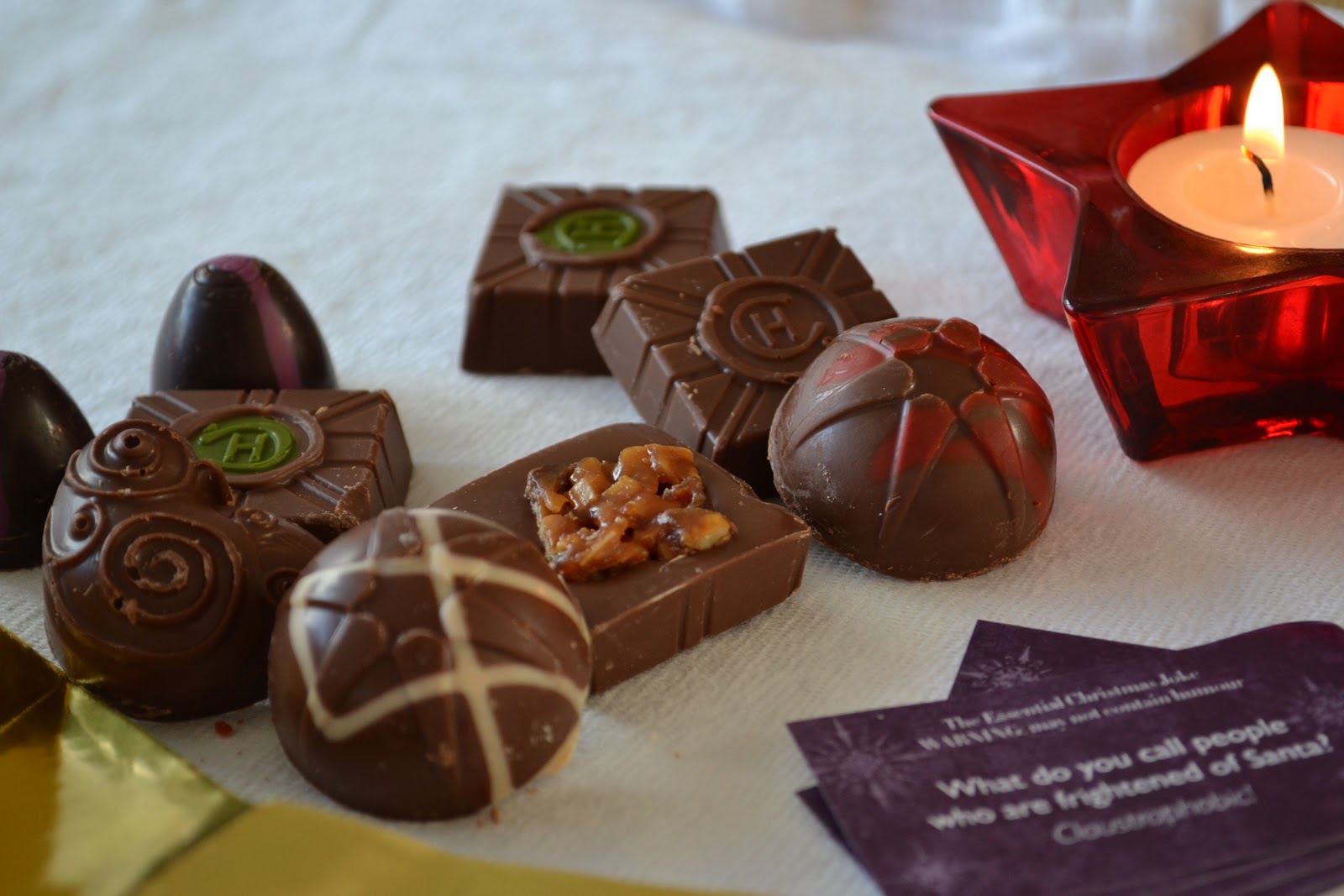
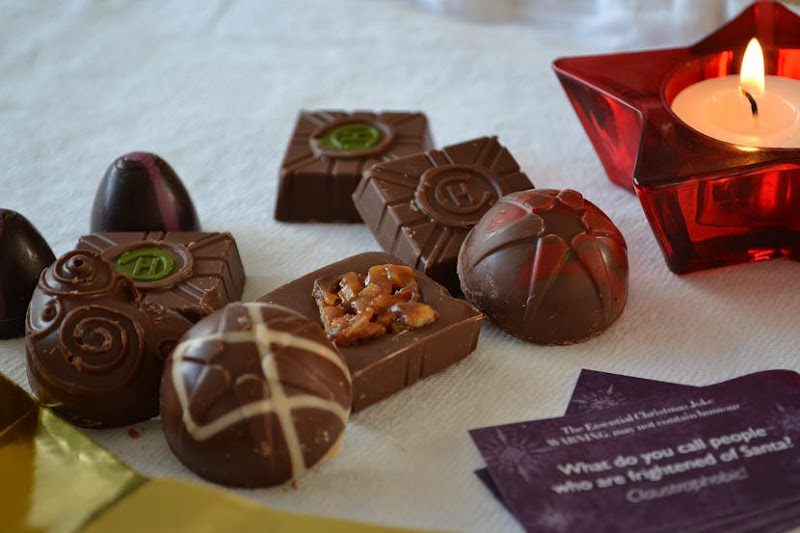
The 40 chocolates come in different flavours, some old favourites like salted caramels (who can’t resist a few of those?) and some Christmassy flavours such as gingerbread, mullled wine, star anise and cinnamon. Some are shaped into elegant domes and squares while others are festive shaped, check out the bell below:


And to let you in on a few of our favourites:
     
  • Christmas Mess – one of the best, and sadly there were only two of them (!) – a strawberry-flavoured chocolate with tiny pieces of dried strawberry
  •  
  • Champagne Truffle – boozy liqueur chocolate with a creamy centre, with a warmth from the alcohol
  •  
  • Gingerbread Truffles – beautiful chocolates with a warm, cosy and treacly gingerbread flavour
  •  
  • Rhubarb – a sweet rhubarb-flavoured soft centered chocolate, definitely a favourite
  •  


As if all this wasn’t enough, the cracker also comes with 12 jokes and gold party hats. A really great gift for Christmas, or a party piece to bring out after dinner for people to share over a game of Cluedo. Just don’t expect the game to get that much attention.

 
Keep updated with Hotel Chocolat on Facebook or on Twitter @HotelChocolat. To have a look at other luxury crackers from Hotel Chocolat click here and for their full range of Christmas gifts visit their website. 

Saturday, 29 October 2011

Balti-Marinated Trout


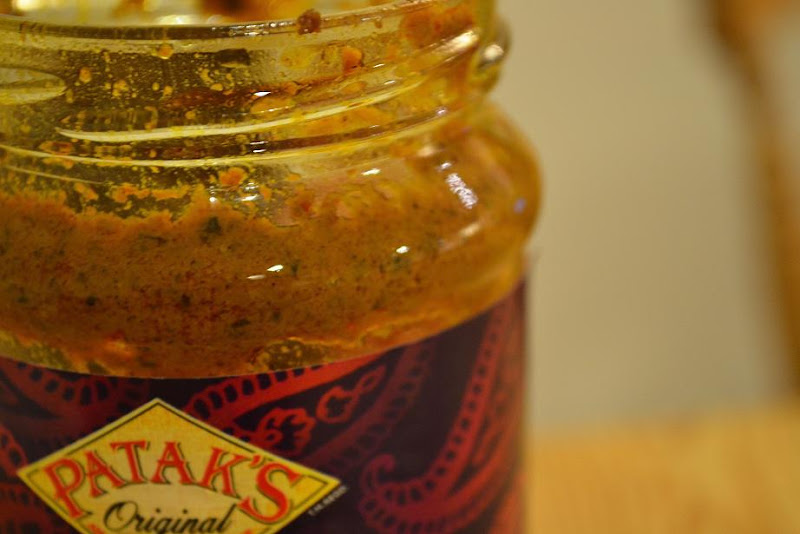
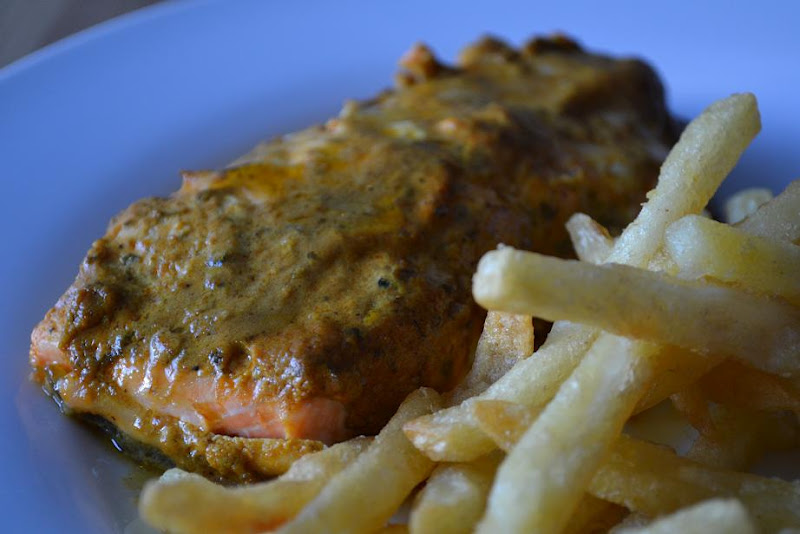
One of the ruts I’ve got myself out of this week is that curry pastes are not just for making curries with. I made a quick marinade by mixing up balti curry paste along with some other ingredients and slathered it over fish and steak. The results were lovely.
 
With the steak, which I’d cooked before a la Jamie, the earthy spices work so well amongst all that tender meat. With just a couple of tablespoons curry paste and some lemon juce you’ve tranformed a meal. And of course it’s quick to cook too, needing only a few minutes on each side.

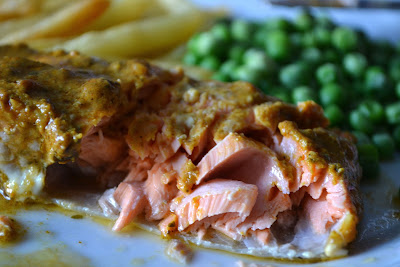
With the fish, I chose trout because it had a rich, deep flavour and colour. You could choose salmon instead, but I just fancied a change. I mixed the curry paste with yoghurt and lemon juice and left it on the trout fillets for about half an hour before I cooked them in the oven.

 
Both meals only took minutes to cook so it’s a great way to perk up a weekday meal. Balance the amount of flavour by changing the amount of time you marinade the meat or fish, or by slathering it on less thickly.
Balti-Marinated Trout
Serves 4
Ingredients
  • 4 boneless trout fillets
  • 3 tablespoons Patak’s Balti Paste
  • 1 and a half tablespoons plain, natural yoghurt
  • 1-2 teaspoons lemon juice
  • Pinch of salt, to taste.

Method
  1. Place the trout in an oven proof dish lined with foil, overlapping it so you have enough to gather over the top to seal it and make a parcel.
  2. Mix the curry paste, yoghurt and lemon juice in a small bowl and slather over the trout fillets. Use less if you want the flavour to be milder.
  3. Leave in a cool place for 30 minutes.
  4. Preheat your oven to 180C, fold over the foil in the tray to make a parcel containing the fish and bake for around 15-20 minutes, depending on the size of your fillets.
  5. Check for seasoning and serve.


Thursday, 27 October 2011

Book Review of Sweet Invention: The History of Dessert by Michael Krondl


It’s not a really well-known fact, but I am fascinated by the history of foods and how they have evolved through various periods of time and cultures. My mind is full of information like how hamburgers developed from the Mongols in ancient times – they would put a piece of meat under their saddle and ride for days, eating it when the meat tenderised. And I could go on and get myself all tangled up in the origins of pasta and the Italy vs China debate. But I didn’t know anything about the origins of some of our favourite desserts. And so when I got the opportunity to review this book, I couldn’t download it quick enough.

The book tracks the history of a huge number of desserts, in places such as the Middle East, Italy, France, India and the US. It charts the religious beginnings of some of the sweet, milky confections in India, and how they were originally created for special ceremonies, family events or as offerings to Gods and Goddesses. It deals with Indian jalebis (“tangled dough soaked in syrup”), fritters, Middle-Eastern baklava, French pastries and many more.

For each of the countries the book deals with, there is a massive amount of detail on the feasts, legends and important people that influenced the desserts as well as interviews with those making these foods in the present day.

The book is, at times, humourous but always informative and carefully researched. The author has clearly travelled to the relevant countries to source the information and backs up all his claims with evidence. At 400 pages, it is a bit of a hefty read, but I enjoyed it. For those who have an interest in the history of food, it makes a great reference book. And with its close attention to detail, I would say that it is a definitive guide to the origins of some of the world’s favourite desserts and sweet treats.

Sweet Invention: A History of Dessert is published by Chicago Review Press on 1st October 2011.

Monday, 24 October 2011

Have you had a Screme Egg? Cadbury’s Halloween Creme Egg

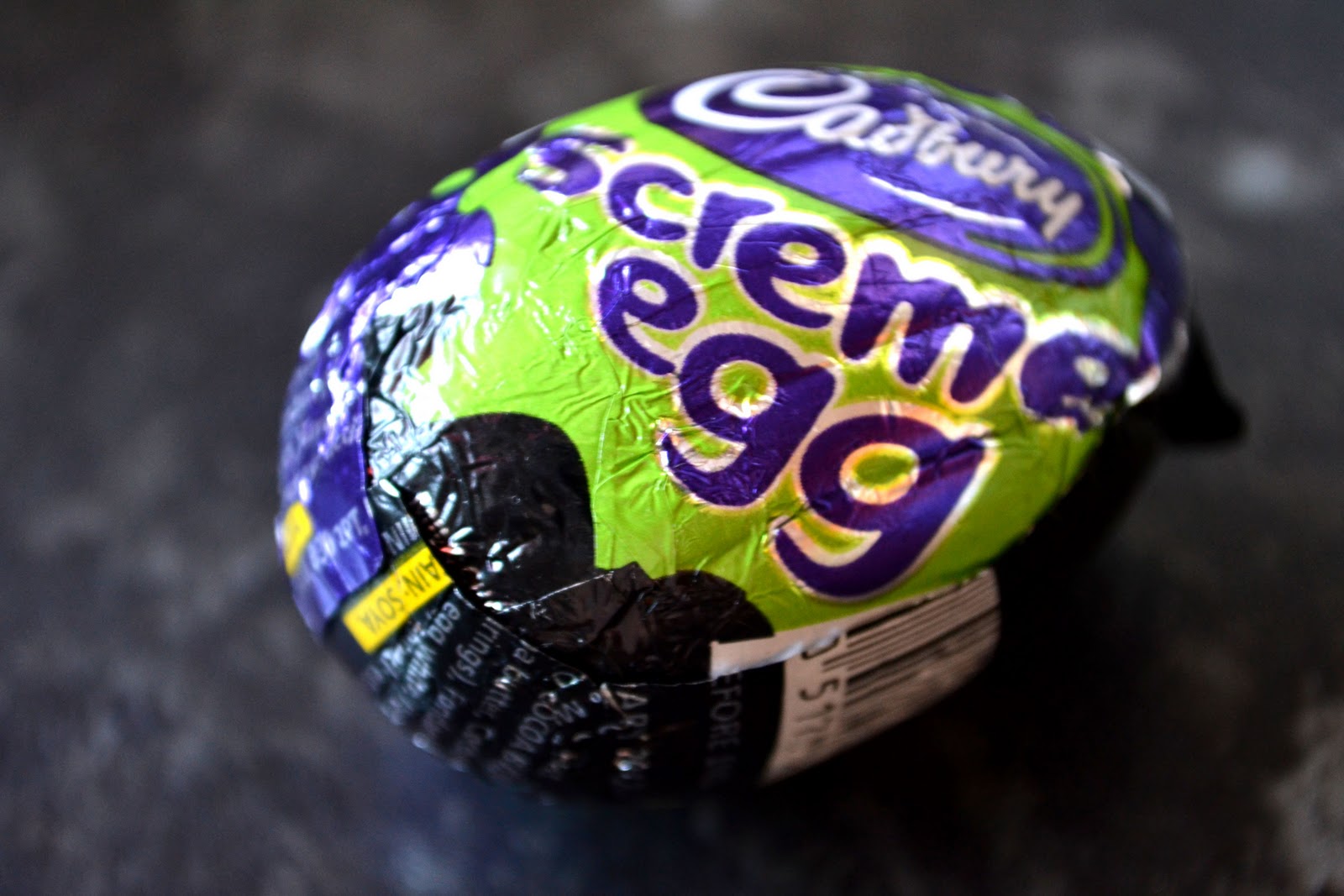
If it wasn’t enough that Creme eggs start to be sold around Christmas time, Cadbury’s have released a limited edition Halloween special ‘Screme Egg’ so we can get our Creme Egg fix even earlier.


They’re the same size as the original Creme Egg, but when broken they reveal a pale green centre instead of the yolky yellow middle that you expect. I was expecting a different taste to them – maybe mint? But they tasted the same as a regular Creme Egg too.


Have you tried the Halloween Screme Egg? What did you think?

Sunday, 23 October 2011

Malaysian Ayam Percik with Sesame Oil and Soy


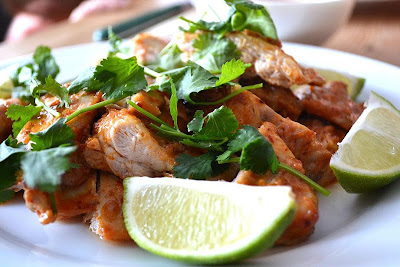
I’ve made Ayam Percik before with chicken breast on plain, boiled rice. I remembered that it was fantastic, and now I decided to make it the second time around I wanted to adapt the flavours slightly. Inspired by a recipe on the Worldfoods website, I trickled in some toasted sesame oil and soy sauce into the marinade before dunking in the chicken. I also toned down the spice again, with natural yoghurt. I wanted everyone to enjoy this dish and get my children used to the different flavours. The first bite they tasted they dismissed it as being ‘too spicy’ but then shortly afterwards they were grabbing chunks of chicken for themsleves and thoroughly enjoyed it.

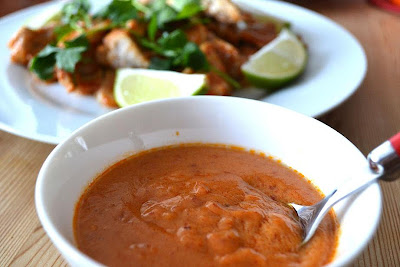
The marinade itself is really spicy, which makes the outside of the grilled chicken hum a little with the chilli, but also because the chicken is cooked so quickly, the meat is incredibly juicy on the inside. The thing about this sauce is that it is spicy but the flavours are much more complex; there’s a lot more going on in there than just heat. The sesame oil gives it a toasty, nutty flavour and there is a sweetness too, that comes from the coconut. And when you squeeze over a little lime juice, it seems to just refresh all those flavours. It’s one of my favourite meals, and judging by the clean plates, everyone else’s too. I scattered mine with lots of glossy little coriander leaves, and served it at the table – it looks really pretty like this, too.


Ayam Percik is usually eaten with plain boiled rice or bread, but we decided to enjoy ours with some noodles – cooked in chicken stock, with 2 chopped spring onions, a handful of frozen peas and scooped into serving bowls, with some of the cooking liquid and a dash of soy sauce ladled over.

Malaysian Ayam Percik Chicken with Sesame Oil and Soy
Serves 4
Ingredients
  • Half a bottle of Worldfoods Chilli and Coconut Marinade
  • 5 tablespoons plain, natural yoghurt
  • 1 teaspoon toasted sesame oil
  • 1 teaspoon dark soy sauce
  • 8 boneless, skinless chicken thighs
  • Bunch of fresh coriander, to garnish
  • Wedges of lime to serve
Method
  1. 30-40 minutes before you want to eat, mix the chilli and coconut sauce, the yoghurt, sesame oil and soy sauce in a large, shallow bowl. Gently push in the chicken thighs, making sure that they are coated inside and out. (Because they are boneless, the thighs will open out flat – make sure the underside is coated in the marinade too). Cover with cling film and leave in a cool place.
  2. When your marinating time is up, preheat your grill to medium. Lay a sheet of foil over your grill tray and lay out each piece of chicken – unravel the thigh fillet to flatten. Slide this tray under the grill and cook for about 10-12 minutes, turning once, until sizzling and cooked through.
  3. Meanwhile, pour any of the marinade left in the bowl into a small saucepan. Heat gently, stirring, for about 5 minutes until piping hot and bubbling. Pour into a small serving bowl and take to the table.
  4. Remove the chicken from the grill and cut one thigh in half to make sure it’s cooked through. When they’re all cooked through, transfer to a chopping board and slice each fillet into chunks for people to help themselves. Arrange on a serving plate, scatter with the coriander and arrange lime wedges around the outside. Serve with noodles, rice or bread and the heated marinade as a spicy sauce.


You can find the Worldfoods range of cooking sauces at Tesco, if you want to try this yourself.

Do you like Malaysian cooking? Have you tried Ayam Percik? What did you think?


Friday, 21 October 2011

Forever Nigella 9: Halloween Horrors – Blood and Guts Potatoes


Forever Nigella this month is all about Halloween, and I decided to cook one of the Nigella dishes that’s given iin the book without a photo, mostly because I was intrigued with what it would look like. I read through the recipe, in Feast, unable to visualise how some mozzarella, tomato ketchup and a baked potato could look convincing as blood and guts. But I was thrilled with how they turned out. And when I slid them out of the oven I was gorily impressed. 


The tomato ketchup turns the mashed potato filling a fleshy pink, while the stringy blobs of mozzarella are pretty gooey. The children loved them. It’s also quick and easy enough to dish up for them not just for Halloween, but when you want to serve something different and a bit fun on a weeknight. Just serve with some veggies, and as Nigella suggests, some cooked sausages.


As well as this, for carb-factor it makes a great kids’ party food or something in the Halloween spirit to fill them up before a night’s trick or treating.

You’ll find the recipe on page 352 of Nigella’s book Feast (published by Chatto and Windus, 2006).


Wednesday, 19 October 2011

Welsh Lamb Event at Odette’s

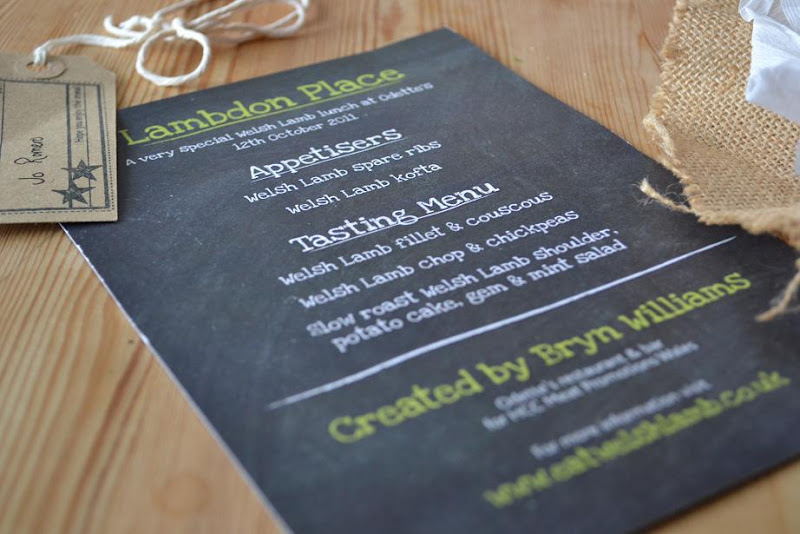
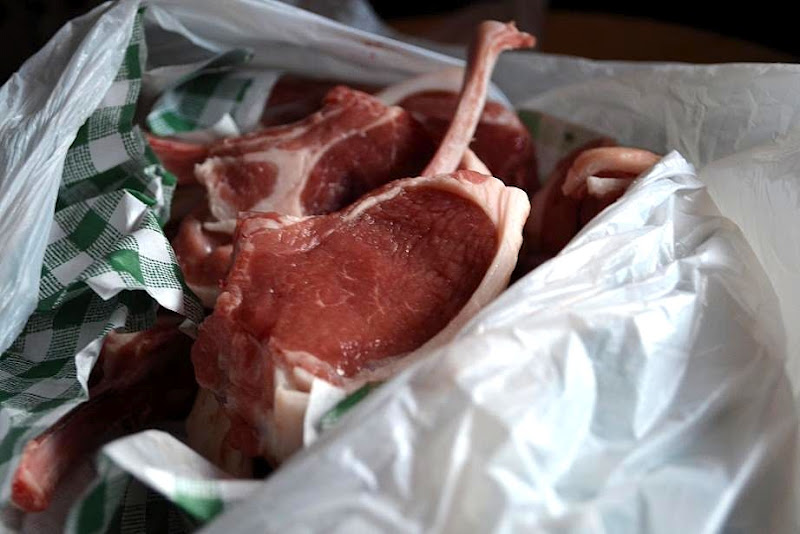
Last week, I was invited to an event at Odette’s in Primrose Hill that aimed to showcase how versatile Welsh Lamb was. As Odette’s chef Bryn Williams adressed us all, he delivered a truth that I know I was guilty of. “We go in and buy certain cuts”, he said “but we should be eating nose to tail”. And it’s true. We buy leg, lamb chops, and lamb mince – but are we making the most of cuts such as the shoulder, neck, breast, ribs and fillet?


And although we usually associate lamb being ‘in season’ in the spring – Welsh lamb is actually at its most flavoursome now, in the autumn. Bryn told us that one of the reasons Welsh lamb is so special – apart from the hard work of the farmers – is down to the environment. Wales is surrounded by 1,200km of coastline, providing a supply of fresh, sea air – Bryn joked that the fact that it seems to rain all the time as well only adds ultimately to the flavour of the lamb, making the grass fresh and perfect for grazing.

Bryn laid on a five-course tasting lunch that showed us what you could really do with lamb – most of them quick, family meals but with one slow-cook option for lazy weekends.

We ate:

Welsh Lamb Spare Ribs: cooked in a sweet and sticky Chinese-style sauce, with the meat falling off the bone. Bryn said that these were ‘off-cuts’ and would be cheap to buy from the butcher. If you can’t get hold of them, start asking for them. Bryn said: “it’s supply and demand. If people want them, they have to stock them.”

Welsh Lamb Koftas: these were served in a little buns like tiny burgers – soft, and with the flavours of cumin and mint. I’m going to try making something like this myself, I reckon the children would love these.

Welsh Lamb Fillet and couscous: This succulent little strip of meat is pan-fried for only about three minutes and would be a quick and easy meal along with the couscous which was flavoured with chicken stock, parsley, mint and lemon juice.

Welsh Lamb chop and chickpeas: Again, full of flavour and another quick and easy meal option. I loved the chickpeas alongside the lamb, which was still pink and really tender.

Slow roast Welsh Lamb shoulder and potato cake with gem and mint salad: Before it was plated up, Bryn brought out the roasting tray for us to have a look at. On it were two lamb shoulder joints on a rack above some thinly-sliced potatoes. The fat from the lamb drips onto the potatoes over the hours it takes to slow cook and gives them a really rich flavour. The lamb and potatoes were served alongside a little gem and mint salad, which helped to refresh and perk up all those deep, rich flavours of the lamb and potatoes. And this is easy to cook. “If anyone says they can’t cook, I’d challenge them on this one,” he said.


I went away realising two main things. The first was that many of us are guilty of ‘pigeon-holing’ our meats. We only buy certain cuts and anything out of the ordinary is left on the shelf, most probably because we feel daunted by it and don’t know how to cook it, which could, let’s face it, be solved by looking at a cookbook, the internet or from a chat with your butcher. The second thing is that I aways considered lamb a slow-cook meal. I know that chops and steaks don’t take long to cook under the grill, but at home we save lamb for our roasts, slow-cooked curries and stews. There are so many ways to cook lamb quickly and it doesn’t have to be only for a special occasion. And Bryn put his own personal stamp on Welsh lamb. He told us “I don’t cook it because it’s Welsh, I cook it because it’s good.”

Quiz your butcher for the cheaper cuts – he’ll be glad to sell them to you rather than them end up left on the block – and I know mine doesn’t mind me asking him a few questions on how best to cook them.

I didn’t take any photos of the food but to see what we ate for yourself, visit the Gourmet Chick blog, which has some great pictures. Just looking at them makes me want to go back! For more information on Welsh Lamb visit the website.

How do you like to cook lamb? Do you only tend to buy the popular cuts or do you try and experiment?

Monday, 17 October 2011

Baking Week: Mini Chocolate and Cheesecake Cupcakes

It’s National Baking Week (17th-23rd October 2011), and to celebrate, here is a recipe that comes courtesy of the baking goods company Dr Oetker, for Mini Chocolate and Cheesecake Cupcakes that I thought you would like. These cupcakes are finished off with some nifty two-tone icing – why not give them a try this week, for something different?


Dr. Oetker Mini Chocolate and Cheesecake Cupcakes
Makes 48 Mini Cupcakes (using tiny petit four sized cases)
Oven 170ºC


Ingredients:
Chocolate layer
  • 125g plain flour
  • 150g caster sugar
  • ½ tsp Dr. Oetker Bicarbonate of Soda
  • 40g cocoa powder
  • Pinch of salt
  • 120mls water
  • 25g vegetable oil
  • 1.5tsp white vinegar
  • 25g Dr. Oetker White Chocolate chopped into small pieces, frozen for at least 4 hours 
Cheesecake layer
  • 200g light cream cheese
  • 50g caster sugar
  • 1 large egg
  • ½ tsp Dr. Oetker Natural Vanilla Extract
  • 25g extra dark chocolate, chopped into small pieces then frozen for at least 4 hours
  • Dr. Oetker White Designer Icing
  • Dr. Oetker Chocolate Designer Icing
  • Dr. Oetker Petit Four Cases  
Method:

1. Using an electric hand mixer or wooden spoon combine all the ingredients (except frozen chocolate) for the chocolate layer and mix till smooth.
2. Stir in the chocolate pieces, and place 1/2 tsp of mixture into each paper case.
3. Clean the electric mixer blades. Then combine all the ingredients for the cheesecake layer, except the chocolate pieces, mixing until smooth.
4. Stir in the chocolate pieces and place ½ tsp of the mixture into the paper cases on top of the chocolate mixture.
5. Bake for 10 minutes or until an inserted skewer comes out clean and they are firm to touch on top.

To decorate:
  1. Insert a fine rosette nozzle into a piping bag.
  2. Carefully squeeze Dr. Oetker White Designer Icing into one side of the bag.
  3. Next squeeze Dr. Oetker Chocolate Designer Icing into the other side of bag to produce a two-tone effect in the icing when piped.
  4. Ensure cakes are cooled completely before icing.
Cupcakes will keep for 3-4 days in an airtight container.

Thanks to Dr Oetker for this recipe. 

For more baking ideas, you might also want to look here, or visit the Dr Oetker Facebook Page for more recipes and to stay updated.

Sunday, 16 October 2011

How Comfort Foods Can Affect and Heal the Mind


Much has been written about nutrition and what foods can do physically for the body. For example we all know that milk contains calcium which benefits the bones and teeth, and that brazil nuts contain selenium, which boosts the immune system. But what can certain foods do for the mind? I put together a round up of some of the most ground-breaking studies to try and answer this question. But before I start, I’ll say this: if you’ve ever felt soothed and calmed by a smooth chicken soup or de-stressed after a big stodgy plate of pasta, there may be more to it physically than first you think.

Comfort foods make you feel ‘less lonely’
We all have favourite meals we remember eating as a child. One of mine is pilchards on toast, that I remember my mother unceremoniously plonking in front of me one Saturday afternoon when I was about 10 years old. Another, that my sister and I often mention now, is baked potato with tuna mayonnaise. Our grandmother used to make it for us when we went to stay with her, and I still feel a certain fondness for her every time I eat it now.

So certain foods remind you of important people in your life. But can these foods actually make you feel less lonely? According to a study carried out in March 2011 by the University of Buffalo, they can. The study monitored participants’ responses to chicken noodle soup and later asked them to take part in a word quiz. Those who considered the soup as a comfort food were more able to complete relationship-oriented words in the quiz more easily. It was concluded that there was a link between the food and relationships. “It’s not so much that mashed potatoes or fried chicken produce these effects”, said researcher Jordan Troisi at the time, “it’s more about these foods having developed an association with close others.”

 
Comfort foods can reduce stress
Norman Pecoraro PhD, who co-authoured a 2003 study at the UCSF, found that there was an ‘evolutionary’ answer as to why we crave comfort foods such as pasta, bread and potatoes, when we’re stressed. He carried out research on rats, and found that it made “evolutionary sense” that we craved high-energy foods when we are anxious. He argued that it was the body’s way of responding to an injury, threat or other anxiety by sending out signals to fill it with dense, calorie-rich foods. “This seems to be the body’s way of telling the brain: ‘It’s OK, you can relax, you’re fuelled with high-energy food'”, Pecoraro revealed.

Simlarly – and chocolate fans will love this – there was a study carried out in 2009, which monitored the stress levels of participants who ate 40g of dark chocolate every day over two weeks. They found that the subjects that had consumed the chocolate reported a lower incidence of stress and anxiety. They concluded that this amount of dark chocolate daily was “sufficient to modify the metabolism of healthy human volunteers”.

Comfort foods can make us feel ‘happy’
I often wondered if it was the ooze of a good, creamy risotto or the silkiness of a well-made ravioli that was responsible for my uplifted mood. I always believed it was more about the texture of a food giving that satisfaction than just the taste alone. But according to a study carried out by the University of Leuven in Belgium, the actual rise in mood happens without texture or taste at all. It’s all to do with chemistry. Researchers fed people either a saline liquid or a fatty acid through a tube directly to the stomach and watched the effect on the participants’ brains on an MRI scan. The results were alarming.

Researchers watched as the group who had – unknowingly – received the fatty acid, showed differences in brain activity to the group who had received the saline. In addition, the ‘fatty acid’ group also reported feeling ‘less sad’ than the other group. So if you feel nourished by the taste and texture of a soft, creamy soup, forget it: it’s all about the chemicals.

Conclusion:
While there can be no doubt that comfort foods do soothe, whether it’s because of a fond memory of someone close to you, the body’s chemistry or an ancient craving for high-energy foods, food shouldn’t be relied on to provide comfort alone. As Norman Pecoraro said, on publishing the results of his study on stress: “seeing a long term solution in comfort foods – rather than fixing the source of the stress – is going to be bad for you”. But it is good to realise how it all works.

This post was published to honour Blog Action Day 2011, where thousands of bloggers from all around the world post issues on the topic of food.

Saturday, 15 October 2011

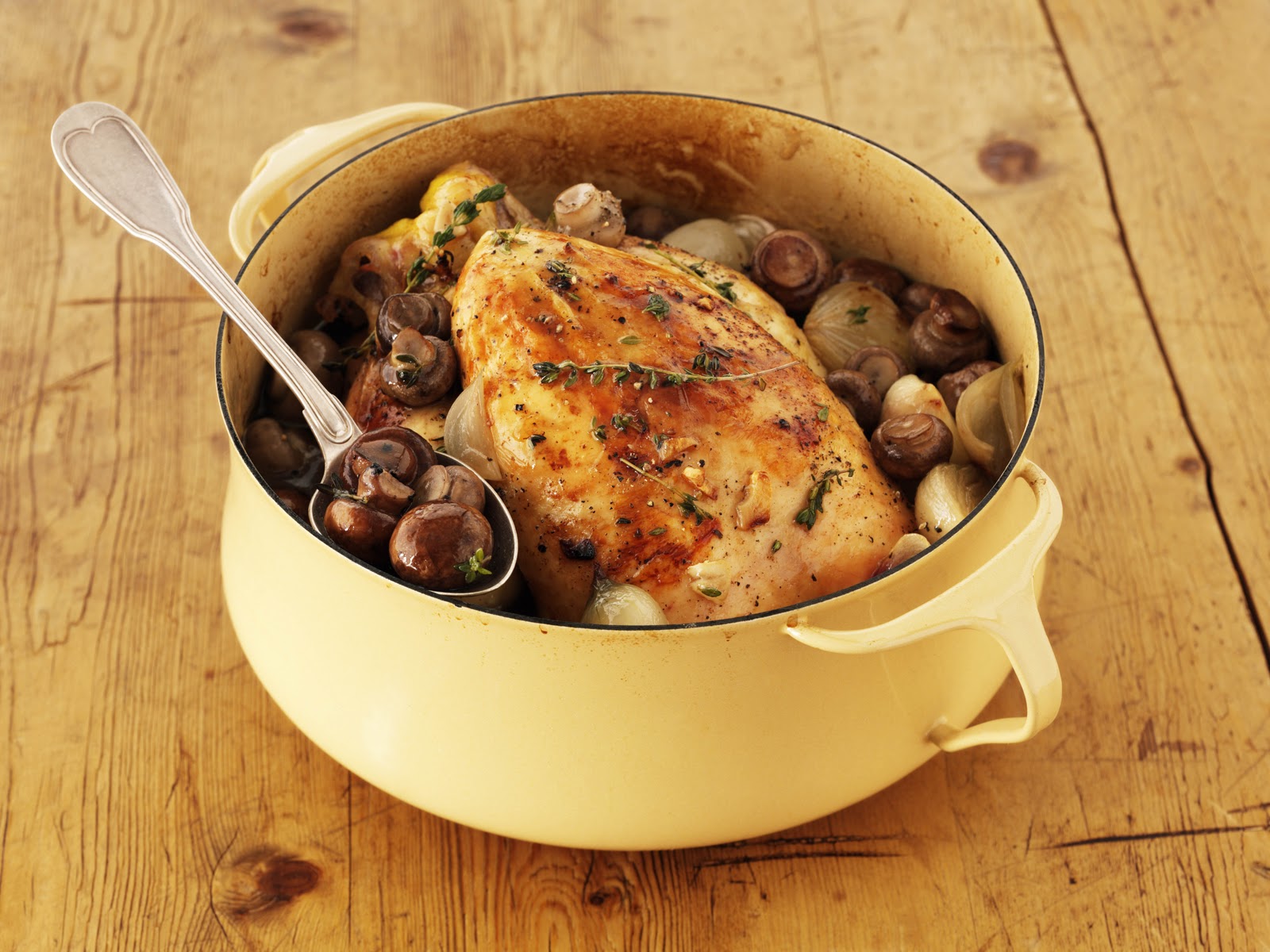
Silvana Franco’s Recipe for Month of Mushrooms: Pot Roast Chicken with Mushrooms and Marsala

 October is the ‘Month of Mushrooms’, which are in season and at their best right now. I was contacted by a representative for The European Mushroom Growers who have organised the campaign to get us all eating mushrooms when they’re at their best. They’ve sent me some recipes to look at, but I chose the one that I thought you’d all enjoy the most, snuggling up to a bowl of as the evenings darken.

Some mushroom facts:
  • They are a natural source of B Vitamins and minerals, one 80g serving counts as one of your five a day.
  • They’re also a natural source of selenium, which is important for the body’s immune system.
  • Mushrooms are low in calories and fat
  • They also contain Vitamin B5 which helps the body release energy from our food
  • Mushrooms are also a natural source of folic acid.
Celebrity chefs and food personalities have backed the campaign, including Ed Baines, Silvana Franco and Sophie Conran. This recipe is by Silvana Franco and it’s a real autumnal, cosy dish, combining the classic roast chicken with flavours of woody mushrooms and marsala wine. Enjoy!

For more mushroom-related recipes visit www.moretomushrooms.com


Pot Roast Chicken with Mushrooms and Marsala – by Silvana Franco


This is an incredibly simple, practical, yet very stylish way to cook a whole chicken. The finished dish is juicy and tender and the sweet mushroom juices make a wonderful gravy. Marsala is an Italian fortified sweet wine, if you prefer you can use sweet sherry instead.

Energy(kcal)
302
Protein
19.7
Fat (g)
18.2
Of which saturates
(g)
6.0

Carbohydrate (g)
9.0
Of which  sugars (g)
4.0
Fibre (g)
1.4
Salt (g)
0.2
One of your 5-A-DAY


Preparation: 5 mins

Cooking: 1hr 30 mins

Serves: 4-6

Costing: £1.98


Ingredients


1.5kg/3.2lb free range chicken

8 shallots, halved

2 garlic cloves, thinly sliced

2 sprigs fresh thyme, plus extra to garnish

500ml/17floz hot chicken stock

150ml/1/4pt Marsala

250g pack crimini mushrooms

15ml/1tbsp cornflour mixed to a paste with water

fluffy mashed potatoes or buttery risotto, to serve


Method


1.      Preheat the oven to 180C/Gas 4. Place the chicken breast side up in a casserole dish or small roasting tin and add the shallots, garlic, thyme, stock, Marsala and some salt and freshly ground black pepper. Cover and roast for 1 hour.

2.      Remove the lid or foil and stir in the mushrooms. Cook uncovered for 30 minutes or until the chicken has browned and is completely cooked through.

3.      Transfer the chicken to a warm serving dish and leave to rest for 5 mins. Place the casserole or roasting tin on the heat, add the cornflour and bring to the boil, stirring until the gravy thickens. Serve with creamy mash or buttery risotto.


Cooks tip:

·         Any leftovers will make delicious and freezable pot pies. Shred the meat from the bones and stir back into the mushroom and Marsala gravy. Spoon into small pie dishes or large ramekins and top with a puff pasty lid (use sheet of ready rolled) bake at 190, Gas 5 until puffed, golden and piping hot.

·         Always take meat out of the fridge at least 1 hour before roasting so it will cook evenly and not spend the first 20 minutes in the oven coming to room temperature.

Thank you to the European Mushroom Growers for providing this recipe.

Thursday, 13 October 2011

SweetFire Beetroot, Rocket and Goat’s Cheese Salad

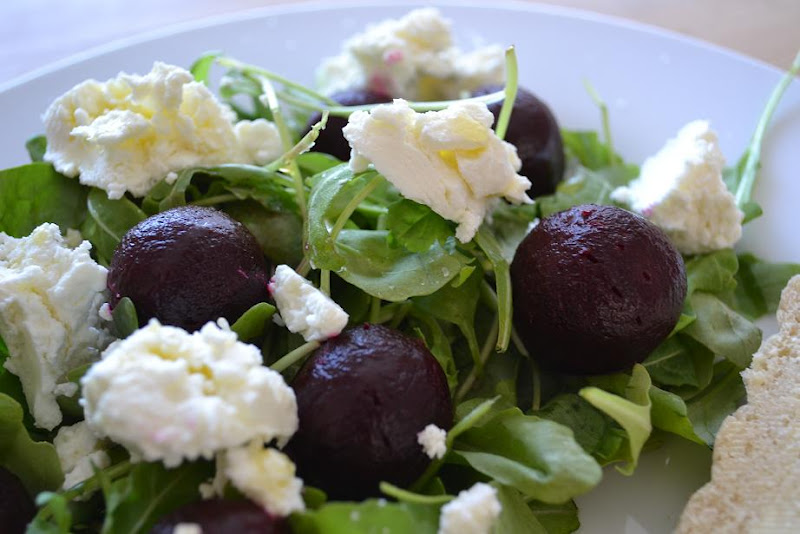
This is my new favourite salad. (Sorry, Nigella). As you know, I’ve been trying out beetroot over the last couple of weeks in various dishes and this time made the most of the SweetFire beetroot that’s available in shops. It’s just smaller beets marinaded in a chilli dressing. The variety of chilli used is called ‘Pungent’, which has been specially selected because it has high levels of capsaicin, which is the chemical that gives a chilli its heat.

I cut off a piece of the beetroot, tasted it and immediately I craved soft, white, creamy goat’s cheese. I had some curly, peppery rocket leaves in the fridge and so whipped up a quick but really tasty salad using the beetroot, which isn’t mind-blowingly spicy but just has a gentle fiery hum to it. I perked the whole thing up with some sea salt flakes and extra virgin olive oil. An amazingly quick, tasty, nutritious and healthy salad. Goat’s cheese is better for you than many other cheeses in terms of fat and cholesterol, too.


How to Do It: SweetFire Beetroot, Rocket and Goat’s Cheese Salad

Just grab a handful of rocket leaves and arrange on a plate. Carefully – so you don’t splash any juice – lift out the SweetFire beetroots from their pack and tuck them in amongst all the rocket. Cut them in half if you wish, I just left mine whole as they are a little bit smaller than the plain beetroots you buy. Then, take some goat’s cheese and drop pieces all over the salad – as much as you like. Finally, drizzle with a little extra virgin olive oil, sprinkle with a small pinch of sea salt flakes and eat. This is also great with a slice or two of your favourite bread to mop up all the juices left behind at the end. My favourite salad.

Tuesday, 11 October 2011

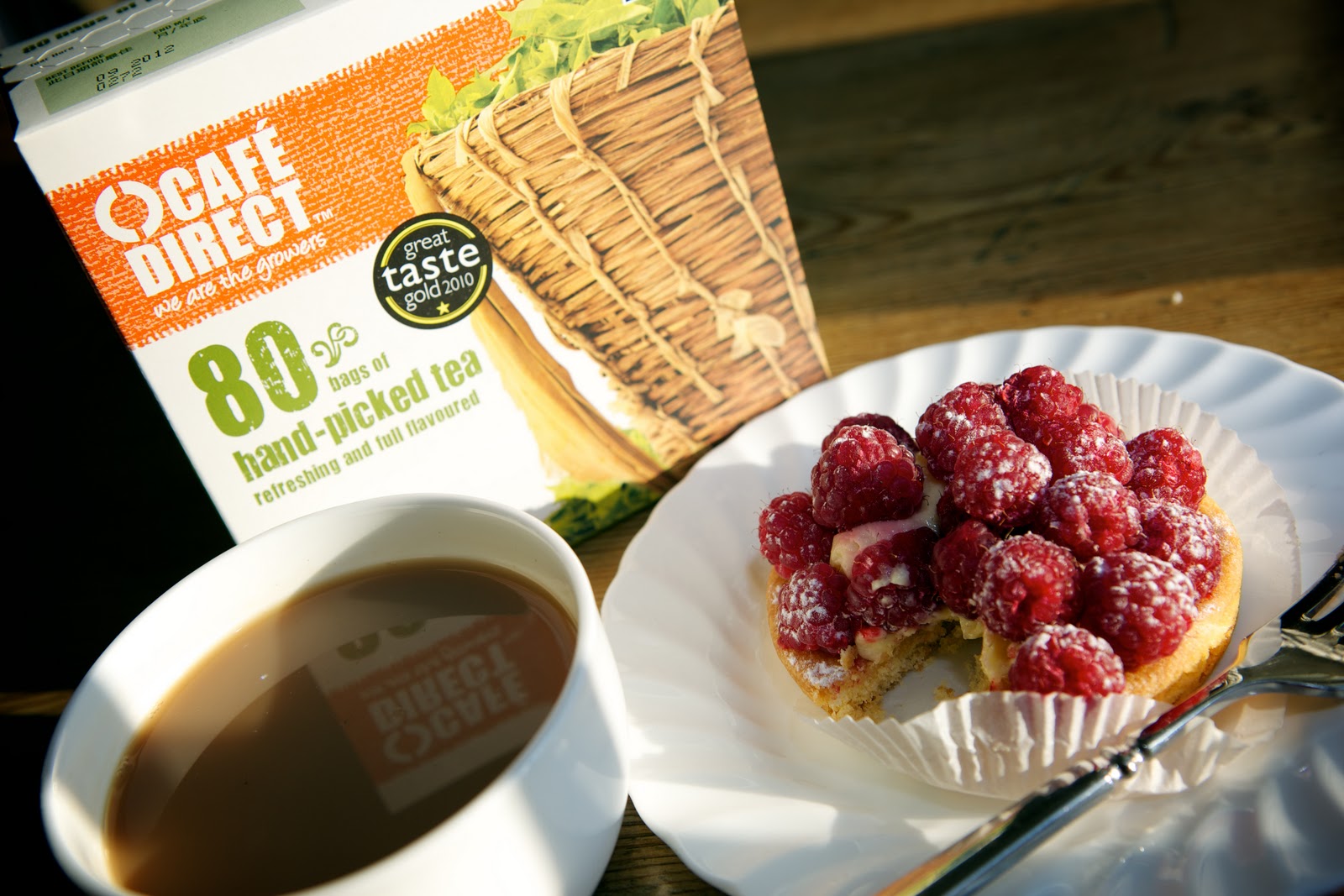
Win a Coffee Matching Masterclass with Cafédirect – but you’ve got to be quick!


I’ve been contacted by Cafédirect about a great competition they are running – you could win a place on a Coffee and Food Matching Masterclass – but you’ve got to be quick – the competition closes tomorrow! See below for details… and good luck!


Win A Coffee Matching Masterclass at London’s L’Atelier Des Chefs

This Thursday evening (13th October), Cafédirect will be taking over the kitchens of famous London cookery school L’atelier de Chefs  for a coffee matching masterclass with a twist! And we’re offering you and a friend the chance to win two places at this exclusive event.
It’s well-known that wine has different characteristics according to origin and climate, but did you know that the same factors also affect coffee? The environment the coffee is grown in makes each region completely unique – the soil, the climate and the altitude combine to create a coffee, which is a ‘foodprint’ from its area. Cafédirect would like you to invite you to a unique event to learn which coffee characteristics best compliment which food, opening up a whole new foodie experience. From chocolate pudding to gingerbread, tart au citron to vanilla cheesecake, there is a coffee to match each dessert.
You will be given a coffee tasting and matching masterclass by Cafédirect’s taste expert Thierry Akroman and then have the opportunity to create a dessert with your friend to match one of our single-origin coffee in the fabulous kitchens at L’atelier des Chefs. The pair who create the winning dessert will each take home a magnificent hamper of the entire range of Cafédirect products, plus everyone attending will get a superb gift bag.
To enter this competition, please email [email protected] with the answer to the following simple question in the subject heading:
What is the name of Cafédirect’s gourmet single origin coffee from Peru?
a) Machu Picchub) Iquitosc) Lima
You need to provide your name and a phone number where we can call you at 6pm on 12th October if you are the winner!
HURRY – THE COMPETITION CLOSES TOMORROW! 
The competition closes on Wednesday, 12th October at 5pm and winners will be notified by 6pm on the same day.  Please see read the terms and conditions here.

LinkWithin

Related Posts Plugin for WordPress, Blogger...