Tuesday, 28 February 2012

Creamy Spaghetti with Black Garlic and Parsley

I’m always excited to find a new ingredient pop up at me from the aisle of the supermarket, and it was during one (up until then) uneventful weekly shop that I saw this: black garlic. It’s just one bulb of brownish-looking papery garlic, nestled inside a plastic pouch. I dropped it into my trolley and wondered what on earth it would taste like.


When I opened up the bulb at home, I found dark, treacly-looking cloves that had a real balsamic vinegar kind of taste but some how quite sweet at the same time. I decided to incorporate it into a pasta dish at first, and so made this for lunch. It was gorgeous. The garlic sweetens on cooking, leaving just a hint of that aged, balsamic flavour behind. There’s no harshness there. It also melts away when it’s cooked in olive oil, a bit like anchovies do. We loved it and it will become a regular on my shopping list, so look out for more black garlic adventures soon. For this recipe, try not to melt all the garlic down into the sauce, it’s nice to have a few larger pieces in there amongst all that speckled creamy pasta.


Spaghetti in a Black Garlic, Cream and Parsley Sauce
Serves 2

Ingredients:
  • olive oil
  • 2 cloves black garlic, sliced
  • 200g spaghetti
  • 150ml double cream
  • handful Parmesan, grated finely
  • About 2 tbsp fresh parsley leaves, chopped
  • Salt and pepper, to taste

Method:
  1. Put a pan of salted water onto the heat and bring to the boil. Cook the spaghetti according to the instructions.
  2. Meanwhile, fry the sliced cloves of black garlic in a trickle of olive oil for about 30 seconds, until it softens. Squish it down so it infuses the sauce but keep some small chunks in there too.
  3. Pour in the cream and leave to bubble, cook for about 2-3 minutes, stirring. Take the pan off the heat and throw in the Parmesan cheese. Stir to combine.
  4. When the pasta is cooked, drain it, reserving about a cupful of the starchy cooking water, and toss with the creamy black garlic sauce. Scatter in the parsley and check for seasoning, adding salt and black pepper if you wish. Serve straight away, with extra Parmesan alongside.
Have you tried black garlic? How did you cook it and what did you think of it?

Monday, 27 February 2012

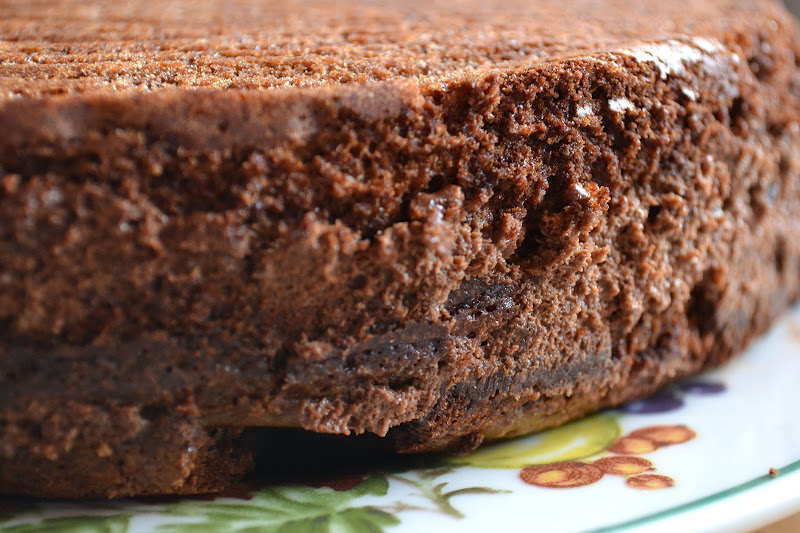
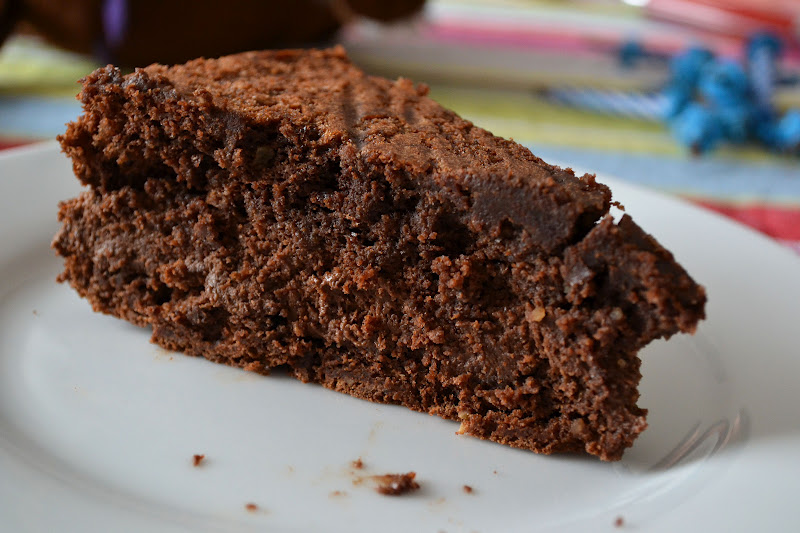
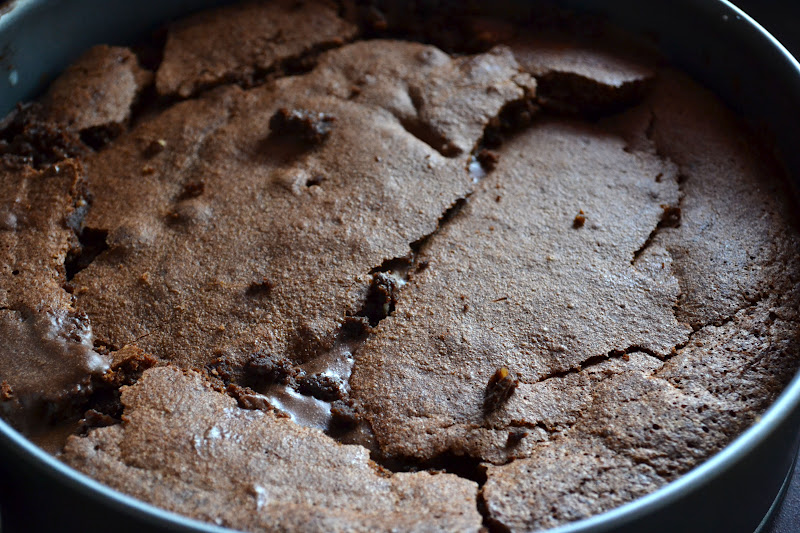
Chocolate Mousse Cake – A Right Diva

This chocolate mousse cake is a real movie-star diva of a cake. None of the steps were particularly difficult, but there were lots of them and they took ages. It’s decadent too – 225g of chocolate goes into the dampish sponge, another 225g goes into the airy chocolate mousse in the centre, and the recipe asks you to put on another 200g to make the icing on top. (I skipped that part, 650g of chocolate in one cake is too much even for me).


You have to treat this cake with care – whisking egg whites, egg yolks and double cream in various stages until they form the correct-shaped peaks. I folded it gently, scraped it carefully into the correct tin and then shut the oven door as if putting it to bed, so as not to knock all the air out of it and it still threw a wobbly at me by breaking apart when I tried to sandwich it all together. So I served it upside-down.


The recipe called for coffee liqueur to be drizzled over the slabs of cooked cake, but I didn’t have any so laced it instead with some Bols chocolate liqueur. On the plus side, it doesn’t contain huge amounts of butter or even sugar – but it does use up industrial amounts of chocolate (which really makes up for the sugar) and a total of 9 eggs – yes, all patiently separated and whisked in four separate bowls. The whole thing took 4 hours to make, including cooling time plus an overnight chill in the fridge to set it all together – and four lots of washing up. Would I make it again? Probably not. It left me exhausted. But I would hope that someone else might make one for me instead.


It was amazing. The cake itself was intensely chocolatey and the mousse was fluffy and creamy. I was actually glad I had skipped the chocolate icing on top, because it really was rich enough as it was, at least for us. The cake layers practically melted in the mouth while the mousse inbetween was gooey and soft. It was, I think, the most amazing cake I have ever made. I just wish it came without all the moody attitude to begin with.

You can make the recipe yourself (get an electric whisk ready if you do) at the Delicious website.


Friday, 24 February 2012

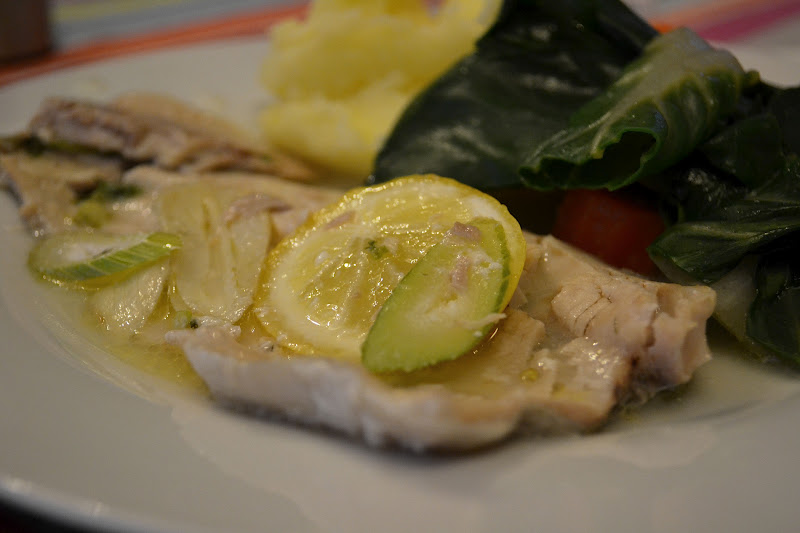
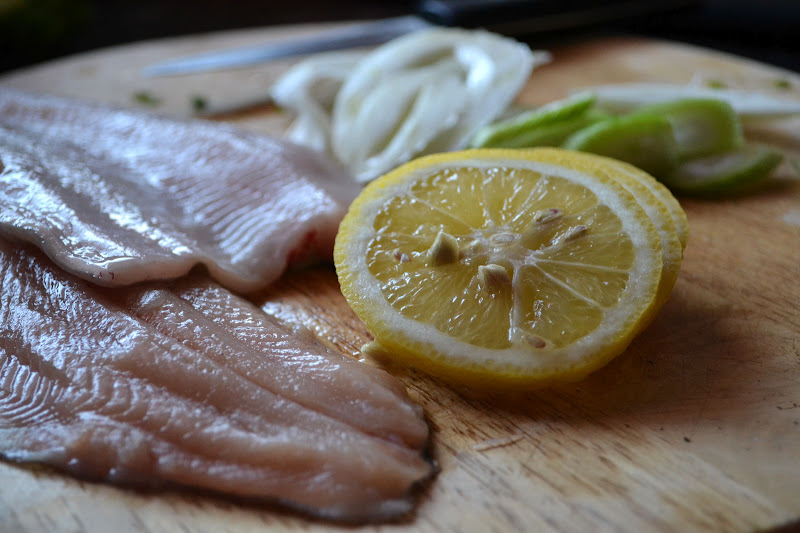
Trout Baked in Foil with Lemon, Cinzano and Fennel

One of the easiest ways to cook fish, I think, is in a foil parcel. I’ve done it with cod, seabass, salmon and trout and it’s always been terrific. You can infuse the fish with any spices and flavourings you like, then bung it in the oven and forget about it until it’s done.


You usually think of white wine when you’re cooking fish but I’d seen a Jamie Oliver recipe where he cooks roasted vegetables with Cinzano, and one day I tried it with trout. It ended up totally delicious and worked well with the aniseed flavours of the fennel, which I added to the parcel with the fish. In case you’re wondering why the trout looks so pale, it’s because I got hold of some organic trout. Amazing the difference in colour!


I like to serve this with something plain – chips, mashed potato or just a pile of wilted greens; in this case, chard. I hope you enjoy!

Fennel and Cinzano Baked Trout
Serves 4
Ingredients:
  • 4 trout fillets, with the big bones taken out
  • half a lemon, sliced into 4 slices
  • 4 slices from a fennel bulb, plus one of the ‘stalks’ and feathery tops, chopped finely
  • Glug Cinzano
  • 4 small knobs of butter
  • olive oil
  • salt and pepper
Method
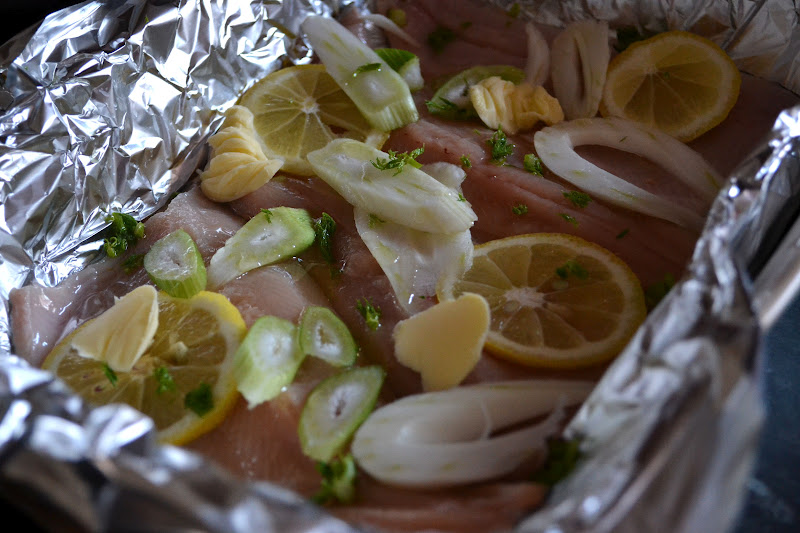
  1. Preheat your oven to 200C. Take out a large roasting dish and line with foil, with enough overhang either side to bring up to form a parcel. Line the fillets up inside the foiled dish, and pour over a glug of Cinzano.
  2. Scatter over the sliced lemon, the fennel slices, chopped fennel tops and place a small knob of butter on top of each fillet. Season with salt and pepper, drizzle with a little olive oil (not much) and then wrap in the foil, forming a parcel.
  3. Bake in the oven for 15-20 minutes, depending on the size of your fillets. When serving, don’t waste the juices in the bottom of the parcel – spoon them over the fish.

Wednesday, 22 February 2012

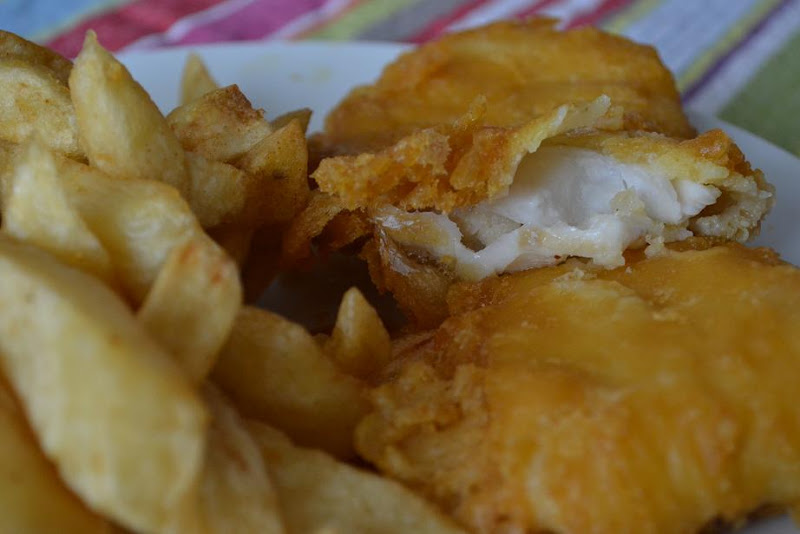
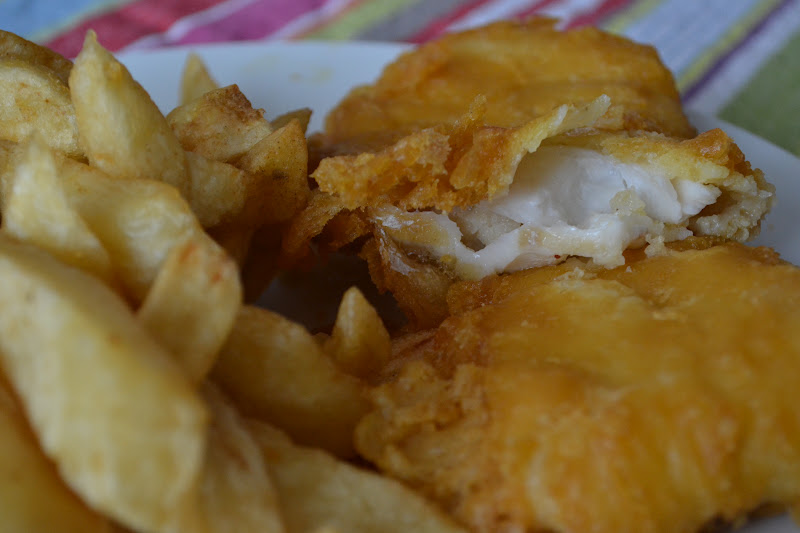
The Best Fish and Chips in Reading: Lemon Plaice, Tilehurst

The local radio station Reading 107fm recently held a contest, where listeners voted for the best fish and chips in Reading. The chip shop that won the coveted title was the Lemon Plaice, on Norcot Road in Tilehurst. It’s located on a busy main road and although there’s limited parking outside the shop, you can park in the Co-Op car park on School Road and cut through the walk way to just outside the chippy. I’d heard a lot about it from neighbours and friends, who suggested I try it out. So I did.


The first thing that struck me about the place was the huge amount of choice on offer. As well as the usual species of fish such as cod, haddock and plaice, you can try skate, rock, pollock and basa, too. I wondered why they didn’t offer the Mack Bap – I’ll ask next time I’m in there.

The fish was white, sweet and flaky and the golden batter was fairly thin and crisp. Nothing like buying what looks like a large piece of fish from the chippy, and cutting into it and finding it’s all thick batter with a tiny, dry little fillet hidden in a hollow somewhere inside. The fish here was a real joy to eat and it wasn’t soaked in grease when I took it out of the paper.

Chips, I think, are much more of a personal issue. One person, before my visit, told me the chips were the best he’s had, while another told me the fish was amazing but he preferred the chips from another chippy down the road. The chips here are chunky – more so than at other chippies in the area, but they’re still crisp and have a lightness to them – we liked them.

What I loved the most (apart from the fish) at the Lemon Plaice was the atmosphere. In my ‘usual’ chippy, customers stand patiently and silently in line, while the server quite professionally, but a bit stand-offish, takes your order and your money and you leave. Here, you walk in and you feel like you’ve met your long-lost cousins. The ladies behind the counter are funny, talkative and friendly and the customers that came in while we were waiting for our order chatted to us, too. It looks clean, tidy and it’s so welcoming.

Great portions, great service, and above all, great fish. I’ll definitely be returning here. For more information, check out the news article on the Get Reading website or if you’re local, pop down there yourself!

The Lemon Plaice is at 2 Norcot Road, Tilehurst, Reading RG30 6BU, Tel: 01189 427086


Monday, 20 February 2012

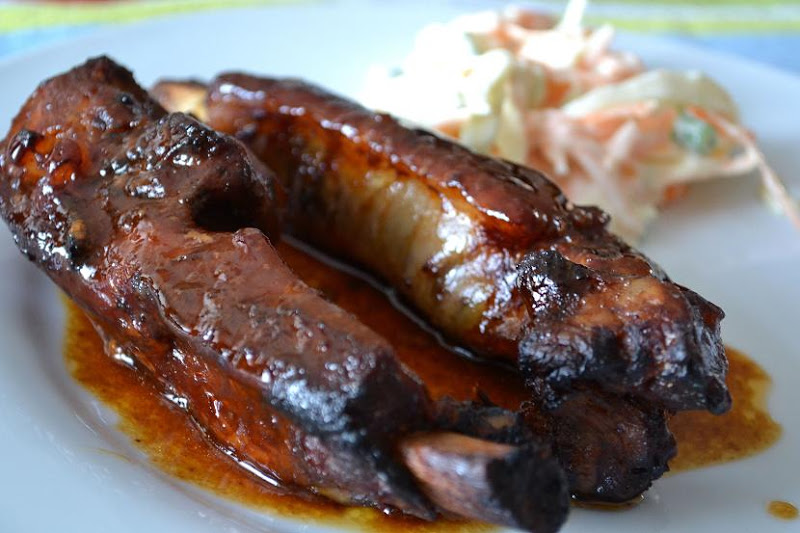
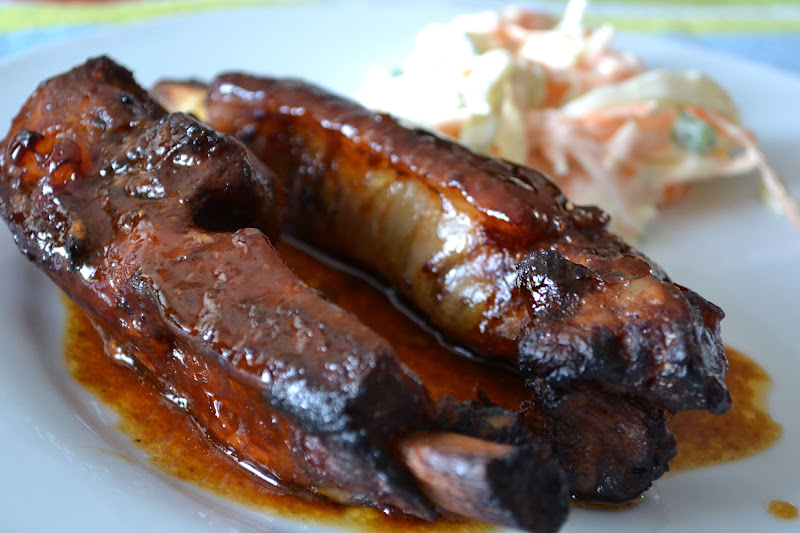
Slow Cooker Pork Ribs in a Barbecue Sauce


I seem to be cooking all sorts in the slow cooker these days, and using it more often than my oven for cooking meat. I sometimes feel that slow cookers are regarded as a bit old-fashioned these days; even Nigella gave them a thumbs down in the introduction to her book Kitchen. But I love mine, and it’s become as essential in our kitchen as the toaster or kettle.

I happened to notice a barbecue ribs recipe done in the slow cooker on Pinterest the other day and so I thought I’d give it a go myself. The recipe I saw suggested standing up a whole rack of back ribs in the slow cooker on its side but as my ribs were all chopped into individual chunks, I just slathered them in BBQ sauce and dumped them into the crockpot but made sure to put a layer of onions on the base to stop them sticking. There isn’t much liquid at all and so I was paranoid about it sitting on the bottom and the meat sticking to it in a jammy mess. But it didn’t. The onions, as they cook, let off quite a bit of steam by themselves, helping to cook the ribs.

They were so easy to make, soft and tender and the meat just fell off the bone. My children loved the carnivore element of nibbling on the ribs and we served ours up with home-made coleslaw and chips. Next time I make them I’m going to give them a Chinese marinade instead. Cheap, cheerful and so, so tasty.

Slow Cooker Pork Ribs in a Barbecue Sauce
Serves 4-5
Ingredients:
  • 10 meaty pork ribs
  • 1 bottle of your favourite Barbecue sauce
  • 1 large onion
Method
  1. Switch on your slow cooker and set it to medium. Peel and slice an onion, and lay the slices in the bottom of the crockpot. With your hands, rub the bottle of barbecue sauce into the ribs, making sure each one is well covered. Place the ribs in the slow cooker on top of the onions and tip in any remaining sauce. Put the lid on and leave to cook for 4 hours, on medium.
  2. Once the 4 hours are up, switch the slow cooker up to high and cook for a further 2 hours. At the end of the cooking time, push one of the meatier ribs with a spoon; the meat should move away from the bone but still be fairly firm. Switch off your slow cooker and preheat your oven to 220C.
  3. Line a baking tray with foil and remove each of the ribs carefully with tongs (you don’t want them to break up too much, but if they do don’t worry) and transfer to the foil-lined baking tray. Spoon out some of the liquid in the slow cooker and drizzle over each of the ribs. Cook in the oven for about 10 minutes, until crisp on the outside.
  4. While the ribs are in the oven, discard the onions and tip the sauce into a shallow pan. Bring to the boil and cook until the sauce has reduced and thickened. Serve the ribs and ladle some of the sauce over them.


Baked Pork Ribs

Saturday, 18 February 2012

The Heart Attack Grill – My Thoughts

The news broke this week of a man having a heart attack while eating a ‘Triple Bypass Burger’ at the aptly named Heart Attack Grill in Las Vegas. The restaurant has a hospital theme – diners dress up in hospital gowns, while they’re served by ladies in tight nurses outfits with stethoscopes. Their logo is ‘Taste Worth Dying For’ and if you weigh over 350lbs, you get to eat for free.

The Quadruple Bypass Burger at the Heart Attack Grill


The meal in question consists of a Triple Bypass Burger, which itself contains three burgers, onion, bacon, tomatoes and cheese in each layer – held together by a burger bun. And that’s not the biggest burger they serve up. They also serve a ‘Quadruple Bypass Burger’ that’s packed with 4 burgers and all the toppings. According to reports, the unfortunate diner was also eating ‘Flatliner Fries’, which the menu boasts is ‘deep fried in pure lard’ and served on an ‘all you can eat’ basis. If you’re feeling thirsty you can chug down a butterfat shake, which the menu enthusiastically declares is ‘literally pure cream’. It’s all girdle-busting stuff.

I expect you’re all waiting for me to launch into a tirade against fast food and establishments like this that glorify and actively encourage unhealthy eating. But I’m not going to. Yes, the theme of the restaurant is morbid and it’s true that bypass operations are not funny, as has already been pointed out. But it’s no more morbid than Eternity in the Ukraine, where in the death-themed dining room, people eat amongst coffins. Or the sushi bar Cannibalistic Sushi in Japan, where customers pick out sushi cut into the shape of human organs from a fake human corpse.

Medical organisations in the US have called for the restaurant to close, and the press have been pointing fingers at not just the Heart Attack Grill but at the industry in general since the news broke earlier this week. But what we all seem to be forgetting is that the power lies not with the restaurants and the fast food industry, but with the consumers. In this day and age, you have to know that if you’re going to chow down on a 4-burger, 8000-calorie sandwich, fries deep-fried in lard and a ‘pure cream’ milkshake that you’re not doing your body any good. Even their ‘Single Bypass Burger’ with just one beefburger, bacon, onion, cheese and tomato is smothered with actual lard. A warning on the grill’s door actually warns you that the place is bad for your health. These skimpily-dressed nurses aren’t driving round to people’s homes and forcing them to eat this stuff. People are travelling there and downing these fatty meals out of choice. And just because the restaurant says you can have it all free if you’re over 350lbs, it doesn’t mean that you should. Yes, the restaurant is being irresponsible but a bit of common sense wouldn’t go amiss here.

And so rather than call for the restaurant to close over this, I think it would be far more effective to for people to realise the power each of them has by using their feet. If you want to live longer and have a healthier heart, eat healthily and stay away from too many ‘Bypass’ burgers.

Check out the video here:


What do you think about this? Should the restaurant be forced to close? 

We Should Cocoa Challenge: Savoury and Vegetarian

Bear with me, because this is a bit crazy. But it’s not bad, although I admit it could do with a bit more tweaking before I’m really finished with it. This month, the We Should Cocoa challenge, hosted by the Chocolate Log Blog is to create something savoury and vegetarian that includes some form of chocolate. If it was savoury and the vegetarian aspect wasn’t there, that would be easy. Venison in chocolate sauce, chocolate chilli con carne, that kind of thing. But it was, and so I racked my brain for something veggie that would go with chocolate.

And then it hit me. I once interviewed Jean Christophe Novelli and he told me that a secret to making a rich gravy is to add in some cocoa powder to the pan as you sweat down the onions. Cocoa and onions… OK, I thought. And then, as my mind raced, I remembered my recent adventures in goat’s cheese when I found it tasted actually pretty good with dark chocolate. And so the concept, at least, for the Chocoholic’s Onion and Goat’s Cheese Tart was born.


I made this a couple of times, and the cocoa powder really did give a darkness and sweetness to the caramelised onions. The goat’s cheese was tart enough to balance all that out – and then you have the crisp, puff pastry to balance out all that soft onion. I liked the taste of it – it didn’t really taste of the cocoa as such, just dark, sweet, gooey onions. The only problem the first time I made it was the aftertaste – a few minutes after eating you could have convinced yourself that you’d just wolfed down a chocolate brownie and not something savoury at all. The second time, I used much less cocoa powder and it was lovely. I’m not sure if this is the finished dish yet though, I’m going to keep tinkering with it until I’m absolutely sure. But here it is, at least for now…

Chocoholic’s Onion and Goat’s Cheese Tart
Serves 2
Ingredients
     
  • A rectangle of puff pastry, rolled out to around 5mm thick (size: 13cm x 19cm)
  •  
  • 1 large white onion
  •  
  • ½ tsp cocoa powder
  •  
  • ½ tsp dark brown sugar
  •  
  • a sprig or two of fresh thyme, or dried if you have it
  •  
  • 80g soft goat’s cheese
  • Beaten egg, for brushing.
  •  
Method
     
  1. Slice the onions and tip into a frying pan with a knob of butter and a trickle of olive oil and fry gently until they are soft. Add the cocoa powder and brown sugar  and stir to coat the onions. Continue to cook until they are soft and a bit jammy, about 15-20 minutes more. 
  2. Preheat the oven to 220C. Score a rectangle just inside the pastry, a centimetre or so in, where you want the border of the tart to be. Brush with beaten egg, especially around the border and carefully spoon in  the onion mixture, keeping it within the scored rectangle. Top with some thyme leaves, and slice up the goat’s cheese and arrange on top.
  3. Bake in the oven for 15-20 minutes, until the pastry has puffed up and the goat’s cheese is slightly browned.

Have you ever cooked a savoury recipe with chocolate or cocoa?

Thursday, 16 February 2012

The Last Meal on the Titanic

This April marks the 100th anniversary of the tragic sinking of the Titanic, which took place on the night of the 14th April 1912. The story of the Titanic has always fascinated me, even since I was a child. I grew up in Southampton, where the cruise liner set off at Southampton docks for New York. Many of the workers on the ship were from Southampton and the city suffered a huge loss of life when she sank.

A few years ago I managed to trace back my paternal family tree to 1730. I stumbled across a document from 1912 which named a relative of mine as due to work in the engineering room of the Titanic: but for whatever reason, he was listed as never showing up that day for work – a decision which might have ultimately saved his life.
Titanic at Southampton Docks, 1912: Photo: Public Domain
We were also in for a treat one day at school. I remember being about 9 years old, and we had a visit from one of Titanic’s survivors. He was I think 4 years old on board the ship and he sat with us in the school library and shared what he remembered from that day. And even though he was very young at the time, his memory was vivid. He remembered the panic, he remembered the lights going out on the huge ship and he remembered being rescued on the lifeboat.

To mark the event in my own special way, I decided to cook my version of the last meal that was served in the first class dining room on board Titanic on the night that she sank. The first class diners ate lavishly. Unaware of their fate that night, they feasted on oysters, roasted duckling, beef and various soups. They washed it all down with champagne (unopened champagne bottles can be seen on the seabed next to the wreck), before finishing off with chocolate and vanilla éclairs, French ice cream and a peculiar dessert named ‘Waldorf pudding’. It’s not thought that this necessarily has anything to do with the Waldorf Salad of apples, walnuts and celery but records from the menus of other liners at the time suggest it was a creamy vanilla pudding with diced apples and nutmeg.

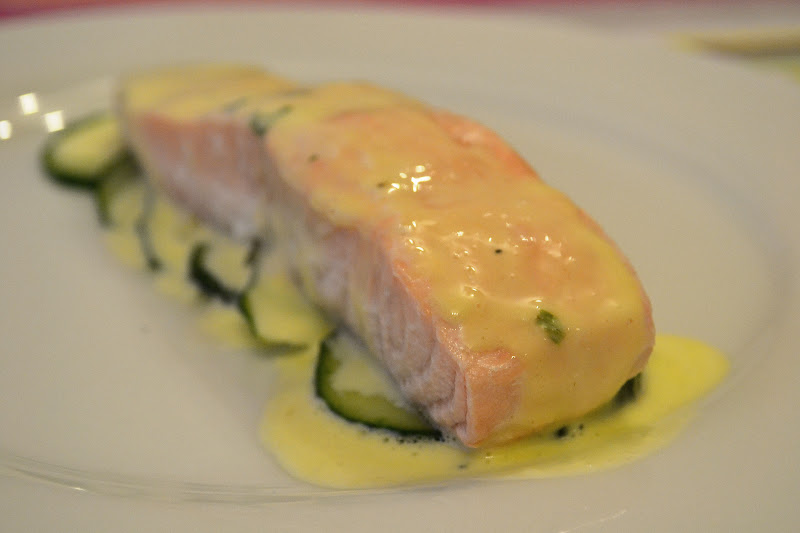
For my Titanic feast, I chose a starter of salmon mousseline: a poached salmon fillet with a moussey, tarragon-flavoured sauce. Chefs on the Titanic served this up with cucumber, and for the sake of authenticity, I did too. For the sauce, you just whisk egg yolks, white wine vinegar and Dijon mustard together, trickle in some melted butter, whisking all the time, and finally gently fold in some foamy whipped cream. It was a huge success. The mousseline sauce cut through the oily salmon and was so light to eat you’d never guess it was made up of such rich ingredients. For modern tastes, I did wonder if the cucumber was necessary; the mousseline sauce is fresh-tasting enough. But we loved it. I used Kevin Woodford’s recipe if you want to make it yourself.


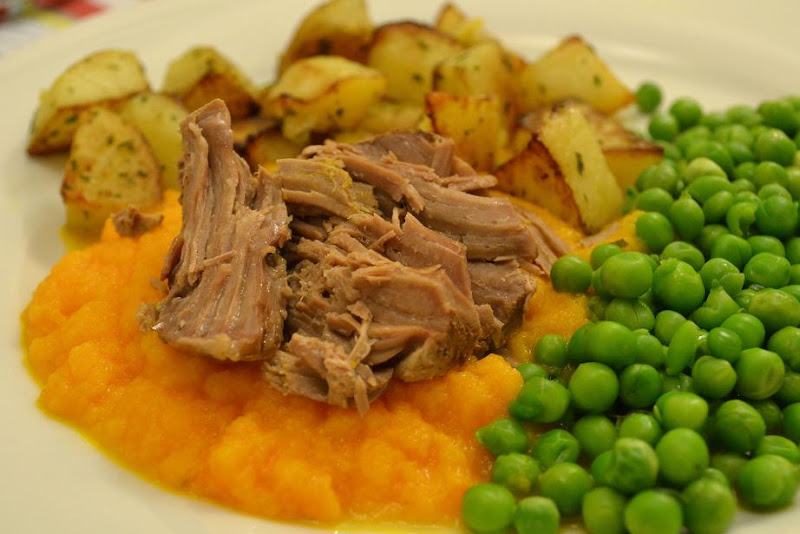
For the main course, I chose lamb, which was served up on Titanic with creamed carrots, green peas and parmentier potatoes. Parmentier potatoes is just a fancy name for diced potatoes that are roasted with herbs, and they were easy enough to make. The lamb was also served up on the cruise ship with mint sauce – an old-fashioned but great combination, and the Parmentier potatoes were cooked with butter, chopped parsley and (I couldn’t help myself) a crushed garlic clove or two. I doubt they would have had frozen peas on Titanic – or fresh – they were most likely tinned I would have thought.


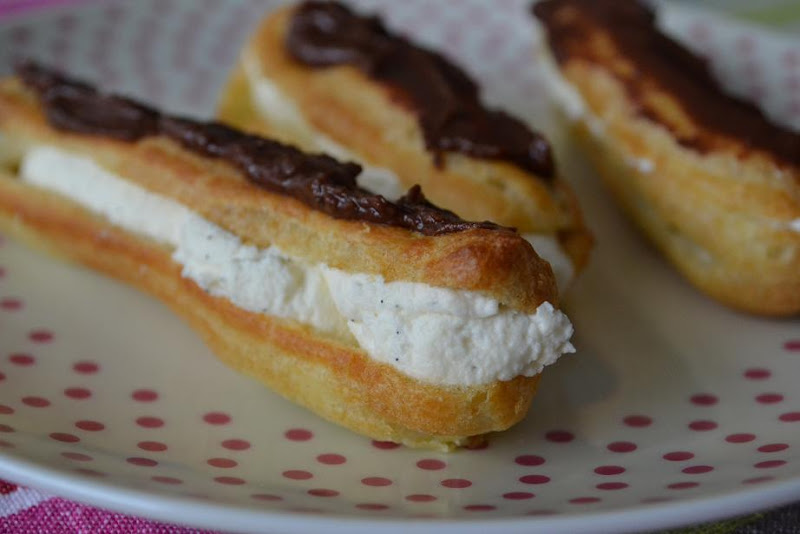
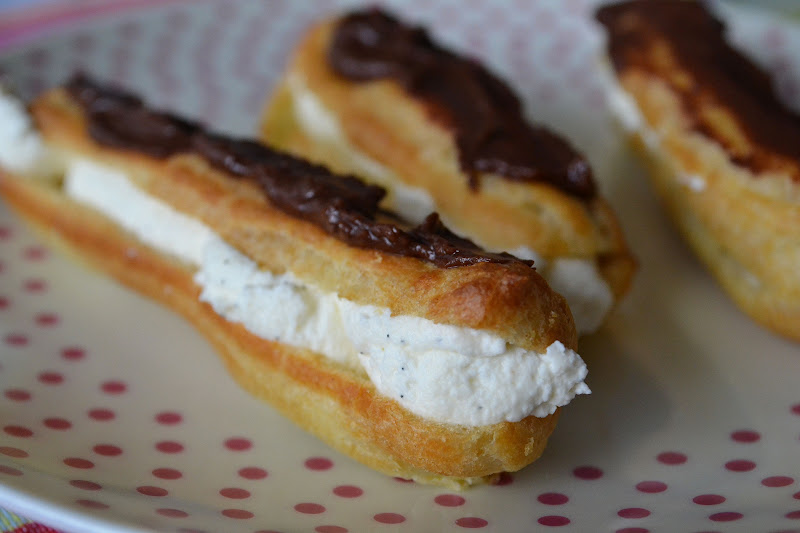
Finally, to finish, we tucked into chocolate and vanilla éclairs. These were gorgeous, and far better-tasting than anything ready-prepared and bought from a shop. I whipped the cream and added only the seeds from a vanilla pod – no sugar. I then split the choux buns, filled them with the vanilla cream and gave each of them a topping of dark chocolate sauce. They were small – enough for a couple of bites. But they were enough. It just goes to show how rich the first class food on Titanic was. I used Simon Rimmer’s recipe, but just added vanilla seeds to the whipped cream.


I enjoyed my experiment and my travel back in time to make this meal – but while it does bring home the lavish diet of first class Edwardian passengers, it also gave me a sense of respect and what each of those passengers and crew members went through on that night in the cold, icy Atlantic.


Tuesday, 14 February 2012

Mini Vegetable and Mozzarella Calzones

One of my guilty food pleasures of late is watching Man v Food on Dave, mostly silent though, and open-mouthed. And in one episode, one of the food challenges was to eat a ginormous calzone. And, watching how it was made, I knew I had to have one. Just much smaller.


A calzone is basically a pizza, but folded over and then baked. It looks a bit like a Cornish pasty but it’s made using bread dough and not pastry. You just knead together your bread flour, water and yeast with a little salt and sugar to make a regular bread dough. Leave it for its first proving for about 30 minutes. While the yeast is getting to work with that, you basically chop up all sorts of different vegetables and put them in a pan with some olive oil.

I used pitted olives, courgettes, aubergines, spianch, garlic and a couple of tins of tomatoes with some herbs. You could really add anything you like – mushrooms, cooked meat, pepperoni even. Cook until soft and a bit jammy, and then put to one side. When it’s cooled down, you can tear in a couple of balls of mozzarella.
 

Once your bread’s risen, tear off little blobs just slightly smaller than a tennis ball and roll out in a circle until they are about half a centimetre thick. Then dollop a couple of spoonfuls of the cooled filling onto one half of the dough circle. Make sure everyone gets some cheese. Press or fold the edges over to make a pasty shape and lay them on a floured baking tray (I use greaseproof paper). Leave them for 5 minutes or so until your oven is preheated (200C).


Bake for about 15 minutes – you can slash the tops if you like, so some of the sauce comes out and colours the top. Once they’re golden, the bread is cooked and the veggies are hot all the way through, they are ready. They will also be volcanically hot. Leave to cool slightly before tucking in. We used these for lunchboxes and quick snacks. They’re good cold, but I prefer them hot. Heat cooled ones in a hot oven for about 10 minutes. 


There’s a great recipe for calzone in Jamie Oliver’s book Happy Days with the Naked Chef and also another one online here. I don’t think it matters too much what you fill your calzone with, just think of anything you’d stick on a pizza and go for it!


Sunday, 12 February 2012

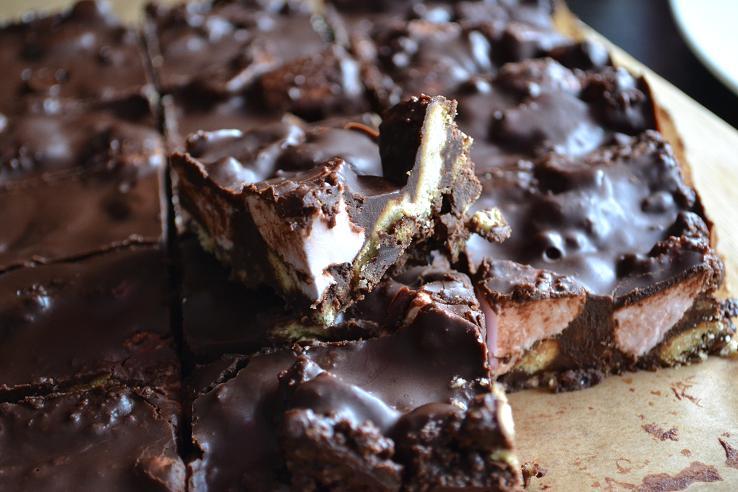
Dr Jo Prescribes… Rocky Road Crunch Bars

 
We were going about our usual, chaotic business one Sunday morning when we received a text message from a friend to say he’d been in hospital for an operation but he was back home now and did we fancy popping over to visit. Being housebound is lonely stuff, and not only did we head on out the next morning, we took a box of these: Rocky Road Crunch Bars.


Chewy, crunchy, chocolatey – what could go wrong? I know, as well as anyone, that this stuff soothes the soul and it was of course, happily received, as we sat and listened to the drama of a few days before.


This guy is always happy, even when he’s showing off his surgery scars, but a square or two of Rocky Road with a cuppa has got to help, too.


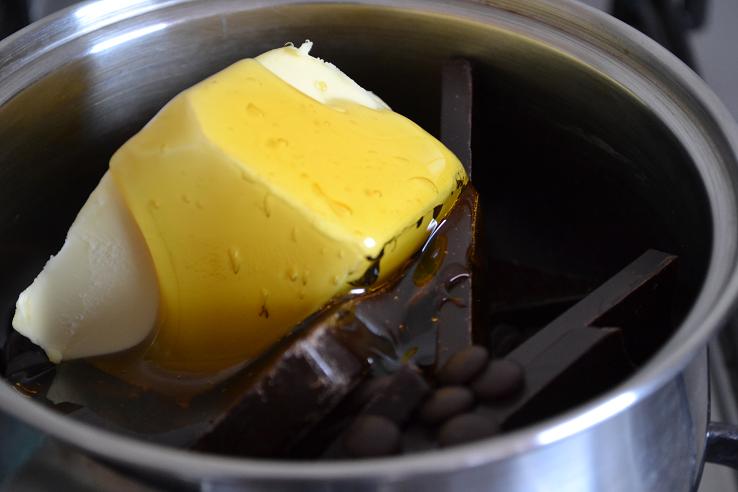
Make it yourself, it’s a Nigella recipe that you can find on her website, requires no baking – just melting a few ingredients, stirring together and setting in the fridge. It’s ready to eat in about 2 hours.


Friday, 10 February 2012

Milanesas de Berenjenas (Breaded Aubergine Milanesas)


“You know what you could do with these,” suggested my husband, jabbing a fork at his plate of Aubergine Parmigiana. “You can make milanesas with them.” Now there was a thought. Chunky slices of aubergine, coated in breadcrumbs and then fried for a couple of minutes on each side.

They were good – but I couldn’t eat too many of them at once, they were surprisingly filling. Like the palm hearts, he used to eat them in Argentina, sprinkled with a little salt. But all I wanted to do with them is slide them into a split, soft bread roll – kind of like a veggie burger, with crunchy lettuce and mayo and all the other trimmings. I’m making these again – they’d make a cracking quick lunch.

Milanesas de Berenjenas (Breaded Aubergine Milanesas)
Serves 2

Ingredients
  • 2 smallish aubergines
  • 1 clove garlic, chopped finely
  • 2 eggs
  • about 200g breadcrumbs (you might need more)
  • a pinch or two of dried thyme
  • Oil for frying
Method:
  1. Crack the eggs into a shallow bowl and add the garlic. Beat together lightly with a fork and leave to one side while you get on with the aubergines. Put the breadcrumbs in another shallow bowl and stir in the thyme.
  2. Give the aubergines a quick wash, and then chop off the stalk. Slice them into 1cm thick rounds.
  3. Heat a trickle of oil in a frying pan. One by one, dip the aubergine slices into the egg and then the breadcrumbs and lay carefully, in one single layer, into the hot pan. When golden and crisp on the bottom (about 2 minutes), turn them over. Continue until you’ve used up all the aubergine slices; you might need more egg (depending on the size of your eggs) or more breadcrumbs – just see how you go – there are no exact measures here.
  4. When golden on both sides, drain on kitchen paper, sprinkle with a little sea salt and eat; either as they are or as above, in a soft white bap with lettuce and mayo.


Wednesday, 8 February 2012

Random Recipes Challenge: Custard Tart

 
So for this month’s Random Recipe Challenge the theme was to pick out the first cookbook we’d used for the challenge. For me, this was the hefty (and now dog-eared) Great British Classics by Gary Rhodes. I don’t use this book enough. I’ve never had a Gary recipe go pear-shaped, and there are all sorts of classics in there like steak and kidney pudding, fancy chocolate puddings and also a cracking Simnel Cake.


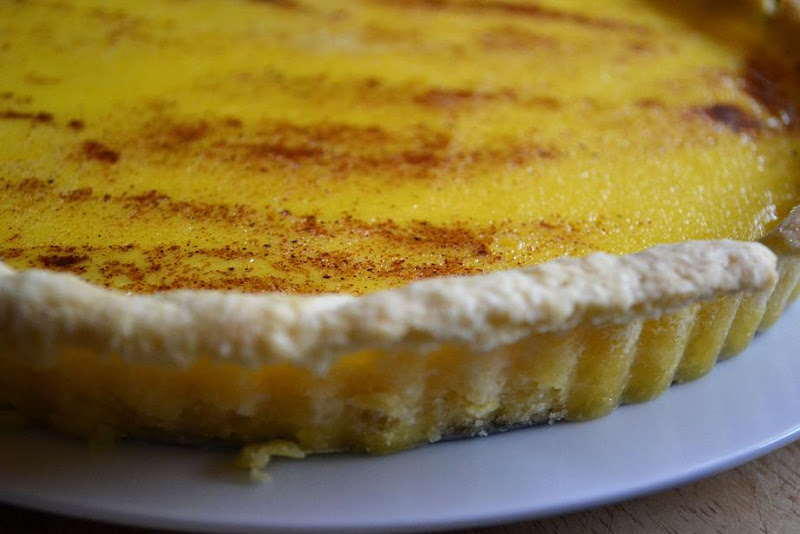
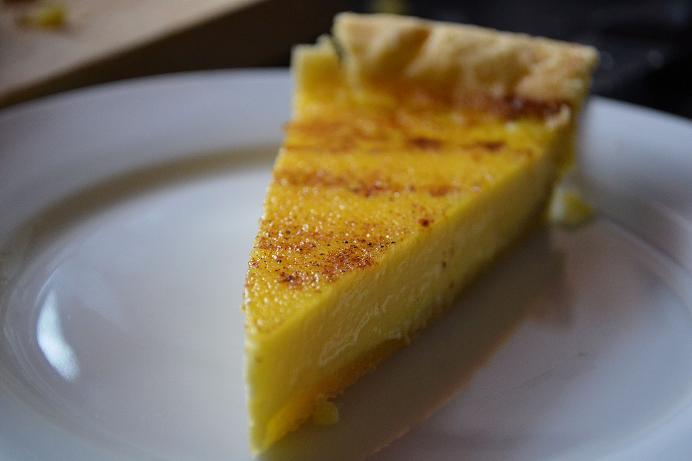
What I saw though, as I opened the pages at a random point, was a recipe for a custard tart. This was good. I love them, all wobbly and yellow and dusted with nutmeg. But making them isn’t, for me, without its mishaps. I normally dribble some of the custard mixture onto the oven floor when I’m filling it, the pastry doesn’t go quite right, or I get lumps of scrambled eggy stuff inside.
 

But with this, everything went really well. OK, some of the custard sloshed onto the oven floor as I topped up the tart case, but I just cleaned it up afterwards. But the pastry was crumbly and not at all soggy, and the custard set beautifully.
 
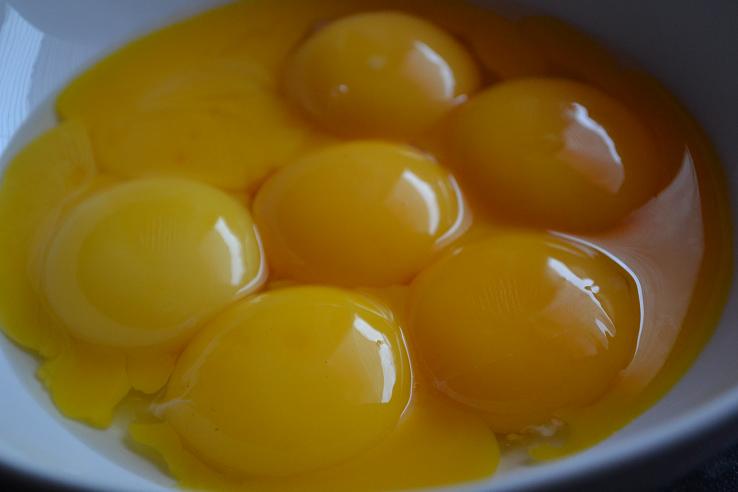
And for anyone a bit iffy about making custard tarts, it is actually really easy. You just whisk egg yolks with sugar and then slowly pour on boiling cream, whisking all the while. Then you sieve it, and pour into a cooked pastry case. That  then goes into the oven for about 30 minutes.


You also have to follow Gary’s advice on serving it. I’d always eaten custard tarts straight from the bakery fridge. But you have to enjoy them at room temperature to get the best flavour and texture. It’s amazing how different this tastes when it’s warmed up a little bit on the kitchen worktop. And I have to say, my wobbly yellow home made custard tart seemed to have so much more flavour than the pale, rubbery ones I’ve eaten before.
 
A Random Recipe success! If you want to take part in Dom’s Random Recipe Challenge, visit the Belleau Kitchen blog.


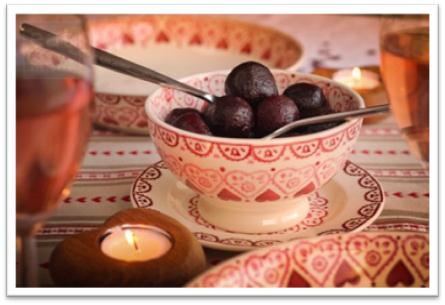
Chocolate and Mint Flavoured Beetroot

Yes, it’s true! Up until the end of Valentine’s week, you can buy beetroot infused with chocolate and mint flavours. The people at Love Beetroot have also revealed that beetroot contains tryptophan, which is also found in chocolate, and gives people a ‘sense of wellbeing’. They also say that the ancient Romans considered beetroot an aphrodisiac *raises eyebrow*.


You can find it in Tesco stores, priced at £1.25 for 180g. I haven’t managed to get out and try any of it yet, but I will. If you do, let me know what it’s like!

In the meantime, check out the Love Beetroot website for more information and recipes.

Monday, 6 February 2012

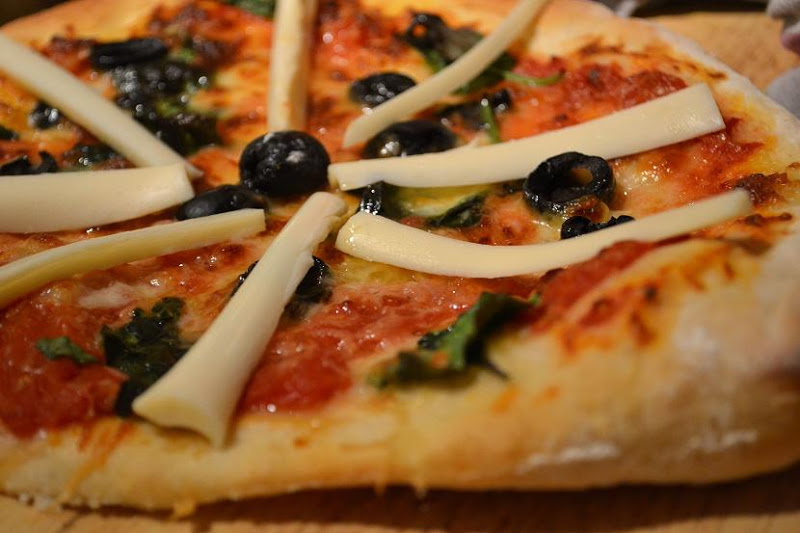
Pizza Con Palmitos (Pizza with Palm Hearts)


My husband is from Argentina but he’s lived and worked in the UK for the last 12 years. So he always gets excited when he discovers something over here that he used to eat over there. And one day, while pushing a shopping trolley around our local Sainsbury’s, he found one. Palm hearts, or ‘Hearts of Palm’, if you’re being exact, are the pale stalks from the middle of a palm tree.

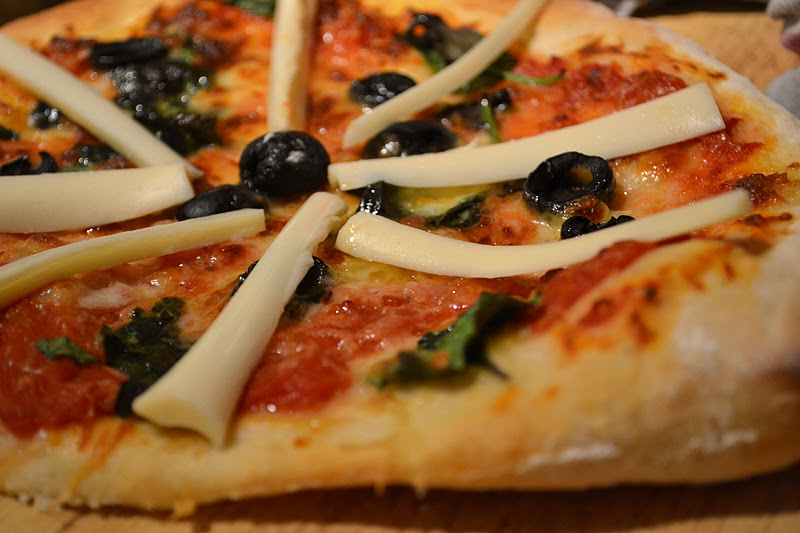
He told me, as he dropped a tin of them into our trolley, that in Argentina they are most commonly eaten on pizzas, or in salads. He said they’re also eaten quite a lot with fish and seafood and slathered with mayonnaise or Marie Rose sauce. So for dinner that night, we decided to try them on a pizza.

They have an unusual texture (I wish I’d taken a picture to show you but he made off with the tin and wolfed them all down before I could). Kind of a bit like a cheese-string, you can ‘peel’ the soft cylinders into strips. They have a mild asparagus taste to them, and are very soft and wobbly. You can cut them into coins, pull them into strips and toss them into salads. When I read the tin and mentioned they can also be eaten hot in pasta dishes, he pulled a face. So I’ll have to buy another tin to try that one, then.

Have you tried Hearts of Palm? Did you like them, and how did you eat them?

Thursday, 2 February 2012

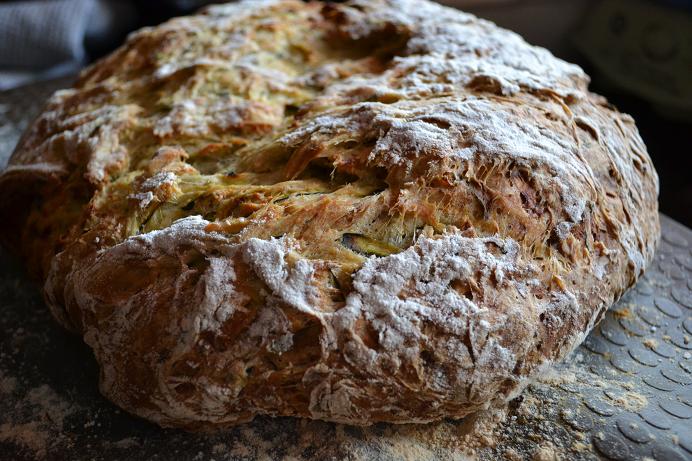
Jamie Oliver Courgette and Goat’s Cheese Bread: My First Jamie Fail

Well, it had to happen some time. I’ve been cooking Jamie’s recipes for years and everything went pretty much smoothly up until now. Up until I decided to pluck Jamie’s Happy Days with the Naked Chef from the bookshelf and make courgette and goat’s cheese bread.


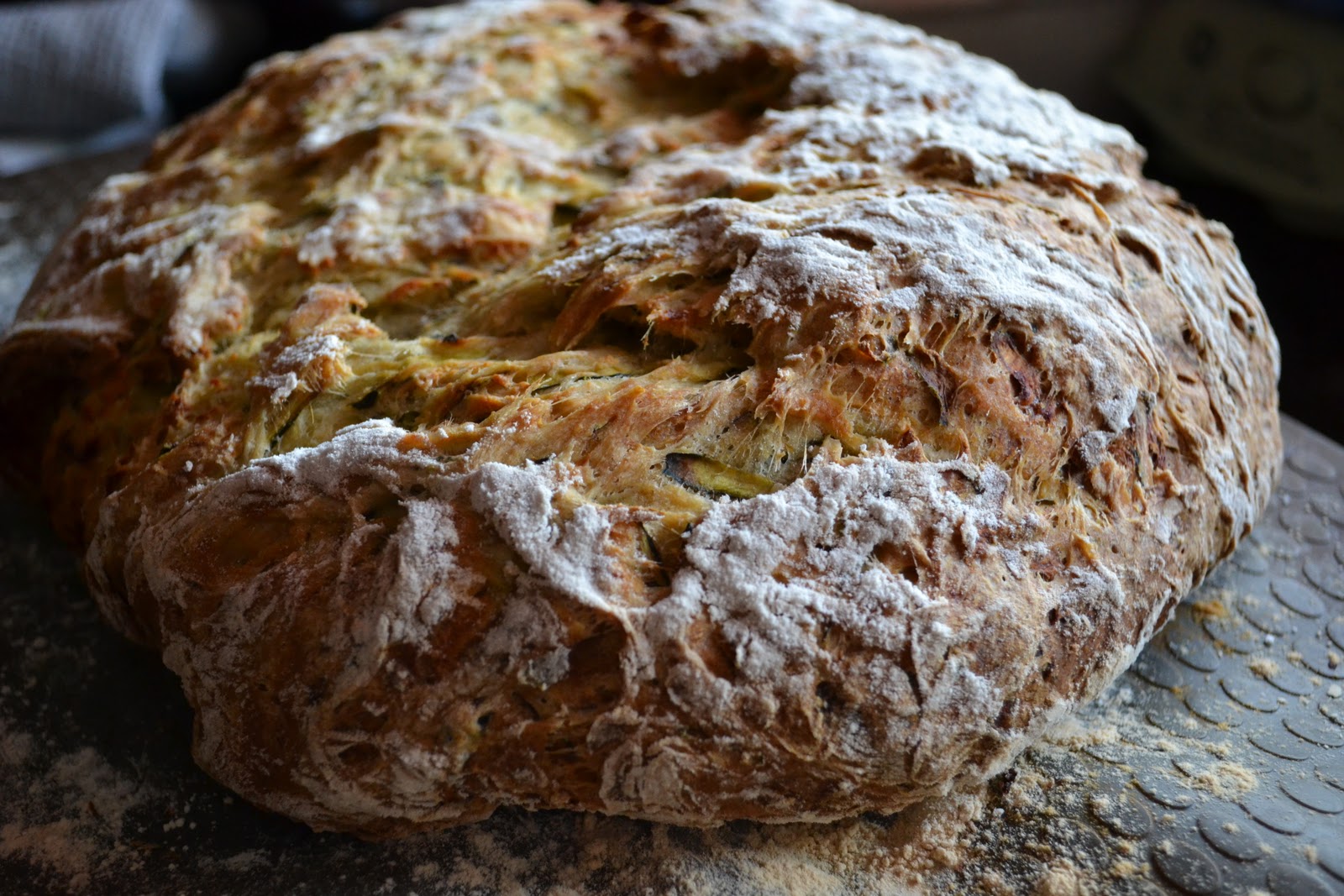
The recipe states to take a basic bread dough and mix in 6 large courgettes (grated) and two small rounds of goat’s cheese, crumbled up. Then you knead it all together, let it prove and chuck it in the oven for half an hour, where it should emerge, as the photo in the book proves – fluffy, light and speckled with green.

For me, not so. I did follow his advice that the courgettes will let off some of their own water and so only added just under half a pint of it – as instructed – to the 1kg of bread flour, yeast, salt and sugar. My courgettes were pretty massive so I only grated up 5 and added them to the mixture. I was even careful to watch the clock while I kneaded for the required 10 minutes “until it stops being sticky” but I was still there, waiting for it to lose its stickiness 20 minutes in.

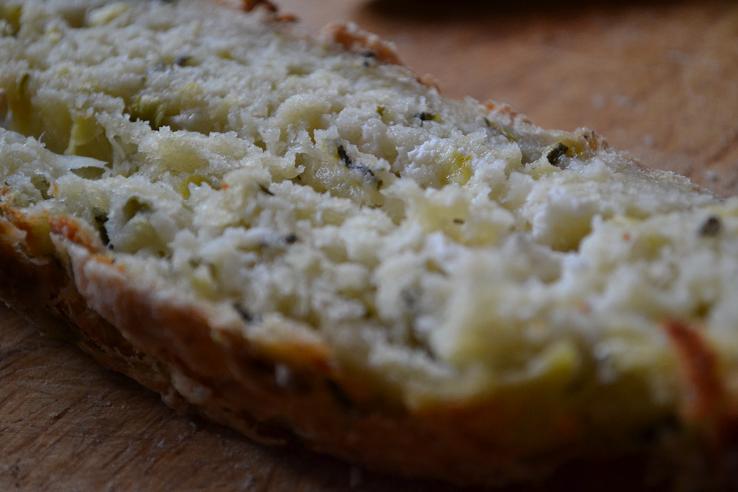
To try and save it, I kept chucking on more flour, which didn’t help, it just soaked it up and went sticky again. Eventually, with probably another half a bag of flour added, it did lose its stickiness and became a floury, elastic lump. I left it to prove, bunged it in the oven and checked after half an hour. When I tapped the bottom of the loaf it made a dull, hollow sound. So I waited for it to cool slightly and cut into it. It was like sticky, heavy stodge. And it seemed like the dough wasn’t cooked.


So it went back in the oven. An HOUR later, I took it out, left it to cool and cut. It was still like stodge, only more burnt around the outside.

I think it was actually cooked, but there was too much courgette in it, which made it too moist and soggy. We managed to eat some of the crust but the rest had to be thrown away in the compost bin. Such a disaster, and I was really fed up to have lost all that goat’s cheese, too.

Make me feel better! Have you had any kitchen disasters?

LinkWithin

Related Posts Plugin for WordPress, Blogger...