Wednesday, 30 January 2013

Book Review: I Love My Slow Cooker

You might have noticed that I’ve recently been caught up in the middle of a slow cooker revival – cooking all sorts of things in mine – ribs, stews, ‘roast’ dinners, burritos – and I’m always on the lookout for more unusual dishes to cook in it. 

And so I came across this cookbook, called I Love My Slow Cooker by Beverly LeBlanc. I downloaded it on my Kindle and set to work.
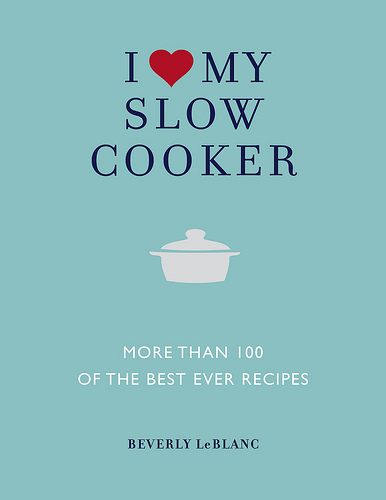
I Love My Slow Cooker

Now, cooking whole chickens in the slow cooker is nothing new to me, but we all agreed that Beverly’s French ‘Roast” Lemon and Thyme Chicken was the best slow-cooked chicken we’d ever eaten, and I promised to cook them all like this from now on. The secret is browning the chicken first, in an oiled pan, before placing into the crockpot. The skin looks much more attractive this way, and then you deglaze the pan and pour the winey juices into the crock pot with it. With this method, you also stuff the breast a little with herbed butter and the cavity of the bird with lemon, garlic, thyme and shallots. We loved it.
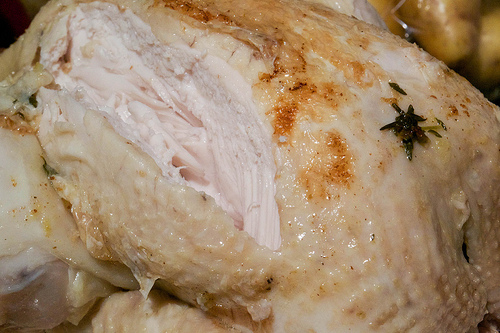
slow cooked chicken

Equally good was the slow-cooked Chinese pork belly. Again, all the reasons you use a slow cooker in the first place are here – the preparation is quick and easy and as long as you have the pork belly, you could rustle it up with a well-stocked food cupboard (I had to buy the sweet soy sauce specially, but it’s worth having – you’ll use it in your usual Chinese style dishes and marinades anyway).
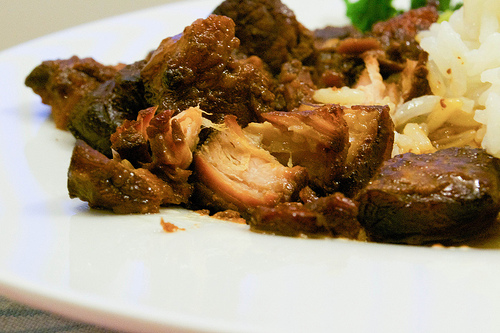
Chinese pork belly slow cooker

I also cooked the Thai Fish and Coconut Curry, which was a hit with the family – I used coley for the white fish, and the sauce was fragrant; zesty and fresh, infused by the lime and the Kaffir leaves. I’ve never attempted to cook fish in the slow cooker, and although it was only in there for 12 minutes, I expected it to be dry – but it wasn’t – it was perfectly cooked. The sauce itself is cooked for an hour and has a really deep flavour that’s completely different from making a quick Thai curry on the hob. Next time, I’d probably use a little less shrimp paste than the recipe states, but that’s just personal preference – it was a mighty good Thai curry as it was.

Thai Fish Curry

As well as meat and fish dishes, this book also has its fair share of slow-cooker soups and sauces, vegetarian dishes, puddings – and a chapter at the back of the book for accompaniments that go with your creations, such as dumplings, curry sauce, and stocks.

There’s definitely a recipe for every preference in here – and from all over the world, too. You often see a lot of American-style slow cooker dishes (well, that is where it was invented, after all) but it’s refreshing to see Chinese, Thai, Indian, Moroccan, Japanese and Spanish dishes featured here too.

I couldn’t really fault this book – it’s clearly written, the recipes are realistic and could be enjoyed by the whole family. It’s also a great starting point for those wanting to cook more unusual dishes in their slow cooker, and also one for well-established crockpot lovers who want to take their cooking to the next level. 
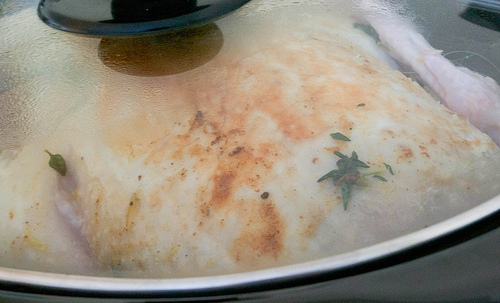

chicken in slow cooker

I Love My Slow Cooker is published by Duncan Baird Publishers. It’s available on Amazon, check it out here (it’s an affiliate link): 

Monday, 28 January 2013

Perfect Home-Made Oven Chips

Frozen oven chips are fine, if you don’t have any fresh potatoes in the cupboard, but after a while you can get bored of them. And, at around anything between £1 and £2 a kilo, they can be expensive too. I was also surprised to find out that, during my Gluten Free blogger week, that my oven chips were not just potato and oil as I’d assumed, but also contained wheat.

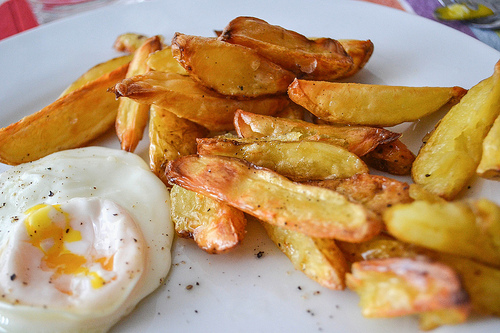
Buy yourself a bag of potatoes and make them yourself – you’ll be surprised at how much more flavour they have made from fresh and you’ll also know what you’re putting in there. Ready in 25 minutes, too! Perfect, hot from the oven, with a scattering of sea salt flakes and ground black pepper.

egg and home cooked oven chips

Perfect Home-Cooked Oven Chips
Serves 4
Ingredients

  • 800g Maris Piper potatoes, washed and scrubbed but skin left on
  • Olive oil
  • Sea salt flakes


Method
Turn your oven up to 220ºC. While that’s heating up, cut the potatoes into thin chips, placing them into a bowl of cold water as you go, so they don’t turn brown. When you’ve chipped all your potatoes, drain the water and rub the chips well, inside a clean tea towel. 
Next, scatter them out onto a wide, shallow baking tray all in one layer – line it with greaseproof paper to stop them sticking. Drizzle over the olive oil just to coat the chips and toss them with your hands. Sprinkle over the sea salt flakes and slide into the hot oven. 
Bake for 20-25 minutes, until the chips are golden and hot. 

What do you think goes best with chips? Garlic mayo? Fried egg? Baked beans? Let me know what you like with your chips!


Friday, 25 January 2013

Reading’s NEW Best Burger: Handmade Burger Co, The Oracle

You may remember that last year, I went on a secret crusade to seek out the best burger in Reading’s town centre. And I declared that, while Giraffe’s burger was both great quality and value for money, the burger at Jamie’s Italian just pipped it to the post, because of the flavour of the combined ingredients (but mostly because of the jalapeño chilli and the texture of the bun). The only problem was that you have to pay extra for the chips, which made it quite pricey.

But then everything changed. Because Handmade Burger Co decided to set up shop at the other end of the Riverside. 

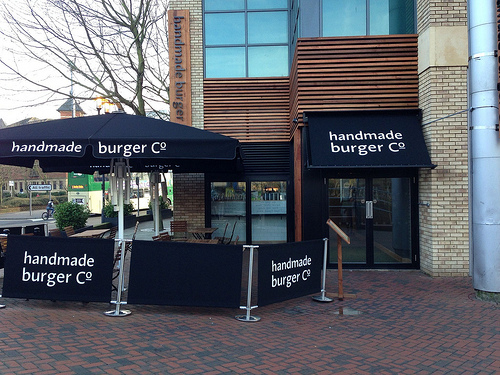
Handmade Burger Co, Reading

Eager to see how their burgers would fare against Giraffe and Jamie’s I set off, on a frosty January lunchtime, to find out.

Before you’ve even walked through the door, Handmade Burger Co is a good thing because it opens at 11.30am. Most other places in town (except Mission Burrito) assume that no one craves lunchtime food before exactly noon, meaning that I’ve often spent a good half an hour wandering around town, just wanting to be fed. 

As you walk in, you’re shown to a table, which you get to choose (thumbs up again). As we opened the door, we sidestepped to allow a middle-aged couple who came barging out, complaining that the extractor fans were so loud it was ‘like eating in an airport’. The extractor fans are a bit whooshy, yes – but it’s not so bad once you get past the hallway and sit down. And anyway, you’ll miss out on the beef if you leave. 

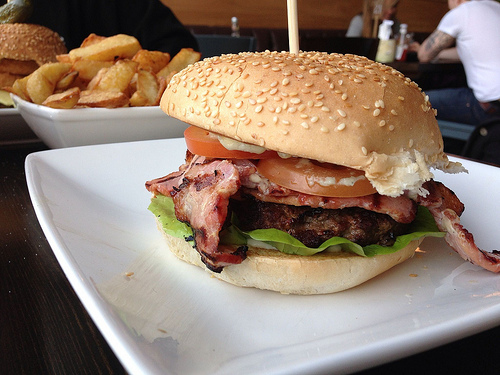
Blue cheese and bacon burger


I went for the Blue Cheese and Bacon burger, which was really good, served with salad and mayo in a sourdough sesame seed bun. I also ordered a milkshake, which gives the whole meal a really retro feel – frothy, chilled and frosty and served in a tall, 1950s-style glass with a straw. Try the hazelnut flavour – my absolute favourite. The burger was juicy, had tons of flavour and was seasoned with tiny soft pieces of onion so it was sweet, too. Their standard burgers are 100% prime Scotch beef – but you can always upgrade if you like to a Jimmy’s Farm burger, made up of beef from free-range, rare-breed cows. I went back (another day) to try their Classic cheese burger – and instead of onions it was seasoned with fresh, chopped herbs. Gorgeous. And even more gorgeous at just under £7. 

Hazelnut milkshake

And if beef’s not your thing, they have lamb, chicken and veggie burgers too – and junior burgers for the kids. There are more than 40 burgers to choose from, so that’ll keep you busy while you’re sipping on your shake.

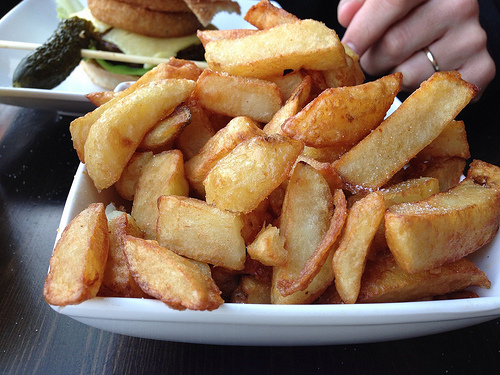
But if I’m honest, I already expected the burgers to be good. But it was the chips that really blew me away. You’re used to getting, with your burger of choice, a pile of pale, floppy, stick-like chips piled up next to your plate. Not here. Here, they give you golden, chunky, gnarly chips that have been fried twice. Their flavour is so good I didn’t bother (and don’t on subsequent visits) to get them seasoned with cajun or jerk spices, I just order a bowl of them and casually dip them in garlic mayo as I eat. The chips were wonderful. Yes, you pay extra for them, but one bowl will feed two of you – the portions are really large. 

Handmade Burger Co chips


So. The Handmade Burger Company wins, hands down, on cost (£11 will buy you a regular-sized (generous) burger and proper, hand-made chips (enough for two of you). And you can always order a smaller burger for under a fiver if you want). It also wins on quality (prime, grass-fed beef comes as standard) and service. You’re left to order when you’re ready, at the till. You never feel pressured or that you’re taking too long to decide what to order. 

I love it, and really hope they keep up the good work. Only time will tell though whether they have some competition when Ed’s Easy Diner opens at The Oracle in the Spring… I’ve heard they do peanut butter milkshakes, too…

Have you been to Handmade Burger Co? What did you think of it? The best in town? Or did the extractor fans put you off? Which milkshake flavour did you buy? And what did you think of the burgers? Let me know in the comments below…

Wednesday, 23 January 2013

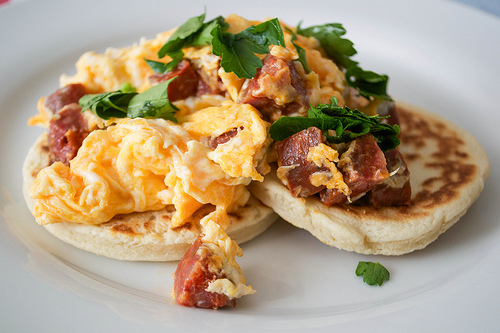
Chorizo Scrambled Eggs with Potato Cakes

This makes a light but healthy breakfast or lunch. The oil from the chorizo turns the egg slightly amber, and a scattering of parsley offsets the richness. I love this served on a potato cake but feel free to bung a couple of pieces of bread in the toaster if you prefer.


chorizo scrambled eggs


Chorizo-Scrambled Eggs with Potato Cakes
Serves 2.
 
Ingredients:
2 free-range eggs
30g piece of chorizo, diced into half-centimetre chunks
olive oil
a few fresh parsley leaves
2 potato cakes
 
Method:
Toast the potato cakes until just golden. Next, drizzle just a drop of olive oil in a small non-stick frying pan, and fry the diced chorizo until it just starts to turn golden and crisp. While that’s cooking, beat the eggs in a bowl. Pour the eggs over the chorizo and turn everything over with a spatula, to cook evenly. Just as the scrambled eggs begin to set, turn off the heat and continue to fold the eggs and chorizo together, cooking the eggs in the residual heat left in the pan. This will prevent them turning overcooked and rubbery. Serve, on top of the potato cakes and sprinkle with the chopped parsley. 
 

Chocolate Chip Pancakes

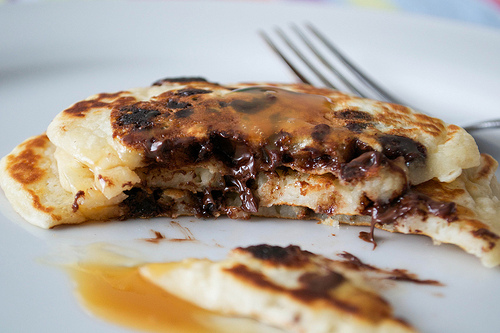
We all love pancakes – they’e cheap, quick to make and incredibly versatile. But it occurred to me, one snowy morning when I needed something a bit more indulgent than cereal, how much lovelier they would be with a sprinkling of dark (plain) chocolate chips thrown in. 

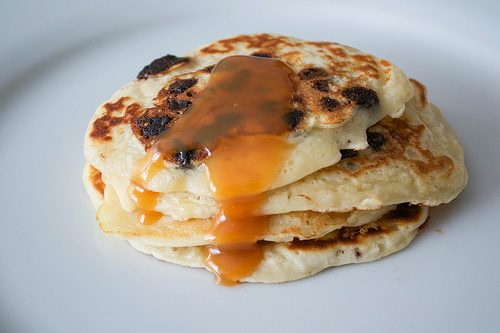
I’ve had these for breakfast with the girls, but they would make a great pudding too, with maybe a drizzle of toffee sauce and a scoop of good vanilla ice cream. This recipe makes quite a lot, so if you have some batter left over, either make them and refrigerate (warming up gently to serve) or refrigerate the batter and make your second batch fresh.

choc chip pancakes with toffee sauce cut

Chocolate Chip Pancakes
Makes 15-17, depending on size.
 
Ingredients:
120g plain flour
1 scant tablespoon sugar
1 tsp baking powder
good pinch of sea salt
250ml semi-skimmed milk
20g melted, unsalted butter
1 egg
50g plain (dark) chocolate chips
 
Method
In a large bowl, mix together the flour, sugar, baking powder and salt. In a separate bowl or jug, mix together the milk, butter and crack in the egg. Give it a good whisk together with a fork and then pour the wet ingredients into the dry flour mixture. 

Mix well, but don’t overmix – and then tumble in the chocolate chips. Heat up a large frying pan on a medium heat. 

Trickle just a drop of vegetable oil into the pan and then tilt it so that it covers the base. With a tablespoon, drop 2 tablespoonfuls of the pancake batter into the hot pan. Cook for about 1 minute, until bubbles form and start to pop at the surface. Flip them over and cook for another minute. Serve, either as part of an indulgent breakfast or with ice cream and toffee sauce, as a pudding. 

choc chip pancakes with toffee sauce

How do you like to eat pancakes? 

Monday, 21 January 2013

What Did Ancient Egyptians Eat? Comfort Bites’ Ancient Egyptian Banquet…

I’m a bit of a history geek, and so as well as cooking modern dishes for the family, I like to have a go, every now and again, at preparing food from days gone by. I’ve already feasted on the First Class Menu from the Titanic, and next, inspired by an Egyptology-studying neighbour, I decided to have a go at trying to understand what Ancient Egyptians ate.

For anyone interested in history, and the Egyptians in particular, you might like to know about a bit of research that turned our modern views of the Egyptian diet on its head. In 2011, a study known as The Horus Study examined ancient Egyptian mummies’ arteries and found that almost half (20 out of 44) showed signs of atherosclerosis – calcification of the arteries, which leads to heart disease. This showed that ancient Egyptians ate well – far from the typical ‘bread and beans’ diet that had been previously thought.

I’m no Egyptologist, but somehow I’d always thought of these people as serene, strict and super-healthy (you don’t see many tomb paintings of obese Egyptians, do you?) and they’d need to be – building great big structures like the pyramids, temples and all the advances in medicine and science that they were responsible for. But, as it turns out, they were quite the party animals. As well as feasting on meats like chicken and lamb, they drank their own wine and one tomb painting shows a woman being sick during a banquet, presumably as a result of too much excess. This was the age of Cleopatra. Of the Pharoahs. Of Nefertiti. And I was about to get a taste, literally, for what was really going on at that time.

egyptian food
A relief from an Egyptian funerary chapel, found in 1976 by the Spanish Archaeological Mission in Egypt, showing food being delivered… (photo: Wikimedia Commons)

As no cookery books exist from that period, I relied on a book I’d been given by my neighbour, called Food Fit For Pharaohs by Michelle Berriedale-Johnson; a collection of recipes inspired by the ancient Egyptians. In it, I was reliably informed that the Egyptians ate flatbreads, dips, meat stews and bean dishes, all using local ingredients and those brought to them by the Romans. Tomb paintings show a number of ingredients being prepared in Egyptian kitchens too, which gives you a good idea.

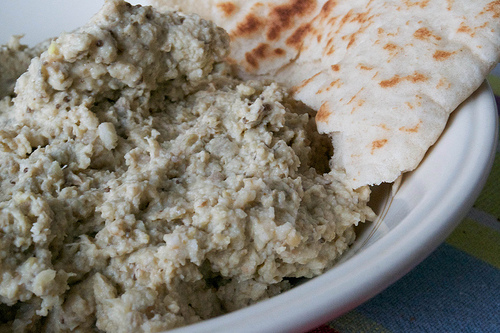
So, for an appetiser, I made my own Baba Ghanoush: a coarse dip made from aubergines, a torn-up pitta, some cumin, garlic, lemon juice and parsley. We scooped it up with our pittas, just like the Egyptians would have done (there were no such thing as forks or spoons apparently). It was easy to make, grilling the aubergines until blackened and then peeling off the blistered skin. After a squeeze to remove excess water, these were blended with the other ingredients, resulting in a lemony, but slightly grainy dip.

home made baba ghanoush

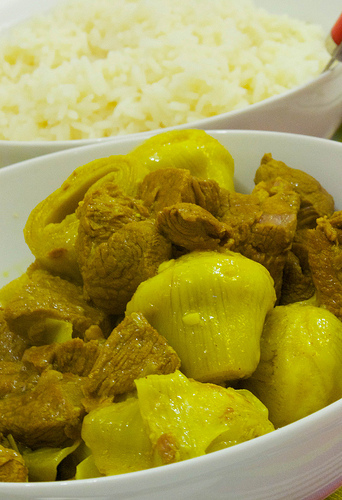
For our main course, we decided to go the way of the mummies who had been the subjects of the Horus study and go for diced lamb, cooked very slowly, in a mixture of olive oil (which they would definitely have had), turmeric, ginger and a splash of water. This was simmered away for a couple of hours and then right at the end, we added some artichokes. Now, I’ve never eaten artichokes with lamb, but they do go so well together. Artichoke remains have been found in excavations of 1st century Egyptian sites, so we know they were in use at that time. The stew was fragrant, stained yellow from the turmeric, and really good mopped up with some more pitta and boiled rice. It tasted better than we expected. According to Berriedale-Johnson, Egyptians would have used oxen for ploughing more than eating but apparently they did eat the odd bit of beef and feasted on fish, too, which were abundant in the Nile.

ancient egyptian lamb and artichokes

Veggies included, of course, aubergines, which were introduced later, but the Baba Ghanoush recipe is thought to have originated from Egypt. They also ate beans, such as fava beans, which were nutritious and provided energy, and we also know that the builders of the pyramids were paid in garlic and radishes, rather than in money.

I didn’t get as far as pudding, but if you want to, you’d be pretty safe with dates, grapes, nuts and figs. It’s thought that they drizzled some of these with honey and there was an inspiring recipe for fig ice cream, which I’ll try soon. (I’m not sure that the Egyptians would have been making ice cream at all, but I guess the flavour ideas are all there.)

It was fun to eat food that was similar to what was eaten thousands of years ago. Ancient Egypt is always thought of along with curses, mystery and magic and I imagined the food to taste plainer and less well-flavoured than it actually was. The combination of lamb and artichokes was great, and I’ll be working on more recipes that include them together soon. Now I just have to get on and make that ice cream.

What do you think? Would you like to try any recipes from history? 


Friday, 18 January 2013

Top 10 Breakfast Ideas for Farmhouse Breakfast Week

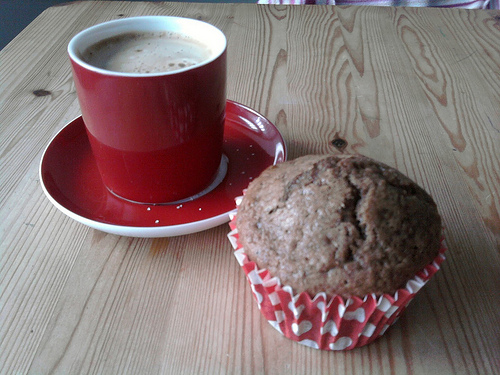
Next week is Farmhouse Breakfast Week, so I for one will be making the effort to enjoy a nutritious breakfast each day, and in the spirit of the event, will be tweeting my breakfasts too. And to celebrate, I thought I’d do a round up of some of my favourite breakfast ideas, from the blog. Be warned, though, not all of them are healthy – but let’s face it – you’re not going to be eating choc chip muffins every day for breakfast, are you? 

Click on the titles for the recipe…

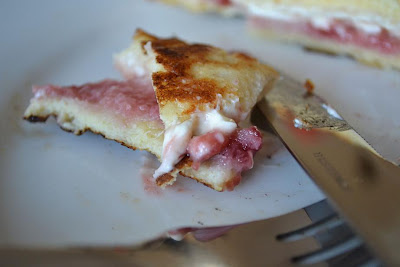
1. Poor Knights of Windsor (or Posh Eggy Bread)

poor knights of windsor

Sweet and creamy on the inside and crisp on the outside… this tastes a bit like an instant jam doughnut – perfect for a slow weekend breakfast treat. 

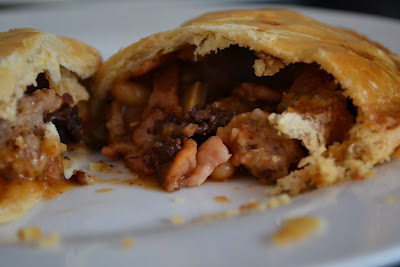
2. Full English Pasties

breakfast pasty 2

You might not want to be rolling pastry and making these full English-inspired pasties at seven o’ clock in the morning, but make a batch the night before and grab one as you go out the door to work. You can always heat it up later or just eat it cold. 

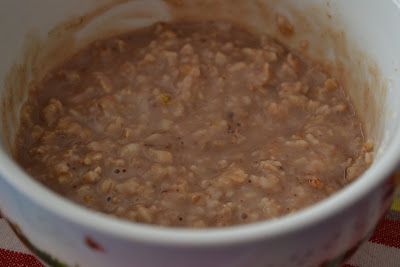
3. Nutella Porridge

Nutella porridge

My youngest daughter’s invention, when she asked for Nutella on her porridge. It’s good, and now we all eat it for breakfast at some point when we’re bored of the usual honey or sugar. Oats are very good for you too, with reputed health benefits including increasing your sex drive and helping with depression – and they’ll also keep you going until lunch. 

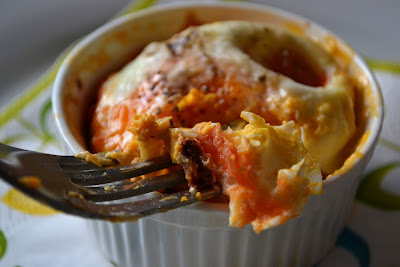
4. Chorizo Baked Eggs

Chorizo baked eggs

Eggs and chorizo taste great together; the salty, smoky sausage and the rich egg. Take yours out of the oven a bit earlier than I did so it’s still runny. Great for feeding lots of people as everyone can have their own ramekin and it takes very little effort from you.

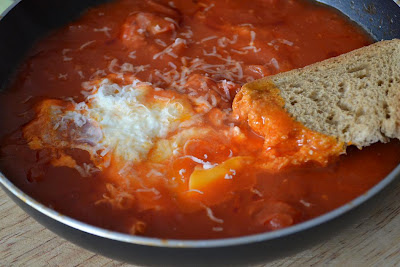
5. Nigella’s Eggs in Purgatory

nigella eggs in purgatory

Nigella says these are a great breakfast the morning after a little over-indulgence but I’ve found they’re a great breakfast for any day. I like to drop the girls off to school and then come back and eat this, while catching up on the news, straight from the frying pan. 

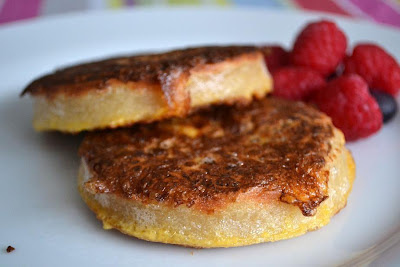
6. French Toast Style Crumpets with Maple Syrup

french toast crumpets 


These are really quick to make, just dip crumpets in vanilla-scented egg for the French Toast treatment. The picture says it all, really, doesn’t it?

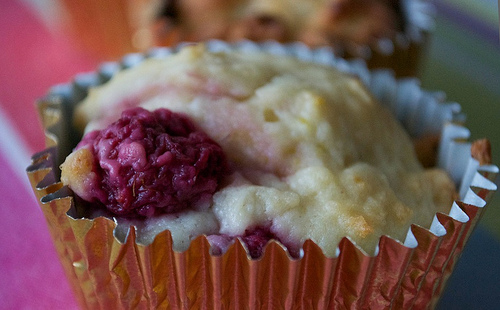
7. Raspberry and Lemon Ricotta Muffins


raspberry lemon ricotta muffin


Lemon and raspberries are another great combination and perfect in these muffins. You can mix up the wet ingredients in a jug and the dry ingredients in the bowl the night before. Keep the jug in the fridge overnight and then wake up, mix the two together and bake. Gorgeous when still fresh from the oven.

8. Chocolate and Espresso Muffins

chocolate espresso muffins

An adaptation from a classic Nigella recipe: a rich, espresso-scented choc-chip muffin. A great kick-start to the day.

9. Apple Cinnamon Whirls

apple cinnamon whirls

These take a while, with rising and baking, but they’re good for some Sunday morning baking if you’re having a lazy morning. Drizzled with cinnamon icing, they’re great with a big mug of coffee. 


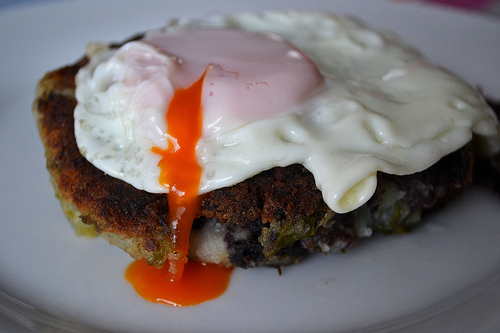
10. Black Pudding and Cabbage Potato Cake with Fried Egg


black pudding cabbage potato cake with fried egg

Crumble up some black pudding and mix into leftover mashed potato and cabbage to make these gorgeous potato cakes. Top with a runny fried egg and you’ve got yourself a real breakfast treat. One of my favourites (I often make extra mash and veggies just so I can make these the next day). 

For more information on Farmhouse Breakfast Week, which is now in its 14th year, visit www.shakeupyourwakeup.com – and if you want to take a pic of your breakfast this week, upload it to Twitter or Facebook with the hashtag #BreakfastWatch to be in with a chance of winning either a five star luxury break for two, or a family ‘glamping’ stay at Featherdown Farm – visit the website for more details.

What’s your favourite breakfast? 


Thursday, 17 January 2013

Roasted Red Cabbage Slices

Greens are tipped to be one of the hot trends of 2013 – and it seems that we’ve all had enough of boiling and steaming them. Lots of people are now roasting greens such as kale and cabbage. (Eat Like a Girl blogger Niamh Shields shared a photo last week of a gorgeous looking roasted purple kale with smoked olive oil and Cheddar on her Facebook page, for example). 

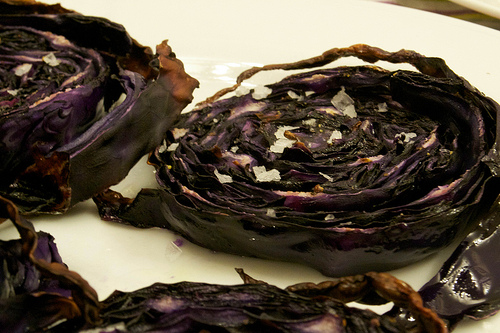
And with all this baking and roasting going on, I wondered if it would work with red cabbage as well. And it did. It made an unusual side dish, all crispy and strongly-flavoured around the edges and then soft and sweet in the centre. Sprinkle with sea salt flakes just before serving. 

roasted red cabbage

Roasted Red Cabbage Slices
Serves 4
Ingredients

  • 1 smallish red cabbage, scruffy outer leaves (if any) removed and washed
  • pinch of sea salt (plus more to serve)
  • garlic infused olive oil
  • black pepper
Method
  1. Lay the cabbage on its side and cut off the ‘stalk’ end. Then, slice the cabbage horizontally into chunky slices, about 2cm thick. 
  2. Arrange them on a baking tray and drizzle over a little olive oil, salt and a grinding of black pepper on each cut side. 
  3. Slide them into a 200ºC oven for 20 minutes, until the cabbage centre is soft and the edges are slightly crisp. If you prefer your cabbage slices more crispy, you can turn them over after 20 minutes and give them an extra 10 minutes on the other side, but I loved ours the way they were. 
  4. Carefully lift onto a serving plate and sprinkle with more sea salt flakes. 

Tuesday, 15 January 2013

Caerphilly Cheese and Leek Cakes

During my ‘blind tasting’ (or, rather, the Dining in the Dark event at The Living Room in Oxford), I happened upon a revelation. I gingerly pushed a spoon of something crispy but soft in the centre into my mouth. A croquette? Mashed potato, definitely. And cheese. But, as I slipped off my blindfold, I was assured that there were no mashed potatoes at all in there, just breadcrumbs, Caerphilly cheese, leeks and seasonings. They were Glamorgan vegetarian sausages. And right then, I decided I would track down the recipe and make them at home. 

And here is the result. OK, they’re not sausages, and they are a bit over-browned on one side (you know when you’re about to dish up dinner and you turn round and there are still colouring books, pencils, soft toys and sequins strewn all over the table from the children? Yeah, that.) 

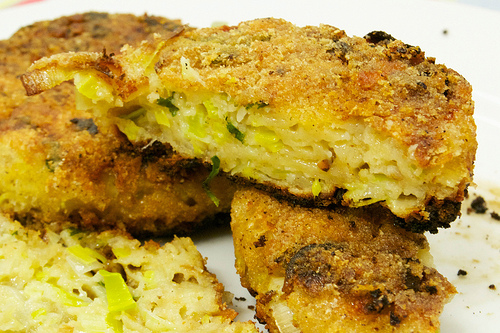
But they’re mighty tasty, if you can keep an eye on the pan while cooking them. 

cheese and leek cakes

I based the recipe on Sophie Grigson’s Glamorgan sausages but changed a few ingredients and quantities here and there. I’ve used rice crumbs for the coating, so they’re lighter – you still have the breadcrumbs on the inside, but the rice crumbs give a crispness for the outside. 

They’re cheesy, surprisingly light, and I’ve started craving them with baked beans and a few chips, but they’d also be good with a dressed green salad and a dollop of chutney.

Caerphilly Cheese and Leek Cakes
Serves 4
Ingredients

  • 100g grated Caerphilly cheese
  • 150g fresh, white breadcrumbs (i just blitzed about 3 slices of bread in the processor)
  • 1 small finely chopped leek
  • 2 eggs
  • small handful of parsley, chopped
  • 1 tsp Dijon mustard
  • pinch of sea salt and black pepper
  • 4-5 heaped tablespoons rice crumbs (it’s a gluten-free alternative to breadcrumbs, you can buy them in the supermarket)
Method
  1. In a bowl, mix together the Caerphilly, breadcrumbs and the leek. In a separate bowl, whisk the eggs and beat in the parsley, mustard and season well with salt and pepper. Tip about 2-3 tablespoons of the mustardy egg mixture into a small bowl and the rest into the cheese and leek mixture. Give it a good stir, so it becomes sticky and well combined. 
  2. Tip out the rice crumbs onto a plate and then form the cheese mixture into four patties. Dip them in the egg and then into the rice crumbs. Fry in a little oil for about 5 minutes on each side, turning them over once golden, until they’re piping hot all the way through. 


Monday, 14 January 2013

Should Free School Lunches be Offered to More Children?

When I was a teenager at school, I always looked forward to lunchtime – and school dinners. I remember they always had big old-fashioned meals that we never ate at home (we ate well when I was younger but it was strictly ‘fishfingers and oven chips’ territory at home from my teens). I remember queuing up to receive dishes such as meat pie (made with suet pastry – swoon), big, cheesy portions of lasagne or fish on a Friday. From what I gather, school dinners are much like that nowadays, only they’re more nutritionally balanced, which means less of the suet pastry and more fruit and veggies. 

But not every child nowadays has access to a hot dinner. I mentioned that we didn’t eat that kind of food at home. My Mum was on her own, with three of us to feed and I think she just reached for the freezer at dinner times to reheat whatever was cheap and quick. And, from what I know of Mums at the school gates now, it’s often the same story. And it’s more true of families that are struggling, for whatever reason, to pay the shopping bills or even the school dinner cook. The Children’s Society estimates that the cost of a school dinner amounts to £370 per year. They believe that if the government extended their free school meals policy to working families on low incomes as well, some families could be lifted out of poverty. 

And if you think there’s no need to offer free school dinners to more children, that all children, surely, get fed every day at school, then you might find some new research of interest. The Children’s Society conducted a survey among teachers. They found that 72% of teachers questioned had seen a child coming in to school with no lunch and no money to pay for one. 66% of these teachers admitted that they had given children food or some money from their own pocket to pay for a lunch. In addition, when asked whether children in low income working families should receive free school meals, 98% of teachers gave their support. The Children’s Society estimate that there are 1.2 million children in the UK who might not be eating a single, nutritious meal all day.

We all know how important it is to eat regularly during the day, to keep our energy and concentration going. For children, it’s really important, because they’re learning such a lot of things and taking in so much during the day. Food is, after all, fuel. 

What do you think? If you agree with The Children’s Society you can add your name to the petition, which, at the time of writing, has almost 35,000 signatures. They’ve also developed a little tool where you can see if you could budget for families in various financial situations – called The Poverty Trap. Or if you want to read more about the survey and what the teachers said, then check out the full report online. 

What do you think? Are more free school meals for kids a good idea?


Friday, 11 January 2013

Chickpea and Cauliflower Curry

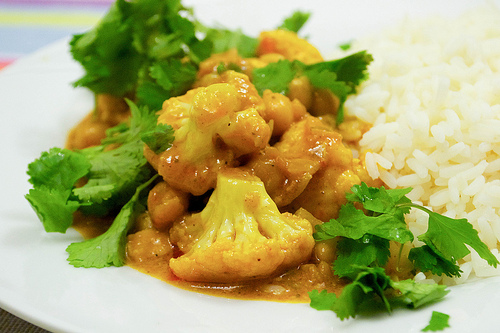
What to do with a neglected cauliflower that’s sitting in your fridge? Well, having had enough of cheese over Christmas (I love the stuff, but there are limits), I decided to make a curry with it instead of cauliflower cheese. I’d heard how cauliflower goes so well with chickpeas, and so opened up a tin of those, too. We ate one of the simplest, most nutritious and delicious curries we’d had in a long time. What you get here is a mild, creamy curry with the flavour of cauliflower just coming through and the chickpeas provide a nuttiness as you eat. I loved it, and can’t wait to eat it again.


cauliflower and chickpea curry

Chickpea and Cauliflower Curry
Serves 4
Ingredients

  • 1 heaped tablespoon Korma curry paste (I used Patak’s)
  • 1 medium-sized head of cauliflower
  • 1 x 400g can of chickpeas, drained
  • 200ml coconut milk 
  • salt, to season
  • fresh coriander leaves for serving


Method

  1. Heat the curry paste gently until it starts to sizzle, in a non-stick frying pan. Use a little vegetable oil if you need to, depending on how oily your curry paste is.  
  2. Chop the cauliflower into florets and add these to the pan, coating well in the curried oil. Fry for a couple of minutes. 
  3. Next, tip in the coconut milk and then the drained chickpeas and simmer until heated through and the cauliflower florets are tender. Taste and season with salt and scatter over fresh coriander leaves just before serving. 


Thursday, 10 January 2013

Lindt Christmas Chocolates

Over Christmas, I was lucky enough to receive a couple of varieties of seasonal chocolates from Lindt – both the Lindt Chocolate Snowdrops and a bar of Lindt Intense Orange. 

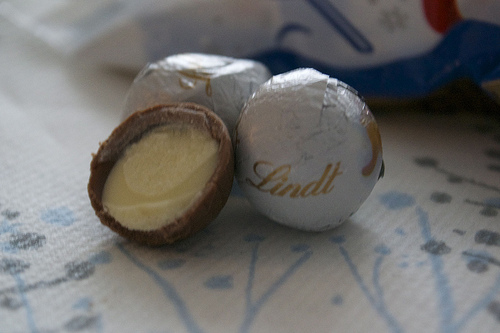
The snowdrops were individually wrapped, which is good if you want to give a few out if you have people visiting, but a bit fiddly if you’re munching on a few in front of a film. I really loved the milky, creamy centre and the difference in texture between this and the chocolate as you bite into it. The children ended up with a few in each of their stockings and they loved them too.  

Lindt snow drops

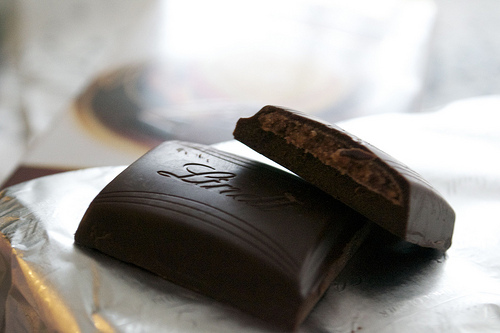
The orange intense bar was really one for the grown ups. The chocolate was dark, slightly (but not too) bitter and had quite a strong citrus flavour as you bite into it. There were crunchy pieces too – a quick check of the ingredients confirmed that as well as orange pieces, there were also almond pieces in there.  We enjoyed the chocolate, arguing over who had nibbled through the most, watching A Christmas Carol on the telly.


Lindt chocolate orange

For more info check out The Lindt Chocolate shop online.

What seasonal Christmas chocolates do you enjoy and look forward to each year? 


Wednesday, 9 January 2013

11 Things You (Probably) Didn’t Know You Could Cook in a Slow Cooker

Slow cookers. Or crockpots. Whatever you call them, you’ve got to love them. Invented in the 1970s in the US, they’ve been a time and effort-saving device for home cooks for decades. And while we often talk about cooking stews and curries in the slow cooker, I think we can often neglect to cook other, more modern dishes in there. Did you know you could cook all this in your slow cooker? 

Ribs
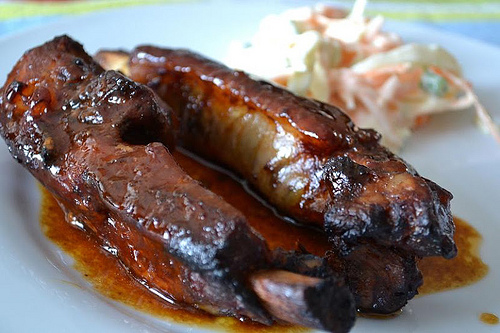
Soft, tender meat falling from the bone, doused in a rich, sticky barbecue sauce. Ribs are a great dish to cook in the slow cooker because it saves you so much time. Slather them in sauce and then pile them into your slow cooker’s crockpot, on top of a sliced onion, for 4-6 hours. They’ll be rich and really tender but they won’t be charred or caramelised. For that, you’ll need to give them a blast in a hot oven or under the grill just to blacken the edges and set all that sticky marinade. Check out how I do them here.


bbq ribs

Whole chicken
I’ve needed to clean my oven a whole lot less since discovering how to cook an entire chicken in the slow cooker for Sunday lunch. Yes, you’ll end up with soggy skin, but we don’t generally eat that anyway. The flesh is tender and just falls from the bones, meaning you won’t waste a scrap of meat. Save the cooking liquid for stock and make another batch by re-immersing the bones in fresh water and slow-cooking overnight. Check out Kavey’s original post on this and also how I got on too. 

Frankfurters
They only take about 4 minutes to heat up in a pan, but someone came up with the idea of cooking 60 hotdog frankfurters all in one go, in the slow cooker. I suppose it makes sense if you’re feeding lots of people, and it will save you a lot of fiddling at the stove. Dump them in the slow cooker (you’ll fit more in if you stand them upright) with nothing else (no liquid, no onions, nothing) and heat for 2 hours on high. 

amsterdam hot dogY


Cakes
I’d known for a while that you could cook cakes in the slow cooker, by scraping cake batter into a small round tin which you immerse in the crockpot in a little water. And you can also make little ramekin custards in the same way. My problem is that I don’t own any cake tins that fit inside my slow cooker. But then I found a recipe that just asked you to bung the cake mixture into the crockpot directly and cook it for two hours. This hot fudge cake doesn’t seem ‘cakey’ as a sponge would be, but the author says that they serve it warm with ice cream and it looks pretty good. 

Drinks
This is one I don’t quite understand. I’ve seen quite a few crockpot recipes for coffee and hot chocolate-based drinks, along with mulled wines and ciders. But why make a hot drink in the slow cooker that only takes a few minutes to heat up and infuse in a saucepan? There’s no less washing up. The only reasons I can think of is a) if you’re expecting a lot of people and you need to keep it warm for a long time (like at a Bonfire Night party for example, for people to dip into with their cups). And b) maybe somehow the flavours are stronger after it’s simmered slowly like this. I don’t know. (I feel an experiment on its way on this one…)

Risotto
I’ve tried cooking risotto in the oven, more than once, and it hasn’t worked. It goes all crispy and burnt at the edges (I don’t know what I’m doing wrong but it does). So it’s always  diligently stirred on the stove. But then I found a crockpot recipe from The Crockpot Ladies which just asks you to soften some onions, bung them into the crockpot, along with risotto rice and stock and whatever else is going into your risotto (meat needs to be browned first, folks) and leave it there. Tempting, when you’re saving yourself from all that stirring, but it will take about 4 hours to cook. 

Bread
This is definitely one I am going to try. If you look for them, there are a number of bread-based recipes that are designed for the crockpot. Some of them you cook the dough in a tin or bowl and others, like this one, you just form into mini rolls and then slow cook them in a greased and lined crockpot for an hour. Brilliant. 

Macaroni Cheese and Lasagne
For some reason, I’ve always thought that pasta wouldn’t fare well in a slow cooker. But I was surprised at the number of slow cooker pasta recipes that there are, including macaroni cheese and also lasagne. You just use the crockpot as you would a lasagne dish and spread the sauces, lasagne sheets and meat or veggies straight into it before replacing the lid and leaving completely alone for 4-6 hours. 

Scallops
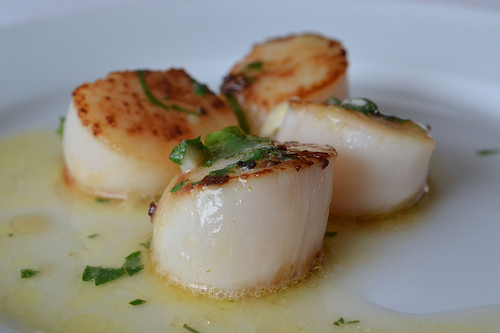
Hmmm. As with the drinks, I’m not sure about this one. Scallops only take a couple of minutes to pan-fry in a little butter, so I’m not sure why you’d put them in the slow cooker and cook them (gently, I know) for half an hour. The creator of this recipe says that they’re foolproof and perfect for if you’re worried you’ll overcook your scallops on the hob, which is fair enough. I’m not sure though if the ‘environmental’ argument for slow cookers would work here: the amount of energy to keep a hob going for 2 minutes probably isn’t the equivalent of an hour’s electricity for the slow cooker. Or maybe I’m wrong. 

Pan Fried Scallops with Butter and Lemon


Baked Potatoes
Ah, yes. An hour in a roaring, 220ºC oven or a slow-cook in the crockpot for four hours? I like the sound of these, just pricked, rubbed with olive oil and sea salt and then gently cooked. I’m not sure if the skins would turn crisp though, (the way I like them) but then I guess once you’ve got your toppings on you probably wouldn’t notice that much. 

Cheesecake
How could I not include this? Check out this Crock Pot Cheesecake from the Crock-Pot Ladies – you just make the cheesecake in a cake tin that fits inside the slow cooker, pour in a little water for steam and then cook for 2 hours or so. Brilliant idea!

Do you cook any unusual recipes in the slow cooker? 

Tuesday, 8 January 2013

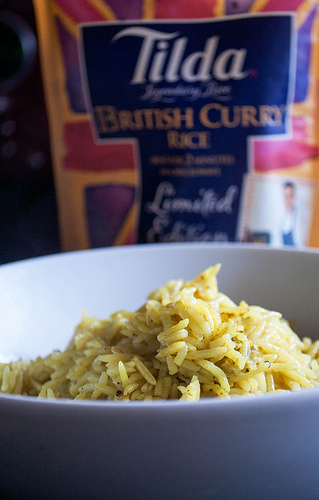
Tilda’s Limited Edition British Curry Rice

I don’t normally keep packets of ready-cooked, microwaveable rice in the kitchen cupboard but they do have a place in modern life: they’re convenient, quick, and because you’re cooking just one or two portions you can avoid a lot of waste (I’m always guilty of cooking way too much rice which always ends up as fried rice the next day, whether I fancy it or not). 

And then I learned that Tilda had released a ‘limited edition’ British Curry Rice, which has been developed by 2010 Masterchef winner Dhruv Baker. 


tilda limited edition rice

You just microwave the pouch for two minutes and you get fluffy, perfectly cooked rice that you can serve plain or as a side dish, alongside a meal. The flavours that come through in the rice include coriander, coconut and apricots, which give it a fruity touch. I especially loved the coconut flavour in the rice, and the flavours are actually more complex and on different levels, which I guess you’d expect from Dhruv Baker. There are also other spices in there, such as curry leaf, cinnamon and star anise. 

I wanted to taste the rice as it is, to be able to give a fair review, and so didn’t turn it into a new recipe. But the Tilda website does have some recipes created by Dhruv that you can try. I’d keep a packet of this in the cupboard, even just to make a change from plain Basmati rice with a curry or stir-fry it with a little curry paste and some chicken thighs, for example. 

Tilda Limited Edition British Curry Rice will be available to buy until May 2013. 

Have you tried it? What did you think of it and how would you use it? 


Thursday, 3 January 2013

Spaghetti with Aubergine Pesto and Sausage

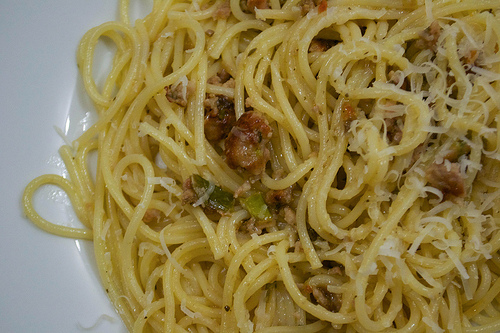
I came across a little jar of Sacla aubergine pesto in the supermarket the other day, and as I gingerly twisted off the lid, I realised it would be amazing in pasta with some sausages. You just de-skin the bangers, break them up in the frying pan and stir the pesto into it. A quick and effortless dinner to have up your sleeve, and the kids loved it too. Here it is…


spaghetti with sausage and aubergine pesto

Spaghetti with Aubergine Pesto and Sausage
Serves 4
Ingredients

  • 4 chunky pork and leek butcher’s sausages
  • 2-3 tsp Aubergine pesto (I used Sacla’s, but you can use any other brand, or make your own)
  • 1 tsp butter
  • 70-100g spaghetti per person
  • Grana Padano, to serve
Method

  1. Put the spaghetti on to cook in slightly salted boiling water. Next, remove the sausages from their skins and fry, in a little olive oil, in a non-stick pan, breaking them up until they are golden and caramelised. Once the sausages look browned and slightly crispy, add the butter to the pan, along with the aubergine pesto. Give it all a stir and cook for another 2-3 minutes. 
  2. Once the sausages are cooked and the spaghetti is tender, drain the pasta (or just lift it into the sausage pan with tongs, as I do), add to the sausages and give it all a toss around, coating the pasta in the savoury, buttery juices. Add a slosh of the pasta cooking water to make a loose, shiny sauce. Lift into bowls and serve with black pepper and Grana Padano cheese. 


Wednesday, 2 January 2013

Could Rarely-Cooked Burgers Be Banned?

There was a bit of a debate at the end of last year about restaurants serving beef burgers cooked rare. Both The Evening Standard and The Independent reported on this: that although Westminster Council had denied that they were ‘banning’ rare burgers, they were still taking the selling of them ‘seriously’. So what’s wrong with a burger that’s still pink and bloody in the middle? It can’t harm you, can it? Well, the reason for all the fuss, is that, actually, it can.

First off, you can eat rare steak. This is because the steak comes as one piece of meat, sliced off a larger piece. When it’s seared in a pan or grilled, the outside surfaces of the meat are all (even very lightly) cooked. This gets rids of any bacteria lingering on the outside of the meat. When you cut it and it’s rare and bloody, this meat inside hasn’t even seen air, so there’s no bacteria in there and it’s safe to eat. (Obviously chicken and pork are different, so that’s why even pork steaks need to be cooked all the way through). 

With minced beef, though, it’s an entirely different story. Minced beef, because it is chopped up into little pieces, has a much larger surface area. This means that bacteria can be present in the mince even if it’s been pushed into the middle of the burger. The remarks in the Standard article about ‘well, if it was fresh meat, it would be ok’ don’t really figure here, as fresh meat can still contain germs and bacteria if it’s been contaminated with other sections of the meat, or chopping boards/utensils. This is why the current advice is to eat minced beef cooked all the way through, unlike with steaks and roasting joints.

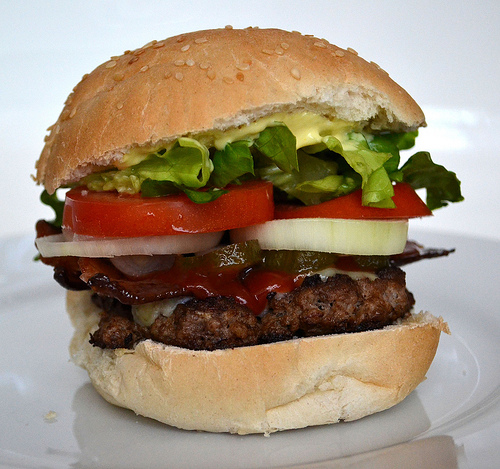
classic beef burger
 
But, I wondered, was it right to get all heavy-handed and talk about banning – or at least actively discouraging restaurants from selling – rare burgers completely? As consumers, we like to think that we have a choice. I’ve worked enough years waiting on tables to know that even the simplest dish of ham, egg and chips can be ordered to the most precise requirements. (One I distinctly remember: ‘Egg cooked through but still runny (?), chips crisp please, and can the ham not be touching anything else on the plate?’). And, they are the customer after all, so, most of the time, if it’s possible, what they want, they get. 

But the second that they eat a less than super-fresh oyster or a rare burger dished up with a side of gastro-enteritis, people look for someone else to blame. They sue the restaurant, or council, for compensation. The restaurants can even get shut down. Rather than preventing the sale of rare burgers, I think that a better idea is to educate customers instead. A disclaimer, maybe, that protects the customer so they know the risks, and also the restaurant, so that action can’t be taken against them later on. 

Food hygiene is, generally, really good in restaurants nowadays, so even if you do eat a rare burger you’re not definitely going to get ill – but there is an increased risk. Far better to let punters know these risks and let them come to their own decision, rather than banning rare burgers completely. But that’s just my opinion. 

What do you think? Should they ban – or actively discourage – the sale of rare burgers? Or do you eat burgers rare and can’t see what all the fuss is about? Let me know in the comments below…

Tuesday, 1 January 2013

British Cheeses for the Festive Season

Mmmm…. British cheese. We are so lucky in this country that we have such a massive choice when it comes to locally-produced cheese. We have British versions of brie, goat’s cheese and something that very much resembles Feta, although they’re not allowed to call it that.

So this Christmas I pulled together a few of my favourites and thought I’d tell you a bit more about them.

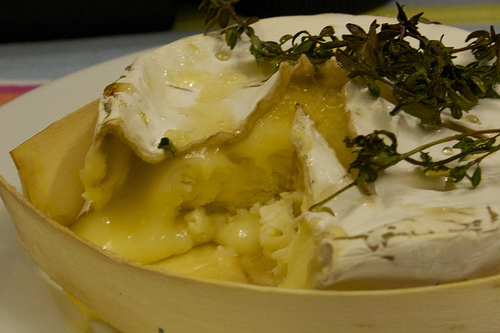
Tunworth baked

One of my all-time favourite cheeses is Tunworth, which is produced in Hampshire. It’s a white, slightly firm cheese that looks a bit like a Camembert or a small Brie. But for me, it has slightly sweeter flavours. It’s pricey (my little disc of the stuff cost just over £6) but it’s worth the money. I unravelled the wax paper the cheese was wrapped in and then placed the cheese back inside its wooden box. I cut a cross into the centre, drizzled it with honey, topped it with a few sprigs of fresh thyme and baked it at 190ºC for about 10 minutes. When it was oozy and slightly darkened at the edges I served it with some crackers. We all thought it was the best cheese on the table.

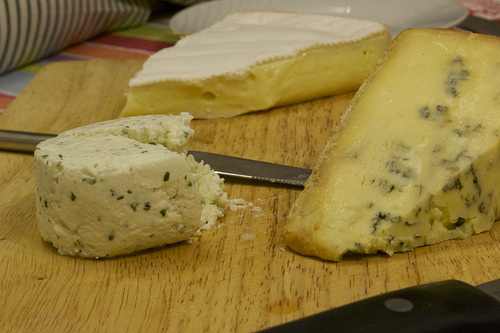
Christmas cheese board

Another of the favourites was a ewe’s milk cheese called Sussex Slipcote. It’s a bit like Boursin, in that it’s soft and white and speckled with garlic and herbs. But it’s not really like Boursin when you taste it. The garlic and herb aspect is milder, less overpowering. The cheese is soft but somehow a little bit crumbly. The children loved it. Next year I’ll buy two.

A Christmas cheeseboard wouldn’t be complete without a wedge of Stilton, and since I started my cheese habit I’ve realised that flavours and textures between Stilton cheeses vary. Some are saltier than others, some crumblier than others and some I can hardly eat because they taste so sour. Cropwell Bishop Stilton is the one I settle for. It has a creamy but crumbly texture that just melts away in the mouth and a sweeter flavour than many other types.

Somerset Brie was the final cheese we tucked into. The secret is to leave it out at room temperature for an hour before you serve it. We bought the Brie already ripe so it didn’t take long to give way at the sides and become oozy and bouncy. Again, I found that British Brie has a milder, sweeter flavour than some of the French Bries you can buy – which I prefer.

What cheeses did you eat over Christmas?

LinkWithin

Related Posts Plugin for WordPress, Blogger...