Monday, 30 April 2012

Creamy Pasta with Purple Sprouting Broccoli

One of things I love about this recipe is that it is very quick to make. The sauce just makes itself in a small frying pan while you get on with boiling the pasta. By the time it’s cooked, it’s ready to be tossed into the pasta and there’s dinner. Another thing I love about it is by using purple sprouting broccoli, the sauce – and the pasta – turns a slight purplish shade.

The sauce is cheesy – but mildly so – and involves melting just a few ingredients together. Make the most of the lovely brassicas in season at the moment – instead of purple sprouting broccoli, you could also use standard broccoli, cut into florets, or Tenderstem broccoli, if you wanted to.


Creamy Pasta with Purple Sprouting Broccoli Recipe
Serves 4

Ingredients
  • 350g pasta
  • 150ml single cream (or use a few dollops of creme fraiche)
  • 200g purple sprouting brocolli, or other kind, cut into florets and trimmed use the stalks of sprouting kinds, too)
  • 125g ball of mozzarella, grated
  • small handful Parmesan cheese, grated
  • salt and pepper, to season
Method
  1. Bring a saucepan of slightly salted water to the boil and throw in the pasta. Cook for about 10 minutes.
  2. Meanwhile, get on with the sauce. Place the grated mozzarella ball into a small, non-stick pan and set on a medium heat. Tip in the cream and turn down – leave to gently melt together.
  3. In  the last 5 minutes of cooking time for the pasta, throw in the broccoli. After 5 minutes, when the broccoli is tender and the pasta is cooked, drain.
  4. Take the cream and mozzarella mixture off the heat and add the grated Parmesan. Stir to mix and taste, adding salt and pepper if you wish. Tip the drained, hot pasta into the cheese sauce and serve, with extra Parmesan for grating over and lots of black pepper.
  5.  
What are your favourite recipes using purple sprouting broccoli?


Friday, 27 April 2012

Perfect Roast Potatoes – The Way I Do Them

With some roast dinners, I admit, you don’t want roasties. Mashed potato seems to go so well with a slab of pork belly, and sliced, seasoned potatoes with a lamb shoulder – cooked so that the fat drips from the meat and onto the potatoes beneath. But there are times that you need to be able to whip up a good batch of roast potatoes.


Over the years, I’ve eaten countless Sunday lunches at pubs and restaurants and found that so often the roast potatoes really disappointed me. I’ve had some that are pale, tough and look like they’ve been just dipped in the hot oil before being chucked on the plate. I’ve had others that are dark, very hard and when you cut them you’re left with a dry, almost hollow potato within. I think that a roast potato can easily make or break your roast dinner.


I’ve seen people sprinkling potatoes with semolina, flour or some other starchy powder to guarantee the potato’s crunch. But I’ve found that you don’t need to do that – not if you use the right potato, fat and cooking temperature. And I’ve made them often enough now that they always turn out like this: golden, crunchy and meltingly soft and white in the centre. So I’m going to share with you my advice on how how you can do it, too.


The Potato
It’s essential to choose a creamy potato for your roasties. Maris Piper is a good all-rounder but King Edwards are generally thought of as (literally) the ‘cream of the crop’ for making great roast potatoes. Look out for other varieties too. A special red ‘Rudolph’ variety came out in December 2011 and they produced the creamiest, crispest roast potatoes I’ve ever made. Ask your greengrocer for their advice before you buy.


The Cut
Once you’ve peeled it, don’t just cut it any old way. There is a science to cutting a potato that is destined for the roasting tray. Nigella Lawson, in the book Feast, even demonstrates this via a diagram. The best thing to do is cut each largish potato into three pieces. First, cut through about one third of the way in; the next cut should cut the larger piece into two. You want as many pointy edges as possible on each piece. And cut them fairly small. People love small crunchy roast potatoes, much more than big fluffy ones. More crunch ratio, you see.


Parboiling
You’ll need to parboil your potatoes before roasting them. For great, crisp roasties add a good pinch of sea salt to your cooking water. I saw Heston Blumenthal do an experiment on TV and the difference between the roasted potatoes that were parboiled in salted water and those in plain water was amazing. So they’ll be crisper with a pinch of salt added to the parboiling water. Boil only for around 5-7 minutes – until they are starting to break up a little on the outside.


The Shake and Steam Dry
Drain the potatoes, put them back in the empty pan and clamp on the lid. Give them a shake, to roughen up the edges a little bit, and this will produce those gorgeous crispy morsels that cling to the outsides. After you’ve shaken them a couple of times, remove the lid and leave the pan to one side to let the steam escape. Leave for about 5 minutes.


The Fat
I’ve tried roasting potatoes in olive oil and sunflower oil in the past, but really the perfect roast potato needs a fat that can cope with the scorching heat of the oven and not turn bitter. For me, this means that to roast the perfect potato, you will need some goose fat, although duck fat can also be used. For potatoes to feed around 6, you only need a few tablespoons worth – it’s no good tipping the whole tin into your roasting tray. Just turn each potato (with a spoon, they’ll still be hot) so that they are coated in the clear, hot fat lining the bottom of the tray. I’ve seen people roasting potatoes with the fat coming half-way up the roasting tray. We’re not deep-frying them. You can always give them a shake or another turn half-way through cooking to coat them again, if you feel you need to.


The Roasting Tray
Choose a large, shallow roasting tray. You’ll need the potatoes to be spread out in a single layer; don’t try piling them up – it just won’t work. High-sided tins seem to trap in any steam, so the potatoes don’t turn as crisp.


The Cooking Temperature
You will need your oven turned up to HOT. That’s around 220°C. If you’re cooking them with some roast meat, take out the meat when it’s done and loosely wrap in foil and leave it to rest. Then, crank up the oven and put in your potatoes for roasting. Leave them in there for about 45 minutes. Your roasted joint of meat will stay hot, and will actually be extra juicy to boot after that resting time. Bonus!


Serving
OK so the potatoes are roasted, golden and crisp. Don’t, whatever you do, cover them. The steam from the hot spuds will collect in the top of the lid as water and drip back onto your potatoes, making them soggy. Keep them uncovered, and drain on kitchen paper before sprinkling with a little salt and serving immediately.

Do you have any other tips for making the perfect roast potatoes? Share them below!

Wednesday, 25 April 2012

Random Recipe Challenge: Heart Shaped Cookies

This month’s Random Recipe challange from Dom at Belleau Kitchen is baking. Now I don’t have many baking books (about 4) so I piled them up, closed my eyes and prodded my finger onto a random book. I then flicked through and landed at these: Valentine’s Day Cookies.
Cuppa, anyone?

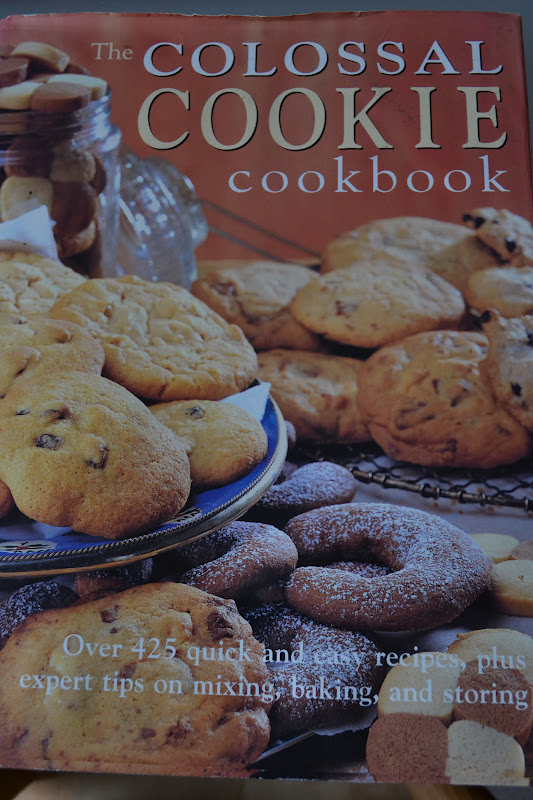
I think I was given the Colossal Cookie Cookbook one birthday, years ago – and at first I made loads of recipes from it. But for some reason I’ve let it now fall by the wayside. Having rediscovered it for this challenge though, I can’t stop flicking through – it’s given me so many new ideas.


But first, I had to make the heart cookies. It looked a bit daunting at first, wondering how they get that two-tone effect – and then I realised it’s just done by cutting a smaller heart from the middle of a larger one and pressing it into the centre of a different coloured heart. Easy, really.

Check out how flaky these cookies are – yum!

And they were great. I made them at about 7pm when the girls were starting to get ready for bed. They were done in a matter of minutes – the longest part was chilling the dough (30 minutes), which I didn’t really have anything to do with. You roll them out, cut out the hearts and then rearrange the colours for the effect. A quick sprinkling of sugar and then they’re baked for 15 minutes. Great stuff.

And they were flaky, buttery and crumbly. Next time I’d probably add some vanilla for a different flavour but they were great as they are. I’m going to remember this technique for stars at Christmas as well as heart biscuits for Valentine’s Day. Watch this space!


Monday, 23 April 2012

We Should Cocoa: White Chocolate Dipped Cake Pops

Cheese and chocolate. Chocolate and cheese. Mmmm….. People might think the combination is a bit weird, but not me. They’re both dairy-based and no one bats an eyelid when someone serves up a wobbly chocolate cheesecake but I am regarded as strange when I blob a piece of fluffy goat’s cheese onto a square of dark chocolate for a quick kitchen treat.

I still don’t get Cheddar and chocolate, and even less Stilton and chocolate, made fashionable by the likes of chocolatier Paul A. Young. To me, they just taste like two completely different things – they don’t mingle to create one unique flavour. Maybe I’m using the wrong Stilton. Or chocolate. But there you go.

This month’s theme for the We Should Cocoa challenge, run by Choclette of the Chocolate Log Blog, is cheese. And since I had some success earlier this week with my Monster High Cake Pops I thought I’d make some white chocolate cake pops – bound together of course, by soft cheese.

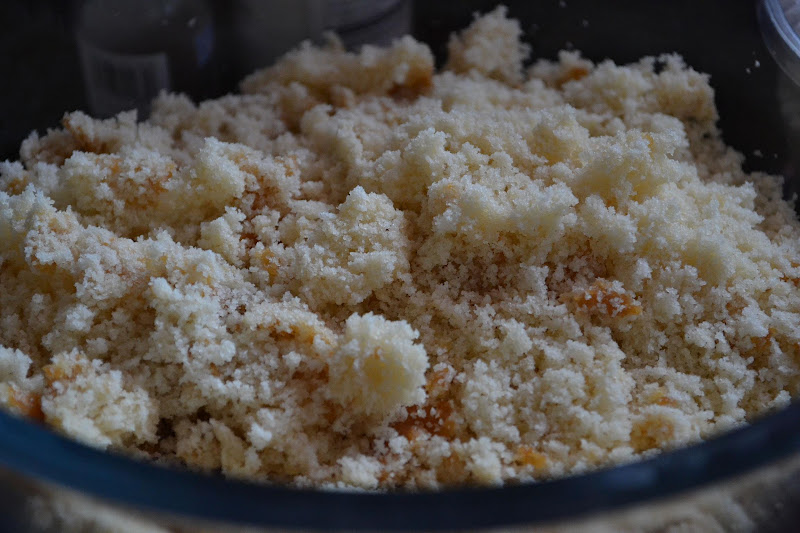
I love these, and since I found out how to make them I can’t stop. I always use a shop-bought Madeira cake – this gives such a lovely sweetness I think, and they’re always a bit more stodgy, so I find they stick together better than home-made cake crumbs. Plus, you don’t have to wait for them to cool (bonus).


White Chocolate-Dipped Cake Pops
Makes about 10
Ingredients:
  • 265g Madeira cake, crumbled into crumbs
  • 100g soft cheese (I used Philadelphia)
  • About 250g white chocolate
  • Cake pop sticks

Method
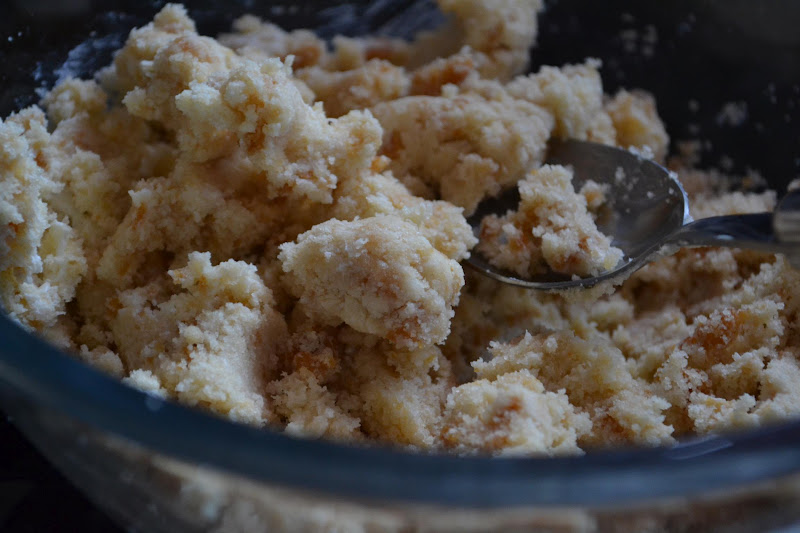
  1. Mix the cake crumbs and the soft cheese together to make a slightly sticky mixture. Form into balls with your hand, or use an ice cream scoop – and poke in a cake pop stick. Lay on a tray lined with greaseproof paper and repeat rolling and spearing until they’re all done.
  2. Slide the tray with the cake pops on into the freezer for 30 minutes.
  3. While the cake pops are freezing, gently melt the white chocolate in a bowl over a pan of simmering water.
  4. When the 30 minutes are up, take out the cake pops and drizzle and swirl over spoonfuls of the white chocolate. The chocolate will set pretty much as soon as it touches the freezing cake mixture. I like to swirl them up so they make little truffle shapes, with the chocolate a bit thicker than usual. I also covered some of them with pink icing and then drizzled over the white chocolate to create a pattern.
  5. Leave to dry fully in a mug or on a sheet of greaseproof paper. 


What do you reckon? Do you like chocolate and cheese?


Saturday, 21 April 2012

Bloggers Scream for Ice Cream Challenge: Lemon and Lime Sorbet

Ooh, this is a good one, this is. I’ll start from the beginning. A couple of weeks ago I finally gave in and decided to buy myself an ice cream maker. I’d never had much luck making ice creams and I was fed up of the grainy texture you can get if you make it in a tub in the freezer and so I invested a few quid and bought something that will do it all for me. And I haven’t looked back.

I’ve been building up loads of different sized tubs of ice cream in the freezer, with blueberry, vanilla and chocolate ice cream our favourites so far. But I’ve never made a sorbet. And, as it fit with Kavey’s Bloggers Scream for Ice Cream this month, I couldn’t wait to try it.

The recipe below makes a fair-sized tub of zingy lemon and lime sorbet – I didn’t measure it properly but I’d guess it’s about 700ml. The flavour of the lime slightly dulls down the acidity of the lemon, and I think this has just the right quantity of sugar. I still want to detect a little sharpness with each icy scoop.

The texture of the sorbet is almost creamy to start with – aside from the fact it doesn’t contain any cream, or milk. There are no grainy or icy bits, making it a dream to eat. You’d only need a couple of scoops with this after a meal, or just as a refresher on a really hot day. I even toyed with the idea of drizzling some plain chocolate over the top before serving – a bit of a throwback to those retro sweets with the lime or lemon and chocolate. I loved this, and it’ll be a regular in my freezer.


Lemon and Lime Sorbet
Makes around 700ml

Ingredients:
5 lemons
2 limes
280g caster sugar
450ml boiling water from a kettle

Method:
  1. Pour the boiling water into a large bowl and stir in the sugar to dissolve. Leave to cool slightly for around 10 minutes.
  2. Wash the lemons and limes and grate their zest into the slightly cooled water and sugar mixture. Then squeeze them all of their juices and add that to the bowl. Leave to cool completely.
  3. With the paddle running, slowly pour the liquid into the ice cream maker and set to churn for 25 minutes. Scrape into a tub and freeze for a further half an hour or until firm.
What are your favourite sorbets?


Thursday, 19 April 2012

Look What We Found Meals: Review

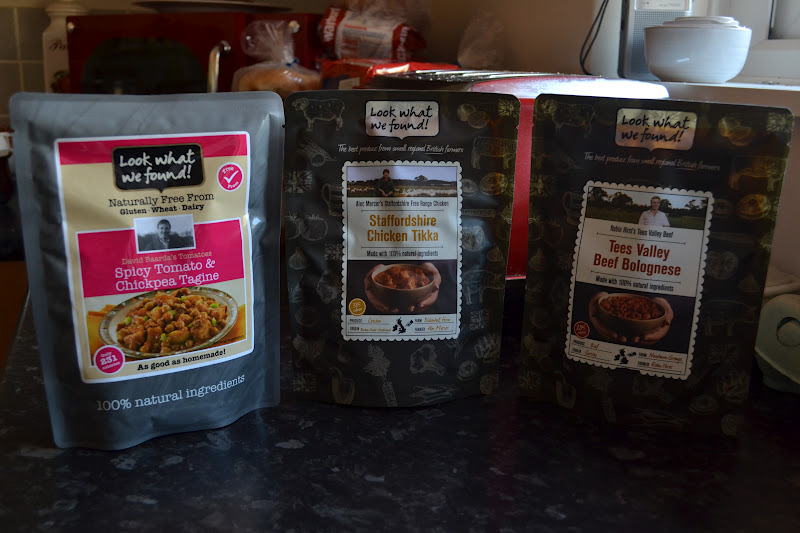
Recently, I was asked to try out some of the meals from the Look What We Found range of ready meals. You’ll find them on the supermarket shelf, rather than in the freezer or chiller cabinet and, unlike more commercial instant meals, they’re made with ingredients grown from British farmers. You can read more about the farmers on the pack and on their website. The meals also don’t contain any artificial ingredients, stating on the pack that they’re made just like you would make them at home.

Now, I love to cook but there are certainly times when I am so pushed for time that it’s a wonder I get anything on the table. And although it’s easy enough to toss some pasta with some herbs and cheese or knock together a quick stir fry, there are times when having emergency food in the cupboards is a good thing. I haven’t had a great success with ‘ready meals’ before, so I was interested to see how these would fare.


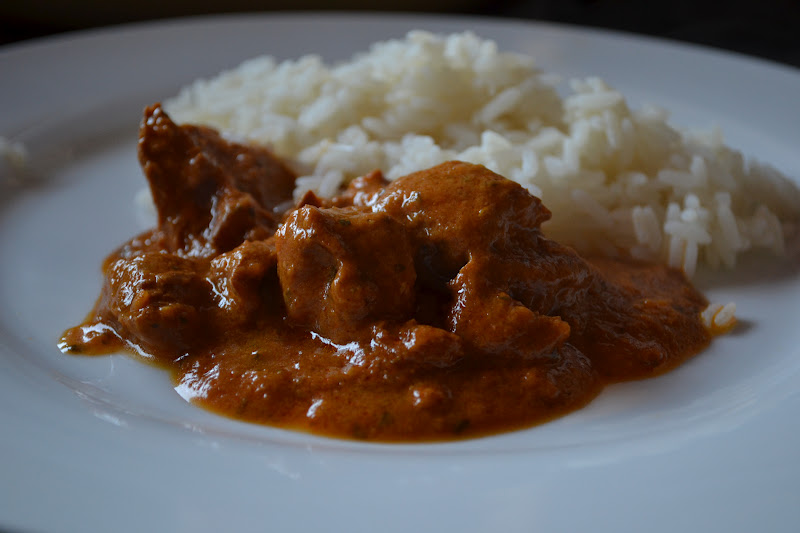
I was sent three different varieties of the meals: Staffordshire Chicken Tikka, Tees Valley Spaghetti Bolognese and Spicy Tomato and Chickpea Tagine. The first one we tried was the chicken tikka. It’s quick: you just tear the pouch where shown and microwave for 2 minutes. Leave to stand for one minute and you’re done. We found the chicken tikka to be a bit spicier than we’ve usually had, and the chicken definitely was tender but had that dryer texture, as you would get when making chicken in a slow cooker. But overall, I would have it again.


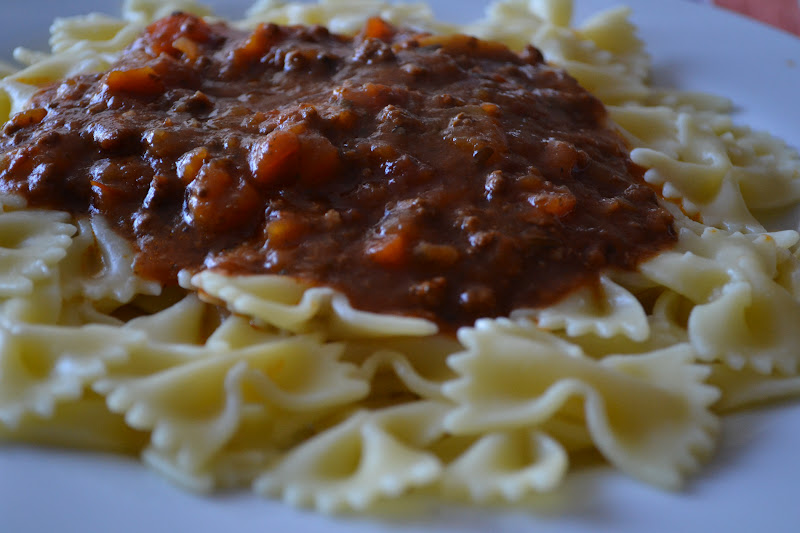
The second one was the bolognese. This one was good. A rich, thick sauce with little pieces of beef mince (generously) stirred throughout the sauce. There were veggies in there too. We really liked this one, and couldn’t really find fault with it all. 


The last pouch was the chickpea and tomato tagine. This was quite spicy and also very fragrant. Lots of chickpeas, potato chunks, raisins and apricots. Fruity. Good with some plain, boiled rice although the packet suggests filling a pitta with it and some houmous and coriander. I know how people can be about fruit in their dinner, but if you like fragrant, fruity dishes with a bit of spice you will love this one.


 Out of all of these, we all liked the bolognese the best. And a while ago I had tried the chilli con carne variety and that was very good too. And while I still don’t think any ready meal is a real substitute for home-cooked food, these do come pretty close. They don’t contain any of the nasties you associate with ready meals (artificial colours, flavours, stabilisers, preservatives) and I think they’re a great emergency option for the cupboard.


Find out more about the Look What We Found meals and the other varieties available by visiting their website.

Tuesday, 17 April 2012

Monster High Cake Pops

So, I finally gave in and made cake pops. I don’t know why it took me so long to do it, I had always thought it was complicated but it really wasn’t. You don’t even have to do any baking!


So when I found out how easy they are to make, I couldn’t wait to get on with it. And, because of my daughter’s current fascination with Monster High I decided to make ones based on the little Monster High pink-ribboned skull. Here’s how I did it:

1. Crumble up 265g of cooled cake (I used a slab of shop-bought Madeira cake).


2. Add 100g soft cheese (I used Philadelphia) and stir and mash this into the cake crumbs. It should soon form a sticky consistency. Have a little taste. Good, isn’t it?


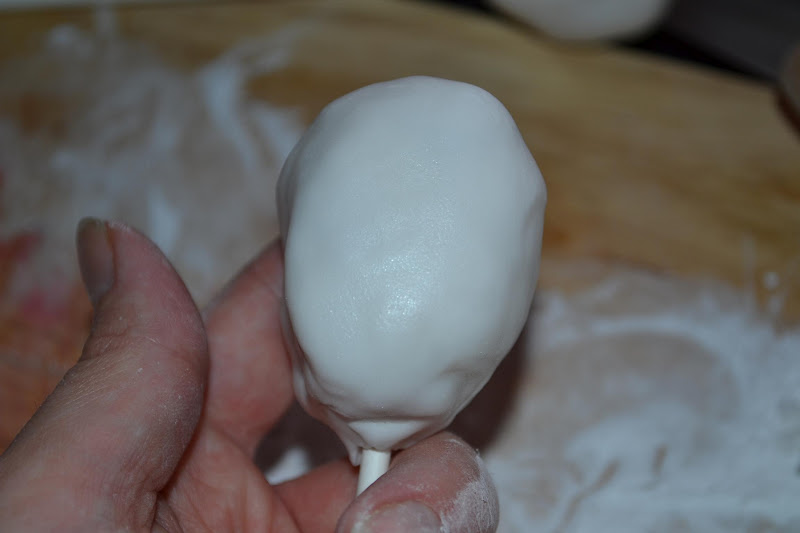
3. Form a ball out of the sticky mixture and spear it with a cake pop stick. (I got mine from Lakeland but clean lolly sticks will also work). Mould the ball into a head shape, with a pointy bit at the end for the chin. Try not to make your balls of mixture too big, or they can get too heavy and slide down the stick when they’re finished, ruining your lovely icing.


4. Lay on a tray lined with greaseproof paper and slide into the freezer for about 30 minutes to firm up.


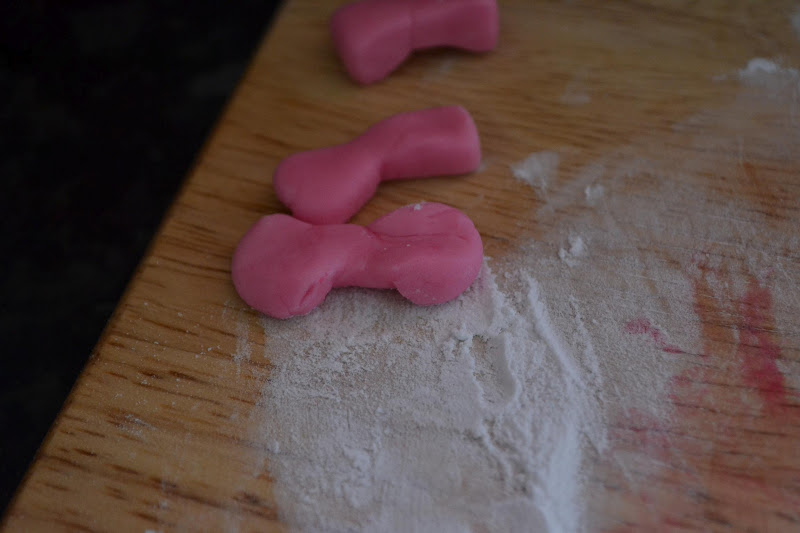
5. Meanwhile, get on with the icing. Take off a 100g blob of white ready to roll royal icing and add 24 drops of pink food colouring. I used the Silver Spoon one, but if you’re using a different colouring, just read the instructions on the bottle: you might need less. Knead until it turns a good pink.

6. Cut little ribbon shapes from the pink icing and mould with your fingers to get the right shape.


7. Roll out the rest of the white icing quite thinly, using icing sugar to stop it sticking – mine was about 2-3mm thick. You’ll also now need a pen with edible black food colouring (like the one I used for the zebra print cupcakes) or some food colouring paint and a brush.

8. Take the cool cake pops out of the freezer and cover with sections of the white icing. Rub some icing sugar into them and smooth out any cracks or lumps.


9. Moisten a finger with water and use this to attach one of the ribbons onto the top of the skull.


10. Start to paint on the skull’s eyes and nose. The pen was ok at doing this, but did leave ‘colouring marks’ on the icing. You would probably get better results using a proper edible food colouring paint and a brush.

Leave to dry for a couple of minutes, and you’re done!


Not bad for my first cake pop attempt, although I’ve learned some lessons for next time. What do you think? Do you like them? Have you ever made cake pops?

Saturday, 14 April 2012

Chorizo and Tomato Baked Eggs

I worked on an article recently, which meant that I had to cook eggs in all kinds of ways – coddling, roasting, scrambling them in their shell – and also baking them. And for this, instead of just cracking the egg into a buttered ramekin and letting the oven get on with it, I deicided to do something different.


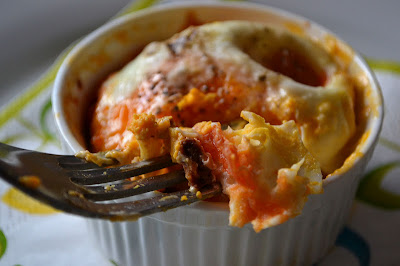
Eggs and chorizo go so well together, often served up together for a Spanish-style breakfast. You can’t beat that silky yolk mixing with the smoky flavour of the paprika-stained chorizo. It’s just so full of flavour. And so I baked eggs with chorizo, tomatoes and a tiny little grating of cheese. This works as a brilliant lunch or breakfast – I cooked the egg until the yolk was set, but adjust the timings to suit you. And it’s also a great way to use up any ends of chorizo left in the fridge, cutting down on waste.

Chorizo and Tomato Baked Eggs
Serves 1

Ingredients
  • 1 egg
  • small piece of chorizo, about the length of your thumb
  • 1 tomato
  • Parmesan cheese, for sprinkling over

Method
  1. Preheat the oven to 180°C and butter a small ramekin.
  2. Chop the chorizo and tomato and place in the bottom of the ramekin. Crack in an egg, and then grate over a tiny amount of Parmesan cheese. Season with black pepper if you like, but you won’t need any salt, as the chorizo is salty enough.
  3. Place on a baking tray and cook for 12-15 minutes.

This post is an entry for the #ShortcutEggsperts Linky Challenge sponsored by British Lion Eggs. Learn more and find recipes at www.eggrecipes.co.uk 

For more egg main meal ideas visit: http://www.eggrecipes.co.uk/recipe-category/main-meal-recipes 

Thursday, 12 April 2012

Spiced Swede and Carrot Fritters

I have a bit of a love/hate thing going on with vegetable box schemes. While they’re organic (good), support British farmers (also good), and seasonal (yeah, good again) using them does sometimes mean having odds and ends of fruit and veg in the fridge or wilting on the kitchen worktop by the end of the week. One of these problem veggies, for me, is swede. If we’re having a roast dinner, then great – I’ll mash it up and serve alongside it, with a big puddle of dark, rich gravy. But otherwise, there isn’t much I ever do with a swede. Until I decided to make these.


The idea came in one of my delivery boxes, which I get from Abel and Cole. They seem to be aware of this problem and occasionally tuck little recipe cards and booklets into the box along with the veg, to give you ideas on how you can use up your leftover veg. And in one booklet there was an instruction for vegetable fritters, that they said you make with ‘just about any veg’. I’d had enough of watching my swede wilting: it was time to turn it into something delicious. 

While I wouldn’t go so far as to say that these are healthy (they are fried, after all), they do give your 5-a-day a bit of a boost. They will also save you money and help you cut food waste. They’re filling, better for you than a plain old sandwich and they’re really easy to make. They also taste delicious. If you’re planning a curry night, consider making a batch of these to serve alongside, adding a chopped chilli to the mixture if you want a bit more heat. I love to sprinkle these with sea salt while they’re hot and eat a few of them, standing up at the kitchen worktop.

Spiced Swede and Carrot Fritters
Makes about 10
Ingredients:
  • 1 small swede, peeled
  • 1 medium-sized carrot, peeled
  • 1 small onion, peeled
  • 1 large egg
  • pinch sea salt
  • 1 tsp Garam Masala
  • half a teaspoon ground coriander
  • small bunch chives
  • 3 heaped tablespoons plain flour, plus extra for dusting
  • oil for shallow frying
Method:
  1. Crack the egg into a large mixing bowl and beat with a fork.
  2. Coarsely grate the swede, carrot and onion and add to the egg mixture. Scrunch and mix the vegetables around the bowl so they are coated with the egg.
  3. Spoon in the sea salt, garam masala, ground coriander, chives and the 3 tablespoons of flour and mix with your hands.
  4. Pour a little oil into a frying pan and set on a medium heat. Take out small handfuls of the mixture and form into little thin patties. Push these into some plain flour and fry them in the pan, for about 4-5 minutes on each side, until golden on both sides. You’ll feel that the centres will ‘give’ slightly and feel soft as you cook them, telling you they’re cooked all the way through.
  5. Drain on some kitchen paper and continue with the rest of the batch, until they’re all cooked.
  6. Eat, while hot.
How do you use up your leftover vegetables? Do you use a fruit and veg delivery scheme?

Tuesday, 10 April 2012

Peanut Butter and Vanilla Cupcakes

This is my new favourite cake. A vanilla and peanut butter flavoured base (it’s actually more of a muffin than a cake), with soft, swirly vanilla icing topped with salty honey-roasted peanuts. Oh yes. It’s good. There aren’t many words for this (I’m still love-struck with it) so I’ll just continue with the recipe below. The recipe is adapted from one by Leiths for peanut butter and chocolate muffins, but I’ve tinkered with it to include the vanilla, increased quantities to make more of them and obviously changed the icing. I like the denser, more robust muffin mixture instead of the light crumb of a proper cupcake with this; the peanut butter makes it somehow more fudgy and filling. Nutty, sweet and salty: you have to try this!


Peanut Butter and Vanilla Cupcakes
Makes 12-16 cakes

Ingredients
For the cakes:
  • 340g plain flour
  • ¼ tsp salt
  • 3 tsp baking powder
  • 100g caster sugar
  • 2 medium eggs
  • 250ml milk
  • 1 ½ teaspoons vanilla extract
  • 100g butter, melted
  • 160g smooth peanut butter
For the topping:
  • 225g icing sugar
  • 100g soft, unsalted butter
  •  ½ teaspoon vanilla extract
  • 1 tsp hot water from the kettle
  • Honey roasted peanuts, about 4 per cake.
Method:
  1. Preheat your oven to 190°C.
  2. Put the flour, salt, baking powder and sugar into a bowl.
  3. In another bowl or a large jug, mix the melted butter, eggs, milk, peanut butter and vanilla extract. Mix well with a fork – the peanut butter will take a while to mix in.
  4. Pour the wet ingredients into the bowl with the flour mixture and stir well to combine.
  5. You will have quite a stiff batter – add a few drops of milk to loosen if need be.
  6. Pour into a silicone muffin tray and bake for 25 minutes. When done, take out and leave to cool.
  7. Meanwhile, get on with the frosting. Beat together the icing sugar and butter until smooth. Stir in the vanilla and loosen the mixture with hot water from a recently boiled kettle. When smooth and soft, spoon into a piping bag fitted with a large star-shaped nozzle.
  8. When the caked are cool, pipe a swirl on top of each cake – you only need a small amount of icing – and then sprinkle the nuts on top.
What do you reckon? Would you eat one?


Saturday, 7 April 2012

Elvis and Rockabilly Themed Weddings – What Do They Eat?

One of my secret obsessions – and has been, since I was about 14 – is Rockabilly music. While all my friends were listening to Take That (the first time round), New Kids on the Block (remember them?) and East 17, I was humming along to songs from Elvis Presley, Peggy Lee and Chuck Berry. I loved Little Richard, Jerry Lee Lewis and Brenda Lee – basically anything from the 1950s or 60s.

And while I know that Rockabilly-themed weddings in Las Vegas do happen, I was always curious as to what the guests (as well as the bride and groom) ate. Did they eat a wedding cake made out of a tower of burgers? Did they slurp down pastel pink strawberry milkshakes in tall, pretty glasses and feed each other ice cream soda? Well, as it happens, it’s not that far off.

At The Viva Las Vegas Wedding Company in the US, an Elvis lookalike will conduct your wedding ceremony, sing a few songs and you even get to have your names up in lights on the marquee. After you’ve posed for pictures, you can go on to have cocktails and posh canapés in a swanky restaurant. But I think a bash at the Doo Wop Diner sounds like much more fun. You and your guests can get married in the Diner, and then, surrounded by neon Pepsi lights and jukeboxes, you can all feast on: 
  • an 8″ pink Cadillac wedding cake with an Elvis topper
  • ice cream (vanilla, chocolate or strawberry) in ‘Authentic Diner Ice Cream Dishes’
  • root beer floats and sodas
  • and hamburger sliders
And I don’t know about you, but I’m rather taken with this Elvis cake with a Jailhouse Rock topper:


It’s all brilliant stuff. This year marks 35 years since Elvis died, and it seems his image is as popular as ever, especially for many people on such a special day. And if you don’t like it, then ‘you ain’t nothin’ but a hound dawg *curls lip*.

 
You can find out more about these themed weddings and see pictures of the Doo Wop Diner by visiting their website. 

What do you think of these Elvis and rockabilly-themed weddings? Sound like fun? Or not to your taste?


Wednesday, 4 April 2012

Chocolate Tea: Teapigs vs Tesco

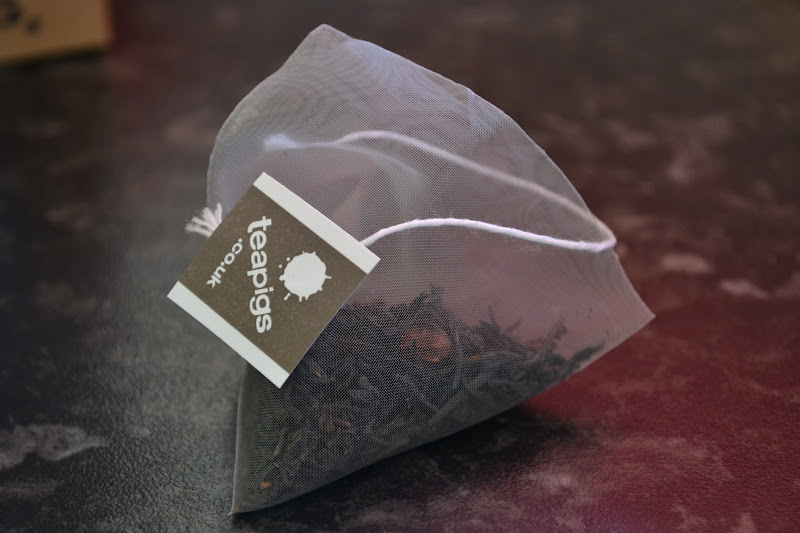
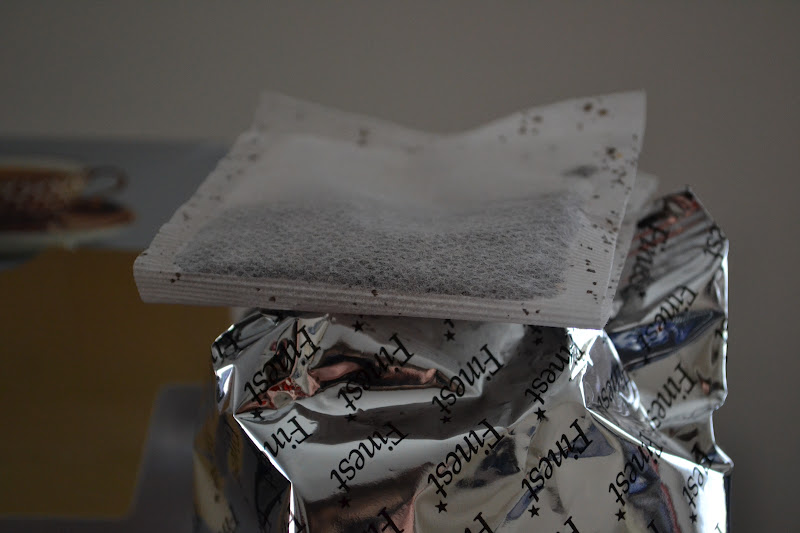
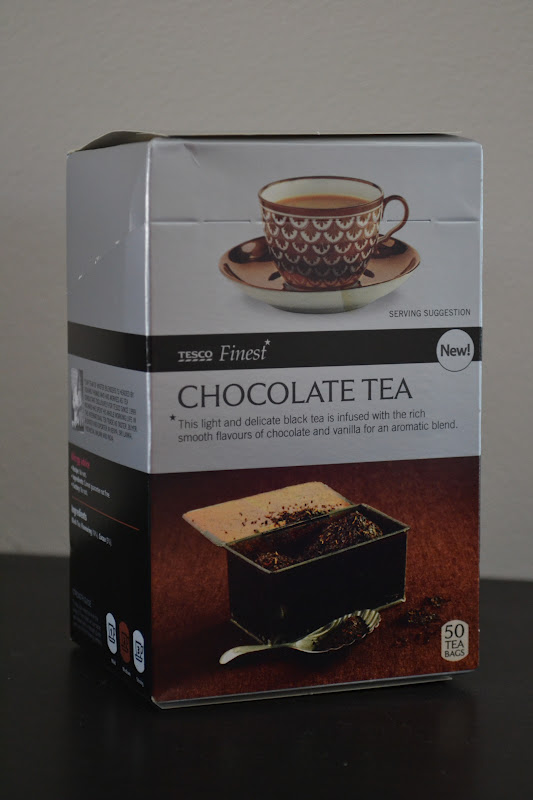
I received a press release a little while back, announcing that the company Tea Pigs had developed a blend of tea leaves with real chocolate flakes inside each tea bag. (Actually, they call it a tea ‘temple’ – it’s more of a silky packet than a papery, perforated tea bag). Then, a couple of days later, I received a release from Tesco saying that they had also now developed a chocolate tea forming part of their Finest range.

And if you’ve ever dipped a chocolate biscuit in a cup of black tea, you’ll know that the melted chocolate leaves behind a sweet, slightly chocolatey flavour in the cup. Would it taste like that, I wondered? So I went online and ordered a pack of the Tea Pigs tea, and Tesco kindly sent me a box of their chocolate tea to try.

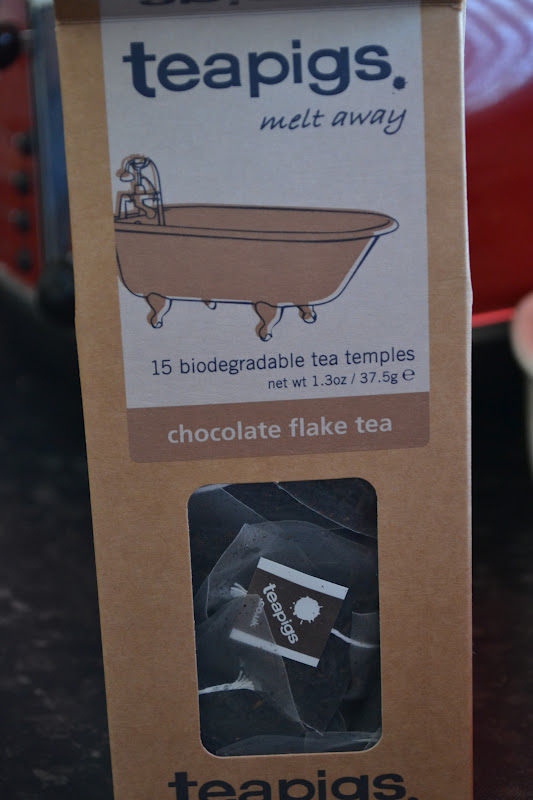
I took a deep sniff into the pack of Tea Pigs tea, and it did smell a bit like chocolate. It had that cocoa flavour, and a vanilla scent. I prepared it as stated on the pack, and drank it with a little drop of milk. I don’t know why, but I expected it to taste more of chocolate than it did. But then again, this is chocolate TEA and not hot chocolate. It was good. And it’ll stave off a sugar craving and perk you up in the afternoon. I loved that vanilla scent wafting up from the hot liquid. It’s really soothing and I have been drinking it quite regularly. The information on the pack states that there are actually real chocolate flakes in the blend of tea, and they’re a tad on the pricey side at £3.99 for 15 tea bags (sorry, ‘tea temples’).

Tea Pigs Chocolate Flake Tea
Teapigs Tea Temple
Teapigs Chocolate Flake Tea


The Tesco tea was quite similar. It  tasted predominantly of black tea with quite a strong vanilla scent. But not as chocolatey perhaps as the Tea Pigs blend. The Tesco tea blend contains 5% cocoa – I wonder if the chocolate flakes that Tea Pigs uses make a stronger chocolate-tasting cuppa. But then Tesco’s version, at £1.79 for 50 tea bags, is much cheaper than the Tea Pigs option.

Tesco Chocolate Tea in the cup

Tesco chocolate Tea tea bags

Tesco Chocolate Tea – as it looks in the box

If I had to choose which was my favourite, it would definitely be the Tea Pigs tea because it is slightly more chocolatey than the Tesco tea. But the Tesco tea really does give you a taste for what the chocolate tea craze is all about – for a fraction of the cost. But for me, neither taste like a chocolate biscuit-dipped cuppa – it’s a completely different kind of flavour.

What do you think? Would you buy chocolate tea?  

Monday, 2 April 2012

Pan Fried Salmon and Creamy Leeks

 
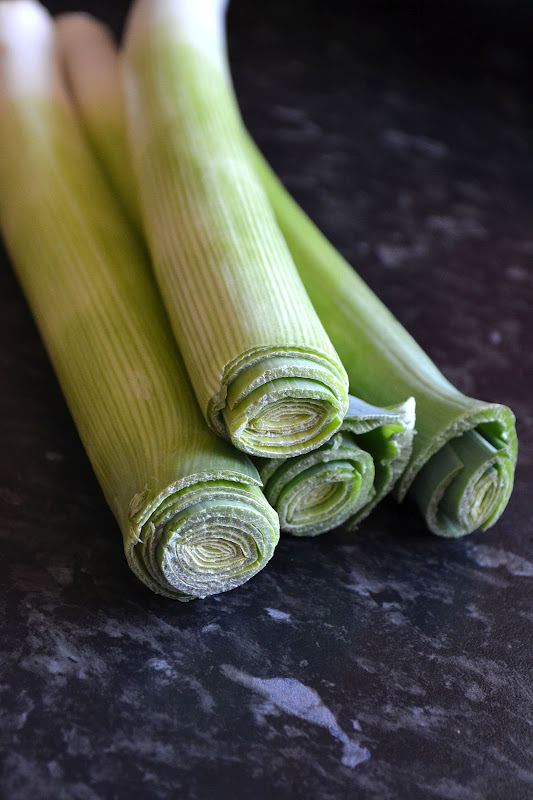
You may remember the Vine Tomatoes with British Buffalo Mozzarella recipe that I made last year, that went with a lovely lemon and basil dressing. Well, Love the Garden are running a new competition this month, to honour the leek. I love leeks, chopped with garlic and fried slowly in butter, a splash of Marsala and then tossed into pasta. Or in a chicken pie. But for this month’s challenge, I decided to try something I’d never tried before: leeks with salmon.


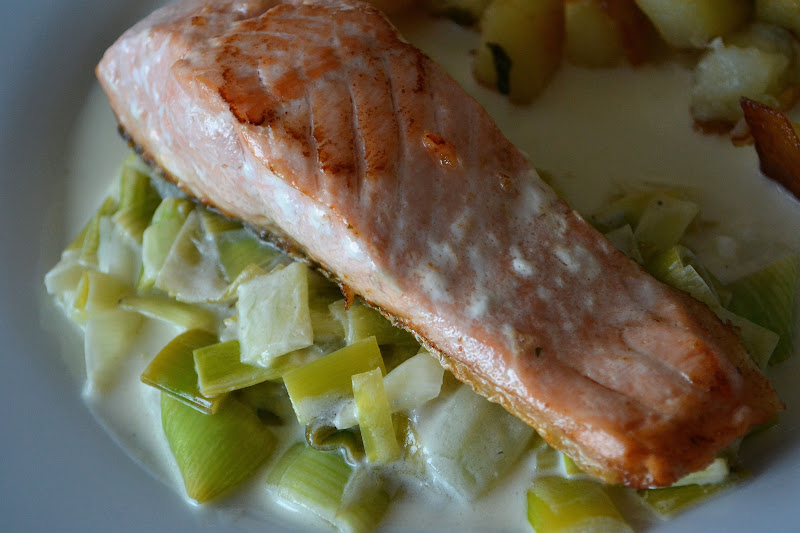
The green, oniony leek works really well with the soft, oily flesh of salmon. You’d think that it would be a bit too overwhelming with all that cream in there, too – but there isn’t actually much. The leeks are cooked in white wine with a little swirl of cream added at the end. I loved this; a perfect dish for Spring. You could add some frozen petits pois to the leeks 5 minutes before the end of cooking if you wanted to. We ate ours with diced potatoes that had been roasted with garlic and parsley. Delicious!

Pan Fried Salmon and Creamy Leeks Recipe
Serves 4
Ingredients
  • 4 salmon fillets
  • 3 leeks, split in half lengthways, washed well and sliced
  • 2 cloves garlic, chopped
  • 300ml dry, white wine
  • knob of butter
  • swirl of single cream
  • salt and pepper, to season 
  •  
 
Method:
     
  1. Heat a large frying pan and melt a small knob of butter. When it’s melted, throw in the chopped leeks and garlic and cook gently for about 5-7 minutes, until the leeks have started to soften.
  2.  
  3. Pour in the wine, and leave to bubble for another 10 minutes.
  4.  
  5. Meanwhile, pan fry the salmon. Heat a little olive oil in a separate pan and lay in the salmon fillet, skin side down. Leave there for about 5 minutes – you’ll see the salmon cooking throughout the fillet. Once the salmon skin is crisp, and you can see the fish has started to turn opaque up to the middle of the fillet, turn it over and cook on the other side for a few more minutes, until it’s just cooked.
  6. Go back to the leeks. Swirl a few tablespoons of the single cream into the leek and wine mixture and season with salt and lots of black pepper. Spoon the creamy leeks onto a serving plate and serve with the pan fried salmon.
  7.  


LinkWithin

Related Posts Plugin for WordPress, Blogger...