Thursday, 29 December 2011

Getting the Most From Your Roast Chicken

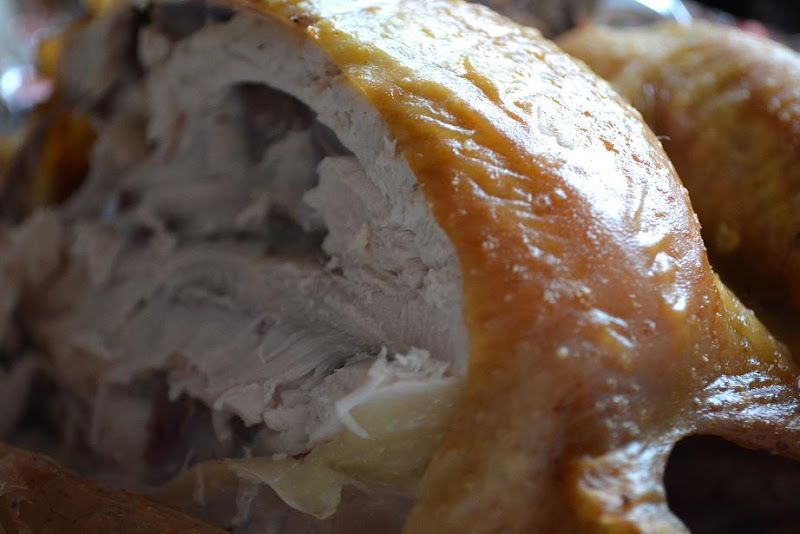
I have long bleated on, to anyone who will listen, about how one roast chicken can see you through at least 4 family meals. I was horrifed, when I watched the Chicken Out programme a few years ago and saw Hayley dishing up what looked like half a chicken for each person for their Sunday lunch. Watching her telling Hugh how she could buy 2 supermarket chickens for £5, I made the decision there and then to buy higher welfare (and therefore more expensive) meat and just make it go further.

And go further, it does. When I think back to when I used to buy the standard supermarket chickens, I sometimes found a lot of mysterious water bubbling away in the roasting tin, making the chicken soggy. The meat on the legs wasn’t as dark as on the organic chickens we now buy, and looking back, I can see that they lacked so much flavour. The texture of the meat seems different, too. With a good quality chicken, it seems to be more dense, fibrous and you don’t need as much of it to make a meal. So it goes much further.

The meals below are based on a large 2.8kg organic, free-range chicken that we roasted and ate for our Christmas dinner. All meals generously fed 2 adults and 2 children; I didn’t try to be frugal with it, and could probably have made it go even further if I wanted to. When it’s not Christmas, I’ll normally buy a 1.4kg chicken and it will still get us through 4 meals – just maybe not as many sandwiches. For that sized chicken, we’ll still get the roast, 2 extra dinners and a soup or risotto. The chicken used below cost me £18.

Meal 1: Roast Chicken with all the Trimmings
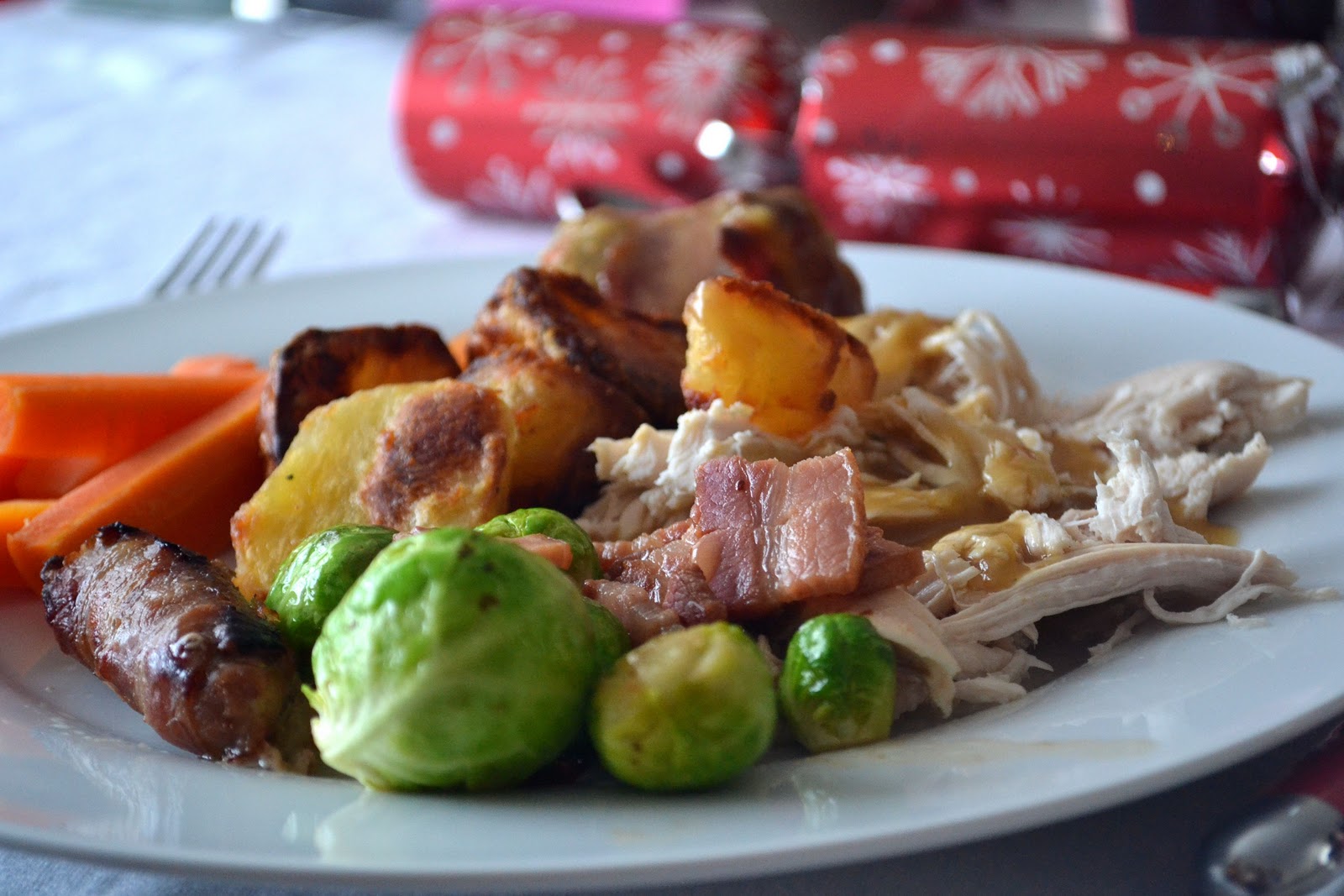
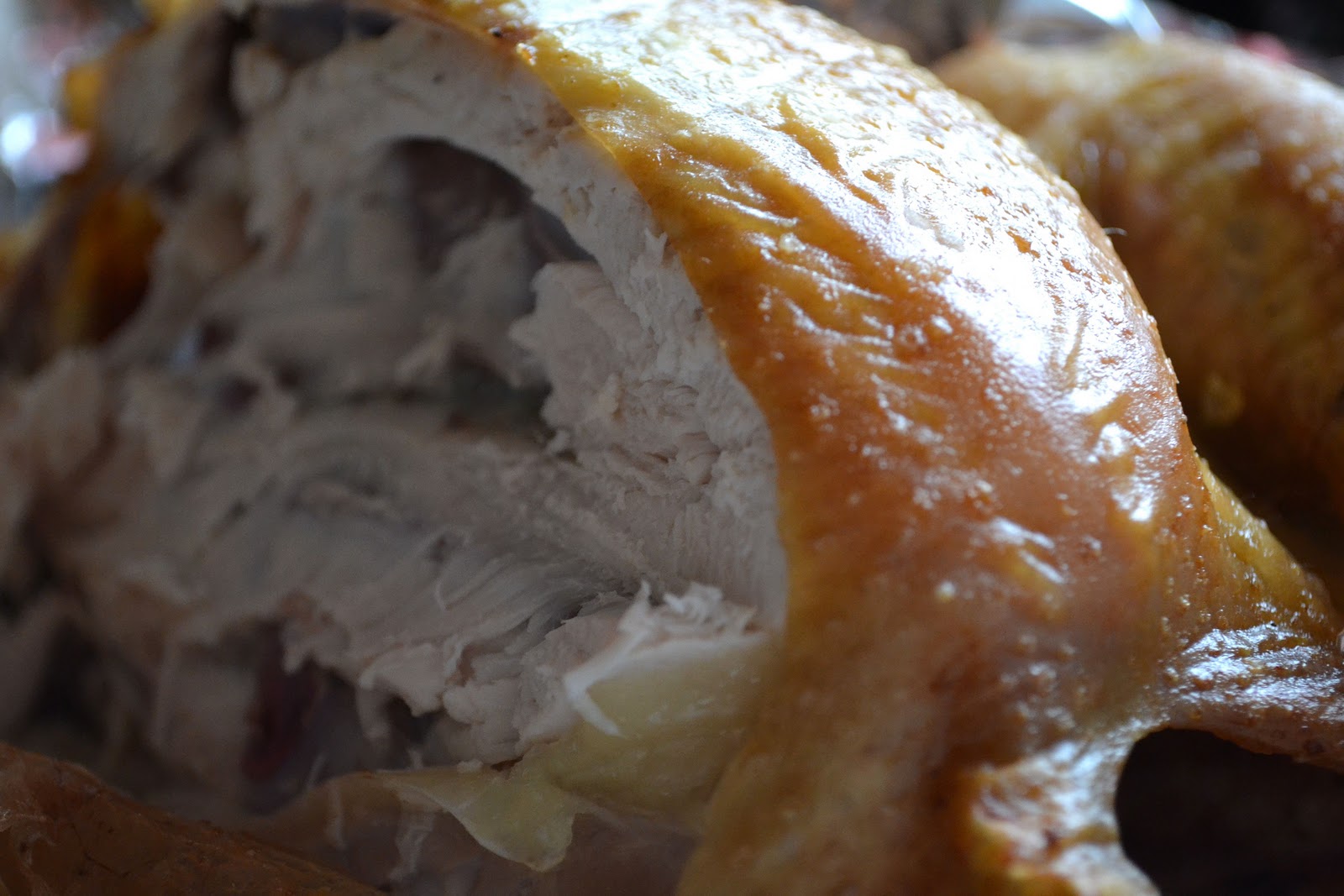
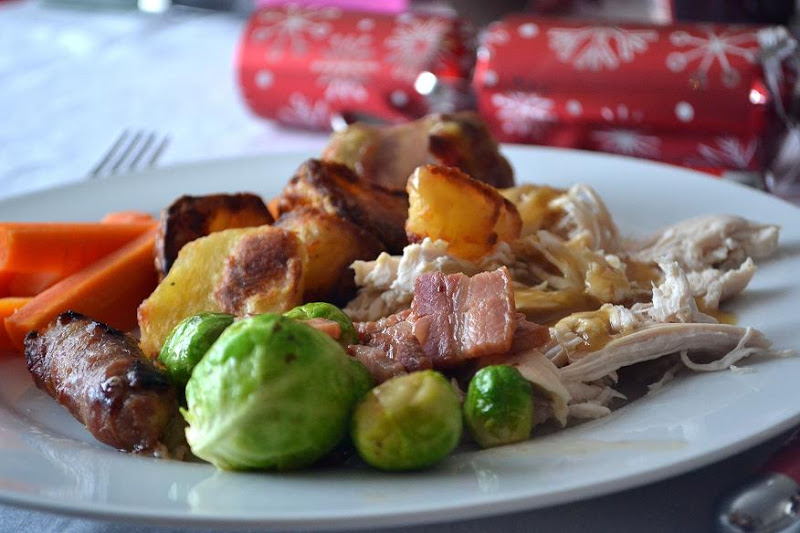
Christmas dinner, We each ate a generous amount of chicken, alongside roast potatoes, cocktail sausages wrapped in bacon, sprouts (with more bacon), stuffing, vegetables and gravy.


Meal 2: Sandwiches
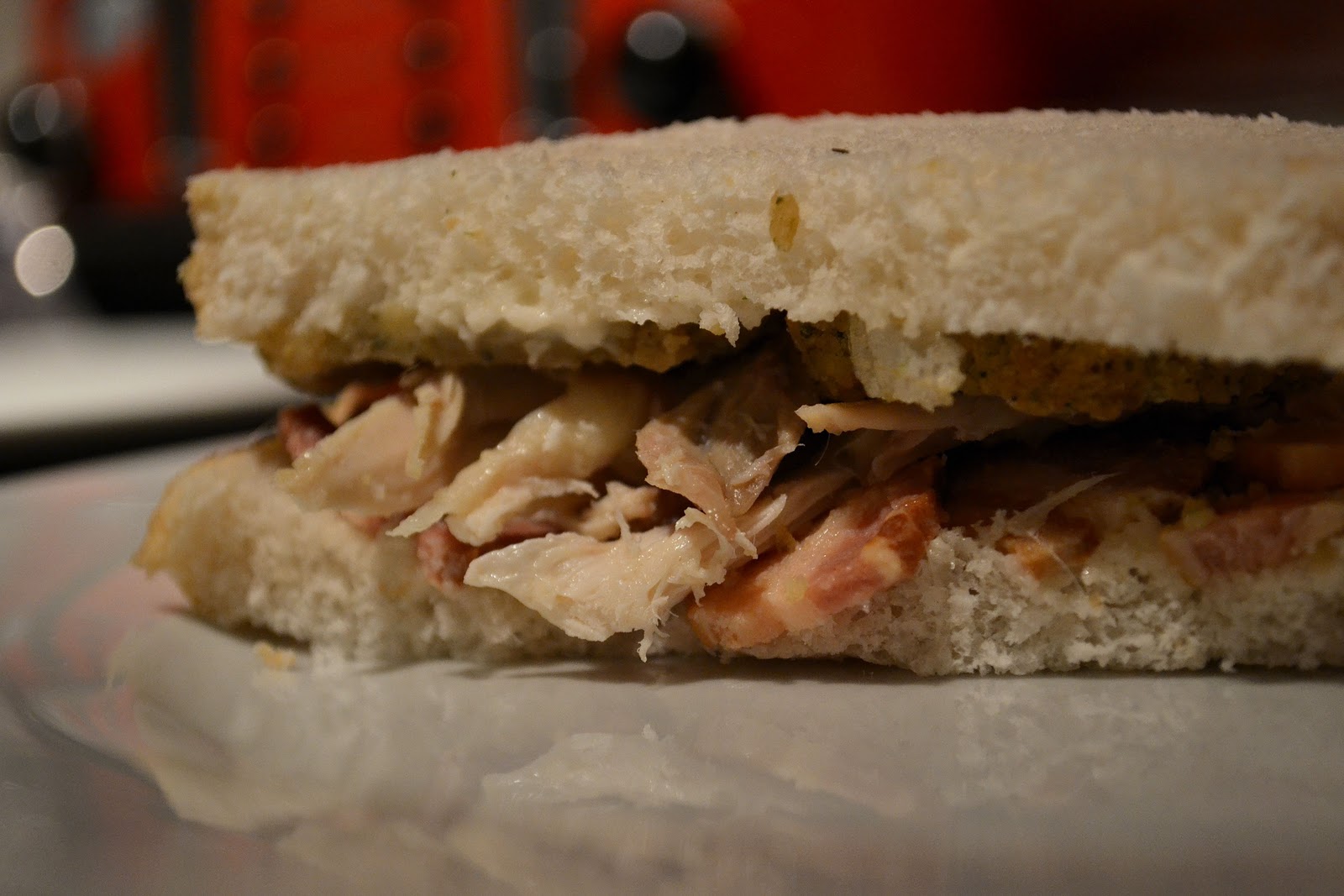
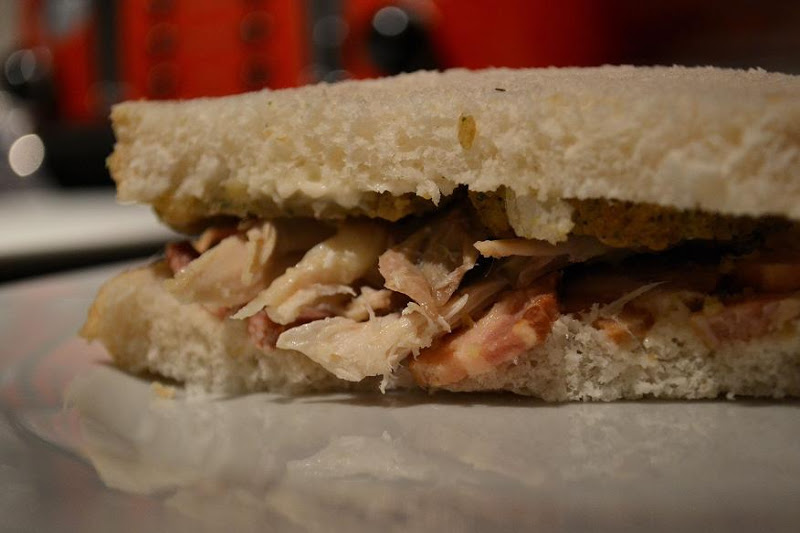
We used the leftover chicken to make 4 sandwiches – along with any other parts of the roast that were left over, including stuffing and leftover bacon. They were lovely with a sauce – any of the following works well: cranberry sauce/mayonnaise/sweet chilli sauce/mango chutney.


Meal 3: Cold Cuts
This is the Monday night dinner I always ate as a child. The roast meat leftover from Sunday lunch served cold, alongside chips, pickle and salad. We had a good handful of chicken each.


Meal 4: Chicken Curry
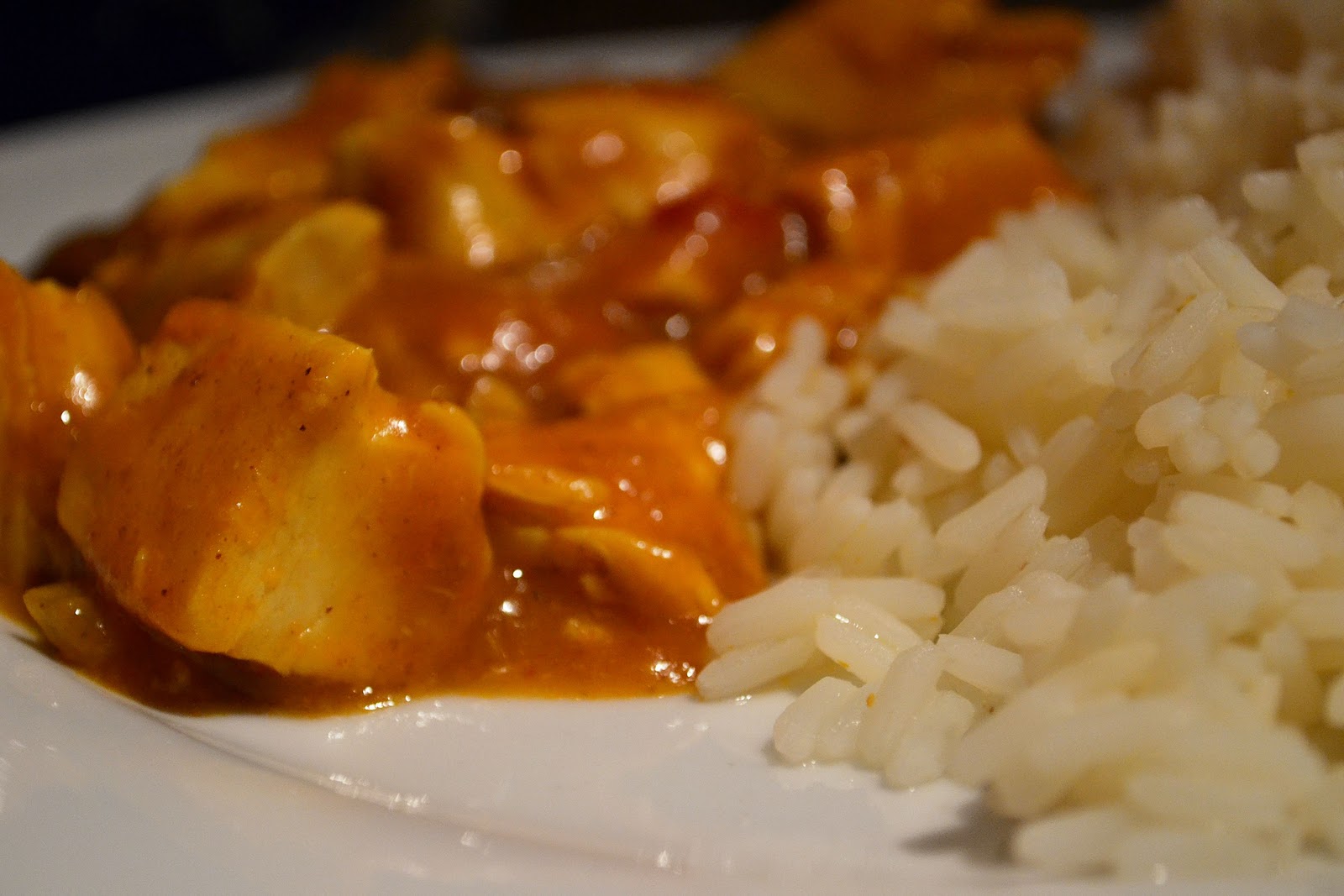
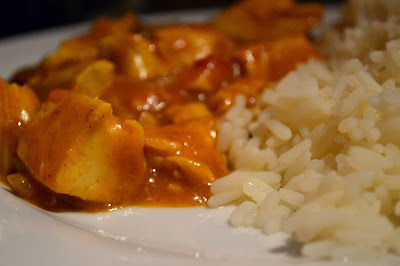
The leftover meat was dropped into a pan of curry sauce – I used Patak’s special Christmas sauce as it was handy and in the cupboard, but you can use any sauce or make your own. This one tasted fruity and mild – perfect for leftover chicken or turkey. Just cut into cubes, drop it in, give it a stir, and heat it thoroughly. We ate ours with plain, boiled rice.


Meal 5: Risotto
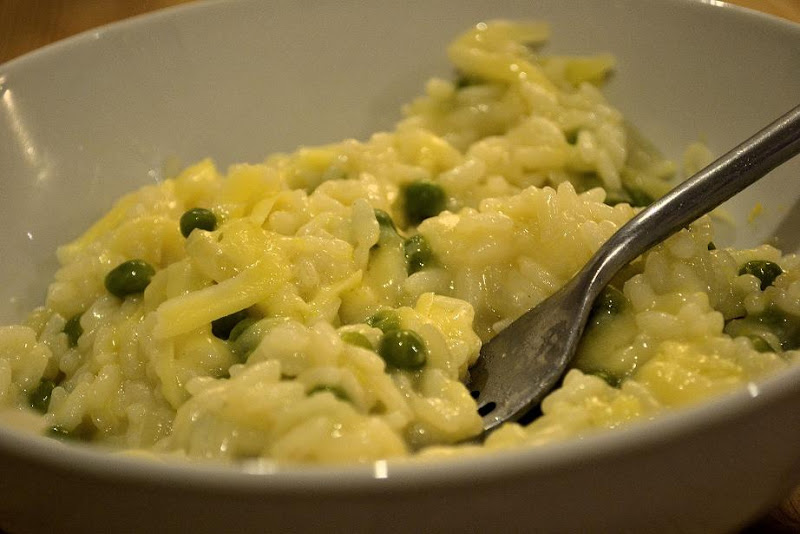
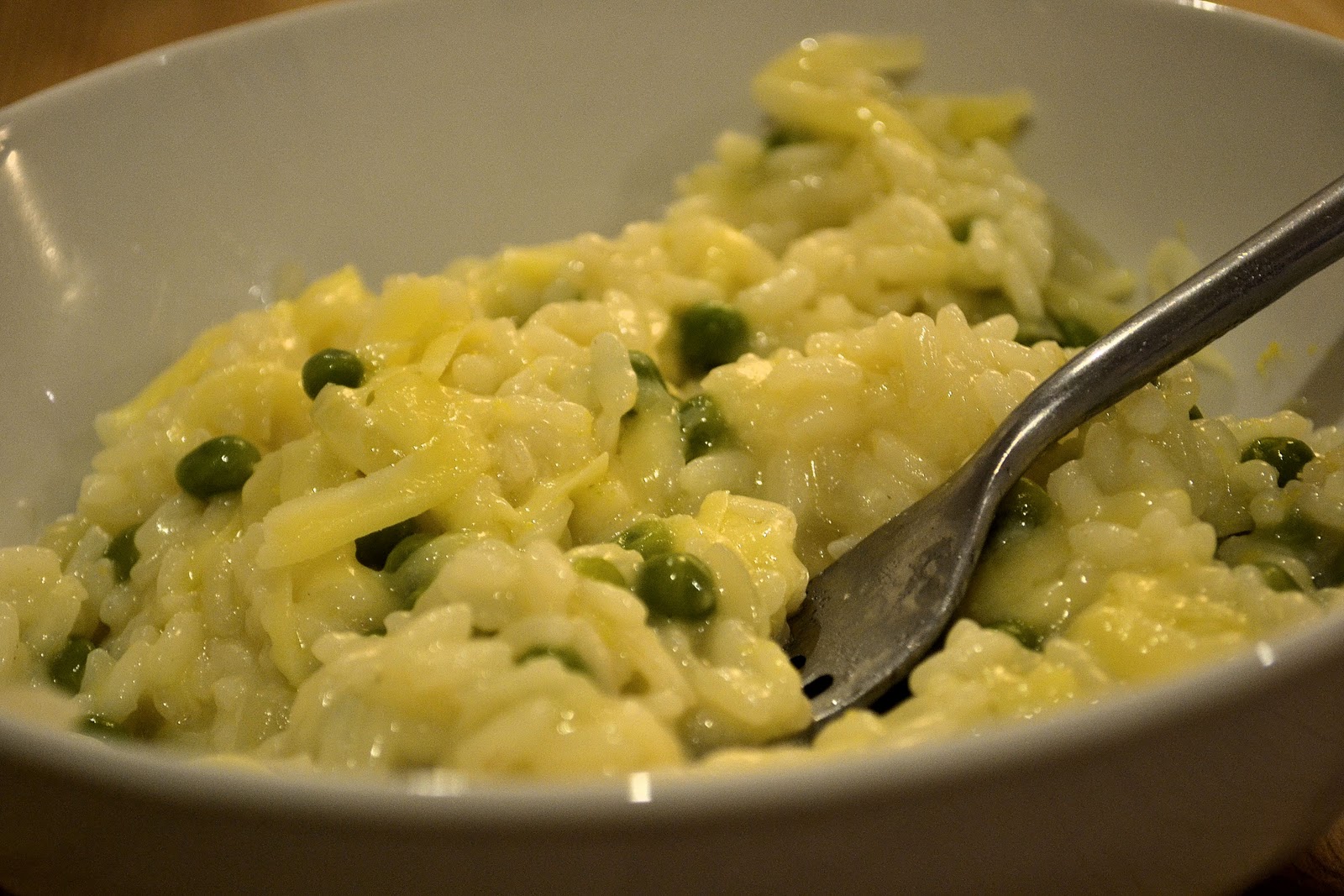
I always keep the bones from a roast chicken (or duck) and boil them to make the most amazing soup or stock. For something most people just throw away, the bones have a huge amount of flavour. I used this, on the final night, to make a tasty, warming risotto.


The Maths:
  • 5 meals x 4 people = 20 servings in total.
  • £18 ÷ 20 servings = 90 pence per serving.
Did I mention that’s organic, free-range chicken, as well?

What are your tips for making a roast go further?

Tuesday, 27 December 2011

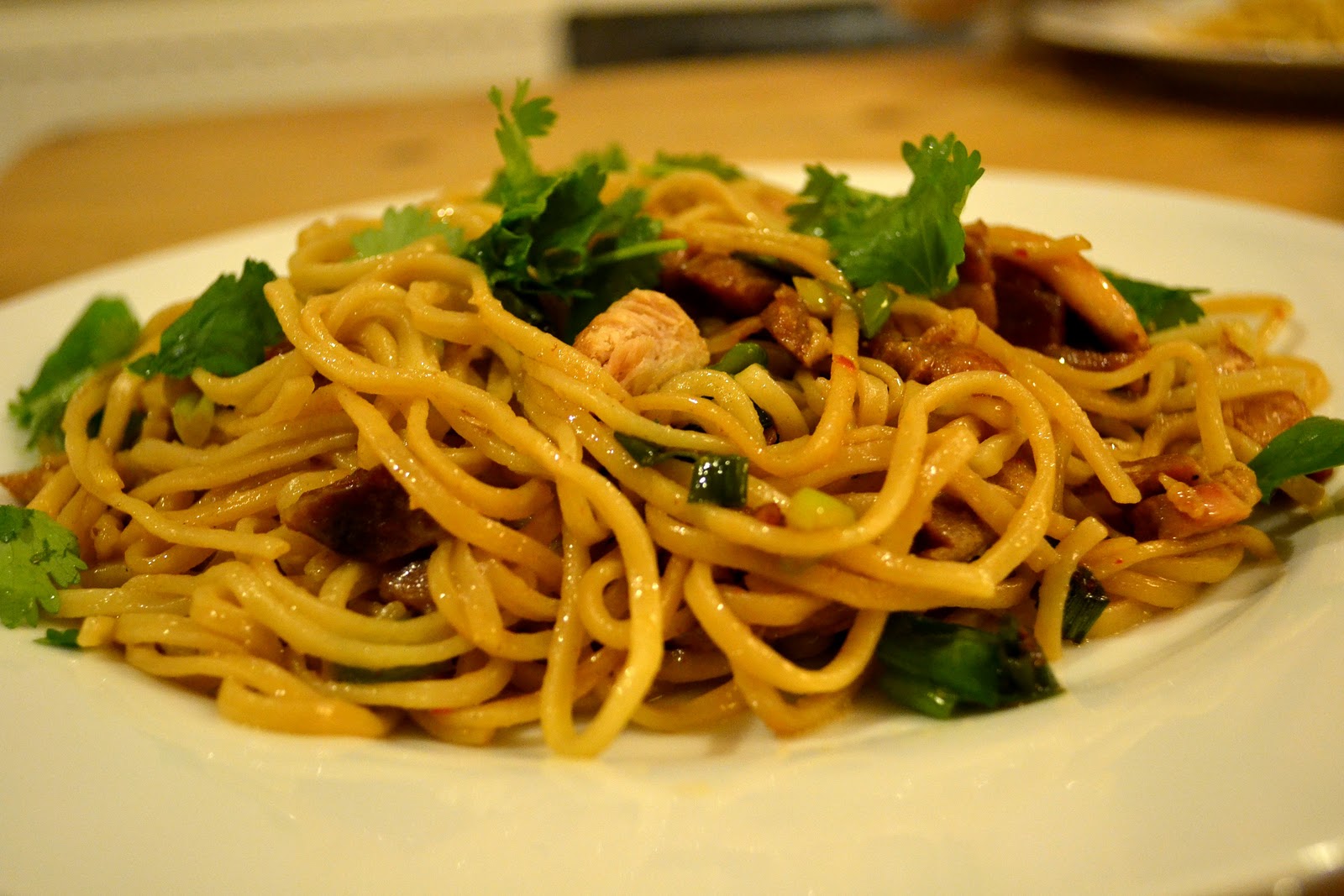
Spicy Chinese Fried Chicken Noodles

This is a meal I whip up when I’ve got no time to hang about. But at least I get a good, tasty and satisfying dinner. The children love it and so do we. Here it is: crispy little strips of chicken thighs fried with spring onions, nasi goreng stir-fry paste and noodles. You want fast food? I’ll give it to you. It’s also great for using up any leftover meat from your Sunday roast or Christmas dinner. Here goes:


Spicy Chinese Fried Chicken Noodles
Serves 4
Ingredients
  • 4 nests of medium egg noodles
  • pack of 4 skinless and boneless (and organic if possible) chicken thigh fillets
  • 2 large spring onions, washed, trimmed and sliced into rounds
  • 1 tablespoon nasi goreng stir-fry paste (I used World Foods)
  • Trickle of sesame oil
  • Splash of dark soy sauce
  • Handful of fresh coriander leaves (optional)
Method
  1. Boil the noodles in slighty salted water, until cooked. When cooked through, drain and rinse in cold water. Drizzle with a little sesame oil and set  to one side.
  2. Slice the chicken thigh fillets into thin strips and stir fry, in a little cooking oil, until golden brown. Tip in the spring onions and stir-fry for about 2 minutes.
  3. Dollop in the nasi goreng paste and stir everything to coat. Fry for another minute or two, until everything becomes aromatic and sizzling. Once you can see the chicken is cooked (cut a piece in half if you need to, to make sure) throw in the noodles, add a glug of soy and toss everything to coat.
  4. If you’re using the coriander leaves, scatter those in at the end and serve.

Friday, 23 December 2011

Food Bloggers Unplugged

I’m very pleased to have been tagged by Jenny at Rhubarb and Ginger (Thank you, Jenny) and invited to take part in the Food Bloggers Unplugged posts that are circulating at the moment.

I like the idea – started by A Little Bit of Heaven on a Plate, and it should help you get to know me a little bit better. So here goes…

What, or who, inspired you to start a blog?
I was walking through Reading town centre one very busy lunchtime, when I saw a woman rushing through the crowds, eating a pre-packed salad with a plastic fork. She was nearly bumping into everyone as she ate and gulping down every mouthful in a rush. I wondered if more people were eating like this, and thought that she could surely have sat down on a bench for literally five minutes while she ate her lunch. So I started Comfort Bites as a call for us all to slow down and enjoy our food. Since then, I’ve also become really interested in how food and the emotions are linked. All fascinating stuff!


Who is your foodie inspiration?

While my sister and I were growing up, my Mum cooked some of the most amazing, comforting food. They weren’t fussy, complicated dishes but I remember them being so comforting and we loved them. Little shepherd’s pies made with corned beef, onion and potato and tomato soup with white bread slathered with butter. I remember we ate quite a lot of pheasant, and also rabbit – in stews. I also used to stand up on a chair when I was really young and fill little pastry tarts with jam with her, at the kitchen worktop. And so my love for comforting, good food started then, I think.

Your greasiest, batter – splattered food/drink book is? 

There are a few books that I rely on for everyday meal ideas, including Anjum Anand’s I Love Curry, Nigella’s Kitchen and Gary Rhodes New British Classics. But my most splattered and well-used cookbook is my own note book, where I write down new recipe ideas that I get. In here, are all the tweaked and altered recipes that we like to eat as a family.

Tell us all about the best thing you have ever eaten in another country, where was it, what was it? 
 
About 10 years ago, I went to visit friends in France, just outside Dijon, and they held a huge barbecue at a deserted farmhouse (one of their friends was rennovating it). They cooked a hog roast, which fed all of us and we lit a fire to keep warm. The pork was so succulent, tender and sweet – the most amazing thing, just plonked simply between two halves of a bread roll. Playing the happy role of tourists, we also went to visit the underground wine cellars underneath one of the beautiful cobble-stoned villages nearby – aherm – testing the wines as we went round. An absolutely lovely weekend.

Another food blogger’s table you’d like to eat at is?

 
I wouldn’t pass up the chance to eat at any of their tables to be honest, their food looks so good. But if I really had to pick one, it would be Dom at Belleau Kitchen, because I have seen that he makes a mean bangers and vegetable mash!

What is the one kitchen gadget you would ask Santa for this year (money no object of course)?
 
I know that Jenny said this too, but I would definitely choose a dishwasher. I cringe when I think of all the hours (days, even) that I must while away each year scrubbing pots and pans, plates and dishes.

Who taught you how to cook?

The TV!! I remember, when I first wanted to start cooking for myself I started watching every television programme I could find, making mental notes of dishes, ingredients and techniques that would work. Then I started to buy and raid the library for cookbooks and then of course started checking out the internet. And gradually I learned how to cook and developed little techniques that helped me along the way.

 
I’m coming to you for dinner what’s your signature dish?
 Well. I would probably cook you a chicken pie, with puff pastry and creamy filling alongside buttered new potatoes and greens. And then for pudding something really naughty like trifle, mousse or a gooey chocolate cake. You might fall asleep on the sofa after all that, but I will wake you up with some strong coffee. Or more cake.

What is your guilty food pleasure?

Only one? I am a sucker for fried gnocchi, greedily wolfed down with a sprinkle of sea salt flakes and HP brown sauce (I’m a classy bird), or some gooey, warm Tunworth cheese drizzled with honey and smeared onto crusty bread. But the most amazing (and unfortunately very naughty) thing I’ve eaten is, without a doubt, bacon jam. (More on that later….)

Reveal something about yourself that others would be surprised to learn?
This is actually quite tricky because I’m sure I’ve mentioned most things in the course of this blog but I’ll give you a couple, so as not to disappoint. I have a degree in History, which I gained at the University of Hull so I annoy people who come to museums with me when I turn into a bit of an enthusiastic amateur tour guide. I also used to be engaged to a bloke who was Jamie Oliver’s best friend at school. I remember him saying to me, in about 1999: “my mate’s doing a show for Channel 4. I don’t know if it will be any good…”


So now I have to tag 5 bloggers to join in with the shenanigans… if you have a spare minute from peeling your veg or wrapping up presents over the next few days, I’d love to see what you write!

Marie at The English Kitchen
Dom at Belleau Kitchen
Lyndsey at Vanilla Clouds and Lemon Drops
Kavey at Kavey Eats
Monica at Lick the Bowl Good

Tuesday, 20 December 2011

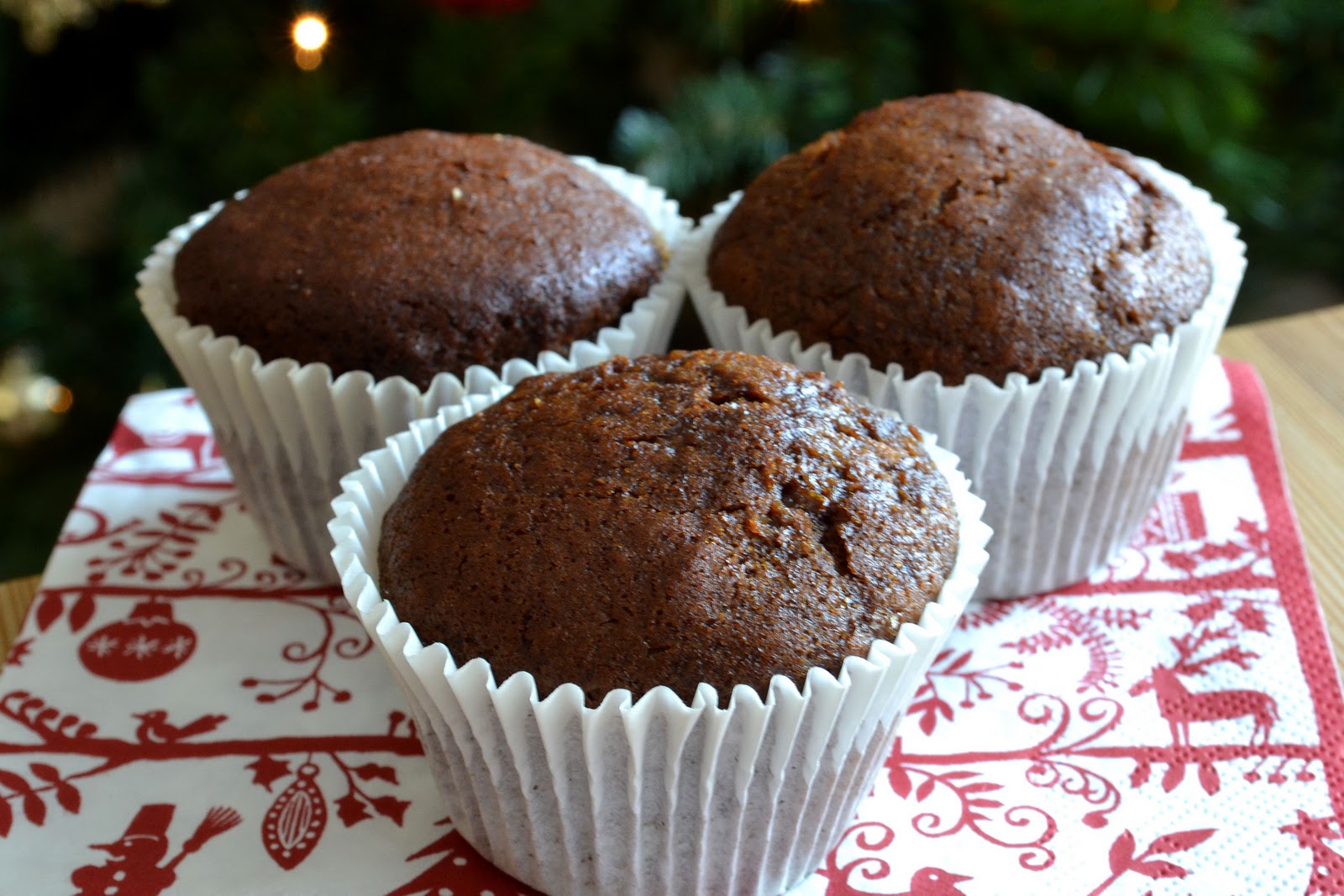
Forever Nigella 10 – Gingerbread Muffins

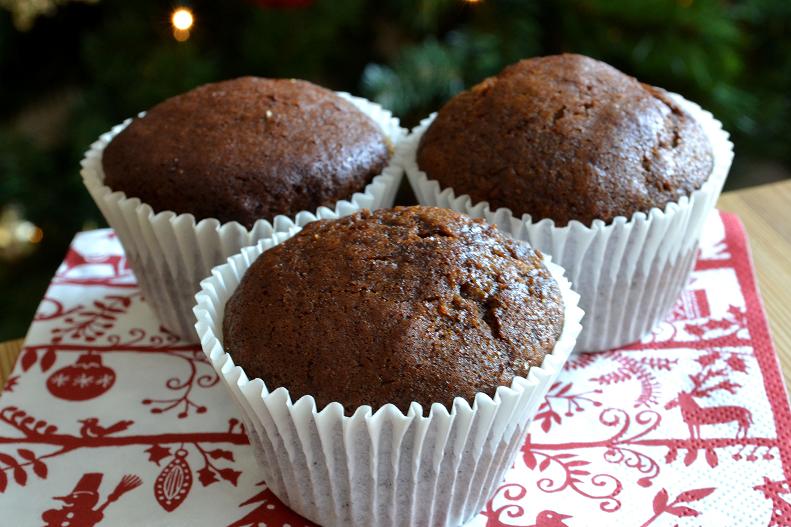
And so the Forever Nigella challenge this month, hosted by the fab Maison Cupcake, is called ‘Christmas Presence’. And while I was flicking through Nigella’s book Feast, I came across these babies. And as they promised all the taste and Christmassy aroma of gingerbread, but in an easy to make muffin, I couldn’t resist.


They were easy to make, in the usual way – pour wet ingredients into dry, mix until just combined and bake in muffin cases. I loved the smell of cinnamon and ginger that immediately wafted up as soon as the milky mixture went in to the flour mixture; really festive.
After their 20 minute bake, they came out dark, bouncy and slightly sticky, as they should. They did taste quite treacly, the flavour of the black treacle does dominate. But you soon get that festive kick from the ginger and cinnamon – absolutely gorgeous.
Even after 3 days in an air-tight container they stayed squidgy, moist and tasty so they’re great for having on hand to share with someone over a cuppa at Christmas. Or bake a batch and give them away as home-made pressies – I did. The verdict? Easy and satisfying to make, and great for something different over Christmas. 
The Gingerbread Muffins can be found on page 91 of Feast by Nigella Lawson, published by Chatto and Windus.


Sunday, 18 December 2011

Christmas Dinner Facts


Christmas dinner. You spend hours planning it, shopping for it and lugging it home through busy crowds and stand-still traffic. You spoon brandy over your Christmas cake for months, and order your turkey weeks before. You spend quite a large part of Christmas Eve and Christmas morning getting things ready, mixing stuffing, and peeling veg. And then, on the big day, amid a flurry of cracker pulling, joke telling and trying not to let your paper hat slip off, it’s all eaten.

Interestingly, Sainsburys, and also the Brussels Sprouts Press Office have come up with some statistical facts that I thought I’d share with you, all about our beloved traditional Christmas dinner. Whether you want to impress someone with your Christmas knowledge, you just like statistics, or want to be reassured that these sorts of things don’t just happen to you, I hope you enjoy. 

According to research from Sainsbury’s:
  • The average Brit spends 6.3 hours preparing the Christmas dinner from shelf to plate.
  • This, the most anticipated meal of the year, is polished off in an average of 75 minutes.
  • Scrooge! Things Brits begrudge about Christmas: 18% said that buying food you don’t normally buy annoyed them, 12% said they hated hosting Christmas gatherings and 10% begrudged having to go and visit the in-laws.
  • 39% of British people are confused about whether they should drink red or white wine with their Christmas dinner.

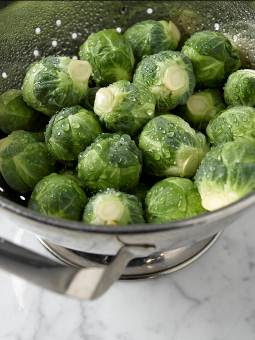
Image: Love Your Greens

The Brussels Sprouts Press Office at Love Your Greens said that:
  • Last December in the UK (2011) we munched through 750.9 million sprouts, and bought 9,762 tonnes of them.
  • Although it’s often joked that sprouts are the least favourite part of the Christmas dinner, according to a survey held by a newspaper, 71.8% of us actually love Brussels sprouts.
And according to an article in the Daily Mail:
  • The average family spends £133.70 on Christmas dinner, but one-fifth of it will go in the bin.
  • The Christmas season is thought to generate an extra 50 million bags of rubbish, or the equivalent of £600m of wasted food.

What do you think? Do you agree with the findings here? Have your say in the comments below!

Friday, 16 December 2011

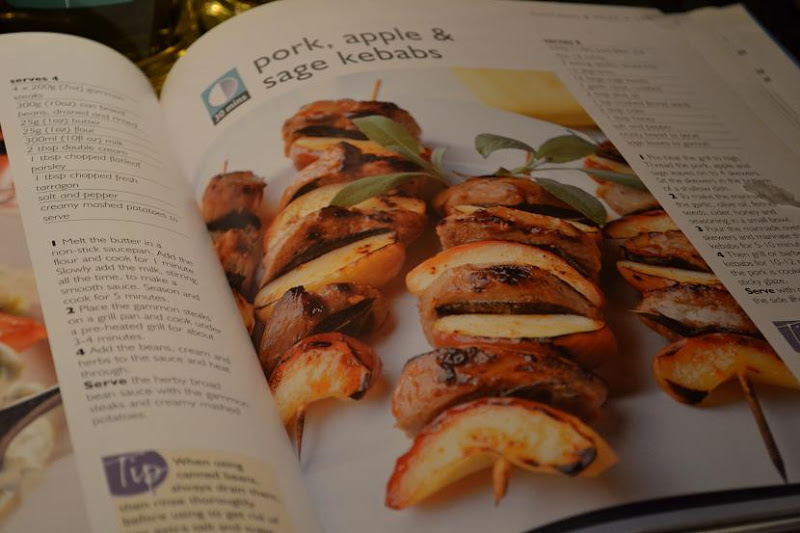
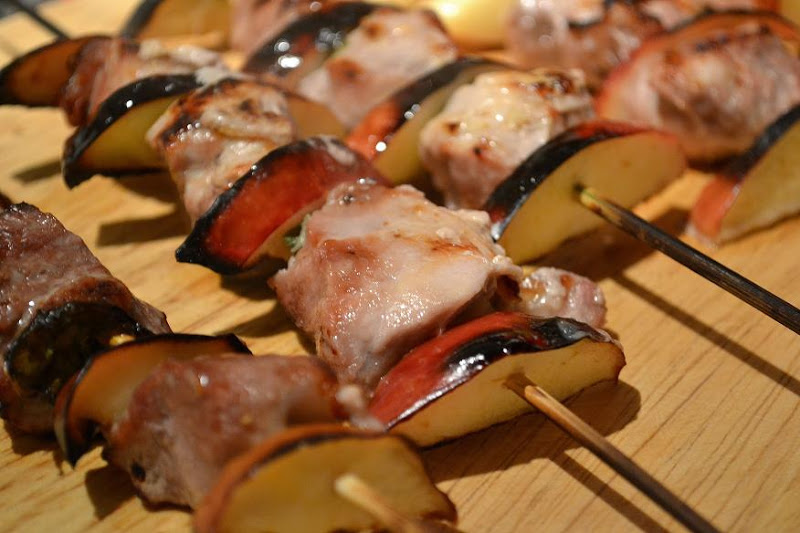
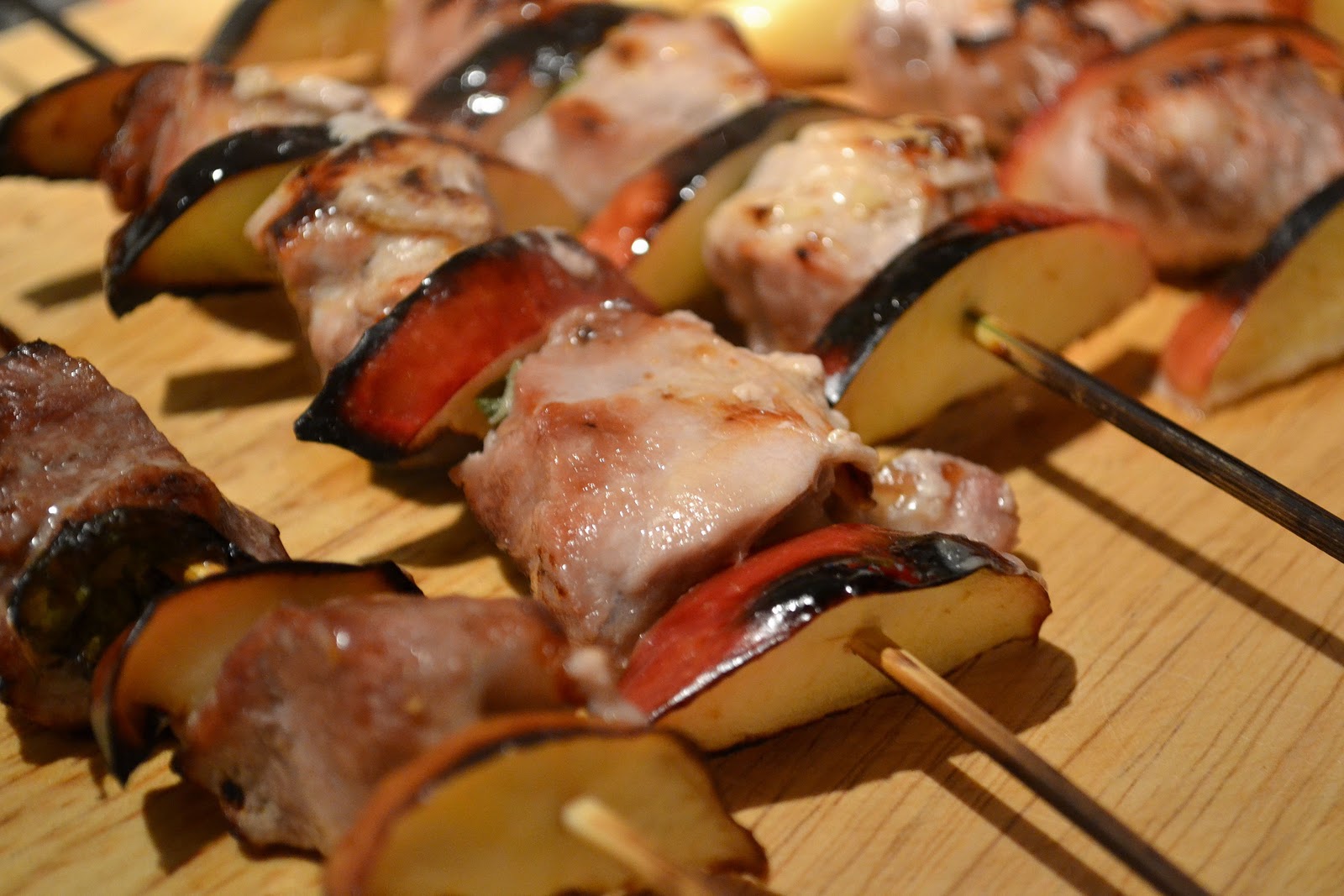
Random Recipes 11 – Gary Rhodes: Pork, Apple and Sage Kebabs

  
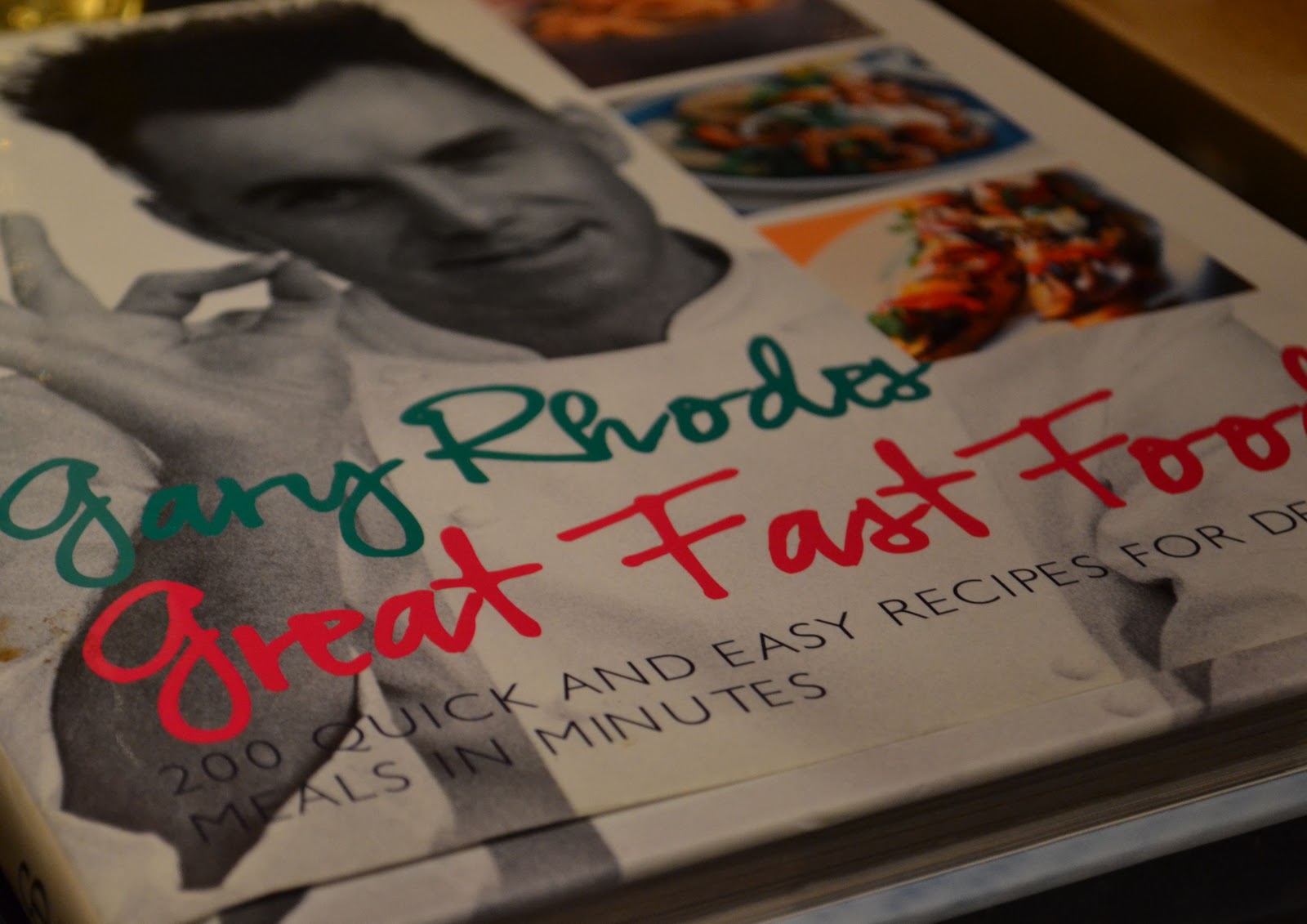
The theme for this month’s Random Recipe challenge (hosted by Dom at Belleau Kitchen) is cookbooks you never use. And there is only one cookbook that gathers dust on my bookshelf and that’s Great Fast Food by Gary Rhodes. Don’t get me wrong; when I first bought it in 2000, I used it a lot, whipping up prawn pies with filo pastry and curried scrambled eggs. But somehow it just fell by the wayside once I got more into cooking – I don’t really know why.

So I plucked it from the shelf, closed my eyes, flicked through the book and opened it at a random spot. It opened on page 145 – and Pork, Apple and Sage Kebabs.
 

Putting together the dish was easy, and quick. And it forced me to cook with a cut of meat that I haven’t cooked with much before: pork loin fillet. It cost around £5 per fillet, which fed the whole family, so it’s fairly cheap and the meat was lean and really tender.
I just whisked up some honey, olive oil and cider to make a marinade, threaded chunks of pork, sage leaves and apple slices onto skewers and, after a 10-minute sit in the marinade, I grilled them. The sage leaves in my supermarket plastic pack weren’t exactly on the large side, so some of them disappeared once they were snuggled in between the pork and the apple on the kebabs, but they were there, I promise!

The honey and cider marinade caramelised a little under the grill, and gave the kebabs a slight burnished appearance and a real sweetness. The apple gave moisture and sweetness, and the pork was succulent – it only took 10 minutes to cook.
But even so, as we scoffed up the last of it, it wasn’t a dish I would rush out and cook again. The marinade gave sweetness, but I think I’m desensitised and expect much stronger, spicier flavours even, from my kebabs. But it forced me to cook with pork loin fillet and I found it so easy and quick to cook, that i think, with a little tweaking, I’ll be revisiting this recipe again, before passing the book on to the charity shop.


Thursday, 15 December 2011

The Toast Sandwich

Last month, The Royal Society of Chemists proclaimed that they had unearthered Britain’s cheapest snack, and offered £200 to anyone who could make one that was even cheaper. Costing 7.5p, the toast sandwich (I kid you not) was mentioned in Isabella Beeton’s Book of Household Management, in the nineteenth century.


In their report, the BBC quoted Dr John Emsley fom the society, who said: “you simply put a piece of dry toast between two slices of bread and butter, with salt and pepper to taste. I’ve tried it and it’s surprisingly nice to eat and quite filling.”


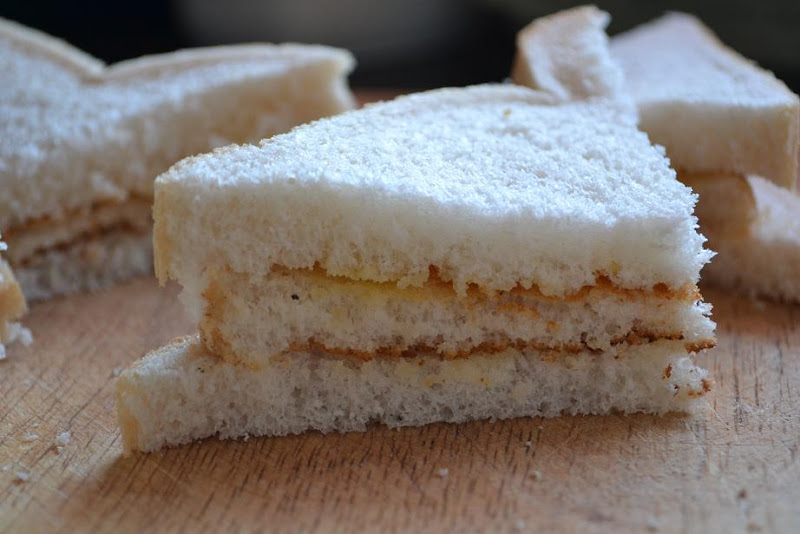
Intrigued and actually quite sceptical that a piece of toast between two slices of bread could be ‘surprisingly nice to eat’, I made one myself.


It was incredibly easy to make, of course – and took a couple of minutes. But once you give it a good grinding of pepper and a sprinkle of salt and layer the buttered bread over the top, the fun ends there. It was stodgy, fairly tasteless and there wasn’t really any moisture at all so it tasted really dry. The only good thing about it was that it reminded me of a chip butty – but only because the semi-melted butter oozes onto the soft bread on the outside, in the same way as a warm chip sandwich does.


So at the risk of being a party pooper, I’m sorry, but there are some things that should stay in the Victorian era, and the toast sandwich is one of them. Sorry, folks.

Tuesday, 13 December 2011

Kitchen Maid’s Gateau Yaourt

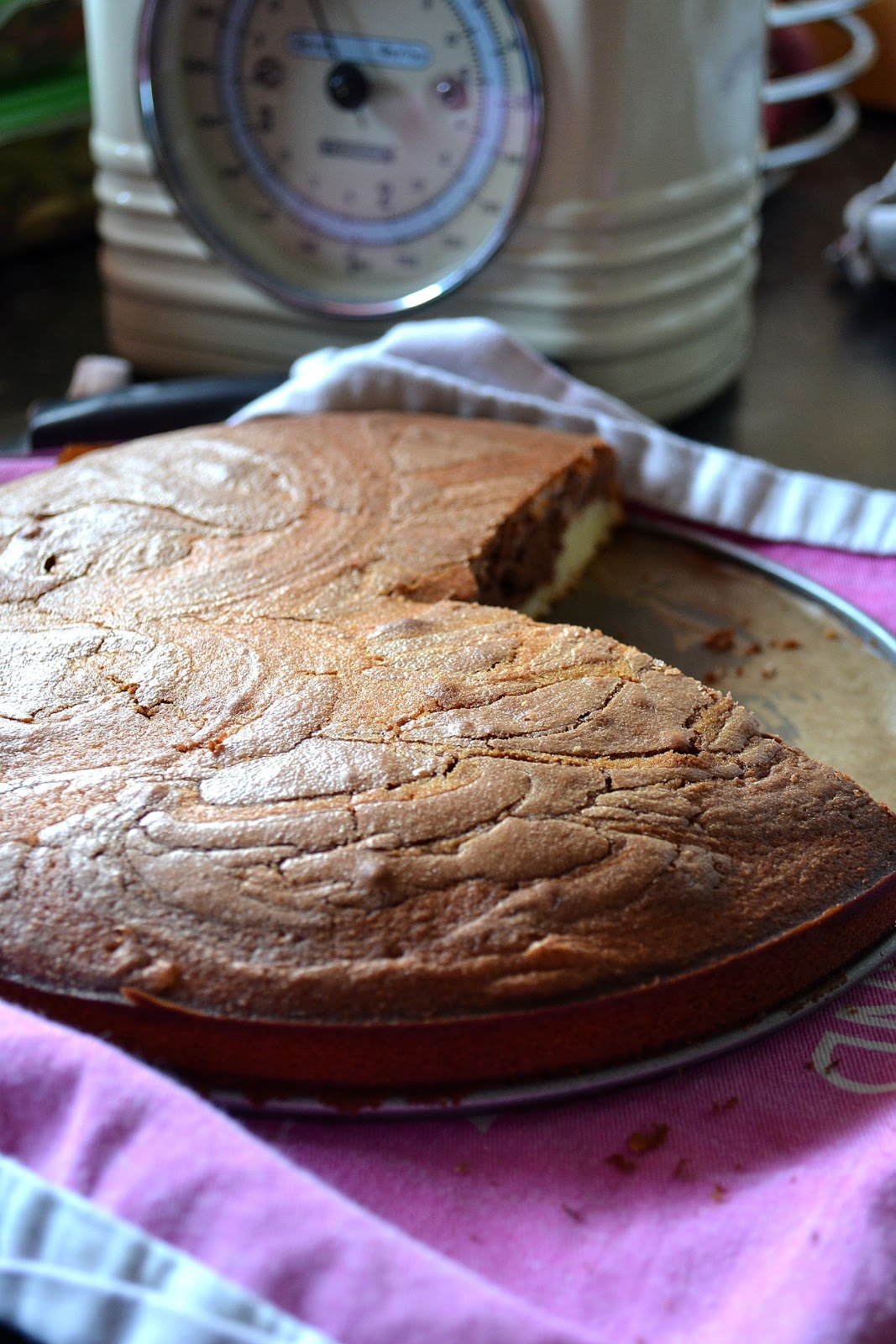
I was going to visit my French friend with the girls one Sunday, and I knew that I wanted to take her a cake. Only hours before, I’d been dribbling over Kitchen Maid’s Gateau Yaourt, a French yoghurt and chocolate cake, so Igot some ingredients together and flicked the oven on. 

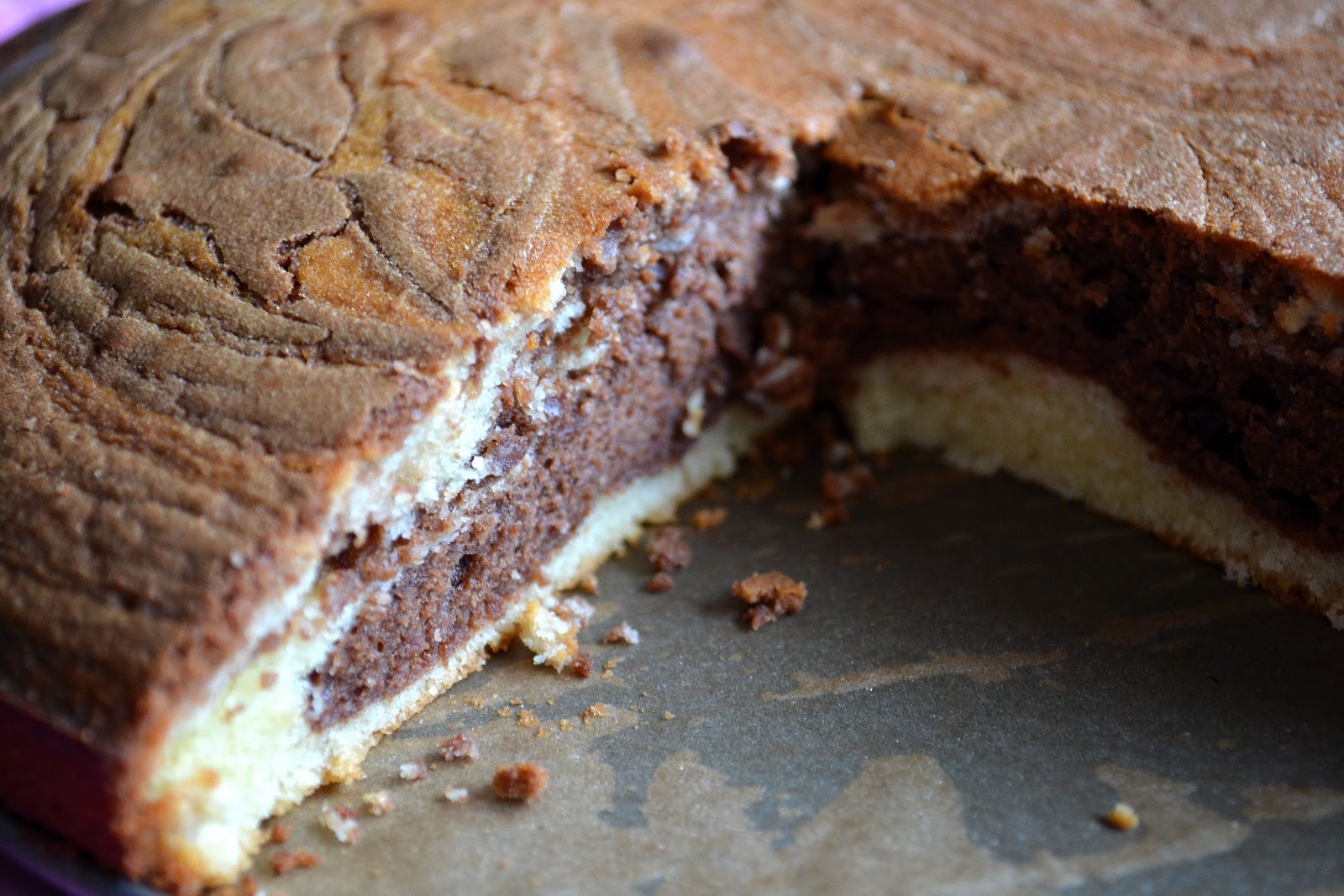
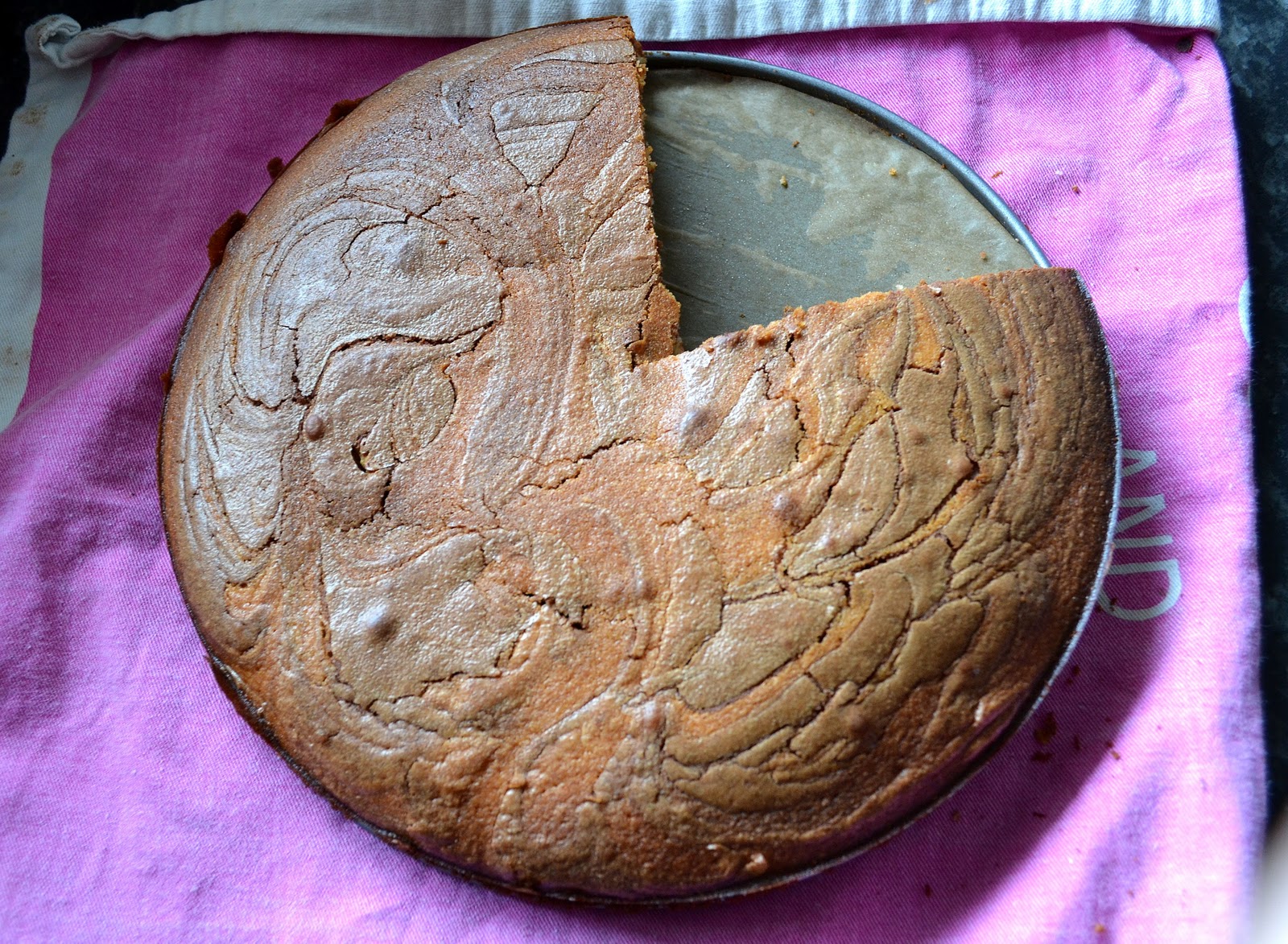
After unfurling the still-warm cake from its crinkly foil, she recognised it straight away. She explained that in France, all girls, by the time they are 15 or so, have learned to make this cake – but they don’t tend to use scales. Instead, the yoghurt pot that the yoghurt comes in is repeatedly filled with ingredients, making it easier and no doubt much less messy.


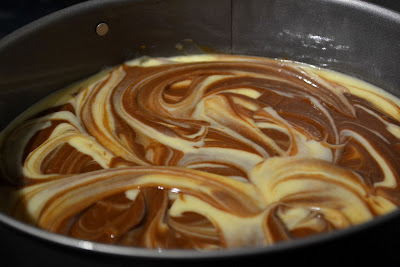
She loved it – and I loved making it. You swirl the two mixtures in the tin to create a marbled effect before baking in the oven, and what you get is a rich cake with a soft, bouncy texture – it almost tastes creamy once it’s cooked. I’ve since made this cake loads of times and although natural yoghurt would be the best thing to use, I did make it once with a tub of vanilla yoghurt (it was all I had) and it was still fantastic.


Go and see the recipe for yourself on Kitchen Maid’s blog, and my thanks to Kitchen Maid for sharing the recipe and helping me bring a smile to my friend. She loved it.


Monday, 12 December 2011

The Mince Pie Round Up: Three of my favourites this year…

Ah… mince pies. Last year I made my own, and baked trayfuls of them. This year so far, to satisfy my Christmas cravings I’ve bought all sorts of varieties from different shops. So I thought I’d round them up and show you three of my favourites.


Sainsbury’s Taste the Difference Mince Pies (£2.50 for 6)

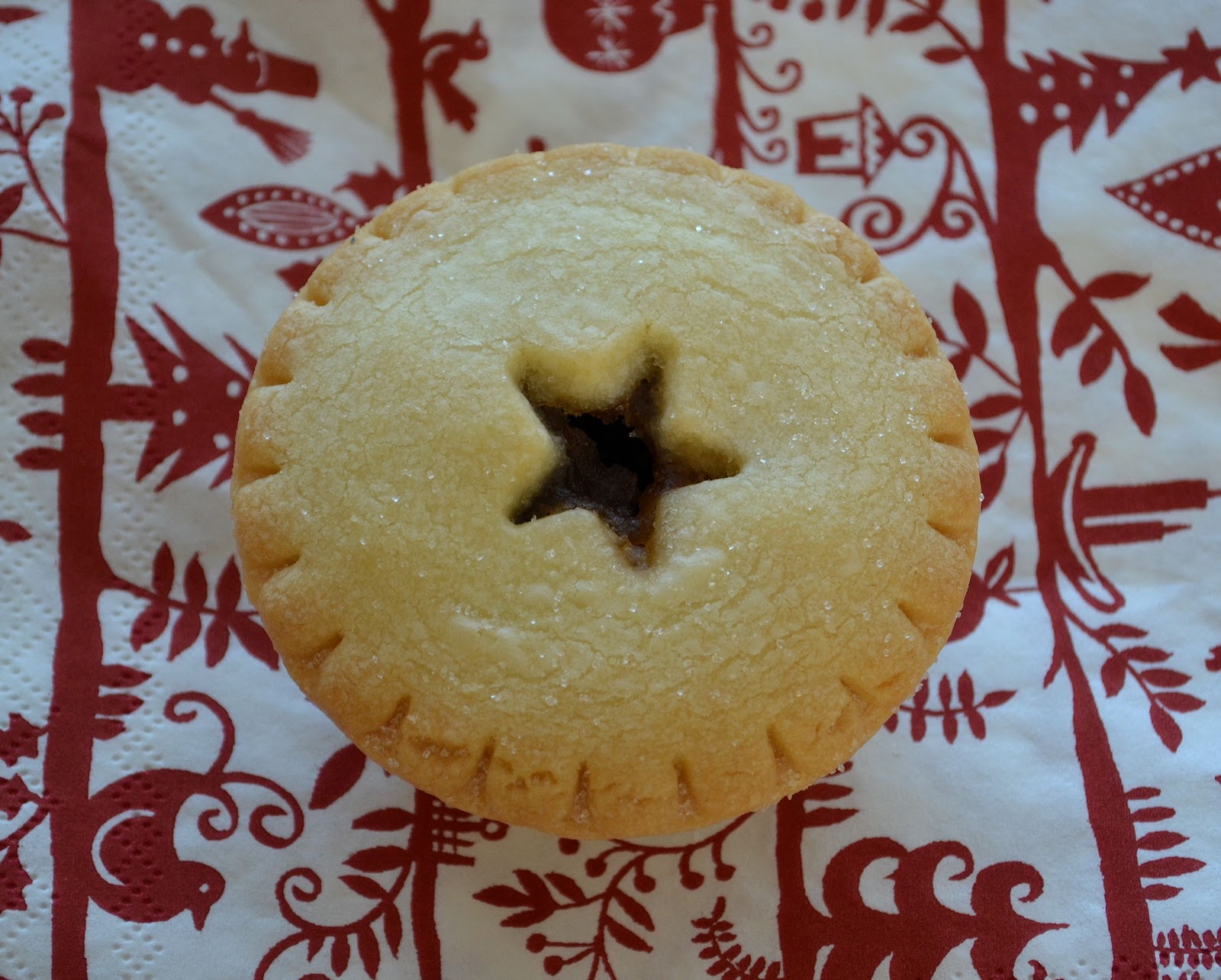
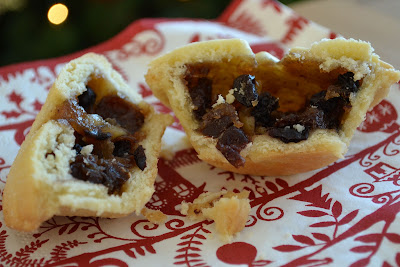
I liked these – the pastry is crumbly, and as you bite you get a subtle hint of brandy from the infused fruits. The fruits in the mincemeat are sweet and plump, but the pies aren’t so deeply-filled as at first they appear, as you can see from the picture below. They do look really pretty though, with their little stars and they’re not too sweet or rich. Perfect when you’re snatching a moment to yourself. 


Asda Iced Mince Pies (£1 for 6)


The thing I loved the most about these is that when you bite into them, the sweetness from the icing works so well with the spiced flavours of the mincemeat. I loved that they looked Christmassy too, with their little snowy white layer of icing on the top. The pastry was a bit claggy and not as crumbly as I thought it would be, but the pies were densely packed with that mincemeat (see pic below). These mince pies are actually quite rich – if I could make them absolutely perfect they’d have a pastry that was more crumbly and a slightly thinner layer of icing on top but they are a tasty sweet version of the mince pie.


Heston’s Puff Pastry Mince Pies with Pine Sugar Dusting, Waitrose (£3.29 for 6)

OK, I admit it. I rushed out the day these went on sale to buy them because of the hype. And they do live up to it. The puff pastry is flaky and crisp, the mincemeat inside is sweet and juicy and the pine dusting is a really unusual touch. You dust the pies with the sugar once you’ve warmed them up in the oven, and the scent of the pine is released. So really although you don’t taste the pine so much, you do get the aroma as you eat. They’re a bit on the pricey side but are seriously trendy (pine is set to be a big flavour for food in 2012) and something really different.


What are your favourite flavours or brands of mince pies? Or do you always make them yourself?

Friday, 9 December 2011

Buttery Garlic Chicken and Potatoes


This, despite being one of the easiest dinners to make, is also one of my favourites for one reason only: I love garlic. The dish is really pungent with it, although I keep telling myself that garlic is good for you and helps control cholesterol. Well you’d need it with all that butter in there.


I do make the effort to cook healthily, but just very occasionally we have this as a treat. It’s polished off with lots of ‘mmmm’s and ‘aaaah’s echoing around the table and despite its strong flavour it’s a real hit with the kids, too.


I use boneless, skinless chicken thighs because they are more succulent than chicken breast and add the garlic at the end to just soften in the residual heat rather than properly ‘cook’. I also throw the roasted diced potatoes into the buttery pan along with the chicken to absorb all those lovely juices. There is a similar recipe on the Good Food website, but that one uses chicken drumsticks instead of thighs, doesn’t have the potatoes and not as much garlic. Yep, there are no vampires here.


Garlic Chicken and Potatoes
Serves 4
Ingredients:
     
  • 4 medium-sized baking potatoes
  •  
  • 4 tablespoons olive oil
  •  
  • 40g butter
  •  
  • 6-8 skinless, boneless chicken thighs, organic if possible
  •  
  • 4 chunky garlic cloves, chopped finely
  •  
  • 2-3 tablespoons fresh parsley, choppped
  •  
  • Juice of half a lemon
  •  
  • salt and pepper to season
  •  


Method:
     
  1. Preheat your oven to 200C. First, get on with the potatoes. Peel the baking potatoes and cut into 2cm large cubes. Throw into a roasting tray and drizzle with about 2 tablespoons of the olive oil and scatter over a pinch of sea salt. Roast in the oven until golden brown and soft in the middle, about 20-25 minutes.
  2. While the potatoes are in the oven, prepare your chicken. Heat a large frying pan and drizzle in the remaining 2 tablespoons olive oil and 20g of the butter. Once that’s melted, fry the chicken, turning once or twice, until golden. Turn the heat down to low, place a lid on and cook gently until the chicken is just cooked through.
  3. Once the chicken is cooked, add the remaining butter and take the pan off the heat. Throw in the garlic, parsley and squeeze in the lemon juice. The potatoes should now be cooked through and golden too. Drain these and add to the pan with the chicken where they will soak up the garlicky, buttery juices.
  4. Serve immediately. We like this with some green beans and some bread for mopping up the juices left behind on the plate.


Wednesday, 7 December 2011

Lactose Intolerance and the Issue of Eating Cheese

It’s estimated that 5% of people in the UK are lactose intolerant and that 50% of the population think that this means they are not allowed to eat dairy products, including cheese. But information from the British Cheese Board suggests that this isn’t always the case. They say that many people with lactose intolerance can in fact eat some yoghurt and cheese.

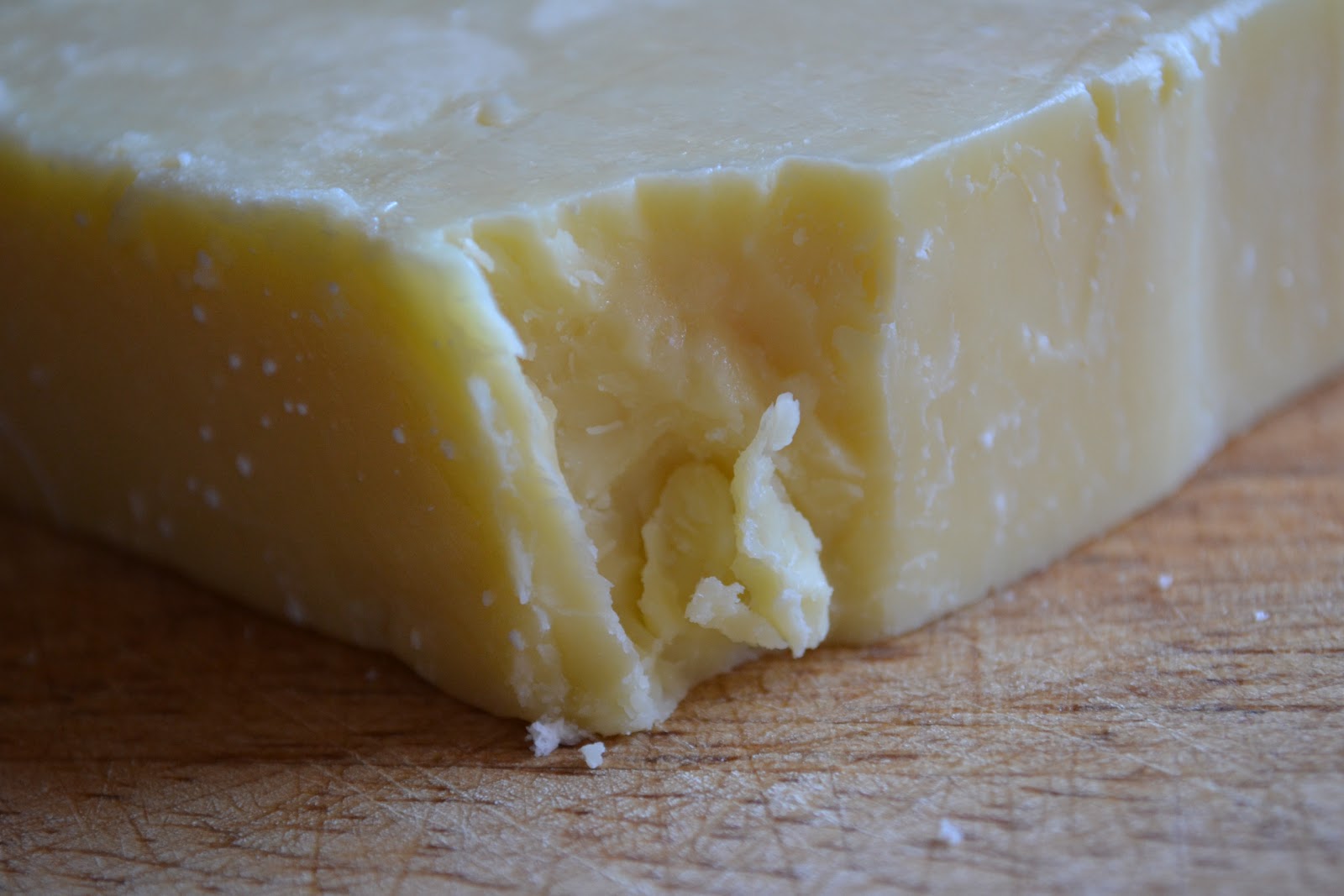
“In fact most people who are lactose intolerant are actually able to eat the majority of hard cheeses such as Cheddar, Double Gloucester and Red Leicester,” they say. “These contain little or only a trace of lactose due to the processing techniques involved in their production, whereby the lactose in the milk is removed during the cheese-making process.”


We live in a health-conscious world, many of us convinced that we’re wheat, dairy or gluten intolerant without having even being diagnosed. Apparently this way of thinking is a cause for the misunderstanding that exists. “Unfortunately some people with similar symptoms often diagnose themselves with the condition without being correctly tested for it, so there is a need for a better understanding of what a diagnosis of lactose intolerance means for people’s diets, and which foods, and in what quantities, are likely to trigger symptoms,” say the British Cheese Board.
So how will you know whether you can eat a particular cheese if you are lactose intolerant? The British Cheese Board say to look for carbohydrates on the label. Any carbohydrate found in plain, natural cheese (not processed cheese or cheese that’s blended with fruits etc) means that there’s milk sugar or lactose in the cheese. Because many hard cheeses contain around 0.1g of carbs per 100g, they’re declared safe to eat, and most people with lactose intolerance won’t experience any symptoms after eating it. 
Cheese is one of the world’s most popular foods but those who unneccessarily exclude it from their diets could be missing out on its health benefits, which include its high source of protein, phosphorous, calcium and vitamin B12.
For more information on this, and on cheese in general, including recipes, visit the British Cheese Board website.
What do you think? Did you know you could still eat cheese if you’re lactose intolerant? Do you think there’s a need for better understanding about the condition?

Monday, 5 December 2011

Christmas Gingerbread Latte

In the days before Christmas Eve, I imagine spending the day before the big day relaxing, having wrapped and delivered all the presents, dropping off the last of the Christmas cards during a chilly walk and slipping into a hot bubble bath before slumping in front of the TV. Somehow though, it never happens like this. I stand in the kitchen peeling vegetables and baking last minute goodies for the next day. We spend the night frantically wrapping presents, speaking in stressy hushed whispers so as not to wake the children up, and creeping around placing presents under the tree with all the stealth of SAS soldiers. One crackle of paper could wake up the kids and shatter their dreams when they find out it’s me who polishes off half the mince pie and pretty much all the brandy we leave out for Father Christmas.


Whatever I’m doing this Christmas Eve, you can bet that I’ll be sipping on one of these: a creamy, piping hot gingerbread latte.
 
Christmas Gingerbread Latte
Ingredients
  • 1 mug semi-skimmed milk 
  • 1 and a half teaspoons instant espresso powder 
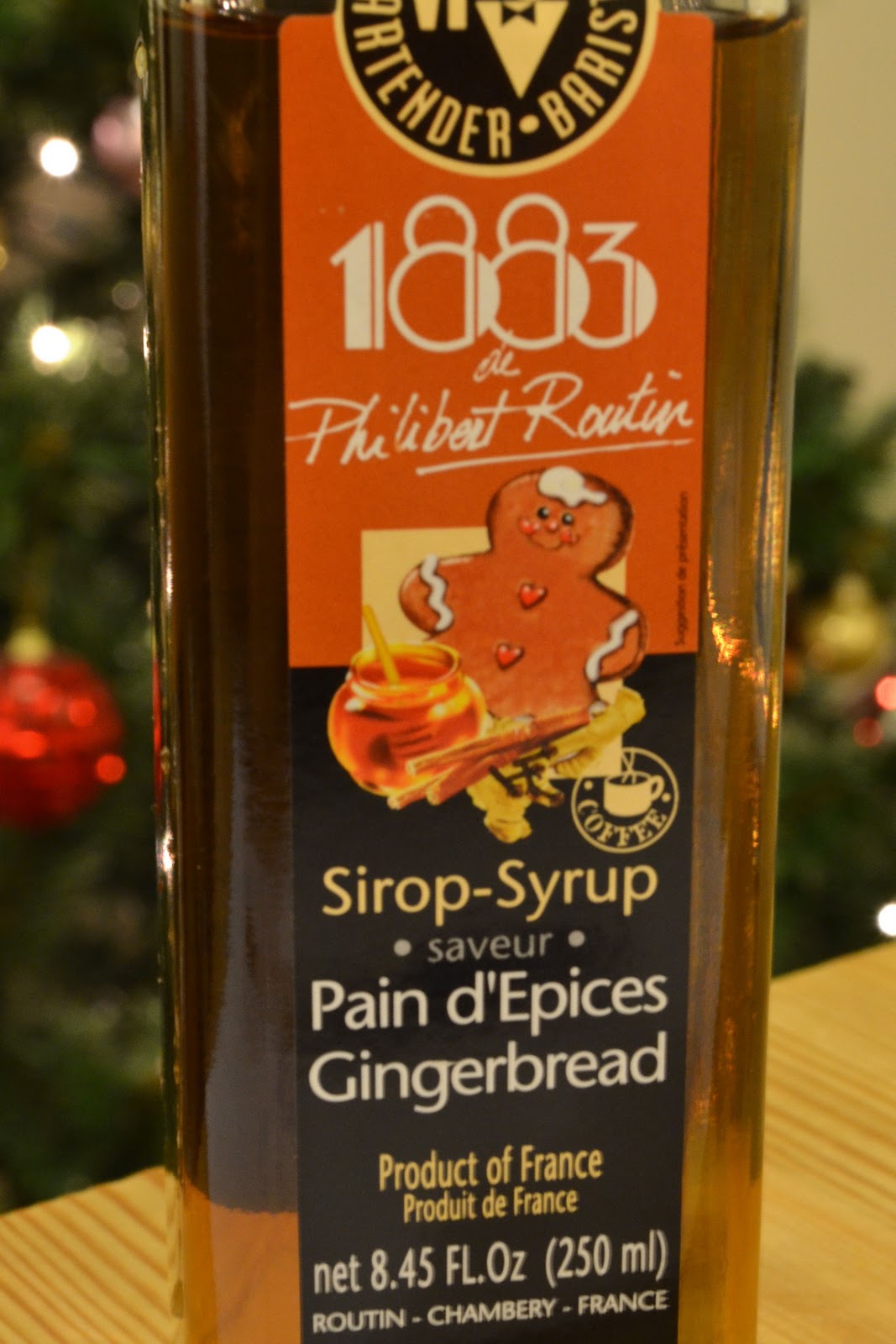
  • 15ml (1 tablespoon) gingerbread syrup 
Method

Fill a mug with milk, and place in the microwave for about 70 seconds, by which time it should be hot. Stir in the espresso powder and trickle in the gingerbread syrup. Stir everything to mix well. Add more gingerbread syrup if you want, to taste, but don’t add any sugar; the syrup’s sweet enough. If you want more heat, stick it back in the microwave for another 20 seconds. Sip carefully, preferably wearing the most Christmassy-looking jumper you can find.


Friday, 2 December 2011

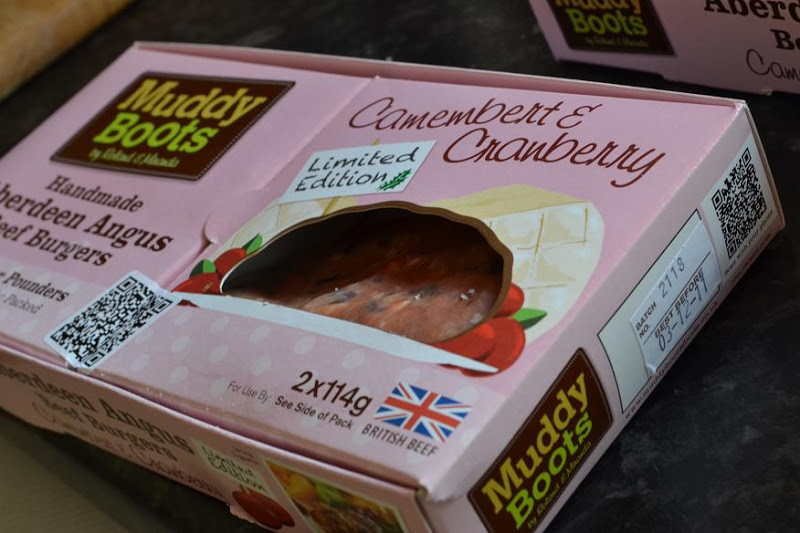
Muddy Boots Christmas Burger – Camembert and Cranberry

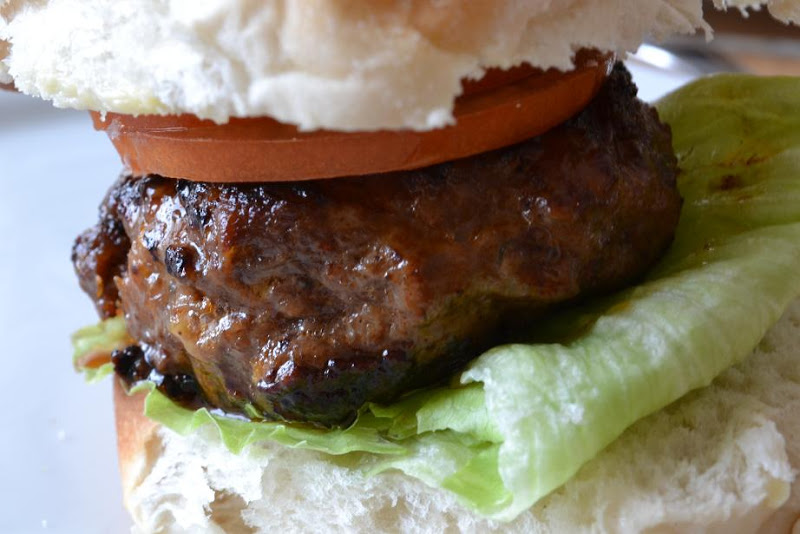
I was doing some research on some of the more unusual Christmas foods out at the moment, and I stumbled upon these limited edition hand-made beef burgers, flavoured with pieces of camembert and dried cranberries.


They’re created by Roland and Miranda of Muddy Boots Foods in Worcestershire, and made from top cuts of grass-fed Aberdeen Angus beef. The burgers are so incredibly juicy and full of flavour, and as you bite you taste the sweet cranberries and then the creamy chunks of camembert cheese. It definitely tastes Christmassy, and we all loved it, served simply in a floury bap with some lettuce and tomato. I couldn’t help it and spooned in a blob of home-made garlic mayonnaise, too. Delish!


What I also loved about these burgers is that they come individually vacuum-packed, which keeps them fresh, and also helps if you need to freeze them as you can tuck them individually into spaces in the freezer without having to get them out and individually wrap them yourself. The burgers are also gluten and wheat free – and they don’t contain any artificial additives or preservatives.

I had a friend, years ago, who always used to have his family around for a New Year’s Eve barbecue. We’d all stand around the barbecue for warmth, nibbling on hot chargrilled burgers straight from the rack. For this  kind of thing, these burgers would be perfect.

For more information on these tasty burgers, and the other burgers in their range, visit the Muddy Boots website.

LinkWithin

Related Posts Plugin for WordPress, Blogger...