Tuesday, 30 September 2014

Psoriasis Roundtable – The Results

Remember I told you all that I was taking part in a roundtable all about scalp psoriasis – and asked you to kindly complete a survey online? 

Well I attended the chat, via Google Hangout, with other scalp psoriasis sufferers and GP Dr Ellie Cannon, to talk about the condition and share our stories and what’s worked for each of us so far, treatment-wise. 

How psoriasis affects the emotions
We kicked off by sharing some stats from the surveys you filled in (thank you so much to those who took part). One of the major things that struck us is that psoriasis, although it’s just a few scales on the surface of the skin, has a huge social and personal impact on those who suffer with it. Just over 88% of those surveyed said that having psoriasis had an effect on their emotional wellbeing. That’s huge. Many of us chirped up and said that we’d had emotional problems because of it – for me, it affected me in my teenage years – those years that you start to find out who you are and grow confident – because I couldn’t wear certain clothes, was afraid people would see the flakes or me itching, and couldn’t dye my hair or wear make up like my friends were doing (I used to have it on my face as well). 

Almost 52% of you had an issue of some kind when going to the hairdresser. I argued that perhaps those issues were more to do with our own feelings rather than anything the hairdresser says (we’re looking in the mirror and closely watching them for when they find the patches) but it wouldn’t be a bad thing if hairdressers had more training on being sensitive about the condition, considering that it isn’t contagious and obviously affects people’s emotions, too. There were stories of very good hairdressers who were helpful and took the psoriasis into account when talking about hair dyes and treatments and that was excellent.

Dr Ellie Cannon said that in one of the places where she works, there is a special psychiatric unit set up in the dermatology department. Brilliant stuff, considering that research shows that psoriasis sufferers are more likely to experience depression. More of that please.


Dr Ellie Cannon talking at the Scalp Psoriasis Roundtable (there’s me, on the right, listening intently…)

Treatments available
We talked about treatments. How some of the treatments available aren’t very cosmetically pleasing or convenient. There was talk of those dark, gloopy coal tar shampoos staining towels (and also very fair hair), not to mention the fact that you go out not smelling of Chanel No 5 but as if you’ve been laying tarmac all day. People had some success with light therapy treatments, systemic treatments (pills that suppress the immune system) and with some lotions. Dr Ellie was quick to emphasise the fact that there is no ‘cure’ for the condition but that these treatments can help to lessen the symptoms. She also said that systemic treatments (pills) aren’t dished out all the time – they’re seen as “a big deal” by dermatologists and might even have some other side effects too. So your doctor or dermatologist will help choose the treatment that’s right for you.

Lifestyle factors
I asked Dr Ellie about what she thought of my own experiences – how I’d manage to clear almost all my psoriasis spots after some lifestyle changes. She agreed that yoga and mindfulness would help a lot,  but when I told her I found that sugar was a potential trigger she said that was probably very personal for me and that there were “so many different factors at play.” That’s a fair comment, as we know the triggers (injury/trauma, stress, alcohol, etc) are different for everyone. She also made the point that maybe on those days when I’m stressed, I feel like eating more sugar anyway. But the psoriasis probably comes from the stress, for example. It’s possible. But yep – there are so many factors at play, as she says, which is why lots of things work for different people. 

Going to a doctor
Just over 68% of you said you’d get your information about psoriasis from a doctor. That’s brilliant. But then just over 72% said they’d get information from websites. Just over 61% sought information on chat forums. That means that there are more people getting information from websites than going to their doctor. If you suspect you have psoriasis, definitely pop along to the doctor to get a diagnosis. We talked about our experiences and I was asked if I’d ever mentioned to a doctor that I found information about psoriasis online. I did – and I explained that the doctor didn’t want to know about it. “I must apologise for my colleague’s eye-rolling,” Ellie said, with a smile. She went on to explain that while some websites, in particular the Psoriasis Association, are good places to find information – some aren’t and promise overnight cures with expensive remedies, and these are the ones doctors would rather you steer clear of. So please do talk to your doctor before buying any expensive wonder pills you find online. 

Misconceptions about psoriasis
It’s not contagious, you won’t catch it – it also isn’t caused by being dirty. In fact, Dr Ellie said that psoriasis is a “whole body condition.” It’s an autoimmune disease, so what’s happening is likely going on inside your body. It just shows itself on the surface, on the skin. It can get worse if you drink lots of alcohol and it often gets better with sunlight. Many of us are walking around so terrified that you’ll see the white flakes in our hair and think bad things about us (or avoid us completely), but there’s no need for that. There was a definite feeling that there are a lot of misconceptions about psoriasis in society – and recognising the emotional side was even a surprise for me – that depression could also be linked to how we manage the condition. 

There will be more posts soon about psoriasis as I got so much from this roundtable and want to help spread the word. If you know someone with psoriasis, then why not share this post with them? 

Thank you everyone again for filling out the survey. 
I was compensated for my time in taking part in the roundtable, which was hosted byTots100 and Ruder Finn.

Friday, 26 September 2014

Turkey, Tomato and Mozzarella Gnocchi Bake

Why choose between a spaghetti bolognese or baked gnocchi – when you can have both? 

Because this is comfort food. Oozy, cheesy, soft and yielding. 

I’d imagined this, before I cooked it, as a beef dinner – and you could use beef mince if you wanted to – but ground turkey just offered a bit of lightness against all that cheese and the soft, pale gnocchi. 

You will need a quantity of good tomato sauce, the type you’d slosh over pasta – either go for your favourite shop-bought variety, or make your own. Something like this one would work well if you have a couple of tins of chopped tomatoes in your cupboard. 

Enjoy. 


Turkey, Tomato and Mozzarella Gnocchi Bake
Serves 4
Ingredients
500g fresh gnocchi
500g turkey mince
approx 400g of tomato pasta sauce – like this one 
two handfuls of grated mozzarella cheese
fresh Parmesan, for grating 

Method
Fry the turkey mince in a pan along with a teaspoon of coconut oil if it needs it, until cooked through. Pour in the tomato sauce and stir well, to coat. Boil the gnocchi in slightly salted water for a few minutes until they rise up to the top. Drain and toss with the turkey and tomato sauce. 

Tip half the mixture into the bottom of a roasting dish and sprinkle with half the mozzarella. Pour the rest of the gnocchi mixture into the dish and scatter with the remaining mozzarella cheese. Grate over some Parmesan and bake in the oven for 20-30 minutes until the mozzarella has melted. Serve hot. 

Wednesday, 24 September 2014

Beetroot Salad with Garlic and Parsley

I don’t know if many people do much with beetroot. Normally, I just tend to chop it up as it is, roasted or boiled, and then add it to salads. But I found a lovely way of eating it – with garlic and parsley.


The garlic adds pungency and a bit of tingle while the parsley gives it that deep, citrus, grassy flavour that I love. Use this combination to pep up your beetroot next time you have a salad. Lovely. 


Beetroot Salad with Garlic and Parsley
Serves 3-4, as a side salad
Ingredients
3 small beetroots, cooked, trimmed and peeled and left to cool (you can use the shop-bought cooked beets to save time, just don’t use the ones in vinegar)
1 chunky garlic clove
small handful fresh parsley
1 tsp sherry vinegar (or use apple cider vinegar if strict AIP)
1 tbsp extra virgin olive oil

Method
Chop up the beetroot, into chunky bite-sized wedges. Roughly chop the garlic and the parsley and throw it into a bowl with the beetroot chunks. Stir in the sherry vinegar and the olive oil and stir to mix. You can add a pinch of salt, if you like too – check for seasoning and then serve. 

Monday, 22 September 2014

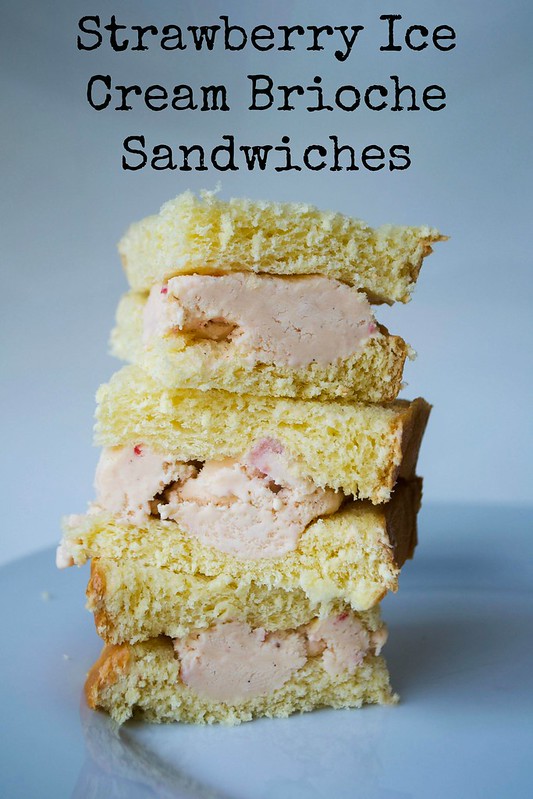
Strawberry Ice Cream Brioche Sandwiches

Picture this. It’s a hot, sunny day. You need something quick to cool you down. And then I come along and hand you one of these:


brioche and strawberry ice cream sandwiches

Nice, right? 

It’s hardly a recipe, I know. But I had to tell you about it. 

The bouncy, soft brioche that’s thick with egg and vanilla. Sweet, fragrant strawberry ice cream. Less messy than an ice cream cone and quicker to make. You just scoop out some of your favourite ice cream and mash it down onto brioche. Slice the ice cream if that’s easier – just don’t try to spread it, because that won’t work. 

So what are you waiting for? 


Friday, 19 September 2014

Where Have Our Table Manners Gone?

The other day, the hubs and I decided to pop out to our local pub for something to eat together. It wasn’t a particularly romantic occasion – we just fancied getting out of the house. And we were hungry. Our expectations weren’t high. 

We bought ourselves a drink, ordered our lunch and took a table for two across from the bar. 

Two children – about two or three years old – were playing chase, about 2 metres away from us, around and underneath the other tables. Unfortunately for the servers, this was right in the way of where they deliver the food from the kitchen to the restaurant. They stepped over the giggling children, juggling with sizzling hot platters and stacked burgers. The two women with the kids said nothing, one even giving one of the staff a sideways glare for finally asking the children (very nicely) to move out of the way. 

And I thought to myself: “Crikey. My mum would have taken us outside and given us a right telling off if we’d done that. What happened?” 

When I go to restaurants, I look around and I see more of this. Customers raising their voices, getting angry with their server. Requesting outright that dishes be completely reconstructed to cater for their dietary requirements. Children playing in restaurants like it’s the local park, while the parents eat quietly alone, at a table strewn with pasta, crushed breadsticks and rice. 

And it’s not just me. The industry has seen a sharp rise in this so-called ‘inconsiderate behaviour’ over the last few years. 

One restaurant in New York compared tapes of their restaurant from 2004 and 2014 and discovered that 2014 diners took much longer to eat after wasting their time on mobile phones, having group photos taken and asking to be reseated. There are doubts as to the authenticity of this (are people really taking four minutes to take pictures of food for social media?) but I suppose what they’re doing is capturing memories. 

Rudeness to the staff is another thing. One LA chef and restaurant owner proposed that “everyone should work in the service industry for at least one year. Then they’ll think twice about the next time they scream at the barista or the person behind the counter.” I’m not sure forcing people to work in the restaurant industry – like a sort of foodie version of National Service – would work, but having worked for years in that industry it does make me more aware of my behaviour and the behaviour of my group when I do go out. I know that, once I’ve seated you all, if you’re all having a laugh and still haven’t decided what you want to eat after 25 minutes, that could be annoying. The chef here recognised that only a minority of customers were to blame, but complained that some thought they knew the food better than the chef and were caught swearing at the servers. I’m sad to say, I have seen that happen as well. 

And finally, research conducted by dating site Match.com found that people severely reduce their chance of Date Number Two if they eat noisily, update social media or take photographs of their dinners on a first date.

So what happened? Social media is, as I know only too well, very tempting. But how about taking a shot on your phone in 3-4 seconds and then putting it away, adding filters, cropping and uploading it to Instagram later? A few months ago, we decided to treat the girls to a meal out. We sat, waiting for the food to arrive, and I quickly decided to check my email. I looked up from my phone and saw my husband scrolling through his Facebook and the children staring blankly into space. We have a new rule: phones on silent and away while we go out to eat together. Now, we TALK while we wait for our meals to arrive. 

Eating at restaurants should be fun – but let’s make it fun for everyone – no swearing, no shouting. Only limited mobile phone use – take a quick pic of your dinner if it’s appropriate – but then put it away. And I’d suggest not doing it at all on a date, anniversary or special meal. Put your phones away. Smile at the staff. Enjoy the food, and look into the eyes of your dining companion as they talk to you over their rib-eye and chips. THAT’S how memories are made. 

What do you reckon? Are our table manners getting worse? Is social media to blame? 

Wednesday, 17 September 2014

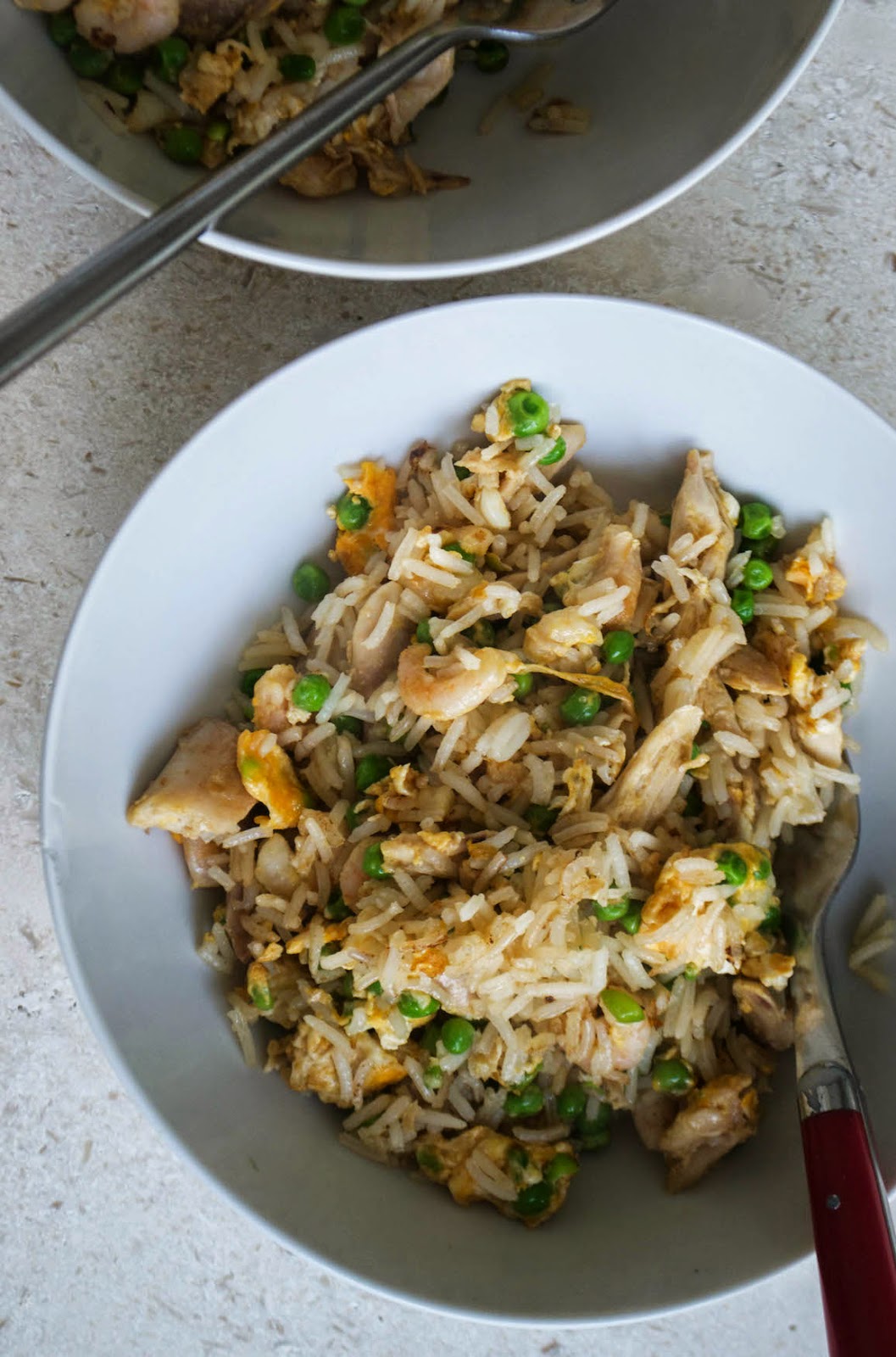
The Children’s Favourite Chicken and Prawn Fried Rice

Bit of a wordy title, I know. 

But this is what we cook when the girls are hungry and I don’t have much fresh food in the fridge. Like the day before the weekly shop for example. You just look about for some rice, a clove of garlic and some frozen peas and eggs – the rest you adapt with what you have available. 


I am usually lucky in that I have some prawns in the freezer somewhere and in the fridge some shredded chicken from a recent roast to chop up and chuck in, although you can throw in any leftover meat or veggies that you have. 

It’s nicer than a Chinese from our takeaway and you can add in whatever your kids like – no soggy mushrooms if they don’t like them or crunchy water chestnuts (my six year old thinks they’re actually raw potatoes). You can also chuck in a handful of cashew nuts if you like, letting them brown a little in the oil before adding the garlic.

I love it because my children really enjoy it, and think it’s a special treat dinner – and I get to take care of some leftovers at the same time. Booyah! 

Kids’ Favourite Chicken and Prawn Fried Rice
Serves 2-3
Ingredients:
half a cup of white Basmati rice (I usually measure in measuring cups when cooking rice, to avoid waste)
2 tsp cooking oil (olive, coconut, vegetable oil, etc)
1 clove of garlic
two handfuls of frozen peas/petits pois
one handful frozen, cooked prawns, run under old running water to defrost
handful of leftover roasted chicken, torn into pieces or chopped
2 eggs
slosh of light soy sauce (check the label if you’re gluten-free)
1 tsp Shaoxing rice wine (if you have it) – check the label to ensure it’s gluten free if needed
1-2 tsp sesame oil

Method
Put the rice on to cook in boiling water until tender. Drain well. 
While the rice is cooking heat the oil in a large frying pan or work and grate in the garlic clove. Straight away, add the frozen peas and the prawns. Stir-fry, over a medium heat – not too fierce – for a few minutes until hot. 

Add the cooked chicken, stirring for 3-4 minutes and then beat the eggs and tip them in. Stir, so that the eggs cook evenly amongst the chicken and prawns and then tip in the drained rice. Stir to mix and then add the soy sauce, the Shaoxing rice wine and trickle in the sesame oil. Stir well, making sure everything’s piping hot throughout. Serve in bowls, straight away. 


Friday, 12 September 2014

Review of The Paleo Approach Cookbook by Sarah Ballantyne

THIS was the book that those of us following the autoimmune protocol diet have been waiting for for months. True, Sarah published The Paleo Approach first – a very detailed book all about the origins of autoimmune disease, how what you eat can affect it, and which foods are potential triggers for autoimmune symptoms and why.

But THIS book was the one with all the recipes, which is what those on very restrictive diets crave. I bought mine, late one night, on my Kindle because I just couldn’t wait any longer to get it delivered (I get impulsive like that, especially after 10pm). And my goodness was I pleasantly surprised.


The Paleo Approach Cookbook (affiliate link)
 

I thought there would just be recipes, and that The Paleo Approach would have been left to cover all the science/food trigger explanations, but I was really pleased to see the basics outlined here again too. There are lists on which foods you should eliminate in the first stages of the diet, with tips on which foods you might be able to reintroduce fine later on. There are also suggestions on tweaking recipes for FODMAPs. Sarah even sets out menu plans (separate ones for you guys watching your FODMAPs) and gives a lot of tips on batch cooking, storage of foods and how to do paleo on a budget. It’s really so much more than ‘just’ a cookbook. 

All the recipes in the book are suitable for the first stages of the diet. I chose a few recipes to cook, and found them easy to follow, straightforward and written as if Sarah’s standing next to you in the kitchen as you read. I like that. 

The first job was to make the fresh fig jam, which Sarah serves with her bacon and bison liver pâté, but I chose to serve alongside my own pork and bacon pâté that was waiting for me in the fridge. It was incredibly simple, and I used nice and ripe, sweet figs – but when I cooled the jam and served it the next day, I found it added a slight sweetness to the pâté – it wasn’t as intensely rich as I thought it might be, in a dark, jammy way – it was actually quite light and took away the ‘liver’ flavour from the pâtè a little bit.


Pâté and Fresh Fig Jam


Next, came the sardine salad. For the record, up until this point, I struggled to eat sardines, always preferring the less oily, sweeter mackerel instead. My husband spoons them out from the tin and I have to look away. I diligently chopped up salad bits, made the dressing and placed the salad on the table, for lunch. It was very green, with lumps of sardine in a lemony, crunchy dressing. “Sardines are one of the most nutrient-dense foods you can eat,” chirps Sarah from inside my Kindle, adding that they’re “an outstanding source of the heart-healthy nutrient Coenzyme Q10.” Well. We dug in. I honestly have never enjoyed a fishy salad as much as this one. Sardines are awesome. I’ve stocked up my shopping list. The lemon, tarragon and parsley all cut the oiliness of the fish – and because you have finely chopped celery in there too, it disguises the soft crunch you get from the bones. It’s one of those dishes you eat and it really does feel that it’s doing your body so much good. Brilliant. 


Sardine Salad
I moved on to dinner, which was the sweet Italian sausage. Sarah advises on using pork, but I could only get turkey – but I must say the little burgers I made using the mixture were gorgeous. We ate them with some sweet potato chips and pan-fried courgette (zucchini) slices. These would be my first choice to eat cold, on the go or at a picnic. 


Sweet Italian (Turkey) Sausage

I still have a lot more recipes to work my way through (there are over 150 recipes in the book) – but I can see that there are a lot of dishes here I’ll be adding to the weekly rota. You can tell that this book has taken a huge amount of work to complete. It’s thoughtful, realistic (with money-saving tips too) and a fantastic resource. I’ll be recommending this to anyone wanting to start with AIP or paleo as it will give you such a head-start. 


Thursday, 11 September 2014

Slow Cooker Garlic Lamb Shanks with Lemon Dressing

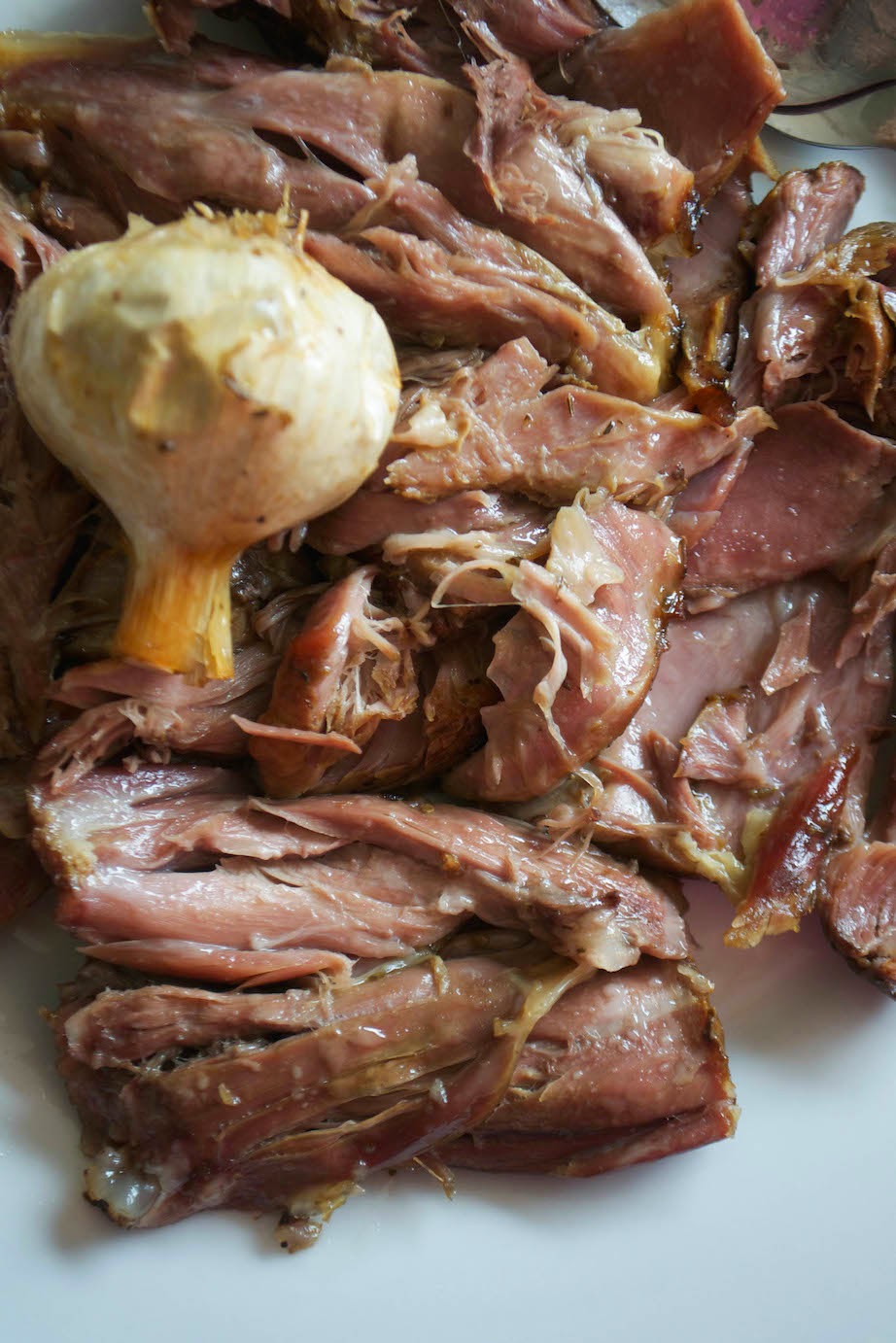
Lamb and lemon is a combination I’ve fallen head over heels for over the past couple of months. I don’t know why it took me so long. The zesty lemon cuts the fattiness from the lamb, which is so soft you could slice it with a spoon, as it falls off the bone. 


Made you hungry yet? 


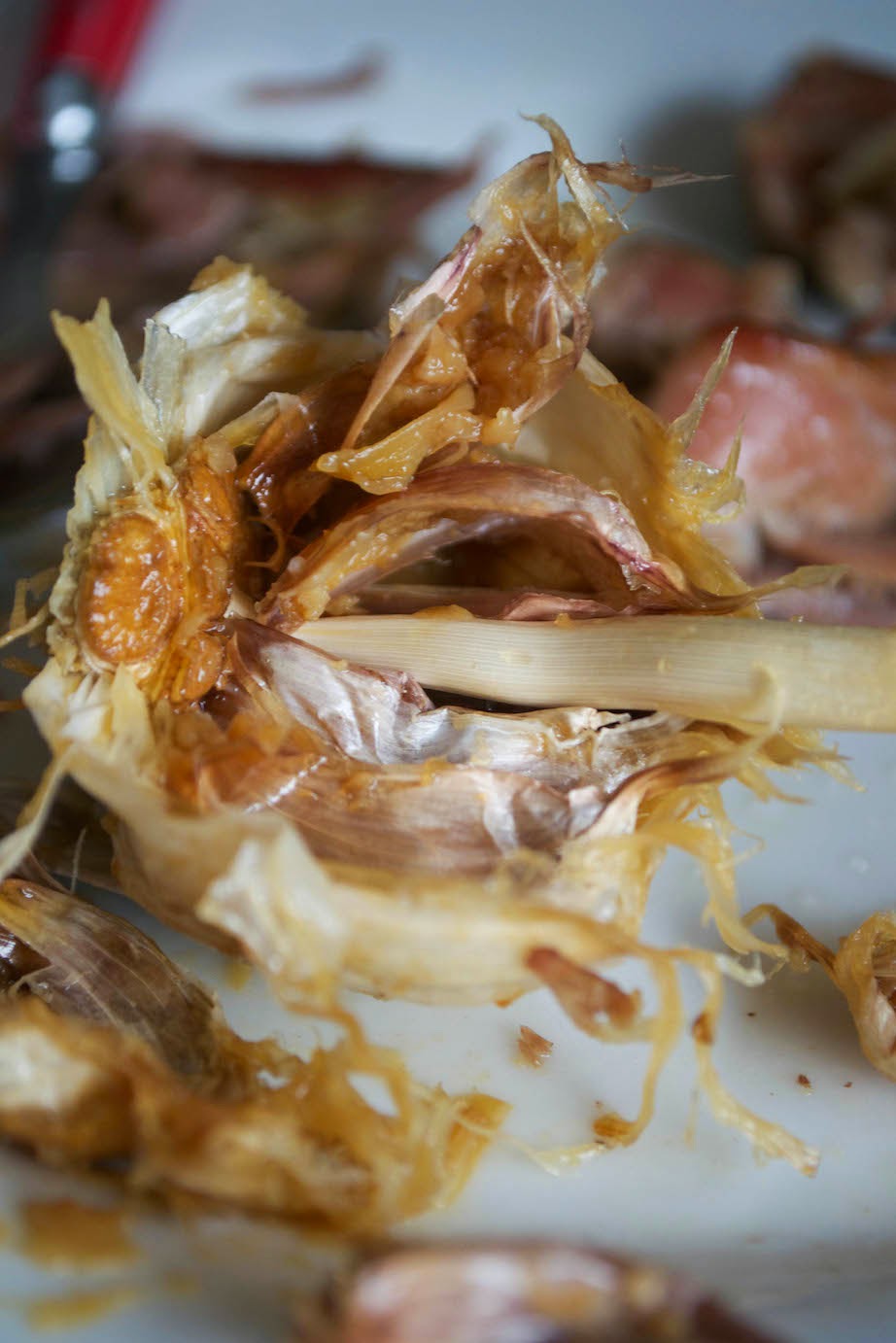
You cook the lamb shanks in a slow cooker (or crockpot) with a whole bulb of garlic. The garlic imparts a sweet aroma into the lamb, without being too intense. For those who like a bit more garlic punch, you can then squeeze the softened, sweet cloves out of the papery skins and serve them alongside. They’re a bit like a really intense, sweet garlic butter. 

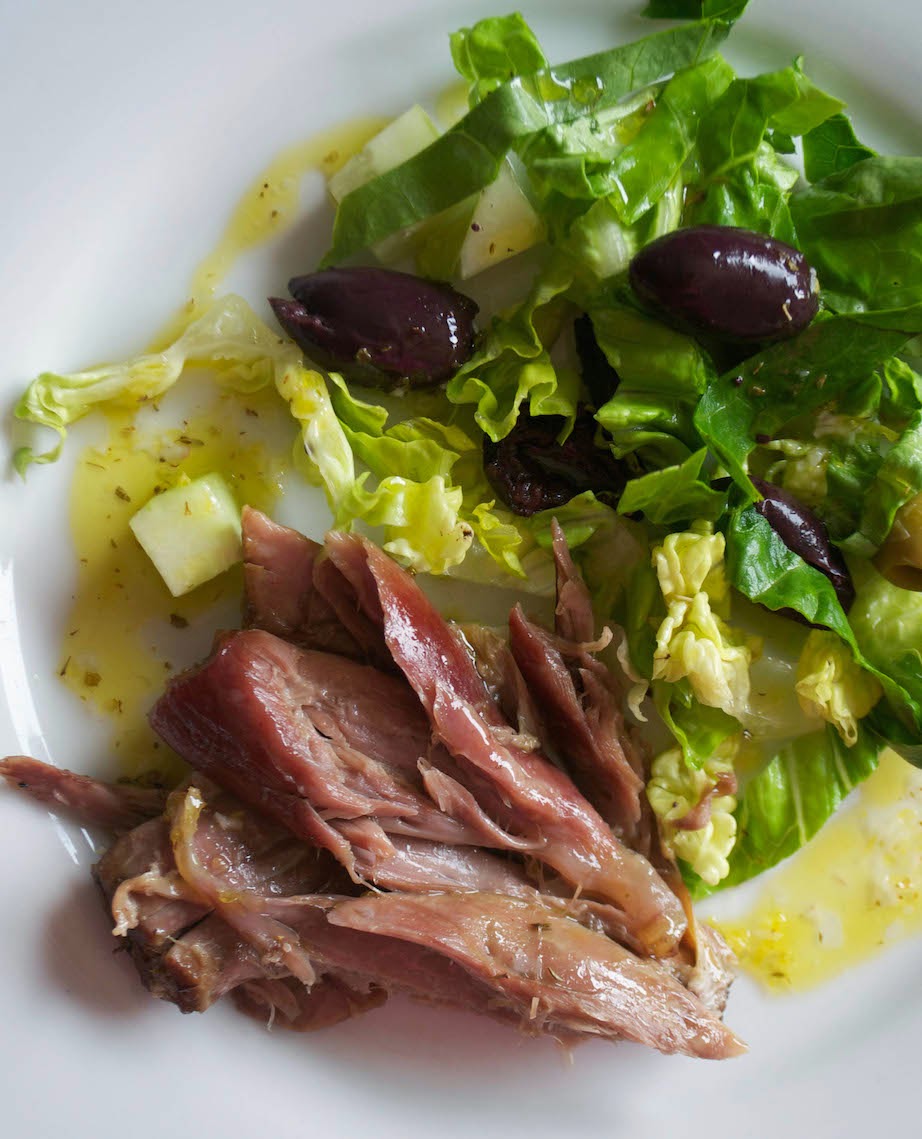
And then you serve the hot lamb with a drizzle of this lemon dressing – and a crisp salad made up of little gem lettuce, diced cucumber and olives. Fresh and aromatic. Lovely. 

Slow Cooker Crockpot Garlic Lamb Shanks with Lemon Dressing
Serves 3-4
Ingredients
2 large lamb shanks
1 whole bulb of garlic
pinch of salt

For the dressing:
good glug of extra virgin olive oil (about 4 tablespoons)
juice and finely grated zest of half a lemon
good pinch of salt
half a teaspoon dried oregano

Method
Set your crockpot/slow cooker to HIGH. Drop in the lamb shanks and then place the garlic bulb on top. It might fall off as the lamb cooks – this is OK. Sprinkle in a pinch of salt and replace the lid. Leave to cook for 3-4 hours, or until the meat falls off the bone. 

To make the dressing, whisk together the ingredients until well combined and set to one side. 

Shred the cooked lamb from the bone and arrange on a serving plate. Serve hot, with a salad and the lemon dressing to drizzle over. 


Monday, 8 September 2014

Reintroducing Foods on the Paleo Autoimmune Protocol

So you’ve done your 30 days of AIP, the elimination stage. Your autoimmune symptoms have subsided a little. Now what? Think you’re supposed to live on seafood, fish, meats and leafy greens forever? Well, obviously not. You have to start adding foods back in. 


The lovely Eileen from the blog Phoenix Helix invited me to have a look at her e-book, all about reintroducing foods on the AIP. It works like this. You cut out a LOT of foods and live for at least a month (or until you see improvement in your condition) on a very restrictive diet. No seeds, nightshades (that includes spices) – no dairy, no refined sugar, no nuts, no eggs, no gluten, no grains… you get the picture. All this is supposed to calm your body down and reduce any symptoms of autoimmune disease that you may have. But you can’t live on a restrictive diet like that forever. So pretty soon, you have to start reintroducing these potential ‘trigger’ foods back in to see if they affect you personally. I can tell you from experience, that reintroducing any of these foods back in can be quite stressful – the last thing you want to do is have a flare-up – but then you’ll never know if you’ll ever be able to have omelettes for breakfast again.

Eileen talks about how to go about reintroducing these foods – giving lots of good and helpful tips like how to keep a food diary and in which order to reintroduce (that’s important). 

She talks about her own personal AIP journey (it’s been a success!) and also features recipe ideas for reintroducing these foods when the time is right, as well as how to notice if that food has caused you some grief. The recipes are accompanied by beautiful, clear photos and a down to earth, positive approach that puts you at ease. It’s quite a complicated thing to do, reintroductions, as some foods are from the same ‘family’ but as Eileen says, they react differently in the body – which explains why I can eat cocoa happily but get quite ill if I have half a cup of coffee (they’re both seeds). 

Alongside recipes for Hollandaise sauce, curry blends and dips, there’s an absolutely awesome recipe for AIP chocolates (with added cocoa as the reintroduction). They’re soft, a little bit chewy with a truffle-like texture. And they’re very easy to make. My children LOVE them. And they’re pure and good for you. I love them. 


This book is a great resource for anyone wishing to find out more about AIP and solves the problem many people have of ‘what’s next?’. There’s often a misconception that you’re supposed to stay on the elimination stage of AIP for ages, but you should reintroduce foods when you see an improvement in your symptoms, for better nutrition and health. 

To find out more or buy your own copy of Eileen’s e-book Reintroducing Foods on the Paleo Autoimmune ProtocolClick here to view more details (affiliate link).


Thursday, 4 September 2014

Scalp Psoriasis Sufferers – I Need Your Help!

Exciting news!

In about a week’s time, I will be attending a meeting here in the UK with other psoriasis sufferers and medical and healthcare professionals to discuss some of the various treatments and issues associated with this condition, which affects huge numbers of people around the world. Before the day, we’d like to gain a deeper understanding of how scalp psoriasis affects people in their day to day lives and the different types of treatments you might be aware of. 

If you suffer from scalp psoriasis, please could you fill out this questionnaire, hosted by Survey Monkey? 

https://www.surveymonkey.com/s/FKPTLBV

It takes about a minute, maybe less. The questionnaire is anonymous – you don’t fill out your name – just mention ‘Comfort Bites Blog’ at the top of the survey when prompted so we know where you found the survey. 

Of course, I’ll be reporting back about what was discussed, and can’t wait to share it all with you. Thank you so much for your help. 

If you don’t suffer from scalp psoriasis, but know someone who does, would you mind sharing the survey with them so that they can get their views across? 

Many thanks, and I’ll be in touch again soon. x

Dark Chocolate Cake with Beer Buttercream

When it comes to cooking with beer, it can be easy to reach for the stew pot or pie dish. But have you ever made a beer cake

Nigella does a Guinness and chocolate cake, and the internet is awash with variations, with a dark, rich, malty chocolate sponge. But for my cake, I wanted the beer to be on the outside

For the beer buttercream, you need to reduce the beer down – but don’t worry, it doesn’t take long and it’s not complicated. You then pour the cooled, thick liquid into freshly-whipped buttercream for a boozy flavour. 

I’ve used Bath Ales Barnsey bitter for this, although any rich, dark beer would work – stout works well too, as you’ll see from my Mini Chocolate and Guinness Cakes I made earlier in the year. And I haven’t spread the buttercream all over the sides of the cake on purpose – the swirly frosting on the dark base reminds me of the froth on top of a freshly poured pint. 


Cuts into 8-10 slices. 
 
Ingredients
For the chocolate cake: 
150g softened butter
125g caster sugar
3 eggs
80g dark chocolate (I’ve used 85% cocoa content for a richer flavour), plus extra for the topping
1 tsp vanilla essence
150g plain flour
2 tsp baking powder
2 tbsp milk
 
For the buttercream: 
250g butter, slightly softened
250g icing sugar
50ml full-bodied beer (dark bittter, stout, etc)
 
Method
First, make the chocolate cake. Preheat the oven to gas mark 5/190ºC/375ºF. Line two 20cm sandwich tins with greaseproof paper and a little butter around the edges and put to one side. 
 
Melt the chocolate in a bowl over a pan of simmering water and set to one side. In a mixing bowl, beat the butter and sugar together until light and fluffy and then crack in the eggs. Pour in the melted chocolate and stir in the vanilla essence. Fold in the flour, the baking powder and the milk and divide the mixture between the two tins. Bake for 20 minutes, or until risen and firm, and a skewer inserted in the centre of the cakes comes out clean. Remove carefully from the tins and peel off the greaseproof paper, and cool the cakes on a wire rack. 
 
Once the cakes are cooled completely, make the buttercream icing. Heat the beer in a small saucepan, simmering gently, for about 5-7 minutes. The beer will reduce down so you’ll have just a couple of tablespoonfuls of concentrated liquid. Let this cool. 
 
Meanwhile, beat together the butter and icing sugar and then trickle in the cooled, reduced beer. Beat well – it’ll take on the flavours of the beer and a light caramel colour, too.  


To make up the cake, place one of the cake layers onto a board or serving plate and spread half of the buttercream on top. Gently place the other layer on top, pushing down very carefully. Swirl over the rest of the buttercream, forming peaks. Scatter some chocolate curls or shavings over the top before serving. 

This recipe appeared in the Food Monthly section of the Reading Post newspaper on 11 June 2014. 

Monday, 1 September 2014

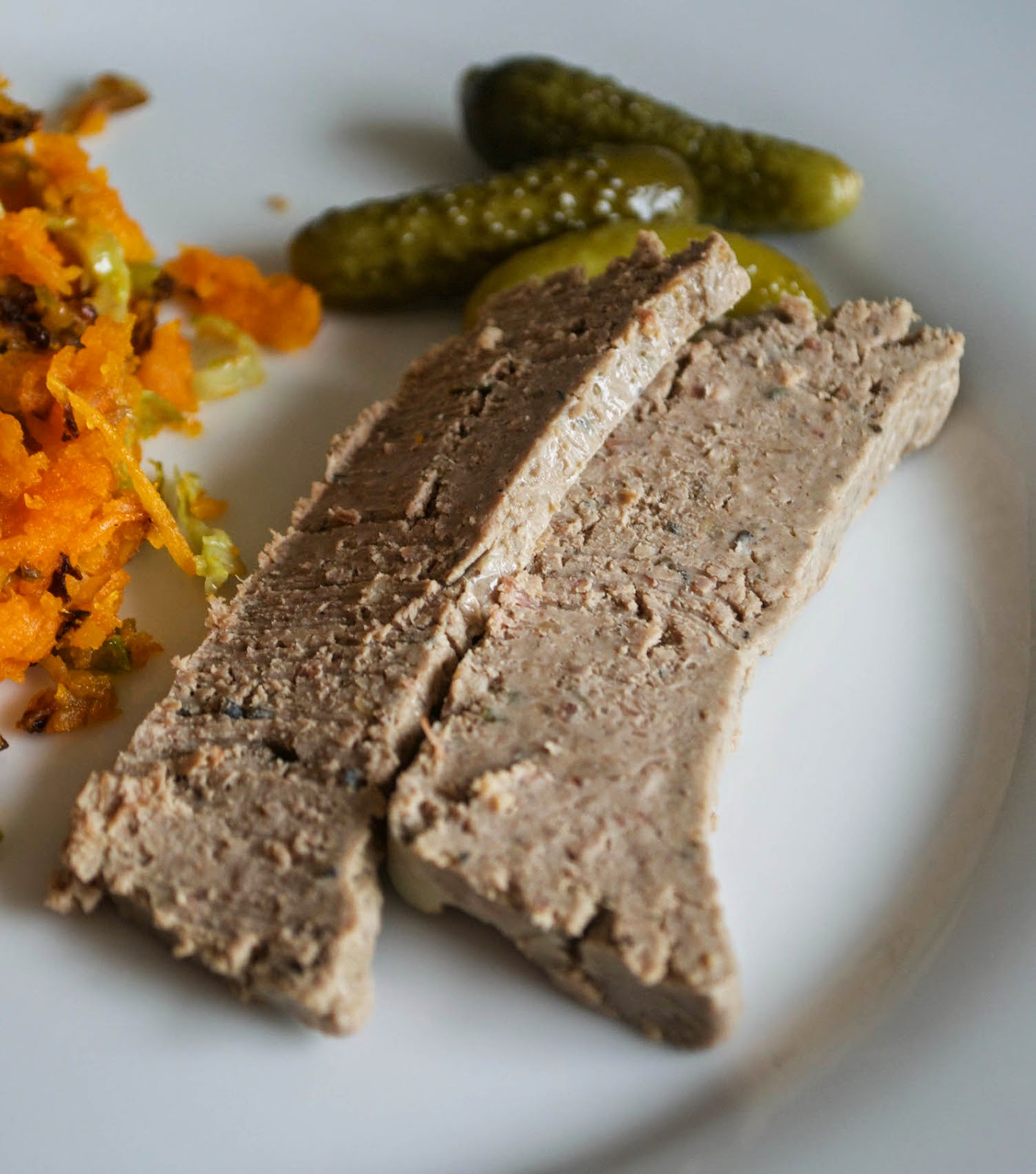
Pork Liver and Bacon Pâté

I didn’t make pâté at home for years, thinking it was complicated and would end up too expensive to buy the ingredients for. Might as well buy the stuff in the shops, right? 

Well, as I discovered, shop-bought pâté can contain things like cream, milk, potato starch, nightshade and seed-based spices – all things that can cause allergies in some people. And, quite often, the livers used are not from the highest-welfare animals. A pot of my favourite pâté would last me a couple of servings – and cost around £4. Nowadays, I make it myself, practically for free. My butcher chucks in a free bag of liver so all I need to come up with are the other ingredients, that I usually have knocking around the kitchen anyway. 


The pork liver pâté is sweet, and the bacon gives it a lovely smokiness and richness. Another wonderful way to get those nutritious organ meats into your diet.

I’ve adapted this recipe from The Paleo Mom’s liver pâté – I often make it, and it’s delicious. But there were so many changes and tweaks I made in the end that it became a bit unrecognisable from the original – so I’ve set it out here for you.


And one more thing: most chefs will say that you can ruin a pâté if you cook the liver for too long. And while everyone else cooks their livers until they’re still pink in the centre, I choose to cook pork and chicken livers until they’re JUST cooked through, because my young children eat this quite regularly and it makes me feel a bit better about it. But do what works for you. 

Pork Liver and Bacon Pâté (Allergy Friendly, AIP, Paleo, Gluten-free, Dairy-free)
Makes approximately 10 servings
Ingredients
4 rashers smoked, streaky bacon
half a cup of good fat (I use a quarter cup (about 3 tbsp) of butter and a quarter cup of coconut oil) – For strict AIP use lard, bacon fat or coconut oil
1 small onion, peeled and chopped roughly
2 cloves garlic, peeled and chopped
1 tbsp dried sage
1 small sprig of rosemary, washed – and the spindly leaves stripped off and chopped
2 bay leaves
good pinch of mace
half a teaspoon dried thyme
350g pig’s liver
100ml white wine

Method
First, fry the bacon rashers in a dry non-stick pan until they are golden and some of the fat has rendered down. Lift the cooked bacon out of the pan and put it on a plate, to one side. 

If you have any bacon fat in the pan, tip it into a measuring cup and top up with your choice of fat, to a quarter of a cup. 

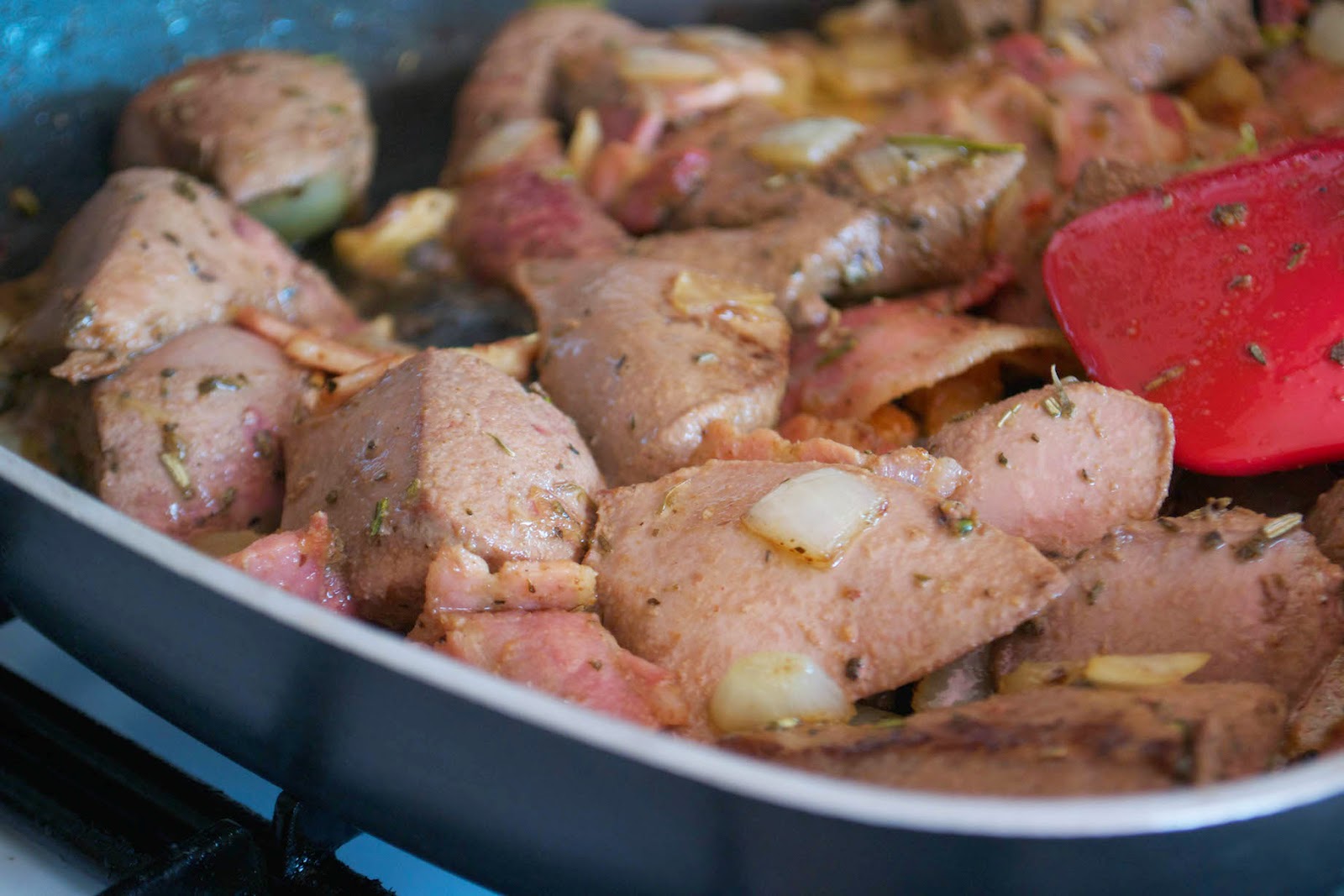
Put this quarter cup of fat into the pan and gently cook the onion and garlic until softened. Add the sage, rosemary, bay leaves, mace and thyme. Next, chop the pig’s liver into bite-sized pieces and add these to the pan, shaking and stirring so they cook evenly. Chop up the cooked bacon rashers you reserved earlier and add these too. Once the liver has sealed on the outside, pour in the wine and let it bubble up for 2-3 minutes until the smell of alcohol has gone. Remove the bay leaves and tip in the remaining quarter cup of fat. Cook for another 1-2 minutes. 

Once the liver is cooked to your liking, and the fat has melted, tip everything into a bowl and blend with a stick blender until smooth. 

Scrape the mixture into a loaf tin lined with cling film, smooth over the top and leave to cool. Once cool, cover the top tightly with cling film so that it touches the surface of the pâté and keep in the fridge for 1-2 days before eating. The flavour gets better with a little time. 

Once your 1-2 days are up, cut the pâté into slices and wrap with cling film, individually, before freezing. When you want to eat the pâté, take it out of the freezer and defrost in the fridge. Eat the same day. 


LinkWithin

Related Posts Plugin for WordPress, Blogger...