Wednesday, 30 July 2014

In Defence of AIP and Paleo Desserts

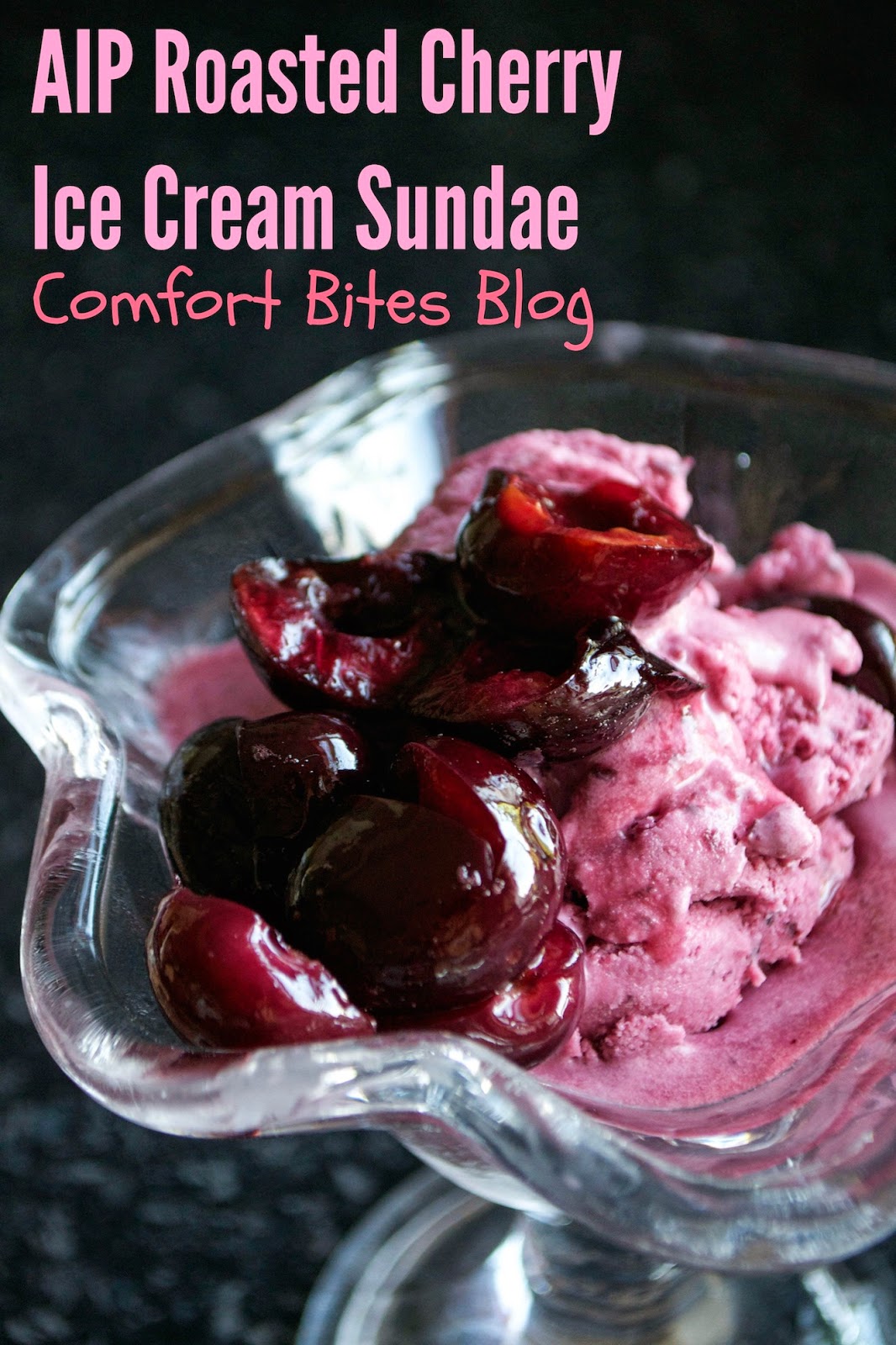
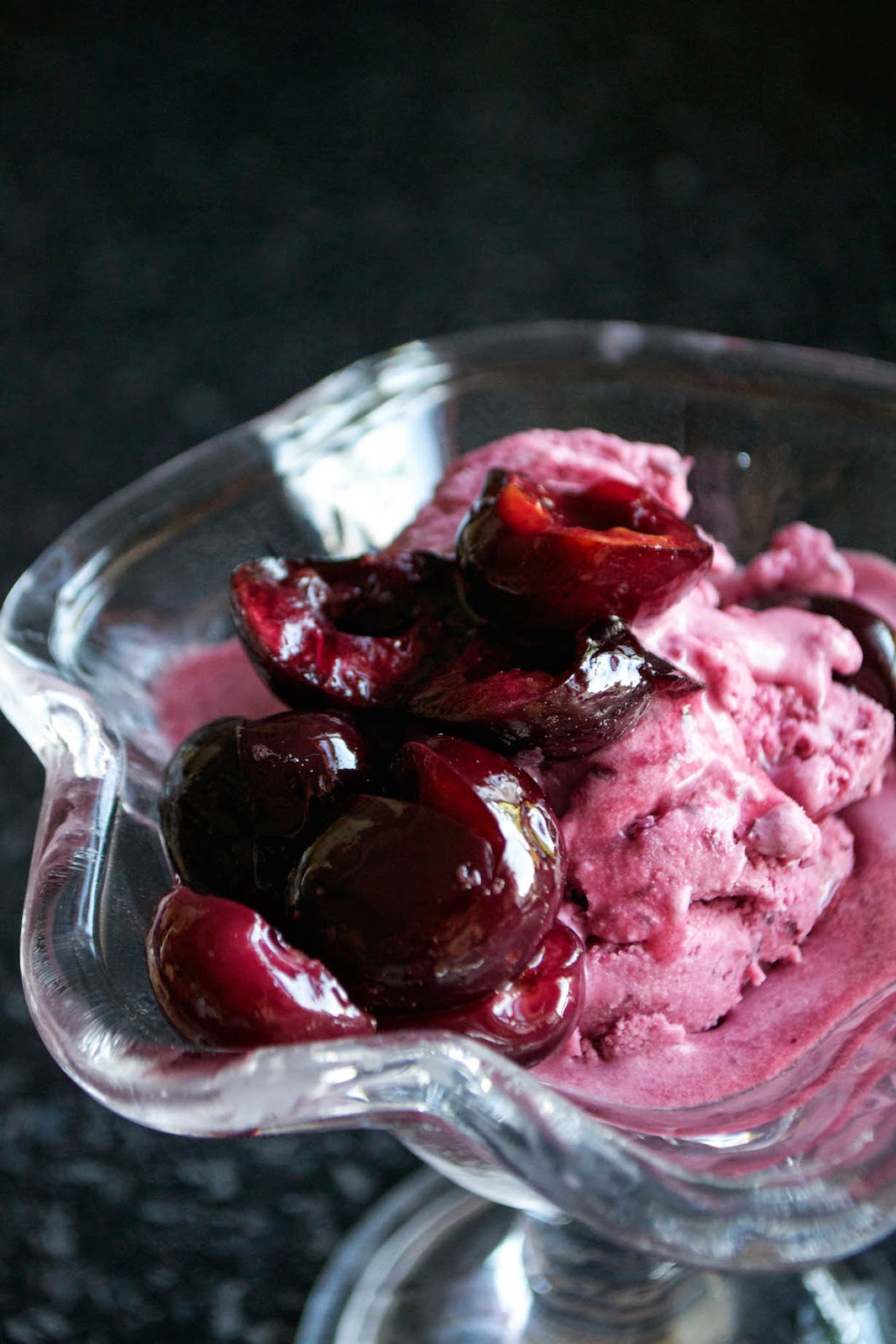
Look at that. It’s a cherry ice cream with a chunky cherry sauce drizzled over the top, still warm. And it’s healthy. Or is it? 


There’s a huge debate in paleo circles about whether paleo desserts are actually considered healthy. They contain fruits – which are often high in sugar – as well as natural sugars like honey and maple syrup. Many contain dates, which are really packed with sugar. So at what point does a ‘healthy’ paleo dessert differ from a tub of ice cream you’d pick up from your local corner shop? 

Firstly, it’s true that home-made, paleo desserts are free from artificial colours, preservatives and all sorts of refined sugars and syrups. It’s often as simple and natural as swirling some berries and honey into a carton of coconut cream. They contain good fats too and there’s evidence that natural sugars are easier for our bodies to cope with. 

But just because something is ‘healthy’ it doesn’t mean you should eat it to excess. As you may know, I’ve suffered for most of my life with psoriasis, which is an autoimmune condition. When I eat well, manage stress and get plenty of sleep and daylight it generally behaves itself. If I eat a scoop (and I mean ONE SCOOP) of the ice cream pictured above, it will stay under control. But if I eat it again the next day, I’ll have raised red patches of skin that itch and burn and won’t calm down for a few days – maybe longer. 

My psoriasis – and my digestive system – respond very badly to sugar. Fruit, too many carbs, honey, maple syrup – you name it – I have to watch it all carefully. I’ve made some paleo puddings from other blogs and I’ve been absolutely shocked at the amount of maple syrup that goes into some treat bars and paleo brownies that are labelled as ‘paleo’ and ‘healthy’. As I said, just because it’s healthy (or healthier) we don’t have to go mad with it. 

Many people think it’s best just to stay away from paleo puddings altogether. You’re eating quite a large amount of sugar in one go (compared to the day’s meals, which are generally sugar-free) which can kick off major sugar cravings. I can go without sugar for weeks, and I’m fine. But give me a Mars Bar or one of those maple syrup-drenched paleo coconut bars and I’ll turn into one of those bad minions from Despicable Me – fidgeting and irritable until I get my next sugar ‘fix’.

But, in spite of all this, I do think there is a place for puddings on the paleo and AIP diets. You can take some coconut milk ice cream to a party, which means you’re much less likely to want to tuck into that triple chocolate fudge cake perched proudly on its stand. Nibble on a small square from a coconut bar made from blended dates, coconut and orange zest if it means you won’t pop to the shop and buy a 200g bar of chocolate-covered caramel. I’ve managed to introduce a little dark chocolate (80% cocoa solids or more) successfully after a year on AIP. But I don’t allow myself to eat it more than once every few months because I find that my body seems to recognise it as chocolate and then expects sugar to follow. And it gives me a hard time about it, and a few days of sugar cravings. 

A little paleo/AIP ice cream or cheesecake is fine, for most people. But if you find that after you eat it you’re craving more and more sugar, then it might be best to lay off the desserts – even those ‘healthy’ ones – for a while longer. We’re all different, and don’t all tolerate sugars the same. All AIP treats are designed to be eaten in moderation, and most of us will be fine with that. Just don’t overdo it. 


Friday, 25 July 2014

Taste Test: Walkers Crisps – The ‘Do Us A Flavour’ Finalists

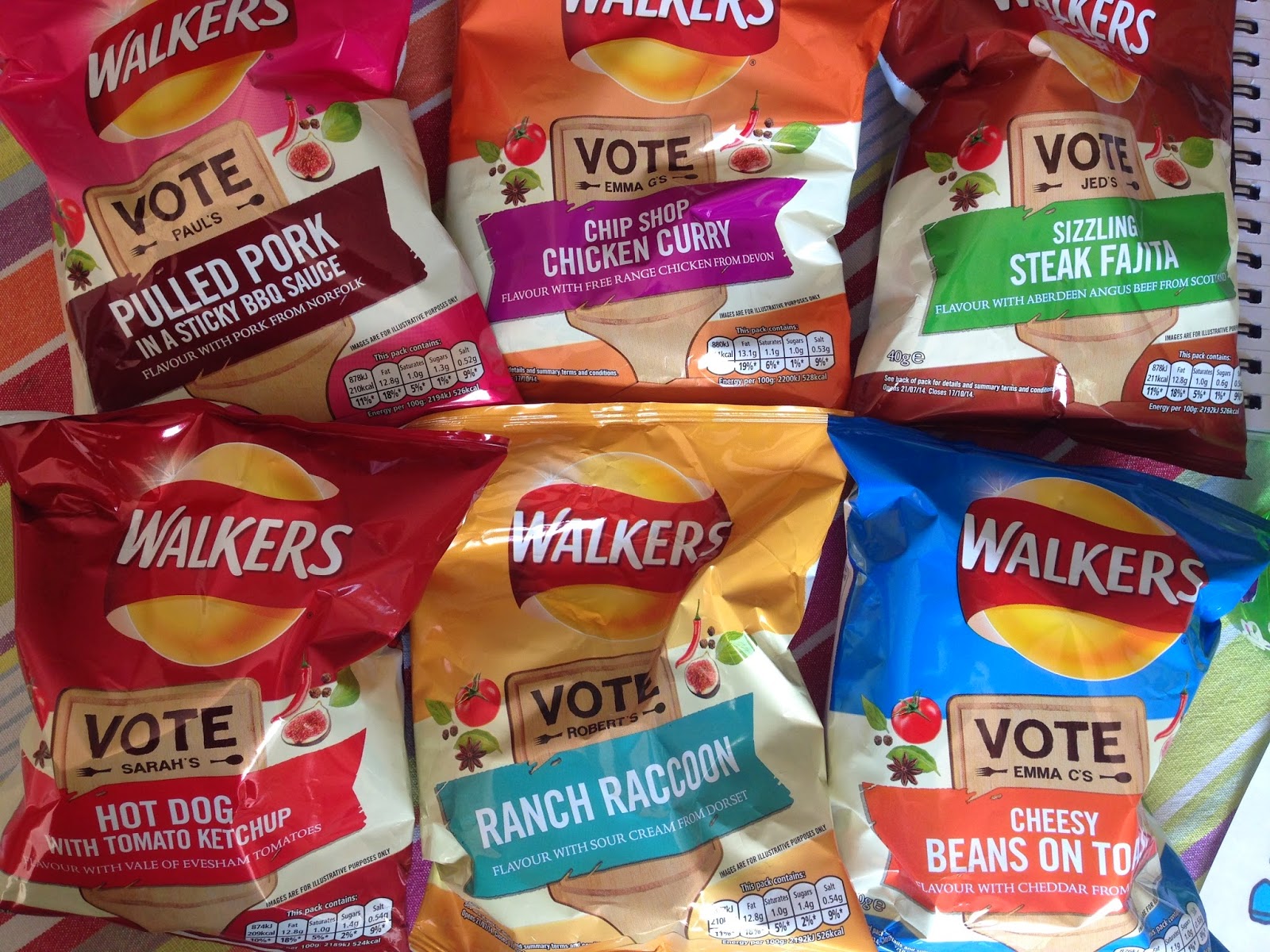
So. Remember when Walkers launched a contest for the public to come up with some unique crisp flavours? And they would pay the winner £1 million? 

Well, the finalists have now been chosen – after David Walliams and Marco Pierre White put their heads together to come up with the final 6 flavours. (Mine wasn’t in there. Booooo.)


The final crisp flavours are: 

Sizzling Steak Fajita
Chip Shop Chicken Curry
Cheesy Beans on Toast
Ranch Raccoon
Hot Dog with Tomato Ketchup
Pulled Pork with BBQ Sauce

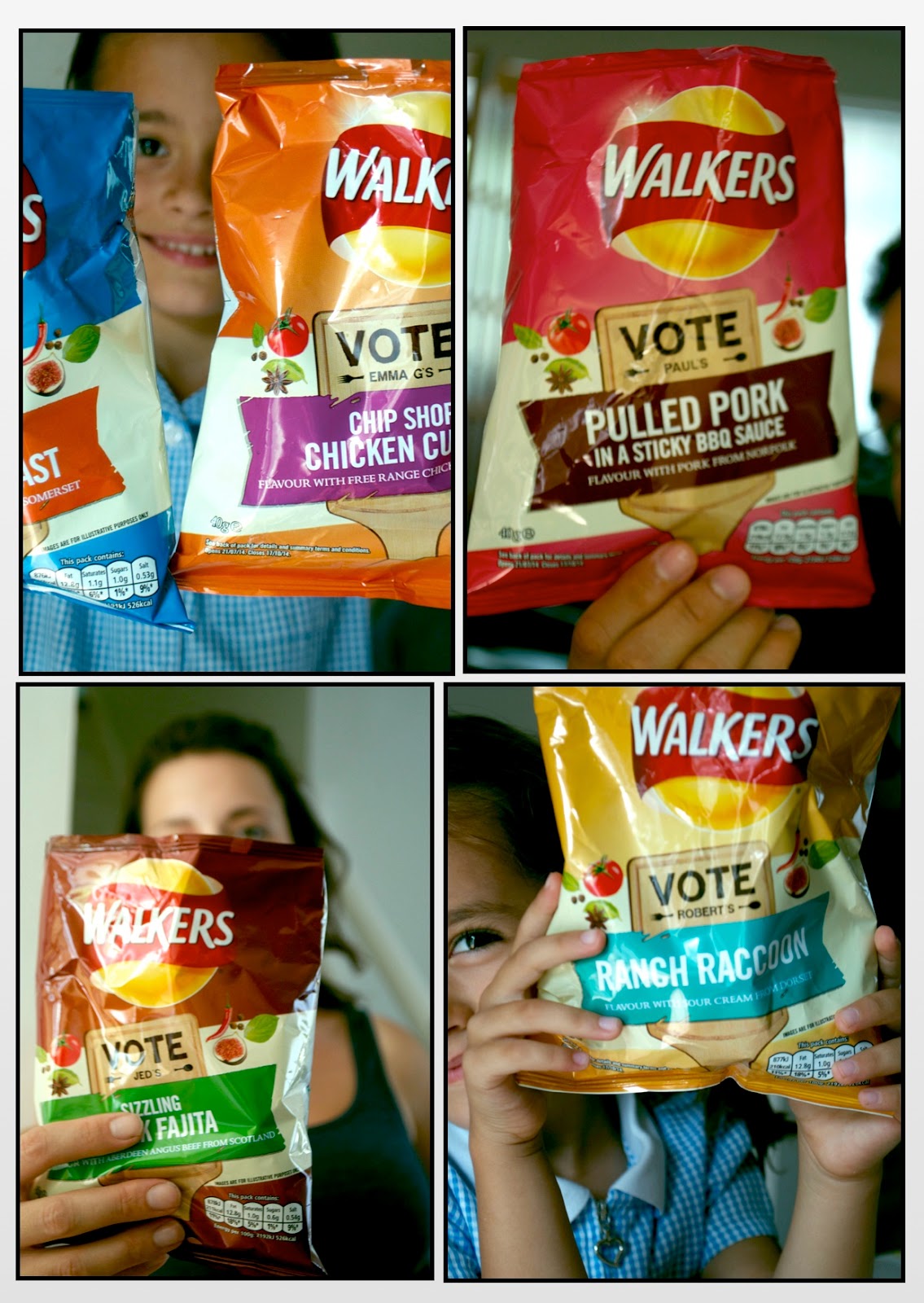
Walkers sent us a packet of each for us to have a nibble on and try them for ourselves. We gathered around the table, broke open the packets and tentatively nibbled on each one. 

The Chip Shop Chicken Curry was mild, and sweet – the flavour is exactly like chip shop curry – and was one of our all-round favourites. I loved the flavour of the Sizzling Steak Fajita – beefy but you can taste the flavour from the peppers and spices. Quite a complex crisp flavour, with a lot going on, which was why it was my personal favourite.  


Cheesy Beans on Toast was a bit of a head scratcher for all of us. When you crave beans and cheese on toast, isn’t it the texture of the soft beans, the silky sauce and the oozy melted cheese that have as much allure as the actual flavour? The crisp tasted exactly like beans and cheese, but I wasn’t sure that it worked for me as a crisp flavour. My nine-year old loved it, though, although she agreed it was a bit weird missing the texture. 

Ranch Raccoon was my 6-year old’s favourite – it was kind of creamy in flavour, a bit like soured cream flavoured crisps – and, we had to admit – it was a good tasting crisp, even if none of us knew what a raccoon actually tasted like. 


The Hot Dog with Tomato Ketchup was towards the bottom of the list – everyone thought that although you could find the pink-frankfurter flavour in there, it tasted predominantly of tomato. A bit like a stronger version of a prawn cocktail crisp. Not one I would probably look out for in the shops, to be honest.

My husband liked the Pulled Pork flavour the best – you could taste some roasty porkiness, and definitely a barbecue sauce flavour – it works well as a crisp flavour, too. 

Have you tried any of the finalists’ crisp flavours? Which are your favourites? 

Wednesday, 23 July 2014

Breakfast Pork and Leek Burgers

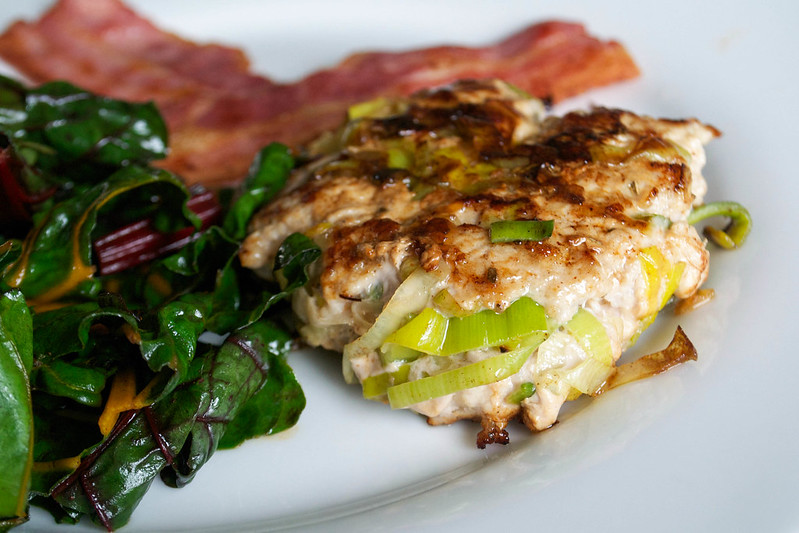
I love these burgers. They’re made from good pork mince but taste like sausages. It’s great if you’re looking to cut down a bit on your processed meat but still have a sausage craving.

These burgers are paleo, dairy-free, AIP compliant and gluten-free and they just take a few minutes to cook.


aip paleo pork and leek burgers

Breakfast Pork and Leek Burgers
Makes 4
Ingredients
1 small onion, peeled and chopped finely
1 tsp coconut oil
pinch of salt
1 leek, trimmed, washed and finely sliced
400g pork mince
good pinch of mace
pinch of sage

Method
Fry the onion in the coconut oil, with the salt, until softened. Add the leek, and continue to cook, until the leek has started to soften too. Scrape the mixture into a bowl and leave to cool. 

Once completely cooled, add the pork mince, the mace and the sage, and mix well. Combine to form patties, and fry them for 5-6 minutes, or until cooked all the way through. Gorgeous with a fried egg and beautiful with greens. Veggies for breakfast? 

You betcha. 

Monday, 21 July 2014

Dulce de Leche Stuffed Chocolate Churro Bites

THIS is what I am talking about. 


Mini churros filled with dulce de leche and then dipped in a mixture of dark and milk chocolate. We ate long, crispy churros in Argentina last year that had been filled with dulce de leche repostero and then coated completely in chocolate.

The recipe for the actual churro batter comes from Nigella – in her book Kitchen, which was in turn, adapted from a recipe by Thomasina Miers. It’s a brilliant, easy recipe. Most churro recipes need you to make a sort of buñuelo mixture by heating up and beating flour, butter, water and eggs – but hers is just a quick whisk in a bowl and then a squeeze out of a piping bag. 

Nigella uses a large star-shaped nozzle for hers, I’ve used a Wilton 1M piping nozzle, that I use for piping swirls onto cupcakes. It’s intentional: I wanted the churros to be ‘one-bite-wonders, rather than the long, ridged spindly ones that are more traditional. Also, that way you get a good filling of dulce de leche. And don’t worry about how you get the dulce de leche into the churros. It’s easy. 

You could dip the churro bites into dark or milk chocolate if you prefer – I like to use a mixture of both.  


Dulce de Leche Stuffed Churro Bites
Makes about 30
Ingredients
Nigella’s churro mixture (don’t bother with the cinnamon and sugar – you won’t need it for this)
oil, for deep-frying
approx 200g dulce de leche caramel
100g milk chocolate
100g dark chocolate

Method
Make up the churro mixture as per Nigella’s instructions, leaving out the bit where you mix the cinnamon and sugar together – you won’t need it. Scrape the thick dough into a piping bag fitted with a Wilton 1M nozzle – a large, star-shaped nozzle you might usually use for icing your cupcakes. 

Fill a smallish saucepan with the deep-frying oil, so it comes up to about two-thirds up the sides. Heat it up to 170ºC, or until a little dollop of batter sizzles and turns golden. Dangle the piping bag carefully over the saucepan and squeeze and then snip little ‘bites’ off and into the oil. Aim for them to be about 2cm in length. Drop them in fairly close to the pan so they don’t splash. The oil will be very hot. Cook them in batches of about 5-6. 

As they turn crisp and golden in the oil – they’ll take just a couple of minutes – fish them out with a slotted spoon and onto a waiting plate lined with kitchen paper, to soak up any excess oil. Let them cool, and once they’re all done, turn off the heat under the oil. 

Next, once the churro bites are cooled, get a skewer and make a little hole at one end of each churro bite – wiggling it around so you have somewhere to squeeze the dulce de leche into. Don’t push all the way through, just about two-thirds of the way in. Scrape the dulce de leche into a second piping bag fitted with a small nozzle – the kind you might write names on birthday cakes with. Twist the top, and then pipe dulce de leche into the hole you made with the skewer, pulling it out slowly as you squeeze. Arrange on a plate. 

Finally, melt the two types of chocolate together, either slowly in a microwave or over a pan of simmering water, and then dip the churro bites in, so the chocolate comes up just about half-way. Place on greaseproof paper to dry. Serve when the chocolate is set. 

The churros are best eaten on the day they’re made – if you try and store them in the fridge for the next day, they’ll go soggy. 

Notes: You can also buy chocolate dulce de leche – if you can get hold of this, just stuff them with this and skip the chocolate coating. Or, after stuffing, you could just roll them in cinnamon sugar. 


Friday, 18 July 2014

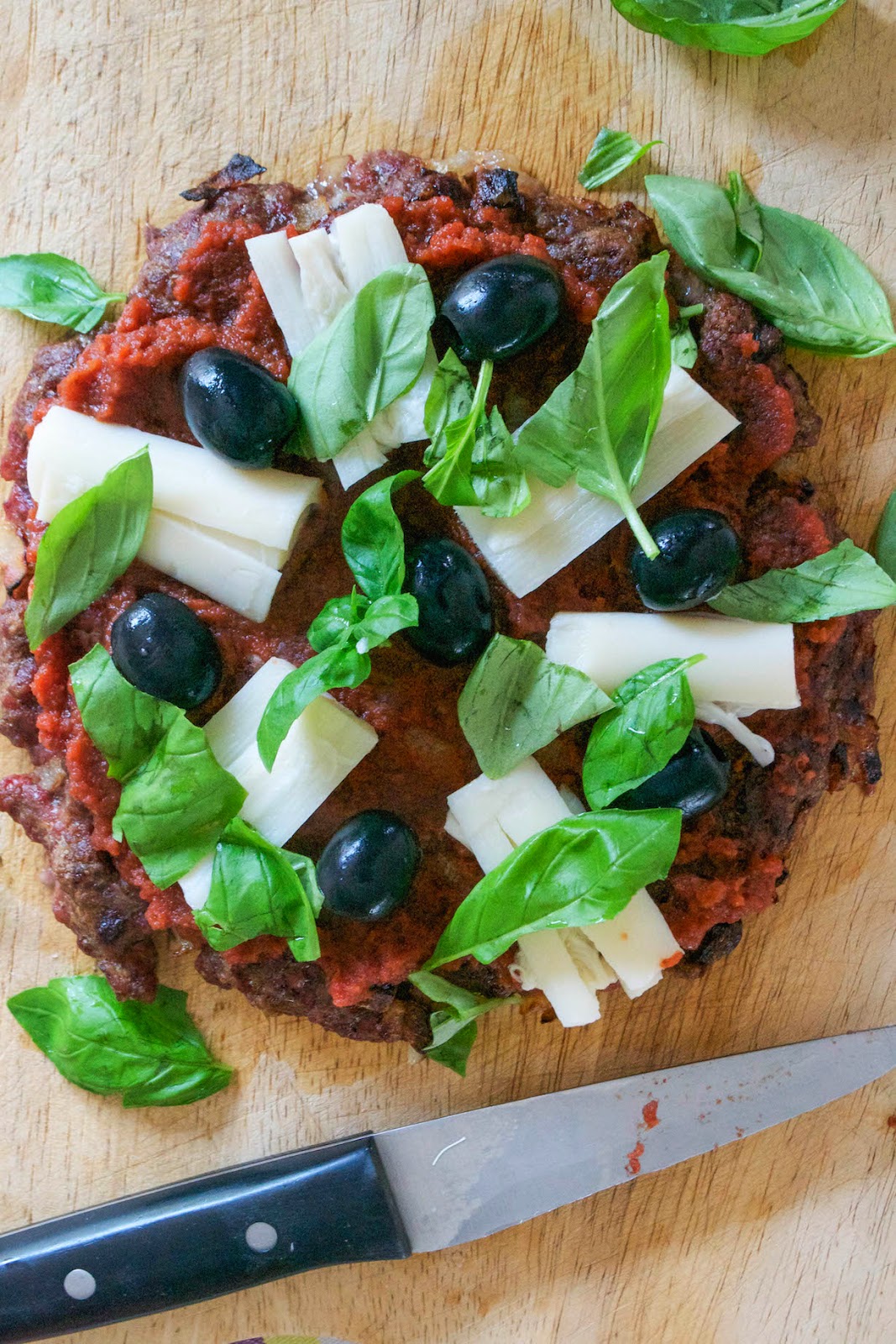
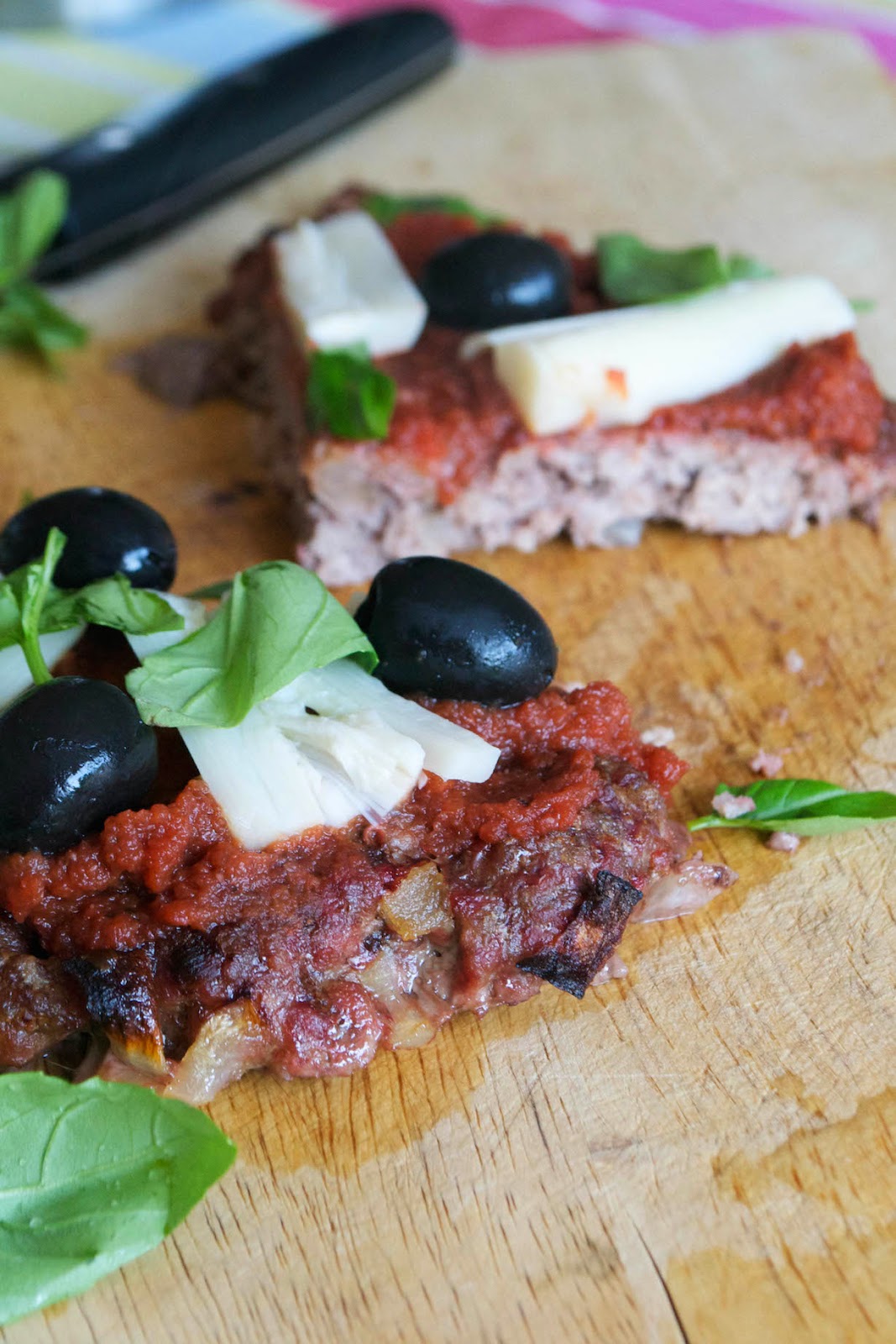
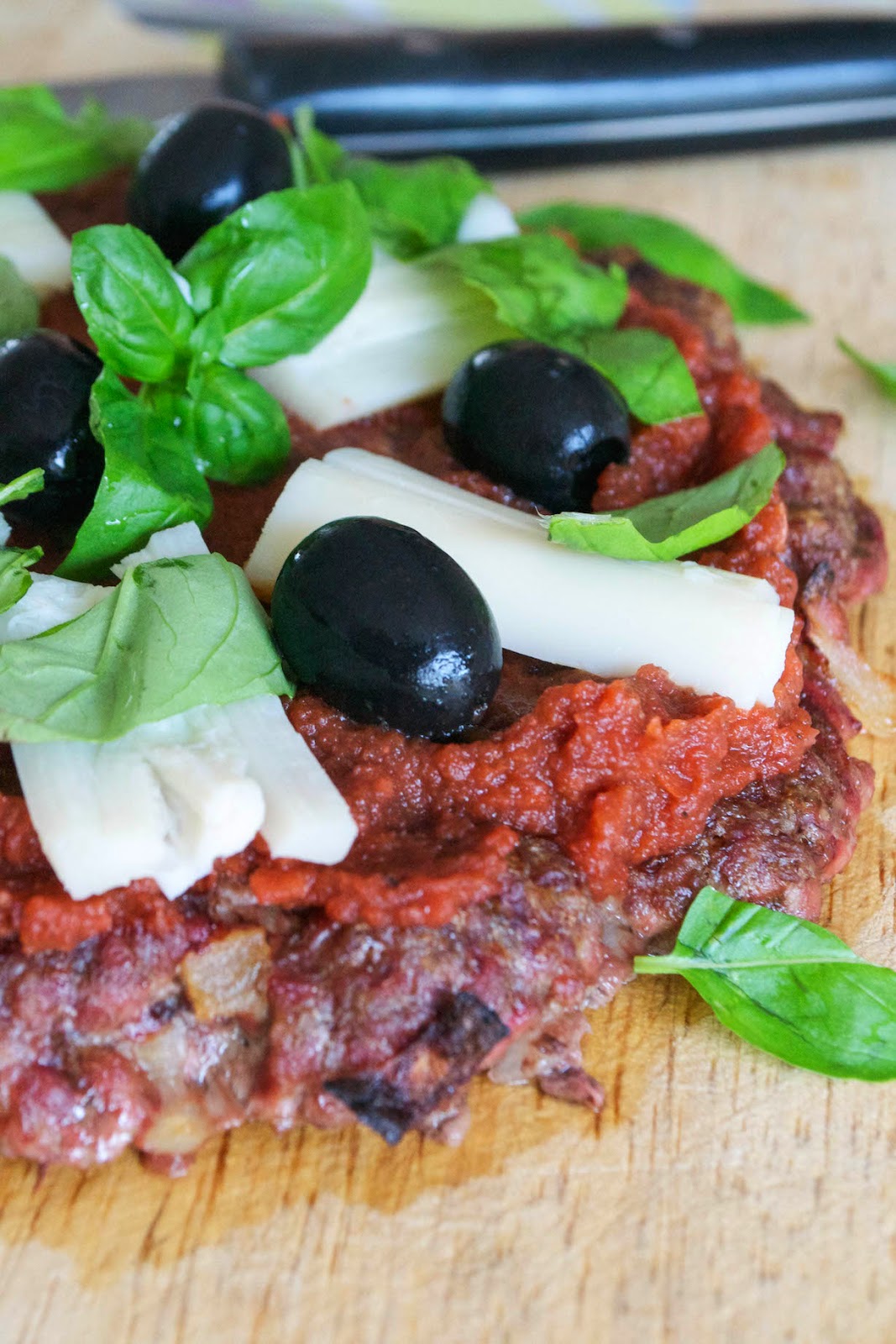
AIP Paleo Meattzza con Palmitos

I first fell in love with the idea of a meattzza (a pizza with a meat base) when I saw Nigella Lawson make one on her TV show Nigellissima. And then, when I stopped eating cheese, I knew I had to create a version that was dairy-free. But what would be the cheese substitute? 


Hmmmm. Let me think. 


I thought about it for weeks

Then I hit the answer. It was palm hearts. There they were, standing proudly in their tin in my kitchen cupboard all along. 

I’d had palm hearts (‘palmitos’) on regular pizzas in Argentina in my pre-paleo days, and they give a creamy saltiness to pizza toppings and salads. You could trick yourself into thinking you were eating a soft cheese on top of your meattzza but no, it’s just another veggie. Brilliant, right? 


The base is made from minced beef and chopped onions, although next time I’d add a pinch of dried thyme in there, too. The sauce is my nightshade-free ‘no-mato’ sauce, made by simmering and blending together things like beetroot, carrots and onions until smooth. Everyone loved this – a sort of burger/pizza hybrid. It’s definitely a regular now in our house. 

AIP Paleo Meattzza con Palmitos (Palm Hearts)
Serves 4
Ingredients
400g minced beef
1 medium sized onion, peeled and chopped fairly finely
pinch of salt
1 tsp coconut oil
2-3 tablespoons of no-mato sauce
handful of black olives
2 sticks of palm hearts, from a tin
big handful of fresh basil leaves, to serve

Method
First step in making the meattzza is to put the minced beef in a large mixing bowl. Next, fry the onions in the coconut oil with a pinch of salt until softened. Allow them to cool and then tip into the bowl with the minced beef. 

Mix the beef and onions up with your hands, until just combined. Take out a baking tray and dump the mixture onto the centre of the tray. Next, pat it out into a round shape, about 1cm thick. Pat with your hands until it’s flat and then bake in the oven for about 30 minutes at gas mark 6/200ºC or until fully cooked through.

Once it’s cooked through, lift the meattzza base onto a serving board with a spatula. Heat the no-mato sauce in a small frying pan and then spread it over the top. Slice the palm hearts lengthways and arrange onto the sauced meattzza and then drop black olives over the top. Scatter with the basil leaves and serve straight away, with sweet potato chips or a green salad. 


Thursday, 17 July 2014

Roasted Cherry Ice Cream Sundae (AIP, Paleo, Dairy-Free, Gluten-Free)

Sometimes, when you read the label on your favourite desserts, you realise how many ingredients are in there that should not be in there. 

Colourings, additives, flavourings, preservatives, emulsifiers and words that you can’t even pronounce. 


This cherry ice cream sundae was created for when you want to eat naturally but you want a gorgeous, indulgent treat at the same time. It’s really easy to make, and uses up all those cherries that are in season at the moment. The recipe is also gluten, dairy and refined sugar free. Go on. Treat yourself. 

Roasted Cherry Ice Cream Sundae 
Serves 4-6
Ingredients
For the ice cream:
250g fresh pitted cherries
1 tsp coconut oil
400ml can full-fat coconut milk
2 tbsp honey (use maple syrup for vegan)
1 tsp vanilla extract (For strict AIP use vanilla powder – vanilla extract can only be used if it’s cooked).

For the sauce:
200g fresh pitted cherries 1 tsp vanilla extract
1 tbsp honey (use maple syrup for vegan)
1 tbsp water

Method
To make the ice cream, first roast the cherries. Lay them out in a single layer on a baking sheet and rub them with the coconut oil. Roast in an oven preheated to 200ºC/gas mark 6 for about 20 minutes, or until sizzling and softened. Leave to cool completely. 

Next, make the ice cream. Blend the cooled, roasted cherries with the can of coconut milk, the honey and the vanilla. Pulse until completely smooth. Pour into the bowl of an ice cream maker and leave to churn for 20 minutes. Scrape out the soft-scoop ice cream and pour into a freezable container. Store in the freezer to firm up a little bit. 

To make the sauce – just before serving – throw the cherries in a small frying pan and add the vanilla, honey and water. Simmer on a high-ish heat until the cherries have warmed through and started to release their juices. 

To serve, scoop the ice cream into sundae glasses and then pour some of the warm cherry mixture over the top. Beautiful. 

I’m entering this sundae into Phoenix Helix’s Recipe Roundtable – go check it out for more AIP inspiration! 

Tuesday, 15 July 2014

Healing Psoriasis Naturally

I can’t wave a magic wand and tell you exactly what will clear up your psoriasis naturally. We’re all different. But I can tell you what worked for me.


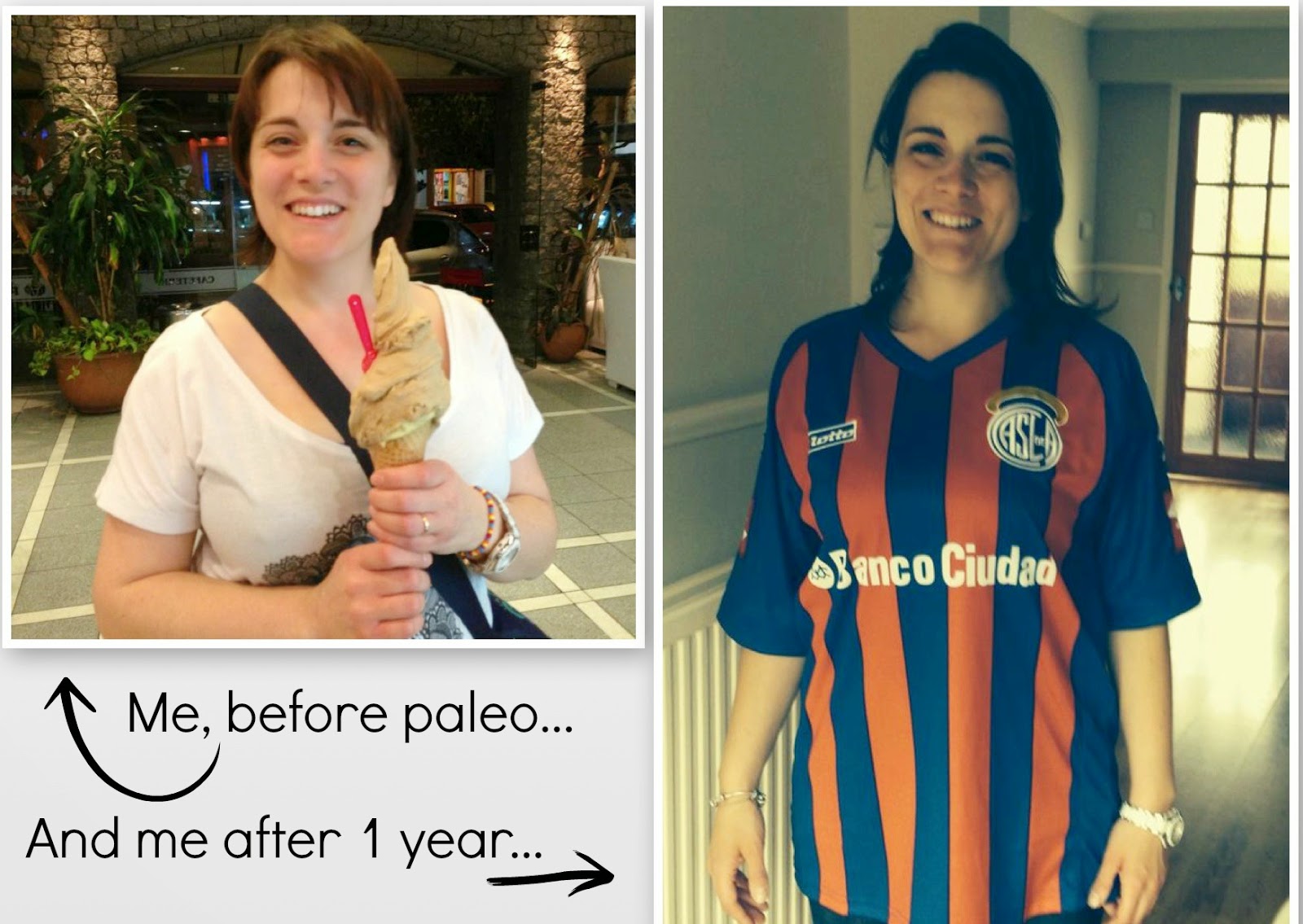
I don’t have any photos of my psoriasis – I wouldn’t let anyone near me with a camera – but after 1 year of eating well, getting lots of rest and some sunlight every day I feel like a different person. And a LOT less itchy. 

Here goes. Psoriasis is an autoimmune disease, where skin cells reproduce quicker than usual – it’s as if the immune system senses a cut somewhere on the body and keeps sending cells there to repair it. Yep – even though there is no cut. Putting it simply, it’s an immune system that’s gone a bit wonky. Psoriasis patches can appear anywhere on the body and itch, burn and feel very sore. 

I’ve suffered from psoriasis for about 25 years. I’m sort of embarrassed to admit it, but it stopped me going to a lot of social events because I had thick, white scales on my eyelids and around my ears. Makeup didn’t hide it, it just made it worse. I also had it very severely, on my entire scalp and on my knees and elbows, as well as smaller patches on my tummy. Even doctors winced as they looked at it, but helped as best they could, handing me prescriptions for stronger steroid creams and shampoos that would work for a couple of days and then no more. 

There was a decisive moment when I realised that I had to try something else. I was holding what was to be (although I didn’t know it then) my final tube of rather strong steroid cream. And it was for my eyelids. I knew that steroid creams – I’d been using them since I was a teenager – had a tendency to thin the skin after a while, and – as we all know – skin around there is already very thin. 

I got home and read the leaflet inside the box. It said under no circumstances should this cream be used ‘anywhere near the face’. Hmm. The doctor must have made a mistake, so I rang him. No, there was no mistake – even though it had big warnings in bold on the pack, he said I could ignore the warnings and use a ‘little bit’ on my eyelids. “Psoriasis is a pain,” he said, “once you’ve got it, you’ll have it forever. You won’t be able to do anything about it. You just have to learn to live with it.” 

Well, THIS wasn’t good.

I looked into how I might be able to finally tackle this condition myself – preferably naturally. I read up on Pagano’s ‘psoriasis diet’ and the paleo diet. And along the way, I found lots of people who claimed to have eased their symptoms, completely naturally. 

A year on, and I haven’t needed steroid creams. I mean, I put up with it for more than two decades. Now, the psoriasis has disappeared from most of my body – all that remains is a stubborn, tiny patch on the back of my neck and a slight pinkness in one small area below one of my eyebrows. It’s not even itchy, and every day it fades a bit more. 

I talk a lot about the autoimmune protocol – a diet designed to reduce inflammation and cool down the immune system – and it did help, but it wasn’t the only thing that eventually got it under control. Here’s how I did it. I hope it helps you too. 

Note: I’m not a doctor. Psoriasis is an autoimmune disease that varies greatly in severity. You should always talk to your doctor if you are planning on making any lifestyle or diet changes. I did, and found the doctors I spoke to quite supportive. There is so much that is unknown about psoriasis, which is essentially quite a complicated condition and one thing won’t work, or be suitable, for everyone. There’s evidence that it’s genetic (my grandad had it) – but I’ve been able to reduce my symptoms considerably. One day I hope to send it into remission completely. 

My Top Tips for Healing Psoriasis Naturally

1. Identify any food triggers
I’ve been on a modified version of the autoimmune protocol (like a paleo diet but with more things cut out) for the past year. Yes, I’ve cheated – I’ll admit I had the odd slice of birthday cake over the year – but I’ve kept pretty much straight. I found a lot of things that caused my psoriasis to flare (alcohol, sugar, egg whites) and foods that didn’t bother me at all (egg yolks, goat’s dairy and white rice). When I started following the AIP, my psoriasis patches were visibly less red, scaly and sore after just TWO DAYS. For me, eliminating some foods helped. I still find that if I eat raw tomatoes, egg whites, cow’s dairy or gluten – or too much sugar, even natural sugar in fruit – I will get inflamed psoriasis patches within hours. Again, talk to a professional if you’re thinking of changing any aspect of your diet. There’s another diet plan for psoriasis by Dr Pagano, which you might want to look into. My doctor suggested I keep a food diary, which was a great help in identifying which were my personal trigger foods. But remember – everyone’s different. 

2. Reduce stress
When you’re stressed out, the body thinks – in it’s native caveman mode – that you’re under attack, so the brain is flooded with hormones and ‘fight or flight’ chemicals, which send the immune system into alert mode. It doesn’t realise that you’re just standing in the queue at the supermarket and the person in front of you decides to pay their weekly shop with all their small change. Relaaaaxxx….. Anything you can do to calm your mind is good. Drink tea, do yoga, learn some mindfulness techniques, meditate. Yoga worked wonders for me, personally. Check out classes in your area. Make a little bit of time – even 15-30 minutes a day – just for yourself.

3. Moisturise
But pick the right moisturiser. Avoid anything with fragrance or additives, even if it does smell divine. For me, posh, perfumed creams made my psoriasis patches redder and more sore. For a long time I used just plain Vaseline on my patches. Now I use a thick, plain aqueous cream which does the job of keeping what’s left of my psoriasis soft – so it doesn’t itch or turn flaky. Some swear by coconut or argan oil. Find the one that works for you. And moisturise straight after a shower or bath – it helps to lock in some of the moisture. 

4. Sunlight
Our body converts sunlight into vitamin D, which is thought to have a beneficial effect on the immune system, and our health in general. On a sunny day, you only need 10-15 minutes in the sunshine to get enough vitamin D for that day. But don’t overdo it – be careful you don’t burn. When you think about it, we tend to live a lot of our lives inside – we leave home, get in the car, arrive at the office and then get back in the car and straight home. Take your packed lunch and eat it in the park. Sit outside with a cup of tea for 10 minutes on a sunny afternoon. Just don’t overdo it. 
5. Accept your condition
I used to get up in the morning, and dash to the mirror to check how my psoriasis was that day. I used to actively worry about it. I grew a long fringe, which I hoped would cover my eyelids (it didn’t). I bought thick-rimmed glasses and tried covering my patches up with makeup. (It didn’t work). I could only wear white tops. I used to worry about how I could handle meeting various people that day, if it was particularly bad. If I’m honest, having psoriasis whacked my self-esteem quite considerably. And then one day something clicked. I’d had enough. Fine, I had itchy patches of skin. So what? I decided I was going to tackle it and it WAS going to get better. When I did that, everything else – the food, the stress, the yoga – all clicked into place. And my psoriasis started improving. Maybe it was the worry that had been making it worse. I pinned my fringe up, went without makeup and if anyone asked me about it, I just said “my immune system’s a bit wonky – it’s sending skin cells where it thinks there’s a cut. I’ve had it for ages.” It was, suddenly, no more of a huge deal, because I’d accepted I had it – rather than constantly putting in lots of energy trying to hide it. The power of thinking positively… 

6. Treat food like medicine
Oily fish, flaxseed oil, avocados, bone broths, organ meats – they’re all thought to be good for the skin. Make sure you eat lots of vegetables. If sugar is a trigger for you (like it is for me) you might want to reduce your fruits just a little bit and chomp on more veggies instead. Vegetables – as well as fruits and berries – contain good amounts of healing nutrients and antioxidants. 

7. Stay hydrated
Oh yes. A BIG one. When I look back at the two times my psoriasis was at its very worst this year, it all boiled down to being dehydrated – once after an illness and the other time because I hadn’t been drinking enough water. This doesn’t mean you need to drink gallons of water – too much of anything is, after all, too much. But drink the minute you feel thirsty, and carry a small bottle of water around with you, taking little sips throughout the day. 

8. Get lots of sleep
When I started to heal, I noticed a definite pattern. When I got a couple of good nights’ sleep, my psoriasis patches were faded and hardly visible when I woke up. When I’d had interrupted sleep, they were more raised and itchy. Try and get 8 hours sleep every night – go to bed early. Drink camomile tea with a teaspoon of honey (that always sets me off). Read a book but avoid tapping on your computer or mobile phone in the wee hours. It made a difference to me, I hope it will work for you too. 

9. Be Patient
When I say I noticed the difference after 2 days on the autoimmune protocol, I don’t mean that it all healed up completely. It became suddenly less itchy and inflamed but the patches stayed where they were, in their slightly less red state, for about 8 months. That’s a long time. Then suddenly, in month nine, I realised the spots on my eyes didn’t itch any more. I hadn’t itched my scalp in a couple of weeks. And from 8 months to a year there was a more robust difference, with everything healing a little bit more quickly. But again, everyone is different. Just because you hear about someone who healed in a few weeks, doesn’t mean it’ll work for you. And the lifestyle changes – sleep, stress-reduction, acceptance – are just as important as any diet. Work with your doctor and don’t just give up on your medicines unless they say it’s ok. Stay positive. 

Has any of this helped? Have you suffered from psoriasis? What has worked for you? 


Thursday, 10 July 2014

Comfort Bites’ Top 10 Recipes from Argentina


I love Argentina. Its culture, the people and, of course, the food. 

I visited Buenos Aires with my family last year and I know it sounds like a bit of a cliché, but the experience really changed me. I met lots of people – and they were all warm, passionate and – the best part – they all wanted to feed me. That was obviously brilliant. 

I’ve shared quite a few Argentine recipes on the blog. Some I learned to cook while I was out there, some I made when I got home and some are sort of British-Argentine mash ups, like the dulce de leche and clotted cream scones below. Here are some of my favourites.
Click on the titles to get the recipes. 

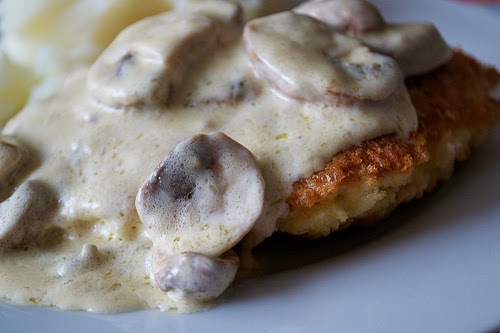
Chicken Milanesas with Creamy Mushroom Sauce


This dish, in Argentina, is called ‘milanesas de pollo al champiñón‘. It’s quite creamy and decadent, but you don’t need to have the billowing creamy sauce if you don’t want to. Easy to make, and it really hits the spot. 

Dulce de Leche and Chocolate Cake


Oh my goodness. Probably the best cake I’ve ever made. It was inspired by a birthday cake my husband told me about. Real chocolate sponge cake, sandwiched together with thick dulce de leche pastelero and then topped with a rich chocolate ganache. I’ve said enough, haven’t I? 

Choripan – and Black Pudding Beef Burgers with Salsa Criolla


I thought I’d miss the beef when I returned from Argentina. But I missed the chorizo sausages a whole lot more. Dense pork sausages pressed into a crisp, white roll and then daubed generously with chimichurri salsa. Gorgeous. I made them for my World Cup Party, along with some beef burgers topped with a slice of black pudding (morcilla) and some crunchy salsa criolla. 

Dulce de Leche and Clotted Cream Scones


This was the aforementioned British-Argentine mash up. I had some dulce de leche on the table and I’d served up some clotted cream and jam for some friends to spread over their scones for pudding one afternoon. One of them grabbed the dulce de leche and used that instead of the jam. A new love affair (as if you needed an excuse for one) with dulce de leche was born that day. And no one kept to their diet for the rest of that day. 

Milanesas a caballo (Beef milanesas with a fried egg)


We Brits think we’ve got it covered with eggs and bacon. Or black pudding. But I don’t think we often have it with beef. And it’s divine. Thinly sliced steak, covered in a crisp breadcrumb coating and then fried – and served with an egg on top. ‘A caballo’ literally means ‘on horseback’, representing the egg sitting atop the sizzling piece of beef. 

Pizza Provenzal


This is pizza, but it’s a kind of cross between a Margherita pizza and garlic bread. Parsley and garlic and scattered over the top at the end. I ate so much of it while I was there. I gained weight. Obvs.

Garrapiñadas (caramelised peanuts)


Addictive. Crunchy. Sweet. Salty. Warm. OK, I know I’ve got you. They only take a few minutes to cook, and all you need is a frying pan, some peanuts, sugar and water. 

Asado


If you’re going to cook an Argentine-style asado, you’ve got to do more than slap a couple of burgers and some chipolatas on the barbecue. I wrote this guide on what to eat at an asado – chicken legs seasoned with lemon, garlic and parsley; kidneys; choripan and beefy joints of meat. 

Empanadas


Beef empanadas are so typically Argentinian. I love them, with their filling of minced beef, hard boiled eggs, olives and onions. But then there are tuna empanadas too. Oh, I can’t choose. Have both. 

Quick facturas


Little bite-sized pastries filled with membrillo (or dulce batata) and then drizzled with icing. Easy to make with ready-made pastry along with a sip or two of mate, Argentina’s national tea.

Salads

Argentines are quite creative with their salads. There are quite a few to choose from – try ensalada rusa with diced carrots, peas and potatoes – or a simple carrot and egg salad. Or a glorious (and prettily presented) salad of lettuce, egg mayonnaise and olives. Choices, choices… 

I’ve written two ebooks on the food of Argentina – check them out on Amazon (affiliate links): 


Wednesday, 9 July 2014

New Study Finds Cheese Doesn’t Give You Nightmares (Hurray!)

A new study announced by the British Cheese Board last week could debunk the idea that eating cheese before bed can give you nightmares. 

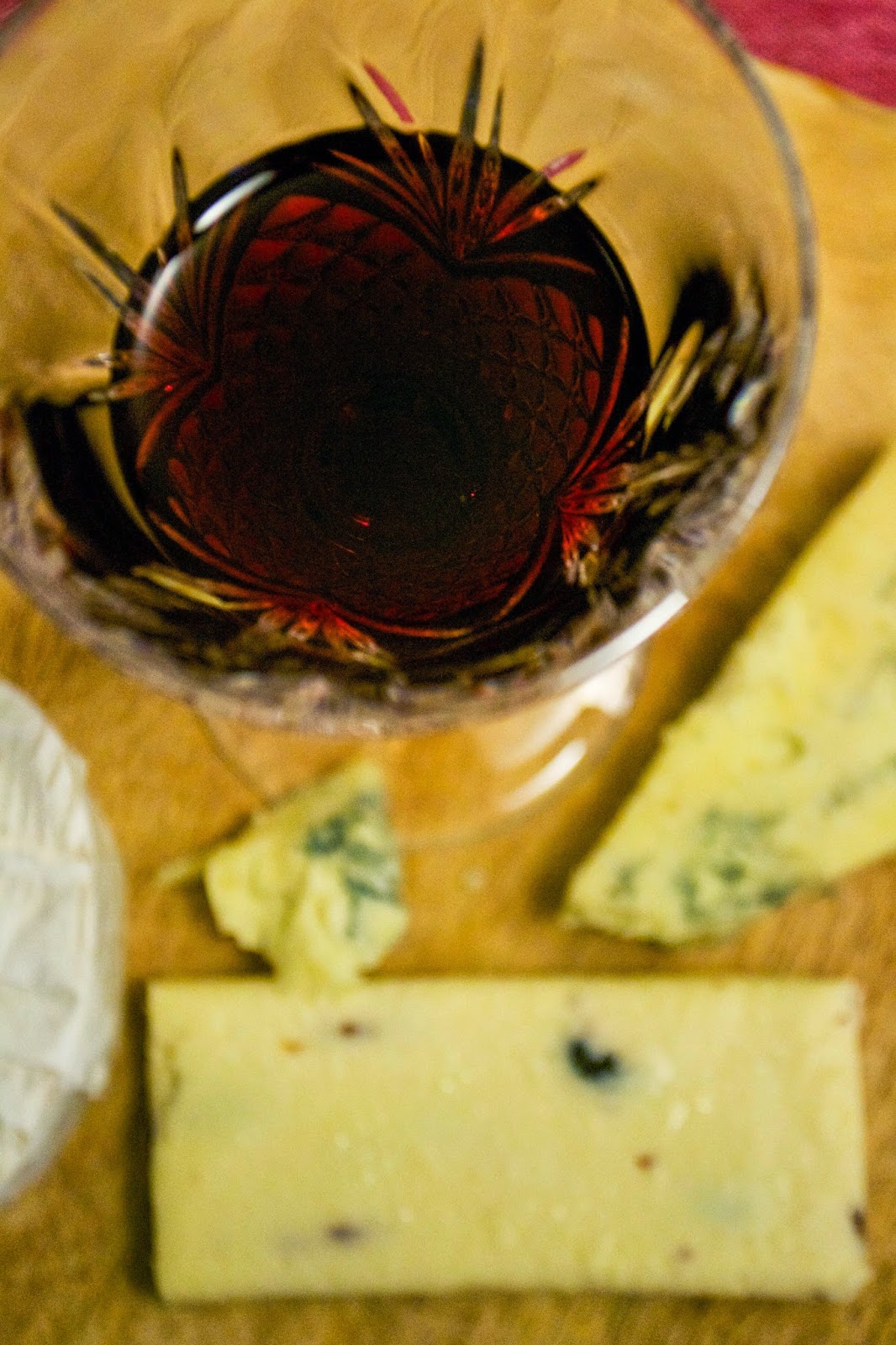
The study was carried out with students from Middlesex University, who were asked to rate their night’s sleep after eating one of the following cheeses: Wensleydale with cranberries, Blue Stilton, Red Leicester, Brie and Cheddar. They were also given a placebo vegan cheese. 

The results showed that those students who ate Red Leicester and Wensleydale cheeses seemed to have a deeper sleep than usual, while those who ate Brie reported finding it easier to sleep and also had more romantic-themed dreams. 


Cheddar-eaters had fewer dreams than usual –  and Red Leicester-eaters had ‘more colourful and vivid’ dreams. Nigel White, Secretary of the British Cheese Board said he hoped the findings would ‘reassure the nation’ while Sleep Expert Professor Ian Hindmarch said: 


“The relationship between cheese and sleep is a particularly complex one, but it was interesting to see that the study suggested no causal relationship between eating cheese and nightmares.

“Tryptophan, one of the amino acids found in cheese, has many positive effects on mood and sleep. It could well be that the different effects of various cheeses on dreams and sleep found in this study are due directly to the effects of this substance. Overall, this study suggests that in changing the levels of tryptophan, cheese can assist in improving our mood and help to promote a good night’s sleep.”


Monday, 7 July 2014

Celeriac Fries

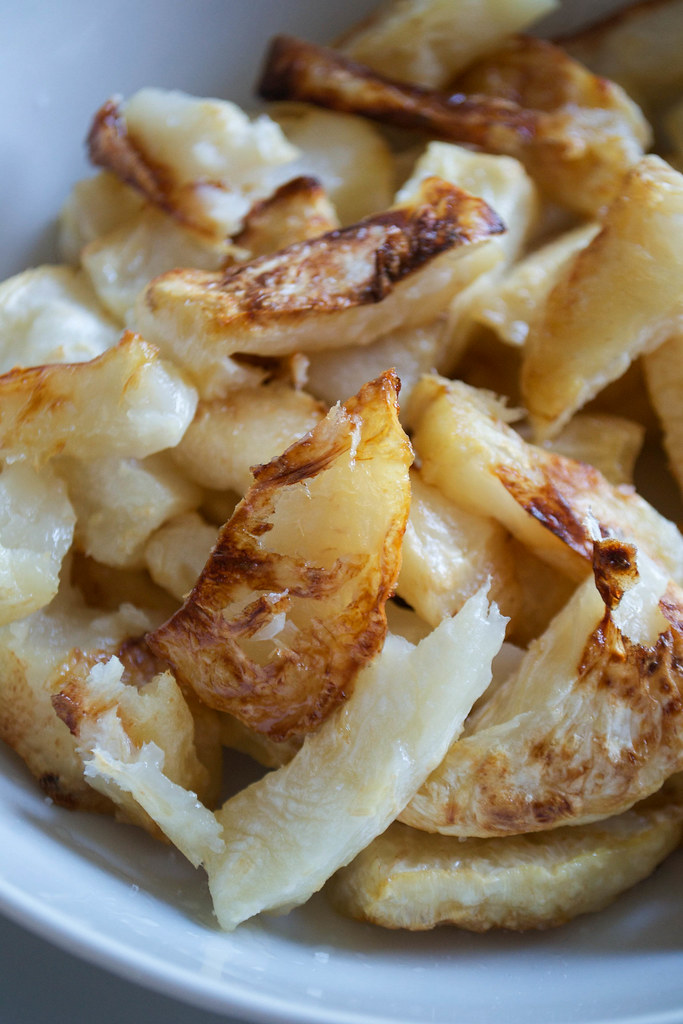
Don’t ask me why I never tried celeriac fries before. They’re gorgeous. 

Golden on the outside and soft and dreamy in the middle. Sprinkle with a pinch of salt and eat them straight from the oven. You could even make a lovely garlic mayonnaise to dip them in, if that’s your thing. We ate ours with some roasted prawns but they’d go really well with lamb, too. 

Sorted. 


aip paleo celeriac chips fries in bowl

How to make celeriac fries
Take one celeriac root and peel it – including any knobbly bits that remain after it’s peeled. 

Heat the oven to gas mark 6/200ºC and drop a teaspoon or two of coconut oil (or your favourite cooking oil) onto a shallow roasting tray. Slide it into the oven to warm up, while you cut the celeriac into chips. 

Take the tray out of the oven and arrange the celeriac fries in one layer. Sprinkle with a little salt and roast for 40 minutes, until golden and tender in the centre. Eat while hot. 

Friday, 4 July 2014

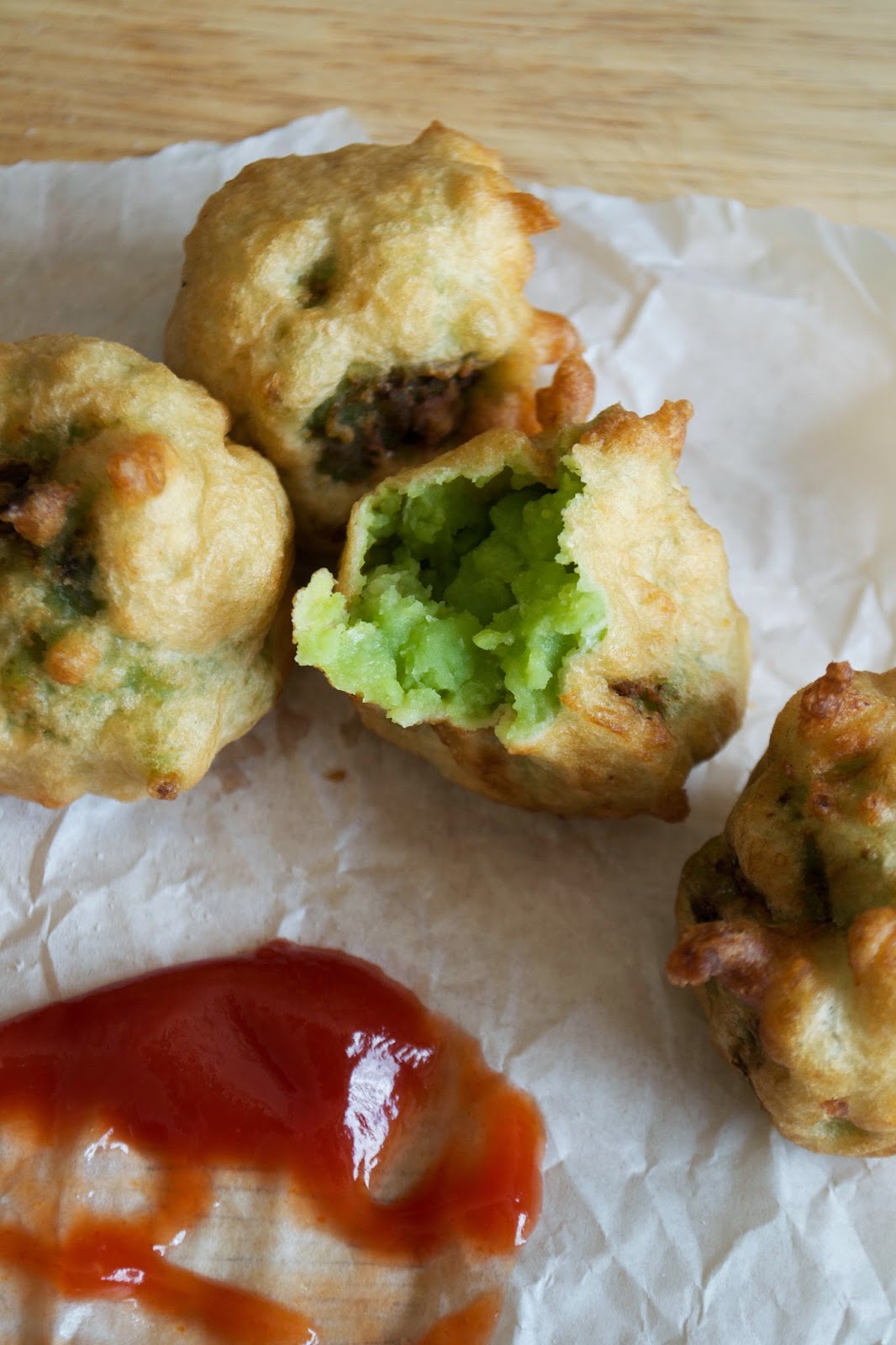
Proper Fish and Chip Shop-Style Pea Fritters

Pea fritters are so British, aren’t they? Mushy peas packed into a ball and then deep fried in batter. I used to love them when I was at college – they were cheap, hot and filling, especially when dredged in salt and vinegar. 


Recipes online seem to focus on trendy ‘versions’ of the chip shop style pea fritter – like fresh minted garden peas folded into a batter and then fried a bit like patties. And probably served alongside a pan-fried sea bass fillet or something. No thanks. I wanted a mushy pea ball of luminous green with a crisp, battered shell. Just like the old days. And my sister – who used to work in a chip shop – was only too happy to help me out with some insider tips. And here’s how you do it. 

How to Make Proper Fish and Chip Style Beer-Battered Pea Fritters

Open a can of mushy peas (yes, this is as glamorous as it gets and honestly, it gets worse). Scoop out the mixture and squeeze it with your hands until most of the watery juice trickles out (see, I told you it gets worse). Drop this mixture in a bowl and add a pinch or two of garlic salt. You will now need to wash your hands. 

Combine about 50g plain flour and a little beer (or you can use sparkling water if you like) until you reach a batter consistency that’s a little thicker than single cream. Chuck in a little pinch of salt. 

Add a couple of tablespoons of plain flour to a shallow bowl. Put to one side. 

Pour some oil or lard for deep frying into a saucepan until it comes up to about one third full. Set it on the heat, until it gets up to 185ºC or until a little drop of batter sizzles and turns golden. 

Roll the mushy pea mixture into small balls, about the size of golf balls and then roll lightly in the flour. Dip into the batter and lift, letting the excess batter drip off. Drop gently into the hot oil (I place it on a slotted metal soon first and then lower it in to avoid splashes or me burning my hands). Fry, in a couple of batches – don’t try and fry them all at once, you won’t have room and the oil might bubble over – for about 3 minutes, or until golden. Lift them out and drain on kitchen paper. 

Cool a little bit before sprinkling with salt and shaking some malt vinegar over. Careful – they’re hot in the middle! 


Wednesday, 2 July 2014

Slow-Cooked Lamb Shanks with Paleo Mint Sauce

Lamb and mint sauce. It’s such a staple British combination, like roast beef and horseradish, or salmon and dill. The only problem with mint sauce is that shop-bought ones typically have quite a bit of sugar in them. 

If you’re reducing your sugar, or if you’re on a healing or paleo-type diet, it doesn’t mean you can’t enjoy your Sunday lamb though. I’ve put together a paleo version of mint sauce, using apple cider vinegar and also honey as the sweetener. 


Slow-cooked Lamb Shanks with Paleo Mint Sauce
Serves 4
Ingredients
2 large lamb shanks
one large bunch of fresh mint
1-2 tsp cider vinegar
a few drops of boiling water, from the kettle
half a teaspoon honey
salt

Method
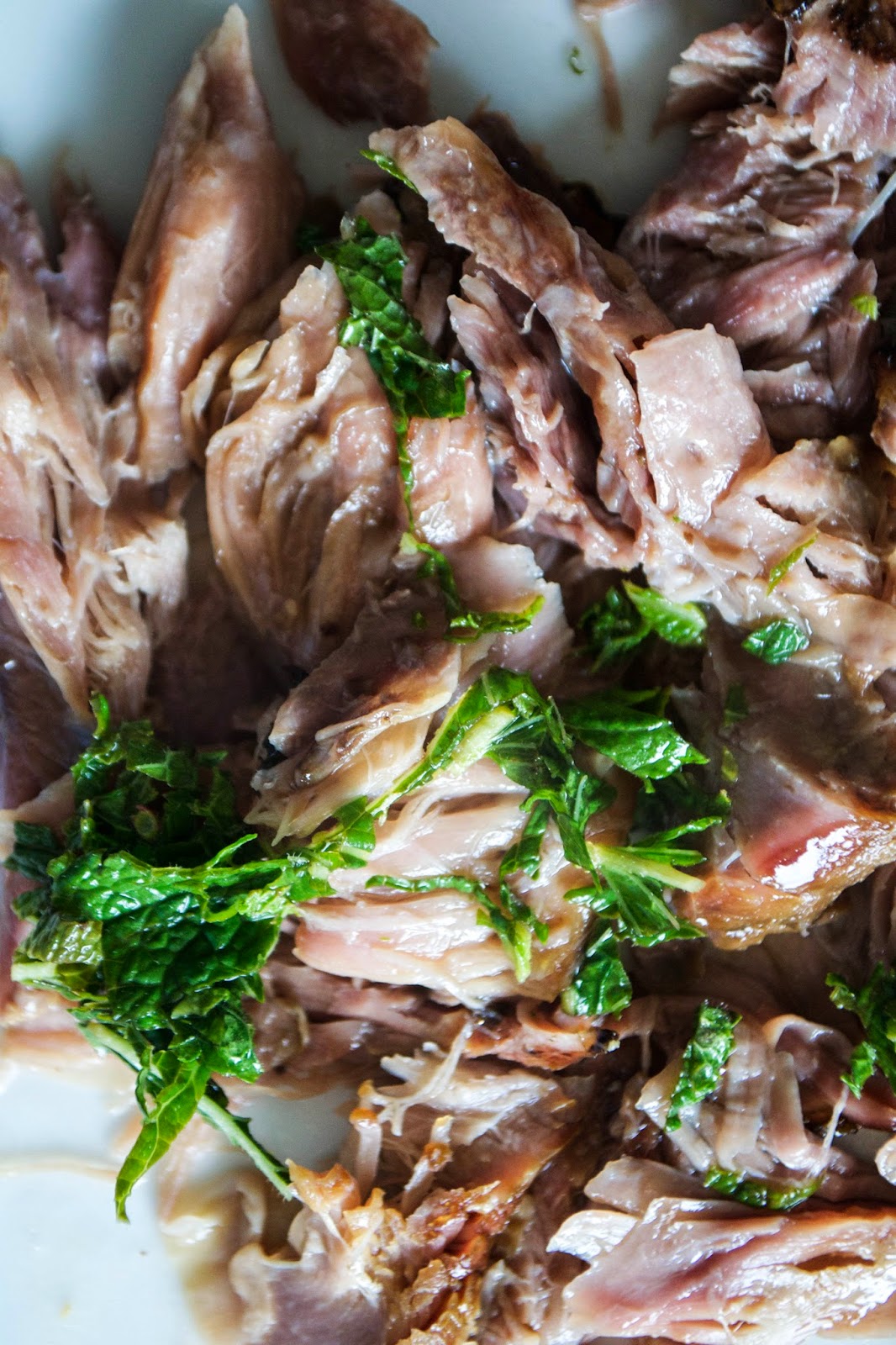
First of all, you’ll want to cook your lamb. Set your slow cooker or crockpot to high and just drop in the lamb shanks. Replace the lid, and cook for around 5-6 hours, or until the lamb is very tender and falls off the bone. 

Shred the meat into chunks and arrange on a serving plate. 

To make the mint sauce, just pull the mint leaves off their stems, wash them, and then chop them quite finely. Place in a bowl and add a few drops of boiling water – just enough to moisten them. They’ll start to soften in the heat. Add a teaspoon of the apple cider vinegar and the honey and stir. Add a pinch of salt to taste. Have a quick taste (with a chef’s perks piece of lamb, if you like) and add a little more vinegar if you think it needs it. 

Serve straight away, while the lamb is still hot. 


LinkWithin

Related Posts Plugin for WordPress, Blogger...