Thursday, 28 February 2013

10 Ways with Mashed Potato

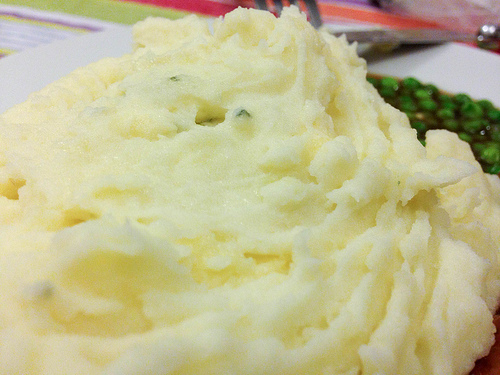
I remember going to Chepstow racecourse once, with some work colleagues en route to a Christmas ‘do’. I didn’t win any money that day, but I did get to see John McCririck and I also had a bit of a food revelation. It was winter, and there was a little stall, selling sausages and gravy but with lots of different flavours of mashed potato. It made me wonder why so many of us settle for plain, buttery mash all the time, when you could (as Jamie Oliver would say) ‘pimp it up’ with spicy, warming, earthy or other savoury ingredients. Although there are definitely moments when a pile of soft, buttery mashed potato will only do, here are ten ways you can flavour your mash, should you get the urge: 

blue cheese mash

Roasted Garlic 
Place a whole head of garlic on a baking tray and drizzle over a little olive oil. Loosely cover the bulb in foil and bake for about half an hour in a 200ºC oven. Take off the foil and squeeze the soft, aromatic flesh from the cloves and whip it, still soft and hot, into mashed potato. Just use as many cloves as you need to get the flavour you like. Taste and then season with some salt. Lovely with lamb. 

Mustard (à la Nigel Slater)
In Real Food, Nigel Slater offers up his ‘best ever mash’. A perfect mash, he says, must be ‘fluffy, yet rich with butter. There should be no lumps and it must stand in soft, creamy clouds, not slouch all over the plate like a ripe cheese.’ The next mash recipe he gives is seasoned with parsley and mustard, with a few spoonfuls of creme fraîche, which sounds heavenly. I’m already craving roast chicken to go with it. 

Mascarpone (à la Nigella)
When Nigella showed us, on Nigellissima, how to beat mascarpone cheese into mash to make it soft, white and creamy, she totally changed the way we cook mash at home. Our now ‘ordinary’ mash is this: pale, creamy, fluffy and the perfect consistency. If I ever need mascarpone for a recipe and I know I’m not going to finish the tub, I plan mashed potatoes for tea the following night, to use it up. You just need to beat in a tablespoon or two (without  adding butter or milk) and you’ll notice a big difference.  

Cheddar and Chilli Flakes
My mother often used to dish up cheesy mash for our dinner when we were young, and my childhood was probably defined by a pile of lumpy but stringy, cheesy mash alongside most things we ate. We loved it, and dipped forkfuls of it into tomato ketchup. Well I’ve ditched the tomato ketchup now, but I’ve added chilli flakes. Their peppery heat contrasts beautifully with the soft potato and the creamy, sharp flavour of the Cheddar. Go easy though, especially if you’re eating with kids – just a pinch or two will add flavour. This is surprisingly good also with white fish. You could also add a handful of chopped parsley in, too.

Blue Cheese
One of my favourite ways to eat mash, especially with a pile of sticky pork sausages. Just cut off a slice of blue cheese (Stilton, Gorgonzola or something milder, like Blacksticks Premier Cru), breaking it up as you chuck it into the pan of mashed spuds. Beat with a wooden spoon, or a whisk and it’ll melt beautifully into the potatoes. Keep tasting and adding more cheese, until you’ve got the flavour right for you. As well as differing in strength, blue cheeses are also quite salty, in general, so taste and season after you’ve added the cheese. 

Saffron
In Feast, Nigella Lawson offers a New Year recipe for Sea Bass with Golden Mash. The mash is golden, because it is infused with saffron as well as the usual milk or cream and butter, although she does say you can try turmeric instead. She says she used saffron because it is the ‘traditional feast-day spice, conjuring up celebratory extravagance and exotic aroma.’

Greens
Think of the Irish ‘colcannon’ – the mashed potato dish with kale or cabbage stirred into it; or ‘champ’: mashed potato with spring onions stirred through. Greens go really well with mash, and bubble and squeak is one of my favourite ways to use up leftovers, topped with a poached, runny-yolked egg. Try  greens such as spring onion, cabbage, curly kale, chives and parsley, too. 

Olive Oil (à la Jamie) 
In Cook with Jamie, Jamie Oliver makes mashed potato with olive oil, in addition to a little butter, salt and pepper and also a grating of Parmesan cheese. I tried this, and found that it still lacked the richness you’d get with milk or cream and butter – much more of a ‘healthy’ type of mash. And the flavour of the olive oil really does come through, which is great if you like olive oil, but not so much if you don’t.

Big Veggie Mash Up 
Yes, I know this was all about mashed potato, but there are other things to make mash with, you know. We went mad for butternut squash mash for a bit, and now we’re mashing up sweet potato – or a combination of both. Obviously, you can also mash half potato and half swede, or use butternut squash, sweet potato or celeriac too, to add sweetness and colour to your mash. And I love mashed cannellini beans, with a little olive oil and a grated clove of garlic. 

Semolina (Mock) Mash
Nigella again. In Nigellissima, she made ‘Mock Mash’, which was actually semolina made up with milk, butter, nutmeg and Parmesan until creamy. I liked it, but my kids weren’t fooled – it has a sweetness which isn’t at all off-putting, but the skin it forms on top is a bit, if you leave it out too long. If you make it, dish up quickly and serve hot. 

What are your favourite ways to cook mashed potato or other mashed veggies? 

Wednesday, 27 February 2013

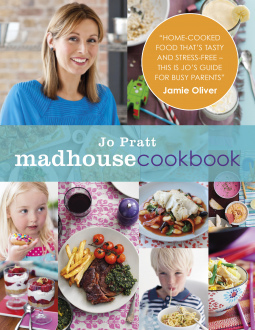
The Madhouse Cookbook by Jo Pratt

From time to time I pop into Waterstone’s when I’m in town, and pick up one of the new, modern cookbooks with its minimalistic-designed cover and just have a thumb through. I gaze at the beautifully photographed dishes and skim through pages of recipes with their long lists of ingredients that you have to (mostly) buy on the internet. I stay there for a bit, because I know I will never buy this book. Anything with more than around ten ingredients and eight steps to the method is, in the real world, no use to me. Cooking during the week is usually manic. I’m all too often simultaneously sieving tomatoes, watching boiling pans and chopping vegetables while while one of my girls constantly pulls at my clothes asking for a banana/chocolate digestive/some pasta while the other one is telling me she’s upset because a friend didn’t talk to her that day.


Madhouse Cookbook
Madhouse Cookbook by Jo Pratt

And so when I saw this book, I have to admit, I was kind of hooked (on the idea at least), even before I turned the first page.

We all know Jo Pratt from the telly – I remember her mostly on screen Saturday mornings, cooking with Anthony Worrall-Thompson. Well, in this book, she talks about how she used to spend hours planning and cooking for elaborate dinner parties, sourcing rare ingredients and the like. Since she had children, she’s had to come up with a repertoire of quick, simple and child-friendly meals that they can all enjoy together.

There are smoothies (the banana and peanut butter one was a firm favourite with us), quick meals (that don’t just involve pasta) and desserts. There’s also a section for ‘grown ups only’, for those evenings when you want some time either to yourself or with your other half, after the children have gone to bed. Jo identifies that you also need that time as well, which is great as I think it’s often too easily missed.


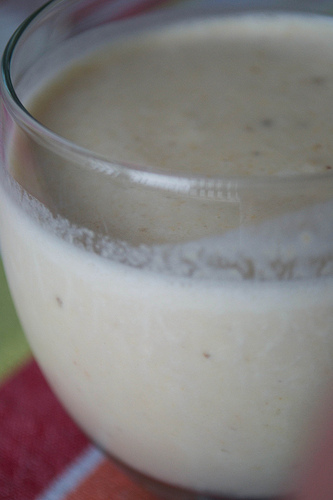
banana and peanut butter milkshake
Jo Pratt’s Peanut Butter and Banana Smoothie

I love a cookbook author too, who talks to you through the pages as if you’re standing right next to them, and this is true here. Where possible, there are freezing and storage guidelines after each recipe, and tips for converting the leftovers into another meal the next day.

I think there are many parents that will identify with this book – I remember when my eldest child was very young we used to cook her meal separately and eat by ourselves later in the evening. But I never did it with my second daughter, because I realised it wasn’t necessary. I know many families that cook the kids’ meals separately, at about 5pm and then settle down to eat a ‘grown up meal’ by themselves at around 8pm. But why cook (and wash up) twice? Families can all eat together if you pick the right kinds of foods. And in this book it’s not all bland flavours and burgers with some carrot sticks alongside. As well as dishes like ‘fishfinger wraps’, Jo uses more unusual flavours too – chorizo with chicken; walnuts and blue cheese with pasta; Moroccan-spiced lamb – it’s great to get kids used to flavours such as these.


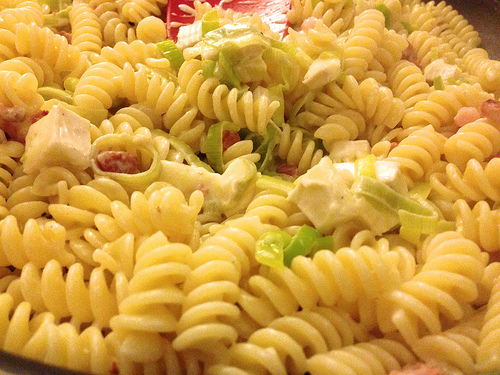
jo pratt pasta with brie bacon leek
Jo Pratt’s Bacon, Leek and Brie Pasta

I enjoyed it, and I’ll cook more recipes from it in the future. There’s a great recipe for filo pastry sticks filled with Nutella, which I’ll get round to trying soon, for a start. During the week, this is a cookbook that fits into my life and means I’m not pushing the girls out of the kitchen while I poach an egg using four different utensils and a thermometer. They’re in there with me, blending smoothies and keeping an eye on the stew. Brilliant.


(affiliate link)


Tuesday, 26 February 2013

Crockpot Jacket Potatoes vs Oven Baked Jackets

You may remember that I referred to jacket potatoes ‘baked’ in the slow cooker in my post about unusual crockpot recipes. Ever since then I’ve been wondering how it compares to a good old fashioned oven-baked spud. Would the skin be crisp? Would the potato be fluffy inside? Would it taste any different? Well, I got on and made them, and I found that they are quite different to a regular oven-baked potato. 

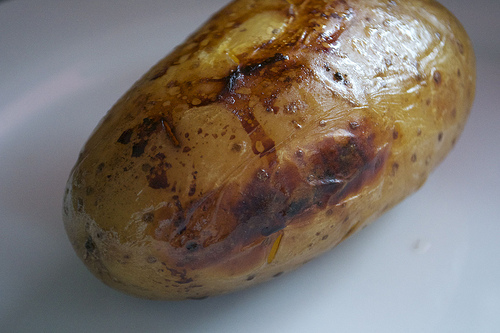
baked potato in slow cooker

Firstly, as I expected (because the slow cooker works by cooking everything with liquid or steam), the potato skin was not crisp. The long, slow cooking time basically steamed the potato whole, so it was just like a giant boiled potato really. It caught a little on the bottom where it was sitting on the crockpot’s base, but that was about it. No satisfying crunch as you cut through with your knife. 

The inside of the potato was quite firm, again not overly fluffy, but like a boiled potato. It cut cleanly in half. 

But there are benefits. One is fuss. You just prick the potatoes with a fork, rub with a little olive oil and sprinkle with a little salt and then chuck them in the slow cooker. Replace the lid and leave for four hours on high. Less than five minutes preparation and then you forget about it for four hours, or until you’re hungry. 

The other is money. There’s that often-quoted claim that a slow cooker runs on a similar amount of electricity to a lightbulb, so it’s a much more cost effective cooking solution. Compare that to having your oven turned up as high as it’ll go, and blaring away for an hour or so. Environment-wise, I’m sure the slow cooker wins on this one.  

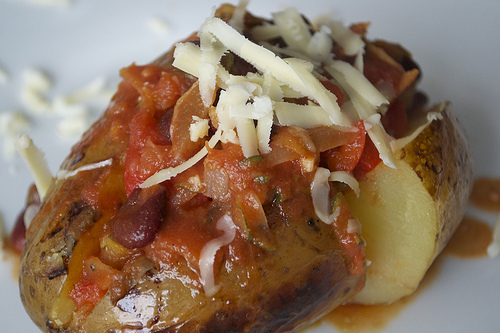
jacket potato with veg chilli

But if I’m honest, for taste and texture, the oven method really wins overall for me. I love the crisp skin on a baked spud – I look forward to its crispiness when I’ve schnaffled up all the fluffy, buttery potato flesh inside. The crisp skin lends a flavour of its own, which is completely lost when you slow cook the potato. If I was busy in the day, or if it was summer and I didn’t want the oven on for an hour on full blast, I’d still cook potatoes in the slow cooker. You wouldn’t really care once you got your toppings on. But for the perfect baked potato, I’m sorry crockpot fans, it has to be blasted in the oven. 

Have you ever cooked jacket potatoes in the slow cooker? 

Monday, 25 February 2013

Tilda Limited Edition Vintage Basmati Rice

There are so many different types of rice, aren’t there? Among others, there’s sushi rice, long-grain rice, brown rice, arborio rice and basmati rice. Basmati has long been my favourite rice to serve up with a curry. It seems to soak up the sauce better than the shiny, straight long-grain rice, and anyway I like the way basmati curls up a little bit. Lovely. But thanks to Tilda, you can now take it one stage further. 

Tilda vintage 2006

You see, rice farmers apparently tend to keep back a good rice harvest to serve up with their families on special occasions… and 2006 was a recent good harvest. Tilda kept back this harvest, but decided to share it with us instead of keeping it all to themselves, so we can see (or taste) what the passage of time does to basmati rice. 

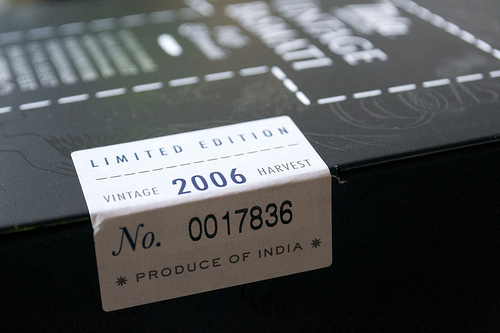
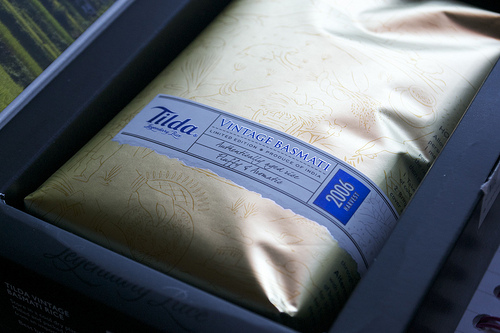
First of all, you realise you’re in for something special from the packaging. A matt black sealed box. You open it up, and you get 500g of the vintage rice, in gold packaging. And, just when you thought rice was getting just a little bit too showbiz for its own good, you open the pack and take in the aroma of the contents. 

Tilda vintage pack basmati rice

The vintage rice has a deep nuttiness – almost a ‘toastiness’ to it. Uncooked, they don’t look much different from the regular grains of basmati I buy but once they’re boiled, you notice that the grains stay more separate, are more fluffy and have a sweeter, somehow richer flavour. A really good rice for a special occasion, or for a bit more indulgence to your regular curry night. I honestly never knew that rice changed its flavour and texture once it had aged. 


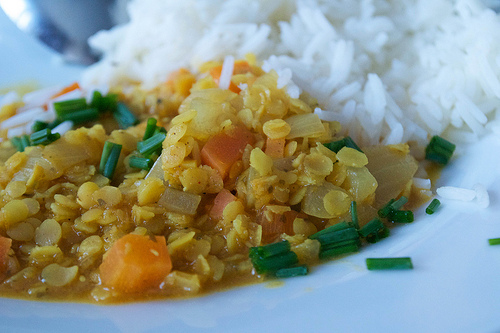
red lentil and carrot curry
White, fluffy Tilda Vintage Basmati rice alongside a mild lentil curry…
Find out more about Tilda’s rice here, as well as recipes from TV chef Jo Pratt… 

 
Have you tried the limited edition basmati rice? What did you think?

Friday, 22 February 2013

Tips for Perfect Chips

It’s National Chip Week this week, and if you’re wondering how to make the perfect home-cooked chip, then check out this advice from award-winning chip shop Quayside in Whitby. They’ve won a top three spot in the Independent Fish and Chip Shop of the Year Awards for the last three years running – so it’s fair to say they know their chips.

Although it’s thought that fish and chips as we know it now originated in nineteenth-century Britain, some people reckon that chips have their roots (no pun intended) in seventeenth-century Belgium. One story goes that a popular food in Belgium at this time was small, deep-fried fish, but when they couldn’t get fish, they’d cut potatoes into small ‘fish-like’ pieces and fry them instead. 

If you’re frying your chips, then check out these tips, from Quayside owner and manager Stuart Fusco. All these tips will still apply (except for the deep-frying bits) if you’re cooking your chips in the oven, which is obviously the healthier option. I find that drying the chips well after soaking and then cooking helps them crisp up a lot after they’re cooked. 


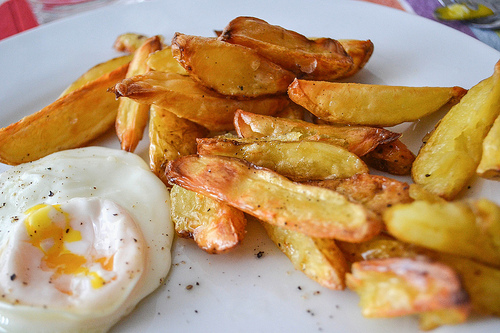
egg and home cooked oven chips

Tips for Making the Perfect Chips:

The Shape
Make sure you cut your chips into equal pieces so they cook evenly – the thinner they are the more fat they will absorb so thick cut are best. Stuart reckons Maris Piper are the best potato variety for chips.

Chill out
Rinse under cold water so you can remove excess starch. Even better, soak them overnight in water and pat dry – this means your chips will be lovely and crispy once fried.

Small fry
Heat a deep-fat fryer, or carefully add your chosen oil to a heavy-bottomed pan (we believe beef dripping gives the best flavour!) and use a thermometer to check it’s the right temperature – 130C is best. Don’t leave unattended.

Crisp up
Using a slotted spoon pop your chips in and stir gently. Fry for around 10 minutes, or until cooked through – you want them crispy on the outside and fluffy in the middle, so don’t wait until they’re brown! Remove and drain on a few sheets of kitchen towel.

Twice-cook
When you’re ready to eat, reheat the oil to around 180-190ºC and lower your chips in and cook for a further 4 minutes, or until golden. Serve with a dash of vinegar and a sprinkle of salt. 

If you prefer to cook your chips in the oven instead, follow the preparation advice above but spread out your chips in one layer on a tray lined with a little greaseproof paper. Bake for 25 minutes until golden and crisp. For more advice, check out my post on making great oven-cooked chips. 

Thursday, 21 February 2013

Chunky Kit Kat – The New Flavours

You’d have to have been hiding under a rock not to have noticed the new £5m Kit Kat Chunky campaign for their new flavour. There are adverts showing characters dressed as super heroes – one for each flavour – and big displays in shops and supermarkets. The winner of the last campaign was Peanut Butter flavour – a deserved win, and one of our favourites. 

And with the flavours up for grabs as coconut, chocolate fudge, mint and hazelnut, I was intrigued. And I would have bet money that hazelnut would be my favourite, even before I peeled open the first packet. 

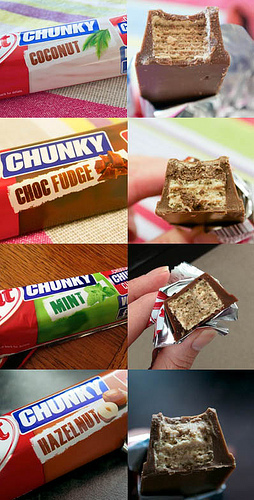
Firstly, you’ll see from the pics below that the Kit Kats don’t look massively different from one another. I kind of expected the coconut one to have a white layer inside, and the mint to have a lurid green stripe through the centre, but I was quite glad that it didn’t. 


chunky kitkats

The coconut flavour in the first one I tried wasn’t as strong as I thought it would be – it was definitely there, but nothing like as coconutty as a Bounty, for example. The choc fudge had sold out in all my local shops when I went to buy one, which is a telling sign, as finally when I managed to track one down, it was very good – a bit like the caramel Kit Kat Chunky, but with a much deeper, pronounced flavour. The hazelnut was good, but had a lingering aftertaste that I didn’t exactly love. But the mint flavour was the real surprise – a fresh, menthol flavour that worked so well against the mint chocolate and crispy wafer inside. I have to say, it was my favourite, followed by the chocolate fudge. 

I wonder whether this ‘X-Factor for Kit Kats’ will be an annual event for Nestlé. Letting the people choose, as Simon Cowell has realised over the years, takes out a lot of the risk over whether people will love or hate a new product, whether that’s a new pop star or a chocolate bar. And we all love it too, because it’s all a bit of fun which involves chocolate. Check it out on Kit Kat’s Facebook Page

Have you tried any of these flavours? Which is your favourite, and which do you think will win its permanent place on newsagent’s shelves? 

Monday, 18 February 2013

Crockpot Recipe: Slow Cooked Butterflied Leg of Lamb

One Sunday my husband decided: ‘I fancy lamb. I’ll go and pick it up and we’ll have a big roast dinner.’  What he meant was, he fancied eating a roast lamb dinner and wanted me to cook it for him. So I sent him off with a shopping list and he came back with a butterflied leg of lamb. 

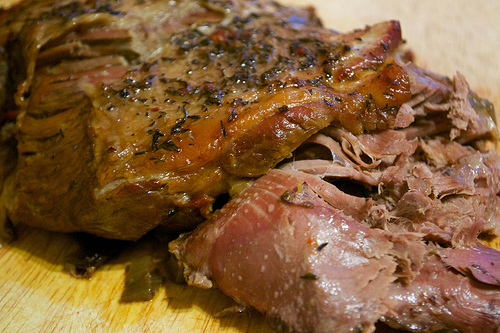
slow cooked lamb slowcooker

It’s still (for me) too close to Christmas to be having the oven blaring, juggling trays of roast potatoes and peeling huge quantities of veg so the lamb was going to be cooked very gently, in the slow cooker. And after the success of the burrito-style beef brisket that I cooked without any liquid, I thought I’d give it a go with the lamb. It was, as I expected, completely wonderful. I’m cutting back a little on red meat at the moment, and so if you’re going to have it on a rare occasion, you might as well have it like this. 

Slow-Cooked Butterflied Leg of Lamb
Serves 5, with extra for sandwiches (and chopping board pickings)
Ingredients
  • Approx 1kg butterflied leg of lamb
  • sea salt and pepper (I like the Cornish sea salt’s ‘luxury salt and pepper’ with red pepper flakes)
  • pinch of dried thyme
  • Olive oil
  • 1 onion, peeled and sliced
Method
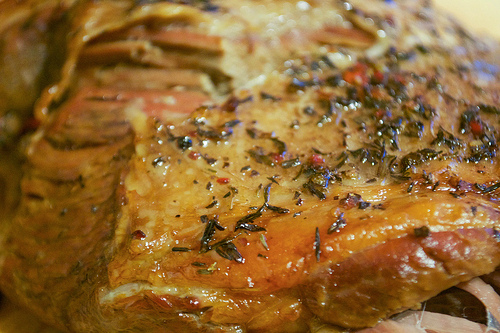
Switch your crockpot on to the ‘high’ setting. Scatter the slices of onion over the bottom of the crockpot and lower in the lamb. Rub the lamb well with salt, pepper, the dried thyme and a drizzle of olive oil and replace the lid. Leave to cook for 5-6 hours, until the lamb is meltingly tender all the way through. Transfer to a board and shred roughly, basting with a tablespoon or two of the cooking juices (skim the fat off first) or make your own gravy to serve alongside. 

slow cooked lamb

Friday, 15 February 2013

The Best (and Worst) School Dinner Memories

School dinners. Personally I loved them. And as I’ve said before, they were usually for me, the best – and most nutritious – meal of the day. And many of us have really strong memories of the food we were served at school. BBC Good Food Magazine and Friends Reunited even conducted a survey on what we thought of our school dinners and came up with a ‘top 20 hate list’ (bit harsh). They were: 

1 Tapioca
2 Cabbage
3 Overcooked veg
4 Lumpy mash
5 Lumpy custard
6 Liver
7 Semolina
8 Fatty/grisly meat
9 Blancmange
10 Beetroot
11 Spam fritters
12 Gravy
13 Macaroni
14 Butterbeans
15 Mince
16 Fish
17 Peas
18 Stew
19 Carrots
20 Sprouts

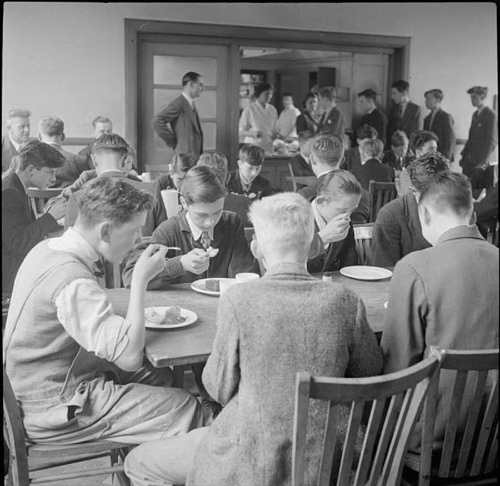
Technical_School-_Training_at_Tottenham_Polytechnic,_Middlesex,_England,_UK,_1944_D21388
Students (hopefully) enjoying their school lunch at Tottenham Polytechnic in 1944


You might have your own thoughts on some of these. For me, my Mum always cooked mash with lumps in so when we had it at school we thought it was wonderful because we didn’t know any different. It wasn’t until I was 25 that I met my husband and he made me soft, silky mash with lots of butter and hot milk beaten in. I married him. Quickly. 

And although a lot is made of mushy carrots and boiled grey cabbage, I’ve had my daughter’s friends round for tea and they’ve left carrots that still have some bite to them and peas that are still bright green. They like the sweeter, softer veg that’s been cooked more. I often wonder then, if it’s how we look back judgementally at our school dinners comparing them to what we like now, rather than looking back at them and how much we liked them at the time. 

But there were some good things about school dinners, weren’t there? I asked some lovely people of Twitter to comment on their memories of lunchtimes at school. Sarah @MaisonCupcake was first in. ‘Fish and chips on Friday’ she suggested, a favourite of my children even now. In fact my daughter’s teacher told me that more children at our school opt for school lunches on ‘fishy Fridays’ than any other day of the week. @OakwoodCupcakes remembers ‘roast lamb, potatoes and greens with gravy and mint sauce – yum!’ while @knittymummy fondly looks back on her school’s cheese flan. 

@Jaxies remembered her school serving lamb curry which she liked, but ‘which oddly had raisins in it’ – while @Recipejunkie27 reminisced on ‘semolina with brown sugar sprinkled on top – none of this healthy eating nonsense’. @KathrynBatten remembered sweet and sour pork, adding ‘rice pudding was fav dessert!’. @bigmetalspoon had other favourite puddings: ‘chocolate sponge with chocolate custard and Manchester tart’. But for @GreedyRosie there were no happy memories of school lunchtime food: ‘can’t think of one’, she tweeted. ‘I hated them passionately.’ 

What memories do you have of your school dinners? Did you love them or do you agree more with the Top 20 hate list above? 


Thursday, 14 February 2013

Sweetcorn, Avocado and Lime Quesadillas

I realised how well-matched sweetcorn, avocado and coriander were when I made Bill Granger’s sweetcorn pancakes with avocado salsa for breakfast one morning. I was hooked on the combination of citrussy lime, creamy avocado and fragrant coriander, along with sweet crunchiness of the corn. 

So, on the lookout for something quicker to make, I decided to use these flavours in a quesadilla filling. This is perfect for using up any leftover cooked sweetcorn and takes just five minutes to put together. 

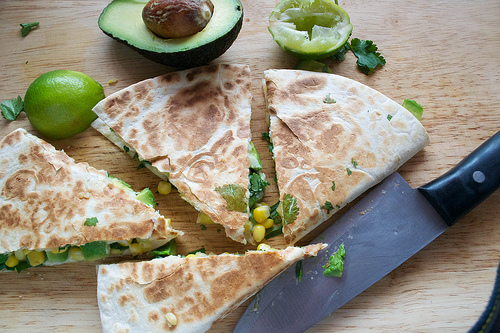
quesadillas sweetcorn avocado and spring onion-12

Sweetcorn, Avocado and Lime Quesadillas
Makes 1

Ingredients
1 tortilla wrap
half an avocado, diced
half a lime
1 small spring onion, chopped
handful cooked sweetcorn (tinned is good, but if using frozen, boil or microwave first)
pinch sea salt
small handful fresh coriander leaves
small handful Cheddar cheese, grated

Method
Lay the wrap out flat in front of you. In a bowl, mix together the diced avocado flesh, the sweetcorn, spring onion, lime juice and coriander and add a pinch of salt. Scatter over a handful of the cheese and fill half of the wrap with the sweetcorn mixture and fold over. Heat on both sides in a dry, non-stick frying pan for a few minutes until golden on both sides. Finally, cut into wedges and serve.

Do you have any favourite quesadilla fillings? 

Wednesday, 13 February 2013

Lemon and Dark Chocolate Muffins

Lots of things go well with lemon. Honey, blueberries, chicken, raspberries. But it wasn’t until I tasted a lemon and chocolate truffle that I realised its potential with chocolate. 

One particularly cold, rainy Sunday, I decided to adapt one of Nigella’s lemon and raspberry muffin recipes to include plain chocolate chips instead. I’ve reduced the amount of sugar to compensate for the chocolate, and used slightly less butter. It’s an unusual combination sometimes at first, but I love it – zesty lemon muffin studded with chunks of creamy, plain chocolate. 

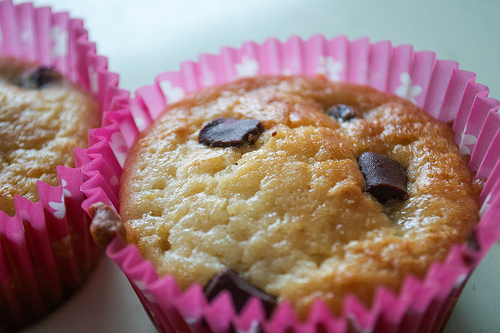
lemon and plain chocolate muffins

Lemon and Dark Chocolate Muffins
Makes 12
Ingredients

50g butter, melted
200g plain flour
2 tsp baking powder
100g caster sugar
good pinch of sea salt flakes
grated zest of 1 lemon, and its juice
150ml milk
1 large egg
60g dark chocolate chunks

Method
Preheat your oven to 200ºC. In a bowl, combine the flour, baking powder, caster sugar, salt and the lemon zest and stir well to mix. Scatter in most of the dark chocolate chunks, leaving a handful for later. Next, pour the milk into a jug and then squeeze the juice from the lemon over the top – don’t worry if it curdles. Crack in the egg and beat together with a fork. Pour the lemony-milk mixture into the bowl with the flour and mix until just combined (don’t beat it or you’ll end up with heavy muffins). Spoon into a paper case lined muffin tray and sprinkle the remaining handful of dark chocolate chunks on top. Bake for about 20 minutes, or until the tops are risen, golden and bouncy. 

Which ingredients do you think go best with lemon? 

Tuesday, 12 February 2013

5 Classic Food Adverts from the 1980s

There’s always some nostalgia about old adverts you used to see on telly as a kid… and it’s surprising how many jingles you will actually remember (and sing along to) when you see them again. Do you remember any of these? (Warning: three out of the five of these ads are for chocolate. I’m not sure if there were more chocolate ads aimed at kids in those days, or (most likely) these were the ones I paid the most attention to at the time….)

‘Hot Dog’ Heinz Ketchup 


This advert from around 1987 features a very young (and pre-Friends) Matt LeBlanc. And, really we all knew that perfect line of ketchup wasn’t made by that precariously-balanced bottle. 

Cadbury’s Finger of Fudge


You may remember this advert from 1985 – and don’t tell me you’re not singing along to the jingle, either.

Monster Munch


A packet of Monster Munch (always beef flavour, never pickled onion) was often slipped into my plastic He-Man lunchbox when I was at Primary school. They’re still around now, and they recently re-lauched their retro packaging. I loved them then, and still pinch a couple off the girls when I buy them now.

Milky Bar Kid – in Space


Although the classic Milky Bar advert is the Wild West one – I fondly remember this one from 1981. Milky Bars are on meeeeeeeee!!!

Trio 


I don’t remember the advert as much as the song: ‘I want a Trio and I want one now’ – again, a standard lunchbox treat during my early childhood, I have no idea why they stopped making them. I used to make it last longer by nibbling off the chunky chocolate and then crunching away at the caramel and biscuit. 

Which food adverts from the 80s do you remember? Did you remember any of these? 

Monday, 11 February 2013

5 Valentine’s Gift Ideas for Foodies

It’s Valentine’s Day this Thursday, and if you’re still rattling about looking for a thoughtful gift for your loved one, then look no further. I’ve come up with a few ideas – so you don’t have to rush to the late-night garage for a box of Quality Street on the 13th.

Check out these, hopefully they’ll inspire you, especially if your other half loves food, too…

Heart-Shaped Macaroons

226486

Don’t these look lovely? They’re made by On Pattisserie and come in flavours such as strawberry and chocolate, raspberry and rose and morello cherry and pistachio. You can buy them online at www.oncafe.co.uk or at their stall at London’s Real Food Market at the Southbank Centre (£16.50 for 12).

Edible Valentine’s Cards
These have to be a good idea. A Valentine’s card you can actually eat. The ‘card’ is made from a gingerbread or chocolate cookie base and is printed with a design on soft fondant icing. You can choose your design and they’ll also print a photo on it if you ask. Check out www.cakeypigg.com for more information – and other Valentine’s ideas.

Breakfast in Bed
Ah, breakfast in bed for two (or if you have kids, breakfast in bed for either one of you or all of you, if you’ll all fit in together). Sounds dreamy. Go for either something simple, like a couple of warmed croissants or some brioche with a hot cup of coffee, or go the whole hog with a grill-up with a poached, boiled or fried Clarence Court Cotswold Legbar egg, a couple of rashers of (nitrate free) smoked Laverstoke Park bacon and a sausage from Allens of Mayfair. Sorted.

An Eight-Course Aphrodisiac Tasting

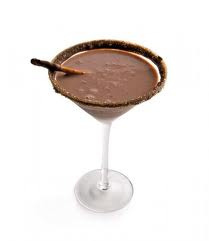
Martini-3

With ingredients on the menu including ginger (mentioned in the Karma Sutra), figs (prized by the ancient Greeks for their effects on fertility) and seafood (a good source of zinc, which stimulates sex drive) you’ll be lucky if you both make it to dessert before hurriedly paying the bill and rushing back home. But of course you will, because this is The Ambrette, recently named best restaurant in the South East by the Cobra Good Curry Guide 2013 (and it’s not even a curry restaurant). Headed by Dev Biswal, who has also been mentioned by Michelin, this is one Valentine’s treat you won’t forget in a hurry. And it starts with a chocolate Martini, too. (visit www.theambrette.co.uk).

Home Bakes
If you like a bit of baking yourself, then whip up a batch of cakes, muffins, or brownies especially to share with your loved one. You can decorate them, too – try these nifty two-tone heart-shaped cookies or chocolate brownies with Rolos melted into them. You can make your own chocolates as well, by melting your favourite chocolate and pouring into a special silicone mould, leaving it to set. Cheaper than in the shops and hand-made, too.

Will you be treating your loved one this Valentine’s Day? 


    Friday, 8 February 2013

    How fatty food cravings really are all in the mind…


    I’ve been a bit sporadic in posting recipes on the blog recently, and you really need a bit of an explanation. So here it is. 

    The truth is, I’ve been working a bit on psychology and how the mind affects pretty much everything we do. We tend to think that we have choices. We think we’re totally in charge of our legs, walking towards that hot dog stand in town ready to guzzle down an extra large hot dog with chips, even though we had breakfast just an hour ago. We think it’s completely our choice when we’re biting chunks off a Dairy Milk at 8.30am on the way to work. But the truth is, what’s going on in the brain is really very complicated, and I’ve found that you might not be in charge as much as you think. 

    If you subscribe to the brilliant psychology-based blog Psyblog, you will already be quite familiar with some of these scenarios, and even if you don’t, they might ring some bells. Do you recognise any of these?  

    If we’re in a bad mood we want to eat sugary and fatty foods

    If you’ve ever been dumped and then wanted to eat an entire tub of chocolate chip ice cream, you’ll know what I mean here. There is a ton of evidence to suggest that when we’re in a bad mood, we eat more. In 1994, researchers Greeno and Wing noticed that when a group of dieters were put in a bad mood, they ate more. But feeling down and anxious doesn’t just make us increase the quantities we eat, more specifically, we eat more of the bad stuff. A study by Baumeister et al (2001) found that when people were put in a bad mood (by being told a sad story about a car crash) they ate more salty and sugary snacks than the group who were told a happy story. The researchers said ‘these findings suggest that people typically respond to distress by eating more fattening, unhealthy foods because they expect that enjoying such treats will make them feel better.’

    hot dog bitten mustard
    Ever wondered why you keep thinking about that hot dog you smelled cooking from the stand even though you try to block it out?

    Trying not to think of that knickerbocker glory with cream on top will just make you want it more

    Try this. Don’t think of a white bear. Don’t. Just don’t think of that white bear. Once you try it, you’ll find it’s quite impossible, as that white bear drifts repeatedly into your mind, even though you try to block it out. Subjects in Wegner’s 1987 study pressed a bell every time they saw the bear even though they were trying not to think of it. Now, replace the bear with the smell of a bacon sandwich that wafted out of the cafe on the way to work. Trying to block it out (to be ‘good’) will just make you want it more. Sound familiar? 

    We are creatures of habit
    Chances are, if you start to regularly grab a bacon and egg McMuffin on the way to work, you’ll start to wake up craving a bacon and egg McMuffin. And it’ll turn into a daily ritual, whether you think you should do it or not. A piece in Psyblog recently stated that the best way to predict the food you’re going to eat tomorrow is to to look at what you ate yesterday. They go on to say that we’re creatures of habit and that ‘changing our eating habits is hard because so many decisions are made automatically, in response to routine situations we find ourselves in’. They also talk about mindless eating – where you ‘zone out’ and don’t pay attention to what you eat, so eating becomes almost an automatic function. 

    All this just goes to show how influential the mind really is when we’re choosing which types of food – and how much of it – we want to eat. It also has implications for strategies used when we want to try and control what food items we go for – suppressing thoughts of fatty or sugary foods doesn’t work – and being on a diet and then feeling down if it’s not working as quickly as we’d like could lead to snack cravings. The results of these studies are interesting, but they also explain why you can’t get the thought of that bacon sandwich out of your head all day.

    Interesting, eh? Were you surprised by any of these studies? Does any of this ring true for you?  

    Wednesday, 6 February 2013

    Hot Dog of the Month: Avocado, Coriander and Lime Dog

    Welcome to a new segment here at Comfort Bites, called (as you may have guessed from the title) Hot Dog of the Month. Experts have predicted that hot dogs are set to be a big trend for 2013 and they reckon we’ll be tucking into all sorts of gourmet versions of the snack. I’ll be experimenting and coming up with some different twists on the classic hot dog and will feature a new hot dog each month from now on (maybe even more than one per month, if I find a really good one). 

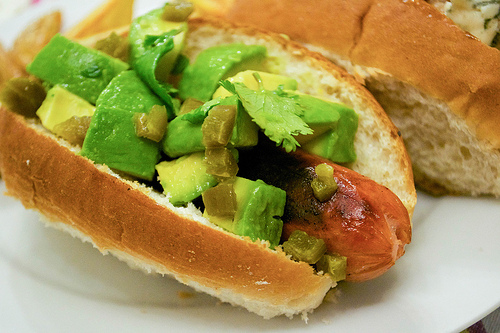
    The first is this: a hot dog with a zesty, creamy topping of avocado, lime juice and coriander which works so well against the salty, smoky frankfurter and soft, white bun. 


    I sprinkled over some jalapeño chillies to give it a bit of spice too – if you try this, let me know what you think.


    avocado, coriander and jalapeno dog
     

    Avocado, Coriander and Lime Dog
    Serves 1

    Roughly chop half a ripe avocado and place in a bowl, squeezing over the juice of half a lime. Cook your frankfurter in a little oil in a pan until browned, and once it’s hot, slide it into a hot dog roll. Roughly chop some fresh coriander leaves and stir them into the avocado. Pile up the avocado chunks onto the hot dog and scatter over some chopped slices of jalapeño chilli. 


    Hot Dogs: how do you eat yours? 


    Tuesday, 5 February 2013

    Rolo Chocolate Brownies


    Ah…. this was the advert I remember being on when I was a child. Do you love anyone enough to give them your last Rolo?

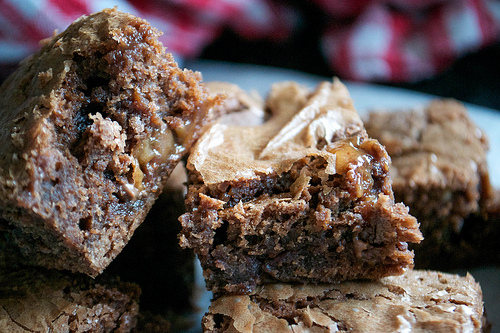
    If you do, and you also like baking, you might want to give these a go. The Rolos melt into the Brownie mixture while it’s in the oven and you get these lovely little pockets of chocolate and caramel. Enjoy!

    rolo brownies close up

    Rolo Chocolate Brownies
    Makes about 25 squares
    Ingredients
    150g butter
    150g plain chocolate
    3 eggs
    170g caster sugar
    130g plain flour
    1 tsp vanilla extract
    1 pack of Rolos, each Rolo sliced in half

    Method
    Line a 23cm baking tin with greaseproof paper and preheat the oven to 180ºC.
    Gently melt the butter in a saucepan and then break in the chocolate, stirring every now and then so it all melts together. Turn off the heat and set to one side to cool slightly.
    Meanwhile, beat the eggs, vanilla extract and sugar together until frothy. Pour the chocolate mixture onto the eggs, stirring gently as you go, and then fold in the flour. Once the mixture is combined, pour into the baking tin, scatter over the halved Rolos and bake in the oven for 20-25 minutes.
    Cool slightly and then cut into squares.


    Monday, 4 February 2013

    Leek and Roquefort Soup

    The idea for this soup came about after one lunchtime, when I found three leeks at the bottom of the fridge drawer starting to turn a bit crinkly and brown. I knew they’d only be good for soup – and thanks to a recent blue cheese binge I had some roquefort open in the fridge. I decided to combine the two and the results were completely delicious. 

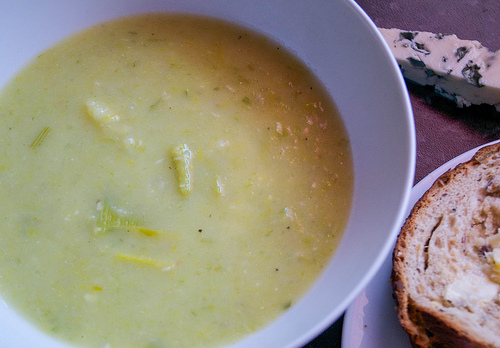
    I like to blitz the cooked vegetables so that you get something between smooth and very chunky – it’s good to have a few chunks of leek in there for texture. And then the roquefort is melted in at the end. Tasty, warming and economical – this one’s a keeper. 

    Leek and Roquefort Soup

    leek and roquefort soup

    Serves 4
    Ingredients

    • 1 tbsp butter and a drizzle of olive oil
    • 3 medium-sized leeks, washed, trimmed and sliced into chunky rounds
    • 1 small Maris Piper potato, chopped into approx. 1cm pieces
    • 2 small garlic cloves, crushed
    • 1 small white onion, roughly chopped
    • 500ml chicken stock
    • 40g (or to taste) Roquefort cheese, at room temperature


    Method
    First, melt the butter in a medium-sized saucepan and drizzle over the oil. Gently fry the leeks, potato, onion and garlic until the leeks have softened – this will take about 5-7 minutes. Once they’re soft, pour over the stock and continue to simmer away gently until the potatoes are completely tender – pierce one with a sharp knife to make sure. 

    Blend the soup, to your preference, and break up the cheese with your fingers. Drop the cheese into the soup and stir, so it melts. I usually start with about 40g and then melt that in, tasting and adding more if I think it needs it. Heat the pan gently over a very low heat if you need to. Taste, and season with salt and pepper before serving. I love this soup served piping hot, with some buttered granary bread alongside. 

    What are your favourite recipes for leeks? 

    LinkWithin

    Related Posts Plugin for WordPress, Blogger...