Saturday, 30 November 2013

Comfort Bites Comfort Food Challenge #2: CHRISTMAS

For this month’s comfort food challenge, I want to hear all about your favourite Christmas foods. And not just foods, but your family customs and traditions, too, if you want to share them. 

Perhaps you cook a Christmas meal that your family has always done, and now it feels like tradition. Or maybe you cook a special recipe each year that reminds you of Christmas as a child, or a special loved one. Do you have a favourite Christmas recipe that just gets you in the festive mood? Then do share it. 

Remember, I really want to hear about why your dishes and traditions are comforting to you.

comfortbiteschallengexmas

The Rules:
The same as last month, here they are: 
  • Please blog about Christmas – it can be anything – a childhood memory of foods you used to eat at this time of year, a favourite recipe that just gets you feeling festive or a food tradition shared by your family at Christmas. Please mention the challenge in your post. 
  • Email me with the link to the post, your name, and an image that I can use in the roundup, where I’ll also link back to you. Your blog post must link back to this page and include the event badge (above).
  • All entries must be received by 30th December 2013.
  • You can re-blog an old recipe if you like, but please ensure that you include the badge and links as above in your new post, and please mention the challenge as above.
  • Please don’t copy and paste recipes from cookbooks or elsewhere on the internet to enter – recipes must be your own. Please abide by copyright laws. 
I’m excited to find out all about your Christmas memories, traditions and favourite recipes! My entry will be on its way soon… 

Thursday, 28 November 2013

The Comfort Food Challenge Round Up #1: PASTA

Ah, the joys of pasta. It’s such a starchy, satisfying ingredient that you can dress up with fresh veggies, meat or just double cream and cheese, which is why I think it’s so comforting. And that comfort comes to people in lots of different ways. What might be an amazingly simple dish for one person is a memory of a loved one for another. And while someone on a diet might be happy with pasta dressed in chopped tomatoes and herbs, someone else won’t be satisfied unless it’s poking out from under a duvet of thick cream, garlic and cheese.

comfortbiteschallenge

Well, on to the round up. Thanks to all the bloggers for taking part. You’re all fab. 

Helene, from I Cook With Butter was first in, and made this pasta dish, which reminds her of her grandmother. She said her grandmother used to make it with Lumache pasta, but she’s used spaghetti for hers – and dressed it with a home-made tomato sauce, some ham and a boiled egg. A perfect example of how sometimes we need the foods that remind us of someone we love. Thanks Helene!


Comfort Food - Pasta[2]
From: I Cook With Butter

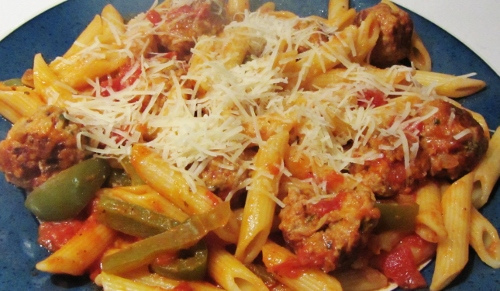
Corina from Searching for Spice entered this home-made pork meatball dish, with penne pasta and a tomato sauce with chilli, topped with cheese. The difference between shop-bought and home-made meatballs is huge and I loved that she had taken the time to do this. Perfect!


pork meatball pasta (500x291)
From: Searching for Spice

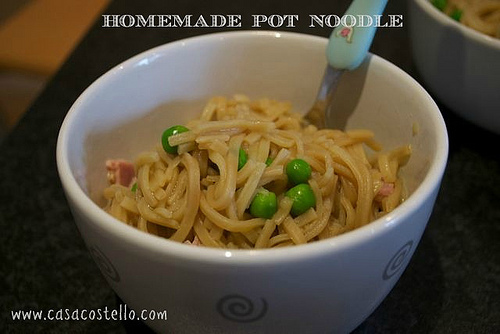
Helen from Casa Costello shared this quick noodle recipe – she says it’s perfect for when time is tight and her kids love it. We don’t always have lots of time to be able to make a decadent, comforting dish and so something that bolsters us and keeps us going but is quick to prepare is always a good thing.

homemade pot noodle
From: Casa Costello
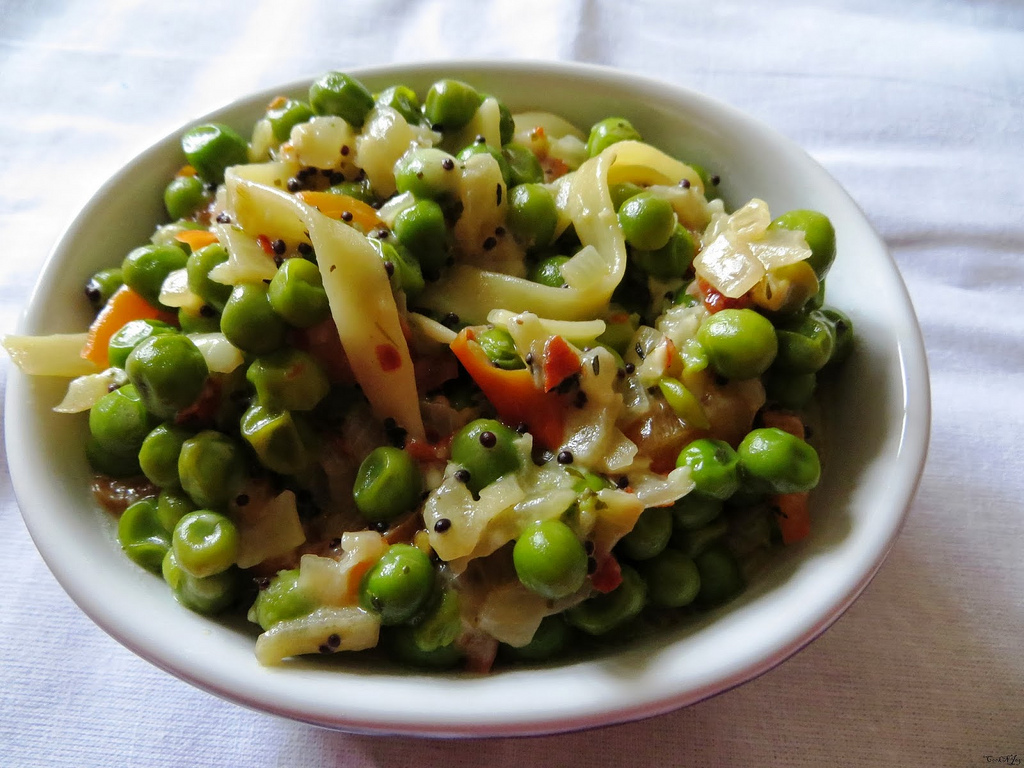
Akansha from the blog CookNJoy shared this fusion-style pasta dish, containing vegetables and mustard seeds – the dish is cooked all in the same pan, which means the vegetables impart their flavour into the pasta and you save on washing up! Fantastic tip for cooking pasta. 

CookNJoy pasta dish
From: CookNJoy


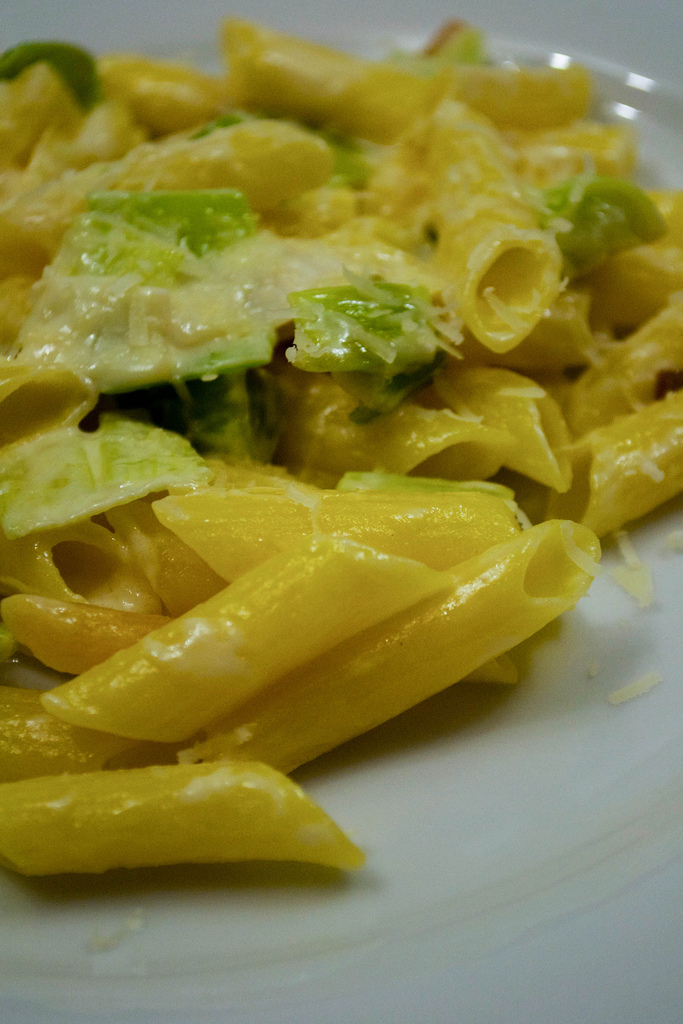
My entry was this Leek and Comté cheese penne pasta, which I find helps to keep spirits going after a rough day. In fact, for me, anything cheesy does!


comte with pasta

Thank you to all the bloggers who took part, it means a lot to me that you did. 

Want your recipe to appear in next month’s round up? Then stay tuned for the announcement of Comfort Food Challenge number two! 


Helen’s Gluten Free Mixes

If you buy gluten-free products, you’ll find that they don’t often taste, look or behave the same as regular products. I’ve tried gluten-free croissants that are just dry and chewy – and gluten-free bread that just doesn’t have that pull-apart texture that regular, gluey bread has. 

This is because commercial gluten-free products often use things like potato starch, rice flour, ground almonds and cornflour to bind ingredients together. These ingredients are finer, soak up more water, or generally just don’t behave in the same way as gluten-containing foods, so they can be tricky to get right. Most of the time you find different ingredients being used in one product, rather than one. 

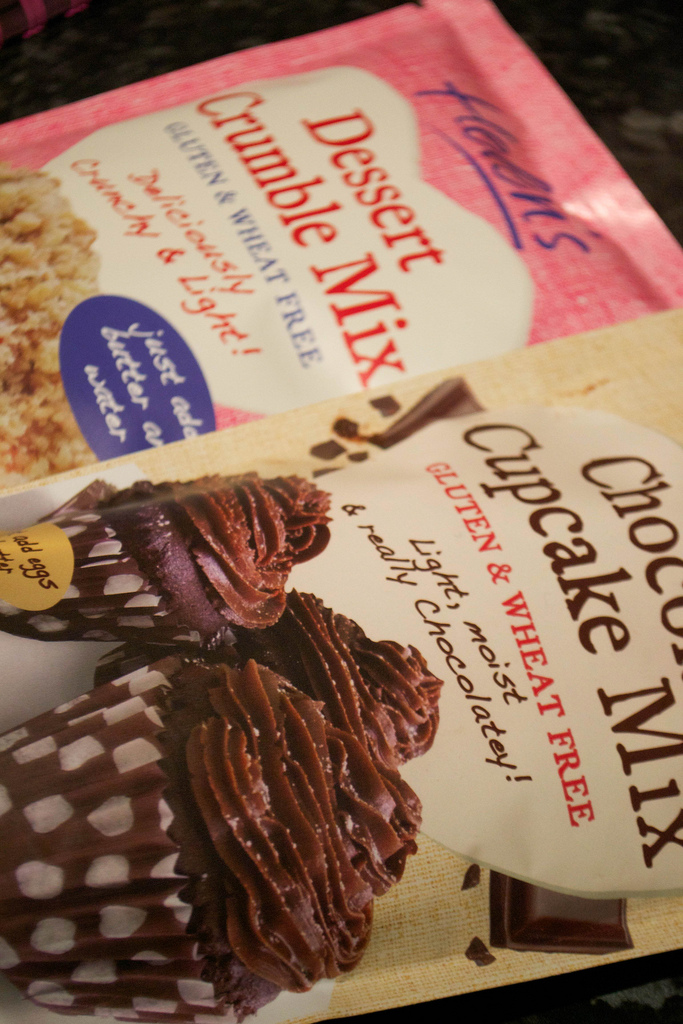
So I was asked if I’d like to try Helen’s Gluten Free Mixes – a chocolate cake mix and a crumble mix. I thought it would be interesting to try them out.
 

helens chocolate cake iced

The first thing I noticed about the cupcake mix was that it contained rice flour, cornflour and xanthan gum – nothing I couldn’t buy from the supermarket, and not full of ingredients I couldn’t pronounce so that was good. 

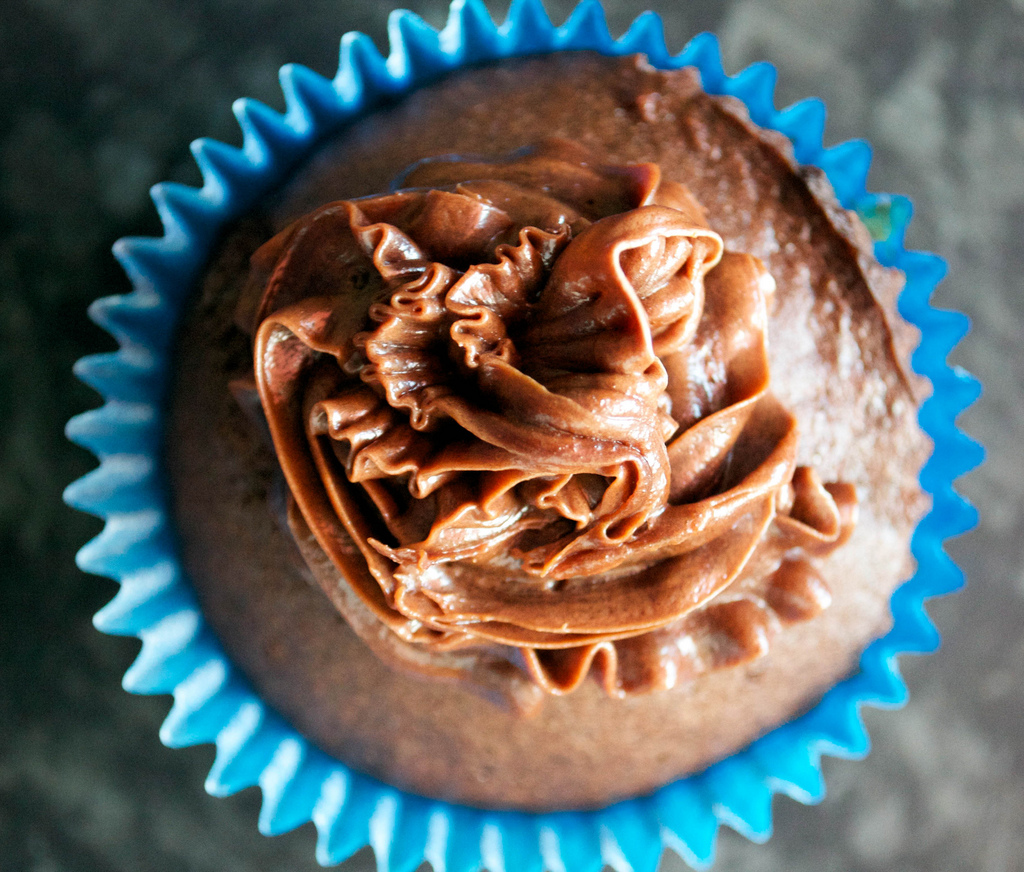
After baking, the cupcakes were moist, something I don’t usually find with gluten-free products like this. They didn’t rise evenly though, while my home-made cakes are usually flat or have a domed peak – but as you’re most probably going to top them with icing or cut the tops off to decorate anyway, this didn’t really bother me. 


helens chocolate cakes once baked


What I wanted was a moist, gluten-free cake that actually tastes like chocolate and this is what I got. Happy Days. 


helens chocolate cake iced2


So on to the crumble mix. Again, the ingredients were simple: millet, rice flour and sugar. You just rub butter into the mixture, with a small splash of water and then scatter it over your lightly cooked fruits before baking. 


helens gluten free mixes


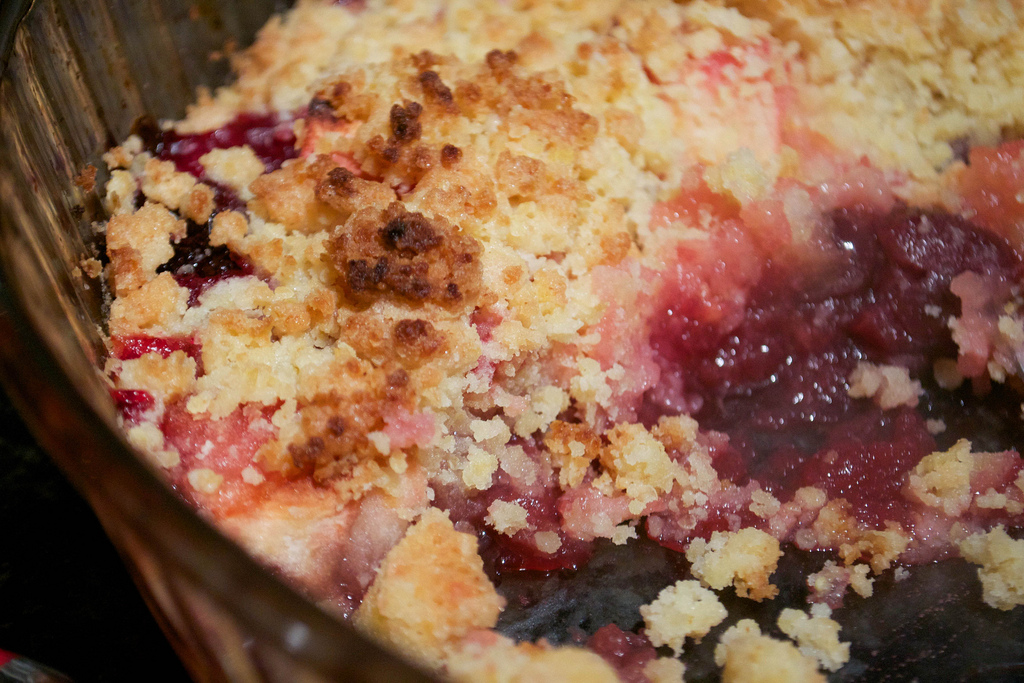
I’m not sure whether it was the crumble or the fact that the children were so grateful to have a proper pudding on a weeknight, but they loved it. I was nervous with my five-year old about the millet, as I could taste it, but she didn’t say anything. So neither did I. The crumble topping had a slightly earthy, rustic flavour – as I said you could definitely taste the flavour of the millet – not a bad thing though – it was just there. And we finished it all off with dribbles of double cream. 

helens gluten free crumble mix


I was really chuffed with these gluten-free mixes – the cakes were brilliant and as I mentioned, it can be difficult to get cupcakes or baked goods to taste moist and behave similarly to their regular counterparts. If you’re avoiding gluten, these would be good to have in the cupboard – and it’s a good thing every now and then for everyone to be able to have some hot, fruit crumble straight from the oven. 

Wednesday, 27 November 2013

Onion Soup

Forgive me for not blogging too much lately. I’ve been manic busy with work, plus studying and then general family stuff. But I hope I can make it up to you with a lovely bowl of something warming and cosy. 

Firstly, this is a simple soup to put together – you just need onions, stock and mustard. Secondly, it’s a great way of using up extra onions you might have left over. I first made this soup when I opened the fridge the day before food shopping to find a jugful of beef stock and some onions rattling about in the fridge drawer. I’ve made it many times since, and it’s one of my favourites.

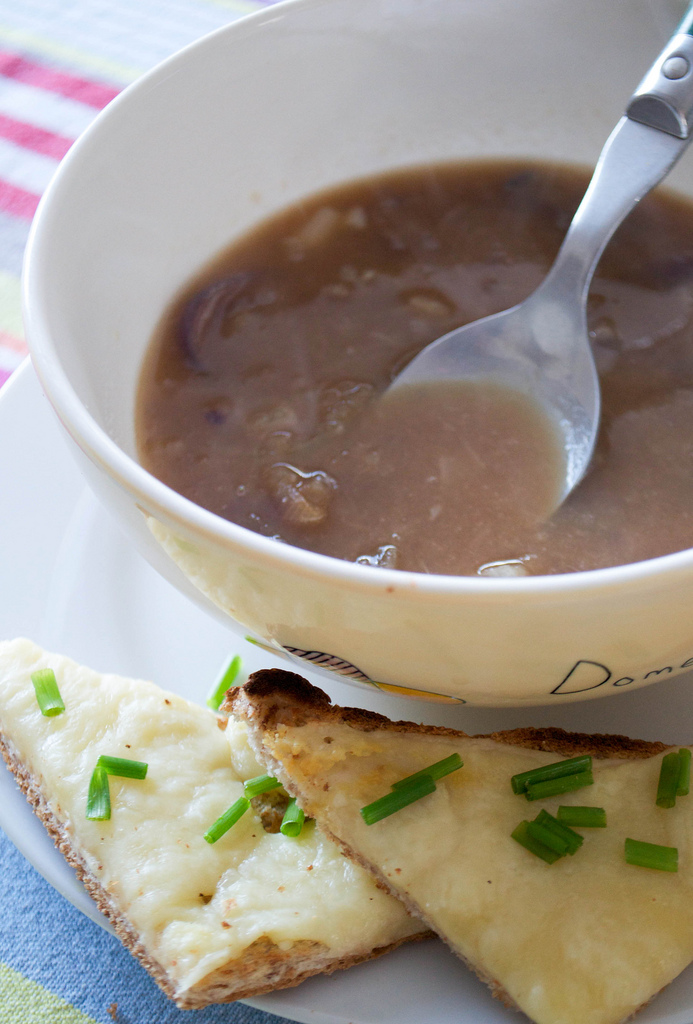
Roasting the onions first gives them a sweetness that’s quite mellow in the finished soup, and although I’ve tried this recipe using both vegetable and chicken stock, I do think the beef stock works best, beef and onions being a classic combination. Perfect served alongside some cheese on toast (I’ve sprinkled mine with chives) and if you have any fresh thyme leaves about, then by all means sprinkle some of those into the soup too. 


roasted onion soup with cheese on toast


Onion Soup
Serves 4-6
Ingredients
750g onions – red, white or a mixture of both
2 tsp duck fat (or olive oil)
salt and pepper
500ml good beef stock
half a tsp Dijon mustard

Method
Get your oven pre-heated to 200ºC. Drop the duck fat onto a non-stick baking tray and slide into the oven as it warms up, to melt it down. After a couple of minutes, remove from the oven. 

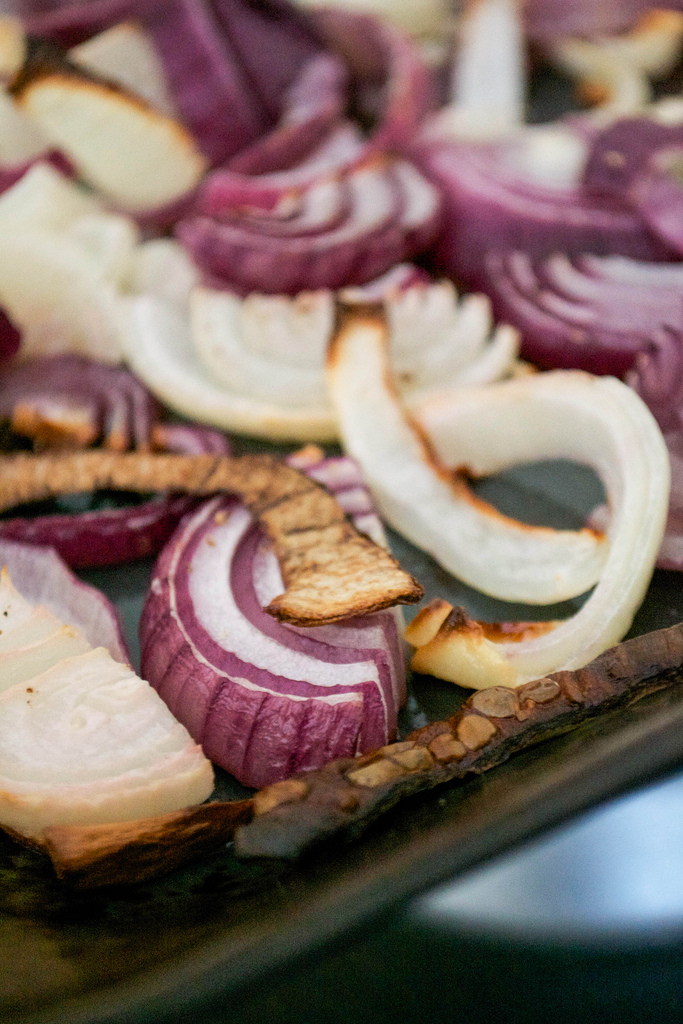
Peel and halve the onions, and then cut the halves into slices. Arrange these onto the baking tray and season with salt and pepper. Once you’re oven is preheated, cook the onions for 30 minutes, until golden and just beginning to crisp up at the edges. 

Tip the roasted onion slices into a medium-sized saucepan, and put on a medium heat. Pour in the beef stock and stir in the mustard. Simmer for about 10 minutes. Use a little of the stock to de-glaze the baking tray of caramelised onion bits before pouring into the saucepan. 

Using a stick blender, blend the soup – I like it with a few chunky pieces of onion in, or if you like blend it completely. Taste, adding more seasoning or mustard, or a drop of water from the kettle if you want to thin it a little – and serve hot, with bread or cheese on toast. 

roasted onion slices

Thursday, 21 November 2013

British Beef Macaroni Cheese

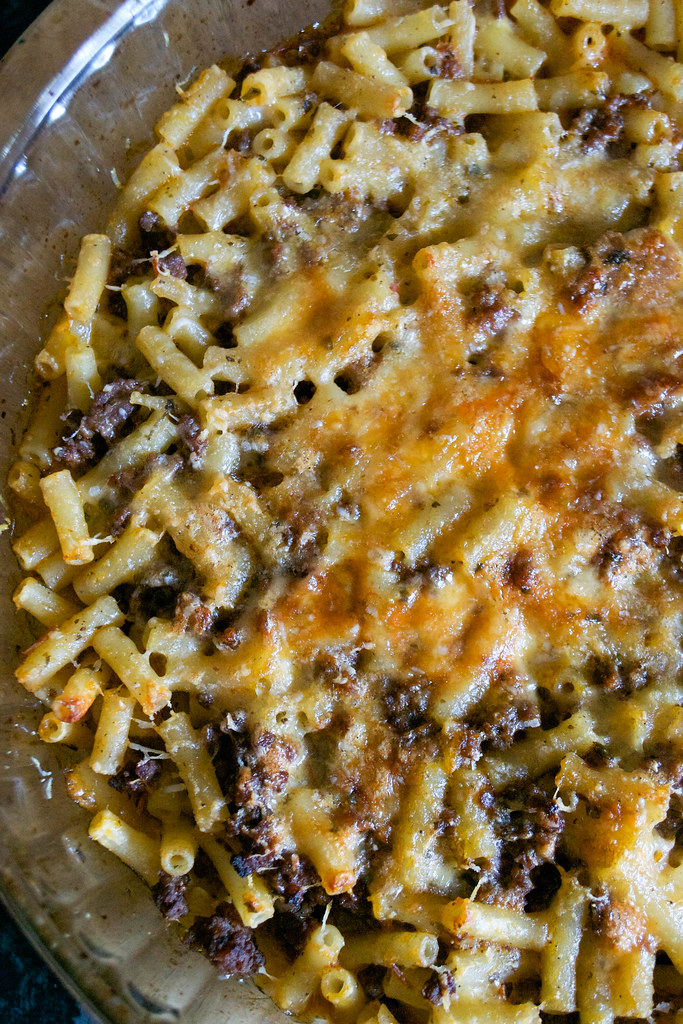
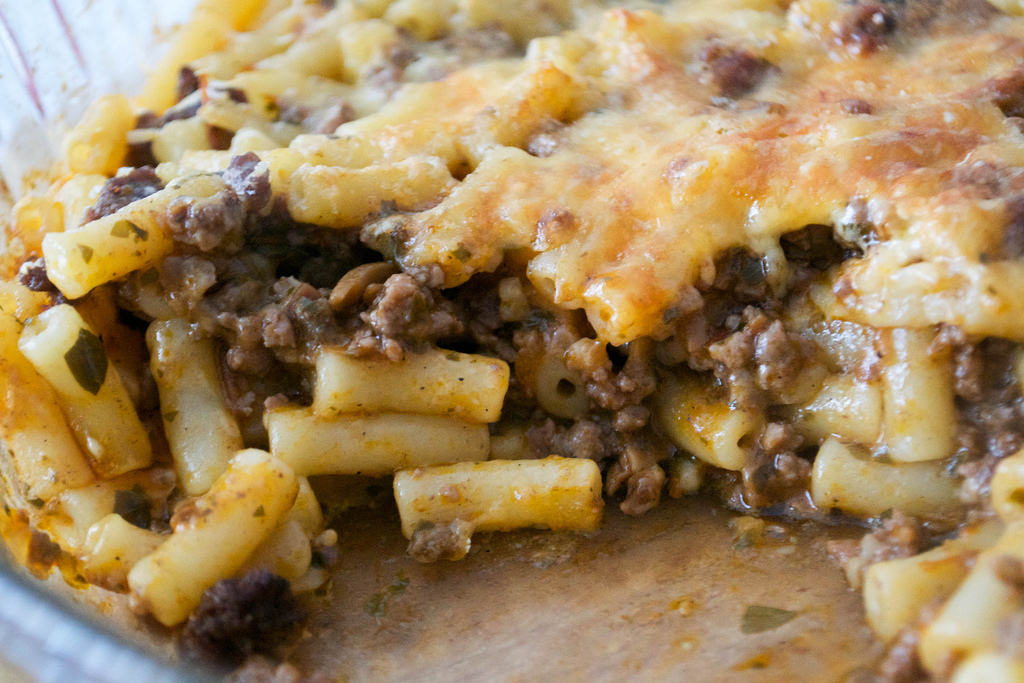
This is a cross between a macaroni cheese and a Bolognese. Truly tasty and bolstering as the nights start to get darker that little bit earlier. You could get this on the table in half an hour if you wanted to, as well. Perfect for schoolnights. 

This ‘macaroni beef’ contains British, grass-fed beef mince and Double Gloucester cheese. I’ve finished it with a sprinkling of Parmesan, for saltiness and to help it crisp up in the hot oven. Plonk the dish on the table, letting everyone serve themselves, alongside a leafy dressed green salad. 


british beef macaroni cheese

British Beef Macaroni Cheese
Serves 4-6
Ingredients
300g macaroni cheese
400g British beef mince
340g of your favourite tomato sauce 
2 handfuls grated Double Gloucester cheese
A sprinkling of grated Parmesan

Method
Tip the macaroni cheese into a large pan of slightly salted, boiling water and cook for about 10 minutes, or until just al dente (it will finish cooking in the oven). 

Preheat your oven to 200ºC. Dry-fry the mince in a non-stick pan, pouring off any fat or liquid if any collects. Once the meat is browned, pour in the tomato sauce and simmer until the meat is fully cooked. 

Drain the almost-cooked macaroni and toss with the beefy tomato sauce. Pour half the mixture into an ovenproof dish (I use a glass quiche dish), and scatter half the Double Gloucester over the top. Pour over the rest of the meat and pasta mixture and then arrange the remaining Double Gloucester cheese over the top. Finish with a little grating of Parmesan cheese and slide into the hot oven. Bake for 10-15 minutes, until the cheese is bubbling and slightly browned and everything’s piping hot. 


british beef macaroni cheese cut

Like?


Pumpkin and Maple Syrup Ice Cream

I’ve really grown to love pumpkin. I can’t believe how many pumpkins are hacked into shapes and then thrown in the bin each Halloween in this country – according to Love Food Hate Waste, it’s over a million. 

I’d heard about pumpkin ice cream before – David Lebovitz blogged a recipe for it, where he uses the traditional spices of ginger and cinnamon. 

So I decided to tweak my existing vanilla ice cream base to make a pumpkin ice cream of my own. And what goes better with pumpkin than dark, sweet and treacly maple syrup? 


pumpkin and maple ice cream


Pumpkin and Maple Syrup Ice Cream
Serves 6-8
Ingredients
200ml double cream
200ml full-fat milk
100g golden caster sugar
2 egg yolks
half tsp vanilla extract
100g pumpkin purée, from a can
1 heaped tbsp good maple syrup

Method
Make the ice cream base the day before you want to serve it. First, whisk the egg yolks and sugar together until you have a thick, sticky custard-looking mixture – this will take just a few seconds. Trickle in the vanilla. 

In a small saucepan, combine the double cream and milk and heat gently, until the mixture just starts to steam, but don’t let it boil (don’t walk away from it). 

Slowly pour a little of the hot milk mixture onto the egg yolks and sugar, and whisk it in. Trickle in a bit more, whisking all the time and keep going until you’ve poured in all the milk. Straight away, pour it all back into the saucepan and heat gently, stirring, until thickened – this might take a few minutes, but be patient. Pour back into the bowl, leave to cool and store in the fridge overnight. 

The next day, add the pumpkin and maple syrup to the custard mixture and blend with a stick blender until completely smooth. Churn the mixture in an ice cream maker for 25 minutes and then transfer to a freezable container, storing in the freezer until needed. 

Tuesday, 19 November 2013

Comté Cheese and Leek Penne

Ever since I tasted the different maturities of Comté cheese, I couldn’t get it out of my mind. And while we often use traditional Italian cheeses like Parmesan and Grana Padano in a pasta dish, I knew the French Comté would lend something different to it.

It’s an indulgent dish. It’s comforting, creamy and cheesy. And I’m entering it into this month’s Comfort Food Challenge, which is pasta-themed. 


comte with pasta

Comté Cheese and Leek Penne
Serves 4
Ingredients
300g penne
1 leek
1 tsp butter
1 tsp olive oil
salt and pepper
100ml double cream
30g Comté cheese (I used the 12-month Comté)

Method
Bring a pan of water to a boil and add a good pinch of salt. Tip in the pasta and leave to cook for about 10 minutes until tender. 

While that’s cooking, cut the leek in half lengthways and give it a good rinse under the tap. Slice into rounds (half-moons, actually) and fry gently in the butter and oil until glossy and softened – about 10 minutes. Swirl in the double cream and bring to a simmer. Take off the heat. 

At this point the pasta should be cooked – drain it. Grate the Comté cheese into the creamy sauce and toss in the pasta. Taste, adding salt and pepper to season, and serve, with a little more Comté sprinkled on top if you like. 


comfortbiteschallenge

Have a favourite pasta recipe that you find especially comforting? Want to share it with the world? Then enter it into the Comfort Bites Comfort Food Challenge. Look forward to seeing them all!

Thursday, 14 November 2013

Not All Comté is Created Equal – Comté Cheese at Different Maturities

We all know about Comté cheese, that French cheese made from unpasteurised cow’s milk. But I wonder if you know about how age affects Comté. I was sent samples of Comté cheese at four different levels of maturity and found that the flavours were incredibly different. 

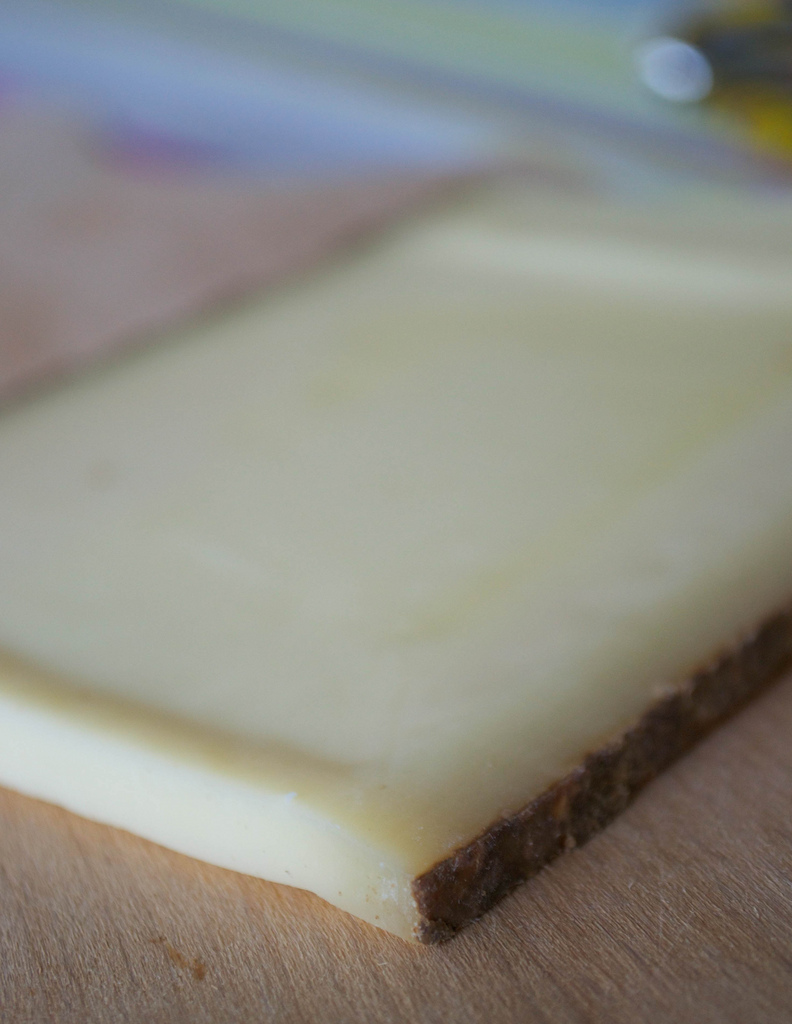
12 month Comté
comte 12 month

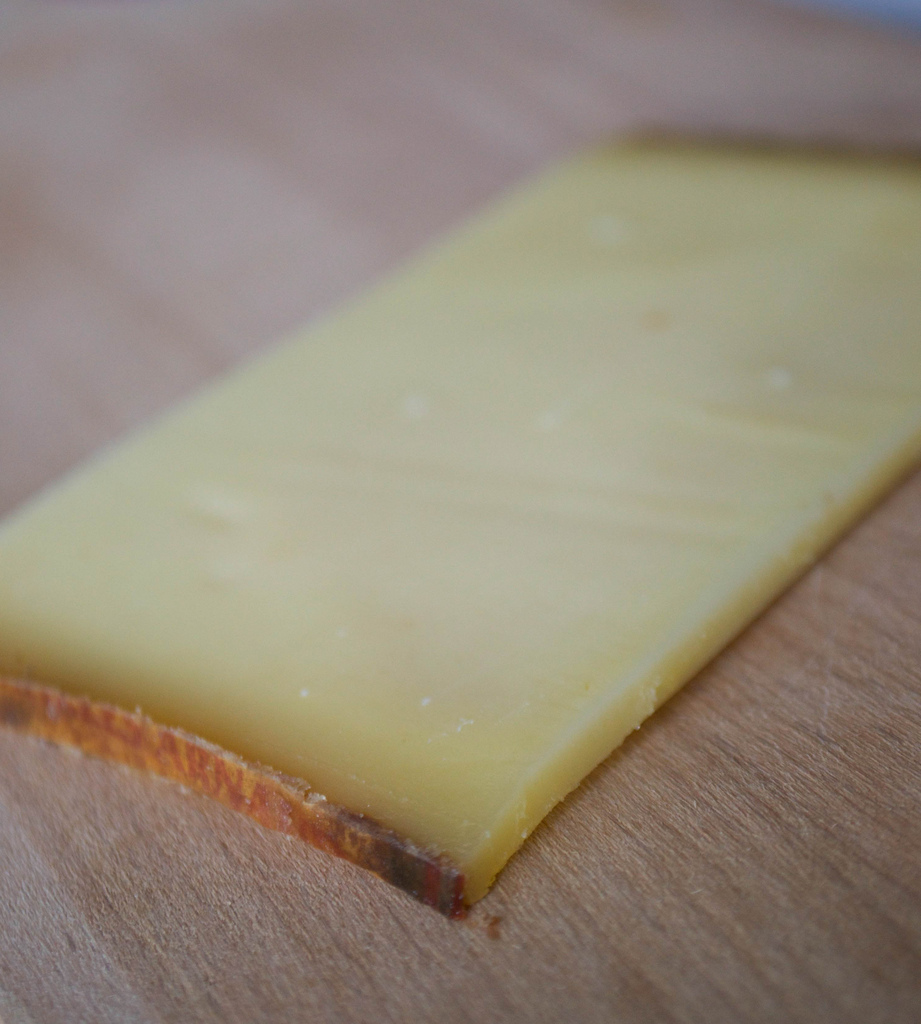
This is what I would expect from a Comté if I’d just bought it from the supermarket or deli. It’s the flavour we’re all used to: sweet, milky, buttery and smooth. Matured for 12 months, it’s the standard and probably the one most people would recognise. 


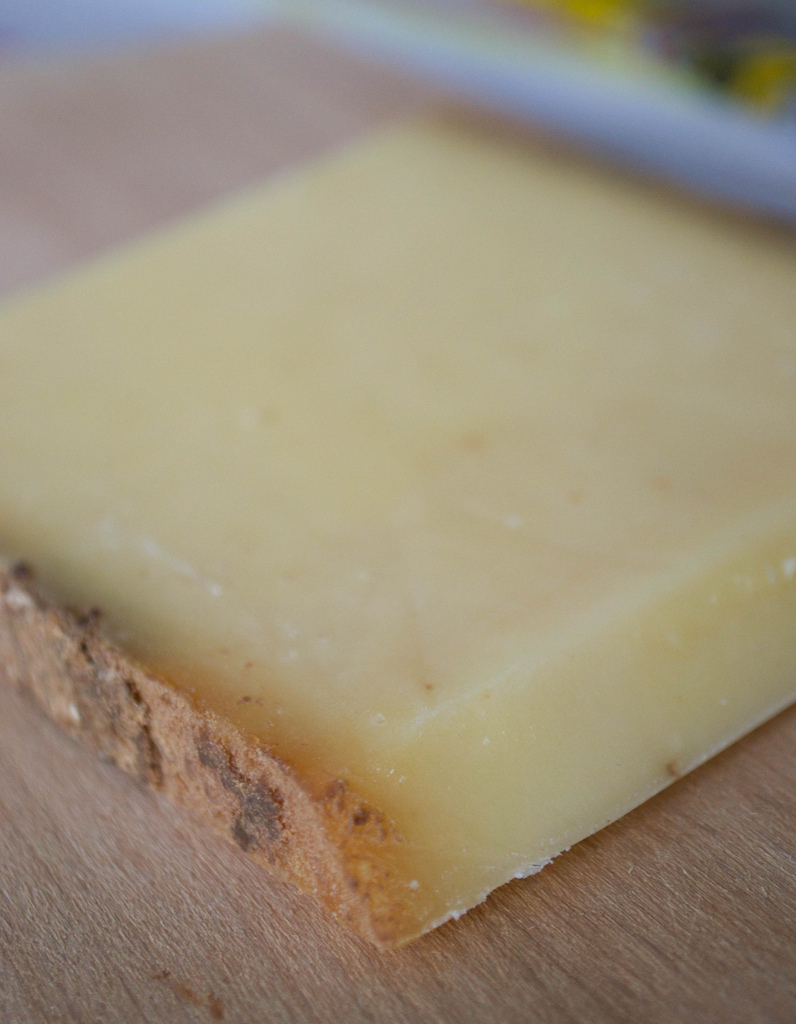
18 month Comté
comte 18 month

With a slightly deeper flavour than the 12 month cheese, but still maintaining the rich, buttery smoothness, this was probably my favourite of the four. You could melt this into pasta, rice and vegetable dishes – it’d be perfect with leeks – sweet and rich. 


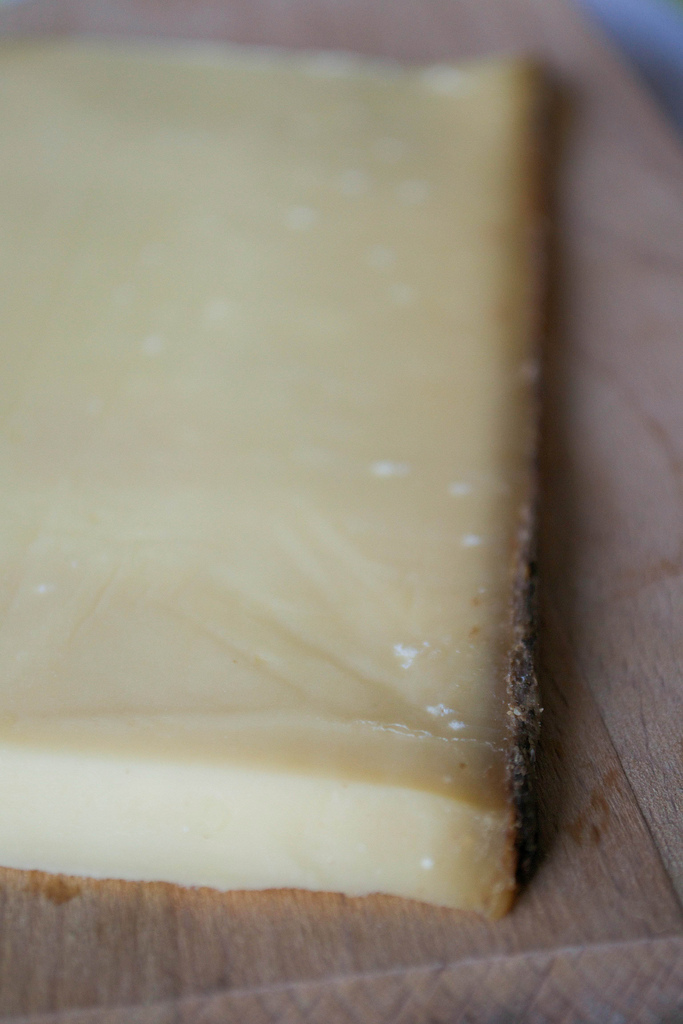
24 month Comté


comte 24 month

Now things start to get interesting. The difference in the 18 month and 24 month cheeses is quite drastic. You get a much more tangy cheese, a darker rind and also a crunch from the calcium lactate crystals that form as the cheese matures.


36 month Comté


comte 36 month

A really dark rind and a deep, mushroomy flavour and yes more crunch from the calcium lactate crystals. This three-year old cheese is very strong in flavour, and I wouldn’t want to do anything to it other than serve it as part of a cheeseboard to appreciate its complex flavour. Probably quite an acquired taste, but only because we think we know what Comté tastes like and we’re used to the 12-18 month product. 

Apparently, a restaurant in Paris called L’Arpège serves a four year old Comté – I can imagine that would be really savoury and rich, as there’s a huge difference in taste and texture for every year that the cheese matures. 

It just goes to show how age affects the way cheese tastes, looks and smells – many people consider Comté a mild cheese and might disregard it in favour of a pungent Stilton or Lincolnshire Poacher. But if you can get hold of a good aged Comté do give it a try. It might just challenge your views. 

What do you think? Do you like Comté cheese? Do you use it in any recipes?

Wednesday, 13 November 2013

Paleo Auto Immune Protocol Meatloaf

Meatloaf? But it has eggs, breadcrumbs and all sorts in it, you can’t eat that on the auto immune protocol. 

Oh yes you can. 


autoimmune protocol meatloaf


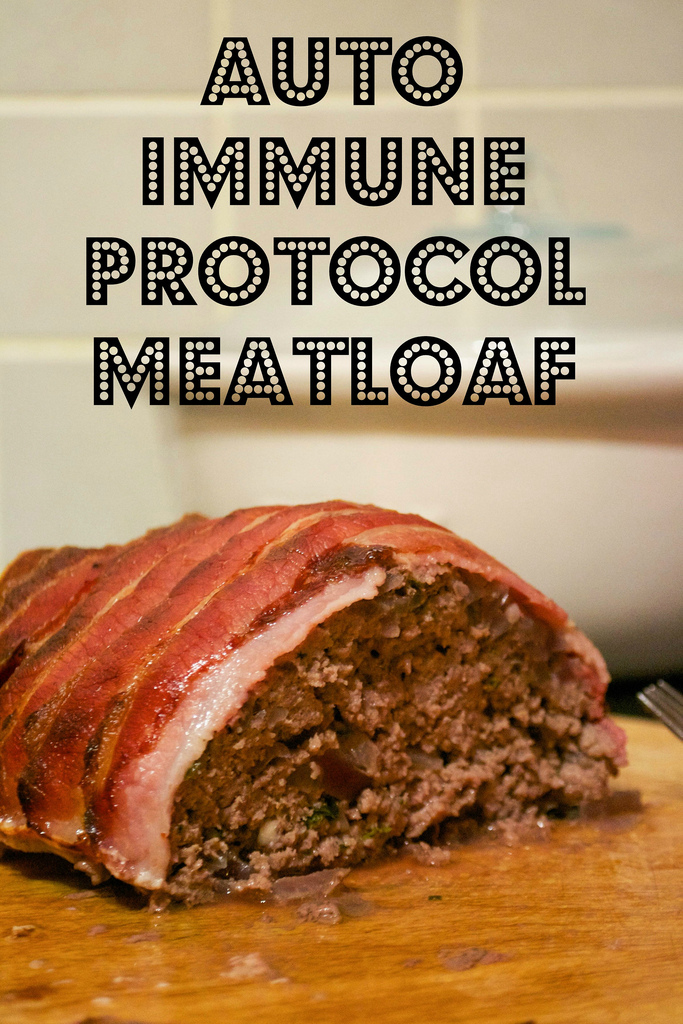
This version uses beef mince, bacon, onions, garlic and herbs. There are other versions that incorporate mushrooms or cauliflower to bind, but I didn’t use anything. This meatloaf binds very well on its own, so you won’t miss the egg, and the onions, along with the crunchy bacon topping, keep the beef lovely and moist. It’s one of our new favourite dinners, served simply with the juices from the meat and some greens alongside. And it’s even better cold, the next day (if it will last that long). 

I hope this gives you some inspiration if you’re looking for dinner (or breakfast, let’s face it) on the auto immune protocol. 

Paleo Auto Immune Protocol Meatloaf
Serves 4-6
Ingredients
800g beef mince, preferably grass-fed beef
1 small clove garlic
1 tbsp fresh parsley, chopped finely
2 red onions, chopped into small pieces
1 tsp duck fat
pinch salt
14-16 rashers smoked streaky bacon

Method
Melt the duck fat in a frying pan and fry the chopped onion with a good pinch of salt until softened. Tip the onion into a mixing bowl and allow to cool. Once cool, add the beef, the chopped garlic and the parsley. Mix well, but not too much – just until it’s combined. 

Tip the lot out onto a baking tray lined with foil and mould into a loaf-shape as best as you can with your hands. Once you have a long, humped shape start covering with the strips of bacon, overlapping them slightly on top and tucking the ends in underneath the meatloaf. 

Cook in a 200ºC oven for one hour and take out, leaving to rest for 10-15 minutes before you cut into it. This will allow the juices to absorb back into the meat and also make it less crumbly when carving. With a sharp knife, cut into chunky slices and serve while hot. This also makes perfect batch-cooking food – lop off a slice and have it for breakfast with some leftover greens. I do. 

This recipe has been entered into the Paleo AIP Recipe Roundtable at Phoenix Helix. 

Tuesday, 12 November 2013

A2 Milk – An Answer to Milk Intolerance?

There’s a fairly new brand of milk out. You may have seen it – it’s called A2 milk. And it claims that it could be used as a substitute if regular milk doesn’t quite agree with you.


a2 milk

The science behind it
If you drink milk and experience digestive upset, you might assume you’re lactose intolerant. But, if you haven’t yet been diagnosed with it by a doctor, it might not be the case. Milk contains both A1 and A2 proteins – apparently it’s quite often the A1 protein that reacts with our digestive system and so you might be reacting to the A1 protein in the milk rather than milk – or lactose – in general. A2 milk comes from cows that genetically produce milk without the A1 protein.

Lactose intolerance
A2 milk, just like regular milk, contains lactose – so it’s still not suitable if you have a milk allergy or lactose intolerance.

What’s it like?
It looks – and tastes – just like normal milk. You can cook with it, make milkshakes with it, pour it over your cereal. In a recent study, it was found that 20% of people complained of digestive issues after drinking milk – but only 6% of these people had a lactose intolerance. So I can see how it could be beneficial to these people, and probably worth trying if you’ve been tested for lactose intolerance but the results came back clear.

However, if you do experience some symptoms after drinking milk then it’s a good idea to get tested by your doctor to rule out the more serious lactose intolerance or milk allergy.

Monday, 11 November 2013

Pumpkin Chocolate Truffles

Look at these. Aren’t they lovely?


pumpkin chocolate truffles 4


And they’re made of pumpkin. 

I came across a recipe for pumpkin truffles on the Taste of Home website, where they use all the lovely autumnal pumpkin pie spices like cloves, cinnamon and ginger. But one of my favourite flavour combinations with pumpkin is sweet vanilla. So I’ve adapted their recipe to make less (they are insanely rich) and also so that the soft, vanilla tones shine through, without losing the pumpkin altogether. I’ve also changed quite a bit of the method, so they’re a bit easier to make. 

Pumpkin Chocolate Truffles
Makes 10
Ingredients
150g white chocolate, broken up into squares
1 tbsp double cream
2 tbsp canned pumpkin
150g dark chocolate, broken up into squares
toffee sprinkles, to decorate

Method
First, melt the white chocolate gently with the double cream. Stir the pumpkin purée into the white chocolate mixture until smooth – it will look like a toffee-coloured caramel. Put the mixture into the fridge for one and a half hours until stiff but still mouldable. 

When the mixture has cooled and stiffened, roll into little balls and place on a baking tray lined with greaseproof paper. Slide this into the freezer for 10-15 minutes. Meanwhile, melt the dark chocolate. 

Take out the frozen pumpkin balls and, using two teaspoons, roll each one in the melted chocolate, placing back on the greaseproof paper to set. Sprinkle with a few sprinkles before the chocolate sets. 


Saturday, 9 November 2013

Auto Immune Protocol Cottage Pie

It can be tough on the auto immune protocol. You’re quite limited to what you can eat (meat, fish, veggies, some fruit) that when you suddenly think you can have a food, you realise it’s got flour in to thicken the sauce, or nightshade-based spices, tomatoes or sugar. So you slap yet another beef patty on the grill and put the peas on. 

But what’s this? A comfort-food classic, that’s OK on the AIP? Oh yes. 


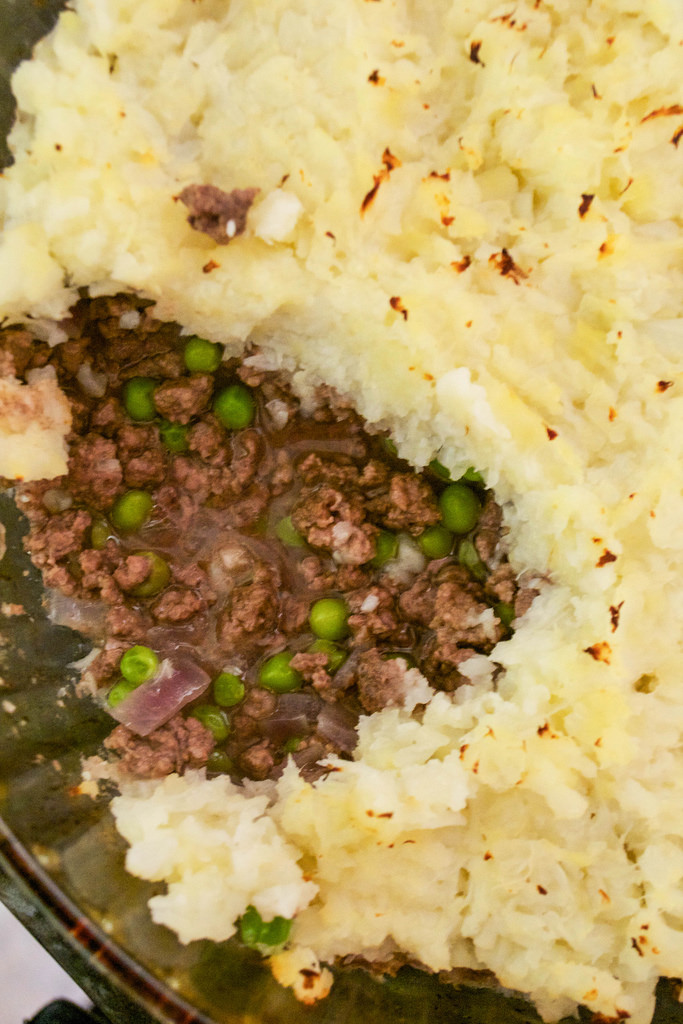
aip cottage pie

The mince is grass-fed, Welsh beef. The ‘mash’ is nightshade free and is actually made from parsnips and cauliflower – a tip taken from Gwyneth Paltrow’s elimination diet book It’s All Good. And I was quite worried it would be dry without the usual thick, dark gravy but it wasn’t – it just tasted really clean and the meat stayed lovely and moist. My eight-year old suspected there was cauliflower in it, but my veggie-phobe five-year old scraped it all up off her plate and asked for seconds. Want to make it? Here’s how. 

16th July 2014: Since this recipe was first published Sarah Ballantyne, one of the foremost figures of research into the autoimmune protocol, announced that she now considered black pepper, peas and green beans ‘foods to avoid’ on the elimination phase of the AIP, whereas they were ‘use with caution’ foods before. If you’re on the elimination phase of AIP it’s best to avoid the peas in this recipe – use diced carrots instead.

AIP Friendly Cottage Pie
Serves 4
Ingredients
400g minced beef (preferably grass-fed for AIP)
1 red onion, chopped
a couple of handfuls frozen peas (omit for elimination phase of AIP)
3 parsnips
1 head of cauliflower
1 tsp duck fat
salt, to season

Method
Make the mash first: 
Peel and chop the parsnip and cut the cauliflower into chunks. Tip into salted, boiling water and continue to boil for about 10 minutes, until the veggies are soft. Drain well and mash, adding the duck fat to help it along. This will also enhance the flavour of the mash. 

While the veggies are cooking, get on with the meat base. Dry-fry the mince in a non-stick pan until browned and then add the onion. Continue to cook for about 5 minutes until the onion is soft and then throw in the peas, if using. Add a slosh of the cooking water from the veg to the meat mixture and turn off the heat. 

Spoon the meat mixture into a medium-sized oven dish and then dot the mash on top. Smooth it over with a fork and bake in a 200ºC oven for 10-15 minutes, until the meat underneath is bubbling and the mash has a few golden, toasty bits on top. Eat hot. 

This recipe has been linked up to the Paleo AIP link-up at Phoenix Helix blog. Do check it out for more AIP-friendly recipes.


Thursday, 7 November 2013

Honey-Roasted Pumpkin, Goat’s Cheese and Chorizo Salad

It’s weird, I suppose. Up until now I’ve been avoiding pumpkin like the plague, after a pumpkin pie my Mum made me when I was about 8 years old put me off for life. And now, I can’t get enough of it. The moment of conversion came last year when I developed a pumpkin pie recipe for Yahoo!, and topped it with a salty mixture of mixed nuts, cinnamon and brown sugar. It was a big pie, and I think I ate most of it by myself. 

Since then, I find love pumpkin mashed, alongside roasted meats or fish – but most often I’ll cut it into chunks, roast it, and toss it into a salad or some tacos. I find roasted pumpkin goes really well with lime and coriander too. But for this salad, I wanted something sweet, so decided to drizzle it with honey. 

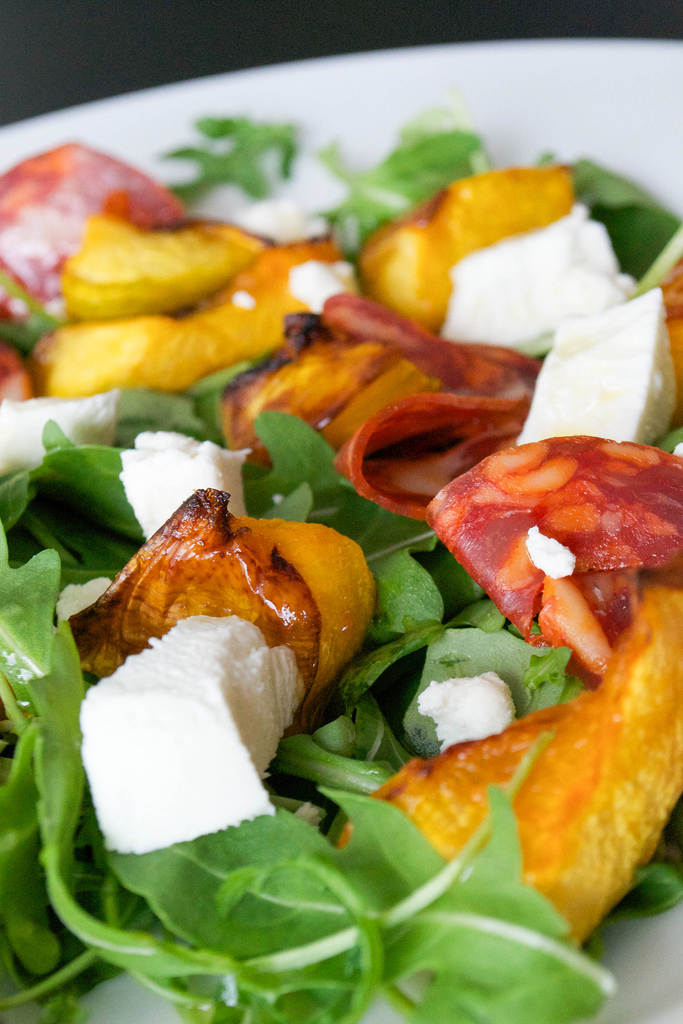
The sweet, honeyed pumpkin contrasts so well with the meaty, chewy chorizo and then it’s all softened by the soft goat’s cheese and finished off with curly, peppery rocket. I can’t wait to eat it again. 


pumpkin chorizo and goats cheese salad 2

Honey-Roasted Pumpkin, Chorizo and Goat’s Cheese Salad with Honey Dressing
Serves 2, generously
For the salad:
600g pumpkin (about half a medium pumpkin)
1-2 tsp duck fat
pinch of salt
2 tsp runny honey
2 handfuls rocket leaves, washed and dried
8 slices good quality chorizo (I’ve used Chorizo Ibérico Bellota)
2 slices soft goat’s cheese 

For the dressing:
2 tbsp extra virgin olive oil
1 tbsp white wine vinegar
pinch of salt
1 heaped teaspoon runny honey

Method
Peel and de-seed the pumpkin and cut the flesh into chunky pieces, about 2cm square (roughly). Preheat the oven to 200ºC and slide a shallow baking tray into the oven with the 2 tsp duck fat, to melt. 

After a minute or so, bring the tray back out and toss the pumpkin pieces in the fat until coated. Sprinkle over a pinch of salt and slide into the oven. Leave to roast for 25-30 minutes. 

Once the pumpkin cubes are soft and just beginning to turn golden at the edges, remove from the oven and drizzle with the honey. Give it a stir so all the pieces are coated in the honey and then put back into the oven for 2-3 minutes, while you assemble the salad. 

Arrange the rocket over two plates, with the chorizo slices. Whisk the ingredients for the dressing and taste – tweaking it to add more honey, salt, oil or vinegar as you prefer. Remove the pumpkin from the oven and arrange over the rocket leaves and crumble the goat’s cheese over the top. Drizzle with the dressing and serve straight away. 


Tuesday, 5 November 2013

The Perfect Student Curry – and It Contains Chocolate…

Two teenagers – Dominic Stephens and Bella Elwes, from Sherborne in Dorset – have come up with a curry that they say appeals to teenagers. And it contains chocolate. 

Spices of India and local chef Brett Sutton from the Eastbury Hotel helped develop the curry, which also contains lamb, tomatoes and some of the more usual Indian spices such as turmeric, cumin and cloves. 

But chocolate? 


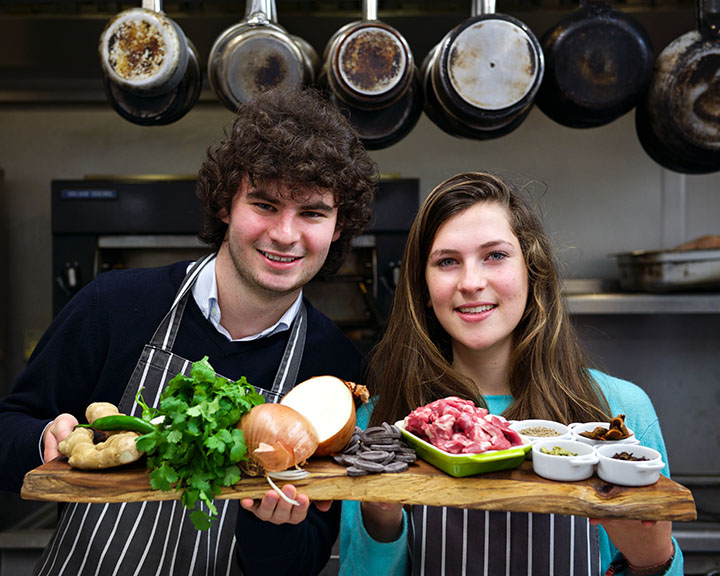
Ultimate teenage curry 12
The Chakra Curry – contains chocolate

‘We’ve called this curry the ‘Chakra Curry’ because it represents Colds, Happiness, Acne, Kissing, Revision and Asthma,’ says Dominic. Bella said that despite some initial reservations about the curry containing chocolate, they’ve had a ‘positive response’ from taste-tests with friends. 

Ultimate teenage curry 4
Dominic and Bella, who created the Chakra Curry
Not as bonkers as it sounds….
I haven’t tried the curry but there’s a lot to be said for adding chocolate to savoury foods – I made an onion tart with cocoa, after all. Chocolate can be quite a savoury ingredient – it’s bitter, has a rounded, mellow flavour and when it melts, it adds colour. The only reason we think of it as sweet is because it’s blended with milk and lots of sugar to make our most-loved (and sweet) chocolate bars. Choc-chip jalfrezi, anyone? 

What do you think? Do you add chocolate to your savoury recipes? If you want to make the curry yourself, you can try it here. 

Monday, 4 November 2013

New Joseph Heler Low Fat, Low Salt Cheese

So. Joseph Heler have brought out a new cheese that’s low in both salt and fat. And as I thought many of you fellow cheese lovers might find this useful, I agreed to receive a sample to put through its paces. 

But first, the facts. The cheese, which went on sale earlier this month, is sold in Tesco stores and contains 30% less fat and salt than other Cheddars. But what does it taste like? 


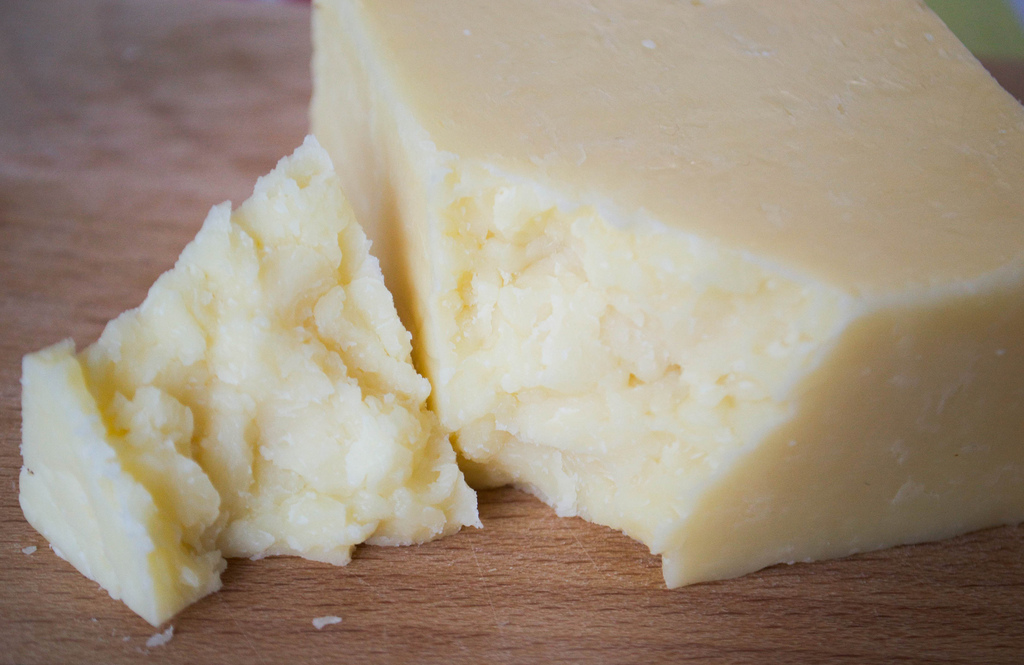
joseph heler cheese


It’s a mild to medium-flavoured cheese with a rounded flavour of its own. It’s not very crumbly, but has a firm texture. I was worried it might be rubbery and bland, but it wasn’t at all. I liked it.  

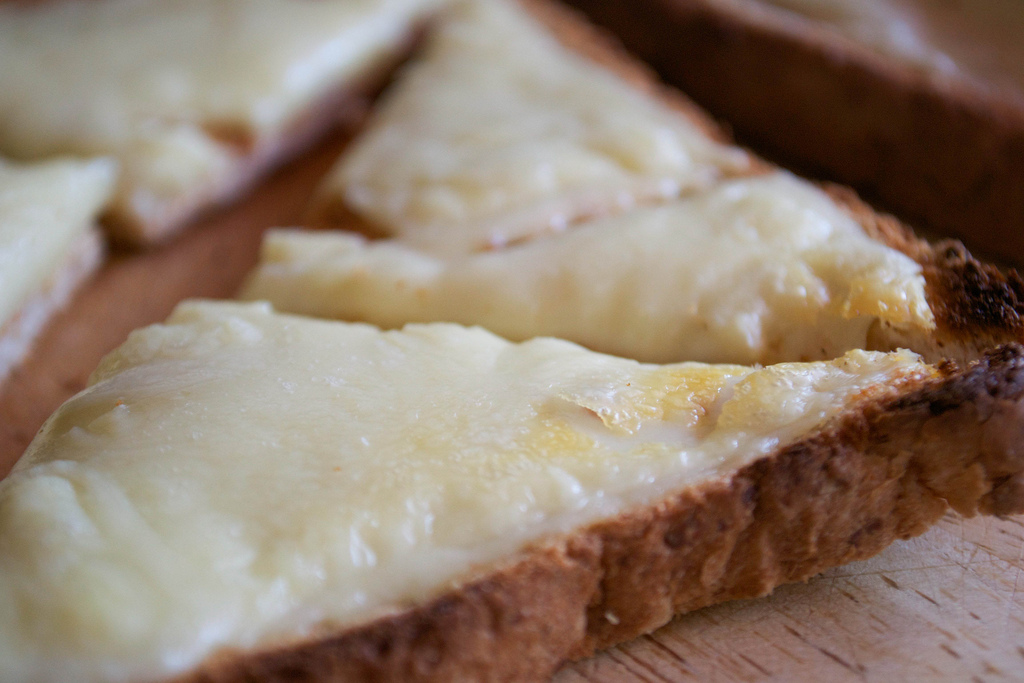
And it didn’t perform too badly under the grill, either. Yes, it’s not an oozing duvet of mozzarella, I grant you – but it melted nicely, pretty much keeping its firm texture after it was heated. It grates well, too – I sprinkled mine over a salad. 

joseph heler cheese toasted

I’m not normally a fan of low-fat cheeses. I’d rather save a piece of proper, fatty cheese for a treat rather than eat ‘healthy’ cheeses every day, but I appreciate that due to diet constraints, a low-fat, low-salt cheese would benefit many people. Tesco have called this cheese ‘revolutionary’ and I reckon Joseph Heler have hit the nail on the head by developing a cheese containing less salt and fat, which still has its own identity. 

Look out for the reduced salt and fat cheese in Tesco stores, or read more here. 

LinkWithin

Related Posts Plugin for WordPress, Blogger...